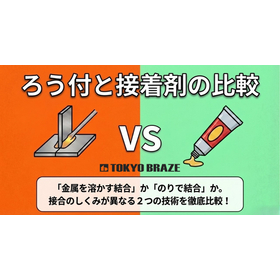
The differences in joints become clear when compared. I will explain in detail the characteristics and uses of each.
"Metal melting bonding" or "adhesive bonding"? A thorough comparison of technologies with different bonding mechanisms! The content is illustrated and made understandable for fifth graders. 【Content】 ◆ A comprehensive comparison of each characteristic: bonding strength, heat resistance, airtightness, durability, dissimilar metal bonding, etc. ◆ Comparison of lifespan and applications ◆ So which one should you choose?
Inquire About This Product
basic information
Please take a look at the PDF materials or feel free to contact us.
Price range
Delivery Time
Applications/Examples of results
Please take a look at the PDF materials or feel free to contact us.
Company information

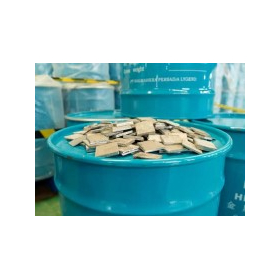
"Brazing" is a technique that involves flowing "molten metal filler" between base materials and cooling it to join them. The base materials and the filler are firmly bonded at the atomic level. 【Brazing is a familiar joining technology】 Brazing is used in parts for automobiles, air conditioners, gas water heaters, tools, and more. It is widely useful in fields such as machining and pipe processing. 【Advantages of Brazing】 ● Can join thin sheets and achieve precise connections ● Can join multiple points simultaneously ● Can join dissimilar metals and non-metals ● Can create complex shapes that cannot be made through cutting or grinding ● Can achieve high airtightness in joints While "welding" is a technique that joins materials by melting the base material, "brazing" is a technique that joins materials with little to no melting of the base material, making it suitable for joining delicate parts such as small items and thin sheets.