"Have you considered controlling 'bubbles' with 'process design'?" has been added to AD-Chemi.
 安達新産業 本社
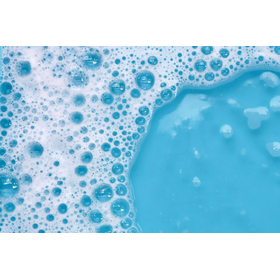
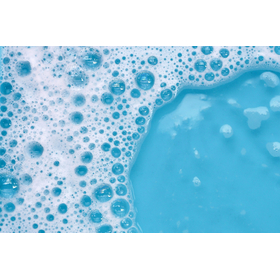
The foam generated during the food manufacturing process is not merely a collection of air. It exists as a "structure" stabilized by naturally derived components originally present in the food, such as proteins, polysaccharides, lipids, and surfactants. Therefore, the foam that occurs during food processing does not necessarily disappear naturally over time; rather, it is often maintained or even amplified by processes such as stirring, heating, and circulation.
What becomes important here is the approach to defoaming. In food manufacturing settings, it is common to consider the addition of defoaming agents or changes to the product only after foam manifests as issues like filling defects or reduced productivity. However, in reality, much of the amount and stability of foam, as well as its residual behavior, are determined more by the processing conditions than by the defoaming agents used. In other words, defoaming should not be seen as a supplementary measure to be addressed in later stages, but rather as an element that should be incorporated from the design stage of the manufacturing process.
◆ The properties of foam vary significantly by process
◆ Defoaming design considered by industry-specific processes
◆ The design flexibility of silicone defoaming agents
◆ The defoaming approach provided by Adachi New Industry Co., Ltd.
For more details, please check our website.
Inquiry about this news
Contact Us OnlineMore Details & Registration
Details & Registration
Related Links
Related product
Related catalog(2)
Distributors