Tohoku Univ. Technology : Multifunctional fiber less than 1 mm in diameter : T21-243

Multifunctional fiber equipped with electrochemical sensors, temperature sensors, optical fibers, hollow channels, etc., and actively driven
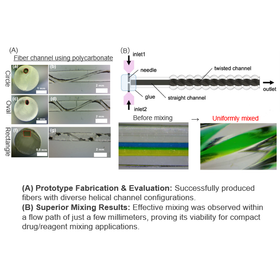
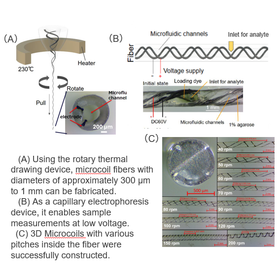
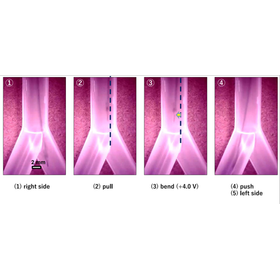
The refinement of internal therapeutic devices, including the diminution and canalization of catheters, is crucial in mitigating patient discomfort. Further alleviation is achievable by amalgamating multiple functions into a single device, which enables one-time internal insertion, thus streamlining the process. Notably, there has been significant progress in engineering multifunctional catheters capable of directing optical fibers and an array of sensors to the target site via actuators with precise tip control. However, the typical diameter of these advanced catheters ranges between 2 to 6 mm, which unfortunately still imposes a considerable burden on patients. This innovation introduces a multifunctional fiber with a sub-millimeter diameter, less than 1 mm, designed to minimize patient discomfort significantly. This slender, multifunctional fiber boasts the capability for active actuation and encompasses diverse functionalities, including an assortment of sensors—like electrochemical and temperature sensors—as well as the ability to emit light via an optical fiber and dispense substances through a hollow channel. Remarkably, the production method of this fiber is notably straightforward. The accompanying illustration on the right delineates the utility of this novel fiber in the detection of dopamine, demonstrating that the fiber can successfully detect dopamine concentrations as low as 10 nM, substantiating its efficacy and potential in medical applications.
Inquire About This Product
basic information
For details, please refer to the inquiry or view the PDF.
Price range
Delivery Time
Applications/Examples of results
For details, please refer to the inquiry or view the PDF.
catalog(1)
Download All Catalogs
Company information

The revenue generated from technology transfer is reinvested as new research funding for universities and researchers, and is utilized to create further research outcomes. To ensure the smooth operation of this cycle, known as the "Intellectual Creation Cycle," we will vigorously promote technology transfer. The types of seeds we handle include patents, know-how, databases, and programs. We have established a collaborative framework by signing basic technology transfer agreements with the following universities (as of June 1, 2025): Tohoku University, Hirosaki University, Iwate University, Akita University, Fukushima University, Yamagata University, Tohoku Gakuin University, Iwate Medical University, Fukushima Medical University, Aizu University, Miyagi University, Hokkaido University, Muroran Institute of Technology, and Showa Medical University.