1~45 item / All 413 items
Displayed results
Added to bookmarks
Bookmarks listBookmark has been removed
Bookmarks listYou can't add any more bookmarks
By registering as a member, you can increase the number of bookmarks you can save and organize them with labels.
Free membership registration
Contact this company
Inquiry Form1~45 item / All 413 items
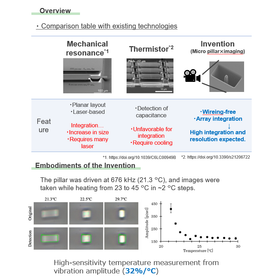
Conventional thermal property measurements using thermistors and thermocouples require electrical wiring, which limits further improvements in sensor density and sensitivity. Resonant temperature sensors using in-plane mechanical resonators also suffer from low areal density, and laser-based readout becomes impractical when many sensing points are required. To overcome these limitations, the inventors developed a wiring-free temperature sensor that optically detects the resonance vibration amplitude of a high–aspect ratio micro-resonator. This architecture is well suited to dense array integration and achieves a temperature sensitivity of 32%/°C, exceeding that of frequency-shift-based resonant sensors (35 ppm/°C) and thermistors (2.0%/°C), making it promising for high-sensitivity temperature measurement.
Added to bookmarks
Bookmarks listBookmark has been removed
Bookmarks listYou can't add any more bookmarks
By registering as a member, you can increase the number of bookmarks you can save and organize them with labels.
Free membership registration
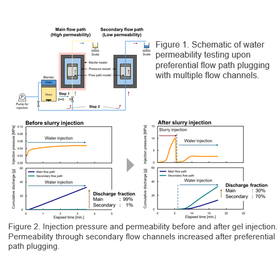
Geothermal energy is recovered by injecting fluid through injection wells, allowing it to absorb heat as it flows through rock fractures, and extracting the heated fluid via production wells. Preferential flow through highly permeable fractures can cause short-circuiting, where injected fluid reaches the production well without sufficient heat exchange, reducing power generation efficiency. Currently, no effective method exists to mitigate short-circuiting, and operators are limited to temporary measures such as adjusting injection rates or switching wells. The inventors have identified a potential solution using a temperature-responsive gel that solidifies at high temperatures. When injected, the gel slurry flows into preferential flow channels and selectively plugs them upon reaching the high-temperature reservoir zone, redistributing fluid flow to other fractures and improving heat recovery efficiency.
Added to bookmarks
Bookmarks listBookmark has been removed
Bookmarks listYou can't add any more bookmarks
By registering as a member, you can increase the number of bookmarks you can save and organize them with labels.
Free membership registration
Nickel and cobalt demand is surging for lithium-ion battery cathode materials, driving the need for efficient separation and refining technologies. Due to their similar metallic and ionic properties, making separation challenging, the current mainstream approach relies on solvent extraction exploiting differences in complex formation behavior. However, this method involves multiple steps, uses environmentally burdensome organic solvents, and requires additional refining, such as electrowinning, to isolate the metals in pure form. This invention provides a low-cost, low‑environmental‑impact method for selectively electrowinning nickel from nickel–cobalt mixed aqueous solutions, characterized by a simple electrolytic process using general‑purpose electrodes. In the examples, electrodeposited nickel with a purity of over 99.4% was obtained.
Added to bookmarks
Bookmarks listBookmark has been removed
Bookmarks listYou can't add any more bookmarks
By registering as a member, you can increase the number of bookmarks you can save and organize them with labels.
Free membership registration
The development of a multi-scale numerical analysis technique for the melting and solidification phenomena of metal powders in metal lamination processes, such as powder bed fusion and electron beam melting, is progressing. Conventionally, the analysis has been carried out based on equations based on physical phenomena. However, the calculation load increases as the calculation becomes more precise, and it is difficult to calculate the whole structure. In order to reduce the load, there is a method to average microstructural information such as particle size distribution, phase fraction, and crystal orientation distribution. However, it is difficult to predict the formation behavior of micro defects such as unmelted powder, porosity, and cracks. The present invention solves the problem by replacing a part of the numerical analysis process with a surrogate model based on machine learning, and enables numerical analysis on the scale of the whole shaped object. By effectively integrating the macroscale analysis and the surrogate model, multi-scale analysis is realized which avoids loss of microstructural information while suppressing the computational load. By this, the computational load is reduced to 1/10, and the whole shaped object can be calculated.
Added to bookmarks
Bookmarks listBookmark has been removed
Bookmarks listYou can't add any more bookmarks
By registering as a member, you can increase the number of bookmarks you can save and organize them with labels.
Free membership registration
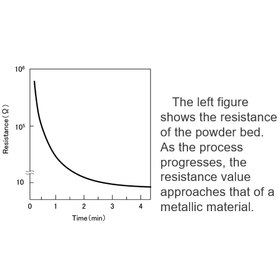
The technology to suppress the smoke phenomenon in the metal lamination process of powder bed system is attracting attention. Since the smoke phenomenon inhibits the beam irradiation, the melting of the metal powder becomes insufficient, and the deterioration of the laminated product is caused. To solve this problem, countermeasures such as temporary sintering have been taken, but they are not sufficient, and research and development are continuously carried out. As a result of repeated research focusing on the fact that each metal powder is covered with a thin oxide film, the present invention devised an apparatus capable of suppressing the smoke phenomenon more effectively than ever before. Since the smoke phenomenon is mainly caused by the electrification of each metal powder by the irradiation beam, the problem was solved by pretreating the powder bed. As a result, development of a laminated molding apparatus capable of effectively suppressing the smoke phenomenon and development of an auxiliary apparatus mountable to an existing apparatus are expected.
Added to bookmarks
Bookmarks listBookmark has been removed
Bookmarks listYou can't add any more bookmarks
By registering as a member, you can increase the number of bookmarks you can save and organize them with labels.
Free membership registration
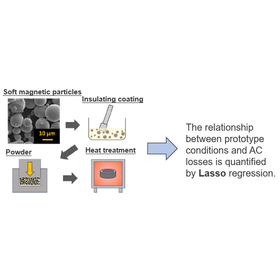
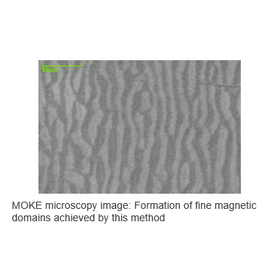
Inductors and transformers, which consist of a magnetic core made of soft magnetic materials with wound coils, are widely used in applications such as electronic circuit boards in data centers. Particularly, amorphous soft magnetic materials are beginning to be applied to EV motors and other systems to improve energy efficiency. In these applications, reducing iron loss—comprising hysteresis loss, classical eddy current loss, and excess loss—is essential for achieving higher efficiency and miniaturization of power devices. At high frequencies, excess loss becomes dominant, and therefore material designs that effectively reduce this loss are required. This invention relates to a simple processing method for amorphous soft magnetic materials to reduce excess loss. Compared with conventional approaches such as nanocrystallization, this method provides greater loss reduction at high frequencies, while also offering superior processability and applicability to a wide range of material systems.
Added to bookmarks
Bookmarks listBookmark has been removed
Bookmarks listYou can't add any more bookmarks
By registering as a member, you can increase the number of bookmarks you can save and organize them with labels.
Free membership registration
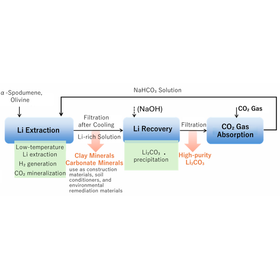
EVs and renewable energy are driving a surge in lithium (Li) demand. Li is mainly produced either by concentrating brines from salt lakes or by extracting it from ores, primarily α-spodumene. Brine evaporation requires vast land, long processing times, and favorable climatic conditions. Ore processing requires roasting above 1000 ℃, followed by intensive sulfuric acid leaching, leading to high energy and chemical consumption. Moreover, the co-dissolution of Si and Al impurities complicates downstream purification, increasing both economic and environmental costs. The inventors developed a hydrothermal process that controls element behavior, enabling simultaneous Li recovery, hydrogen (H2) production, and CO2 mineralization at relatively low temperatures. For example, a NaHCO3 solution with olivine enables efficient and sustained Li extraction from α-spodumene at 300 ℃. Impurities such as Si and Al are immobilized as secondary minerals, simplifying purification. Meanwhile, Fe(II) and Mg in olivine contributed to concurrent H2 generate and CO2 mineralization.
Added to bookmarks
Bookmarks listBookmark has been removed
Bookmarks listYou can't add any more bookmarks
By registering as a member, you can increase the number of bookmarks you can save and organize them with labels.
Free membership registration
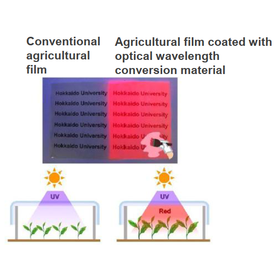
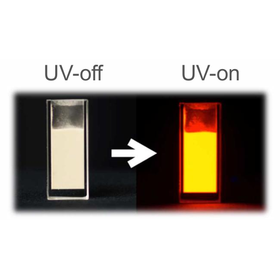
Complexes composed of the rare earth element Eu (europium) and organic molecules are materials that absorb only ultraviolet light and emit red light with high brightness and color purity, and are being developed for use in displays, lighting, and sensors. Conventional rare earth complexes have low solubility and are prone to crystallization, making them difficult to fabricate transparent molded objects or use as films directly applied to plates, etc. The present invention realizes a transparent, coatable optical wavelength conversion film by mixing a clarifying agent that reduces crystallinity into the rare earth complex. Furthermore, because it absorbs only ultraviolet light and transmits visible light, it can be used in applications such as agricultural films to promote plant growth.
Added to bookmarks
Bookmarks listBookmark has been removed
Bookmarks listYou can't add any more bookmarks
By registering as a member, you can increase the number of bookmarks you can save and organize them with labels.
Free membership registration
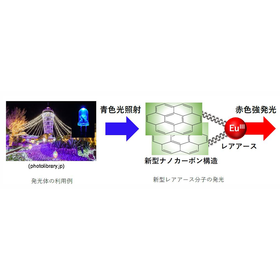
Phosphors are used in lighting and displays, and in recent years, fluorescent dyes as well as inorganic phosphors have attracted attention. However, conventional red phosphors have presented challenges for application in next-generation LEDs, displays, and sensors due to limited durability, excitation by ultraviolet light alone, and material toxicity. A complex consisting of europium (Eu) and organic molecules emits strong red light when excited by ultraviolet light and has high color purity, making it a promising light-emitting material. However, conventional Eu complexes have poor absorption ability in the long-wavelength blue light region, making them unsuitable for white LEDs. The present invention introduces a new carbon structure based on a fused polycyclic aromatic group into Eu(III), achieving high-brightness red emission when excited by blue light (450 nm). This complex possesses high color purity, high durability, and is a light-emitting material that does not contain the toxicity of quantum dots.
Added to bookmarks
Bookmarks listBookmark has been removed
Bookmarks listYou can't add any more bookmarks
By registering as a member, you can increase the number of bookmarks you can save and organize them with labels.
Free membership registration
Phosphors are used in lighting and displays, and in recent years, fluorescent dyes, as well as inorganic phosphors, have been attracting attention. Organic-inorganic hybrid materials composed of organic molecules and rare earth elements emit strong light when excited by ultraviolet light and have high color purity, making them promising for use in lighting effects that are more beautiful than conventional light-emitting materials. The present invention relates to a rare earth complex composed of europium (Eu) and organic molecules. By introducing a fused polycyclic aromatic group into the ligand of this complex, it has a large molar absorption coefficient for visible ultraviolet light, highly efficient energy transfer to Eu(III), and high-intensity emission. This complex also has high heat resistance, approaching 300℃.
Added to bookmarks
Bookmarks listBookmark has been removed
Bookmarks listYou can't add any more bookmarks
By registering as a member, you can increase the number of bookmarks you can save and organize them with labels.
Free membership registration
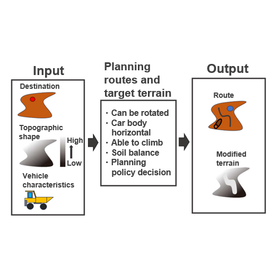
Since the transportation network of goods is cut off when the road is cut off by the landslide disaster, it is indispensable to secure the passage of vehicles by improving the temporary road in the disaster site for quick recovery. The temporary road is constructed by the excavation operation of the backhoe, but the operation is accompanied by the risk of the secondary damage, so the automation technology of the backhoe is required. In the conventional research, the motion planning to change the level difference to the roadable slope was carried out, and the modification work using the simulator was successful. However, to move to the destination in the remote place, the route to the destination and the excavation work must be planned simultaneously, and the simultaneous planning has not been achieved. This invention proposes a method to simultaneously carry out the excavation planning of the rough ground and the route planning to the destination. The excavation is realized by fitting the roadable slope in the footprint of each point on the route, and adjusting the amount of cut soil and embankment of the slope to be equal. By adding the cost of excavation and movement to the planning problem by the A* method, and deriving the solution to minimize the cost, the modified terrain and the moving route are calculated simultaneously. It is also possible to flexibly adjust the guide of the route and the excavation plan by changing the weighting of each cost.
Added to bookmarks
Bookmarks listBookmark has been removed
Bookmarks listYou can't add any more bookmarks
By registering as a member, you can increase the number of bookmarks you can save and organize them with labels.
Free membership registration
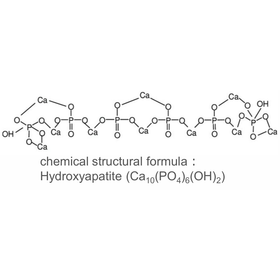
The development of rechargeable batteries employing solid electrolytes has been actively pursued as a route toward safer and more reliable energy storage systems. Among the candidate materials, inorganic electrolytes such as sulfides, as well as polymer electrolytes, have attracted significant attention due to their high lithium-ion conductivity. Beyond ionic transport performance, extensive efforts have been devoted to improving safety, durability, and long-term stability for practical all-solid-state battery applications. Nevertheless, materials that fully satisfy industrial requirements have yet to be realized. Through sustained research efforts, we have developed a new solid electrolyte material that simultaneously addresses lithium-ion conductivity and safety. This advance was achieved by introducing targeted modifications into hydroxyapatite-based materials. While conventional hydroxyapatite exhibits negligible lithium-ion conductivity, the modified material demonstrates a conductivity of approximately 1 mS/cm at room temperature. This result establishes a new pathway toward safer and higher-performance all-solid-state batteries, with promising potential for applications in the automotive and robotics industries.
Added to bookmarks
Bookmarks listBookmark has been removed
Bookmarks listYou can't add any more bookmarks
By registering as a member, you can increase the number of bookmarks you can save and organize them with labels.
Free membership registration
Technology for reusing metal powder used in metal lamination process is attracting attention. One of the conventionally known methods is to mix unused metal powder with recovered metal powder, which is called powder refresh. However, although it is unmelted, some of the recovered metal powder has lost its original composition due to evaporation of highly volatile elements by repeated lamination process. Since powder refresh is not a process to recover the composition of individual particles, further improvement of the reuse method has been required. The present invention devises an apparatus which enables the supply of a specific element more effectively than ever before, as a result of repeated research focusing on the motion of individual particles of metal powder. As a result of detailed observation and examination of the process of friction and collision, a means for supplying a specific element to the surface of individual particles was clarified, and the problem was solved. This enables the construction of a more effective powder regeneration process in laminated molding, and is expected to lead to cost reduction of molded products.
Added to bookmarks
Bookmarks listBookmark has been removed
Bookmarks listYou can't add any more bookmarks
By registering as a member, you can increase the number of bookmarks you can save and organize them with labels.
Free membership registration
The technology to suppress the smoke phenomenon in the metal lamination process of powder bed system is attracting attention. Since the smoke phenomenon inhibits the beam irradiation, the melting of the metal powder becomes insufficient, and the deterioration of the laminated product is caused. To solve this problem, countermeasures such as temporary sintering have been taken, but they are not sufficient, and research and development are continuously carried out. As a result of repeated research focusing on the fact that each metal powder is covered with a thin oxide film, the present invention devised an apparatus capable of suppressing the smoke phenomenon more effectively than ever before. Since the smoke phenomenon is mainly caused by the electrification of each metal powder by the irradiation beam, the problem was solved by pretreating the powder bed. As a result, development of a laminated molding apparatus capable of effectively suppressing the smoke phenomenon and development of an auxiliary apparatus mountable to an existing apparatus are expected.
Added to bookmarks
Bookmarks listBookmark has been removed
Bookmarks listYou can't add any more bookmarks
By registering as a member, you can increase the number of bookmarks you can save and organize them with labels.
Free membership registration
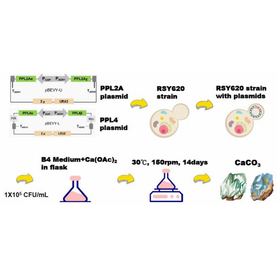
This invention presents a new platform for creating organic-CaCO₃ composite materials with pearl-like multilayer nanostructures using a bio-manufacturing process involving yeast and koji mold. Building on prior research into the bio-mineralization of Pteria penguin pearls, the inventors have successfully expressed the related proteins and enzymes in yeast to produce highly controlled multilayer CaCO₃ crystals. High-Performance Materials :By optimizing the expression of matrix proteins and enzymes, the crystal structure and material properties can be precisely controlled. Sustainability :The fermentation-based production process enables large-scale manufacturing with minimal environmental impact and low cost.
Added to bookmarks
Bookmarks listBookmark has been removed
Bookmarks listYou can't add any more bookmarks
By registering as a member, you can increase the number of bookmarks you can save and organize them with labels.
Free membership registration
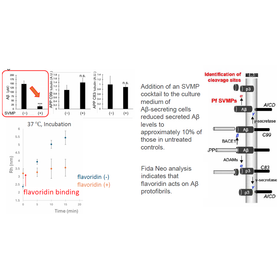
Current Alzheimer’s disease therapies provide only limited cognitive benefit, and there is an unmet need for disease‑modifying drugs that directly reduce amyloid‑β (Aβ) accumulation. The inventors identified habu snake (Protobothrops flavoviridis) venom metalloproteinases (SVMPs), evolutionarily related to non‑amyloidogenic APP‑processing ADAM proteases, as potent Aβ‑degrading enzymes. In vitro, an SVMP cocktail cleaved secreted Aβ at the APP α‑cleavage–equivalent site, converted it to non‑toxic p3 fragments, and reduced Aβ levels in culture medium by about 90%. Among these, the flavoridin‑precursor–derived SVMP targets both monomeric and aggregated Aβ and shows higher substrate selectivity than neprilysin with minimal neuropeptide degradation, supporting its potential as a low‑toxicity, disease‑modifying AD drug lead.
Added to bookmarks
Bookmarks listBookmark has been removed
Bookmarks listYou can't add any more bookmarks
By registering as a member, you can increase the number of bookmarks you can save and organize them with labels.
Free membership registration
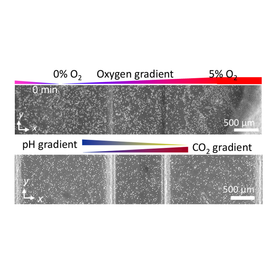
In recent years, concerns about animal welfare have accelerated efforts to reduce animal testing in pharmaceutical and cosmetic development, driving a global shift toward in vitro evaluation methods that better replicate the human body. Microphysiological systems (MPS), which combine microfluidic technology with human cells, are attracting significant attention as next‑generation in vitro evaluation methods capable of reproducing organ‑level physiological functions. The inventors have developed a device capable of independently controlling the two‑dimensional spatial distributions of both oxygen concentration and pH. This invention is expected to facilitate understanding of cellular dynamics in microenvironments with oxygen and pH gradients. For example, by reproducing the hypoxic and low‑pH environment of cancerous tissues, the device enables the evaluation of anticancer drug efficacy and toxicity under conditions that closely mimic the in vivo environment of cancer patients. Beyond these applications, the device is expected to support a broad range of uses as an organ‑on‑a‑chip platform. Since this patent has not yet been published, the specification can be disclosed after the intellectual property agreement is concluded.
Added to bookmarks
Bookmarks listBookmark has been removed
Bookmarks listYou can't add any more bookmarks
By registering as a member, you can increase the number of bookmarks you can save and organize them with labels.
Free membership registration
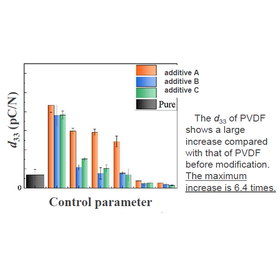
Piezoelectric sensors made of piezoelectric ceramics and polymers have been developed. Among them, polyvinylidene fluoride (PVDF) is a semicrystalline polymer composed of (CH2-CF2) repeating structures. It has attracted attention because of its low cost and excellent flexibility. While further improvement of piezoelectric properties is required, improvement of materials without compromising their flexibility has been studied. However, materials that meet the needs of the industry have not been developed. As a result of repeated research, we succeeded in developing a modified PVDF with significantly improved piezoelectric properties. The development of a new material was made possible by adding additives to the raw material PVDF. We confirmed that the piezoelectric properties of this material were increased without losing the excellent flexibility of the conventional material. This paves the way for the development of more sensitive sensors, which are expected to be applied in the medical device and robot industries.
Added to bookmarks
Bookmarks listBookmark has been removed
Bookmarks listYou can't add any more bookmarks
By registering as a member, you can increase the number of bookmarks you can save and organize them with labels.
Free membership registration
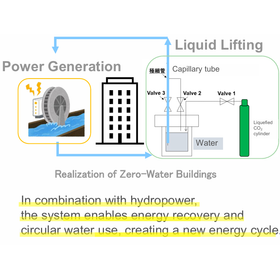
In factories, buildings, hospitals, commercial facilities, and water treatment plants, water is typically pumped to elevated storage tanks, which results in high electricity consumption. To address this issue, the proposed invention introduces a liquid lifting and power generation system that uses high-pressure fluid to increase the internal pressure of a storage chamber, enabling liquid to be transported to higher elevations without conventional pumps. ■Key Features of the Invention ・ Significant reduction in power consumption compared to conventional pumping systems ・ Superior safety and ease of handling compared to methods that use flammable gases

Added to bookmarks
Bookmarks listBookmark has been removed
Bookmarks listYou can't add any more bookmarks
By registering as a member, you can increase the number of bookmarks you can save and organize them with labels.
Free membership registration
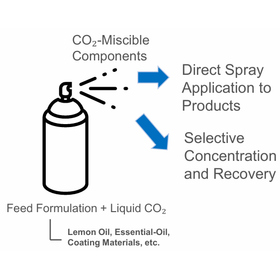
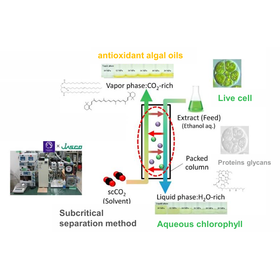
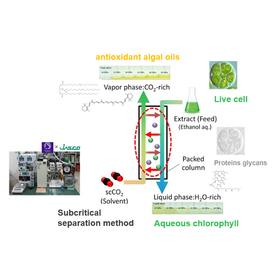
The inventors have developed a subcritical separation technology, which, combined with a newly established method for estimating phase equilibria in a carbon dioxide–ethanol–water ternary solvent system near room temperature, enables the design of efficient extraction conditions for algal oils. This invention proposes a clean extraction technology that mixes subcritical fluids with a feed solution (alcohol–water solution containing algae) to separate a vapor phase enriched in oils and a liquid phase enriched in chlorophyll and pheophorbide. ◎ Enhanced Safety ◎ Suppression of Oxidation and Thermal Degradation ◎ Energy Savings ◎ Low Environmental Impact
Added to bookmarks
Bookmarks listBookmark has been removed
Bookmarks listYou can't add any more bookmarks
By registering as a member, you can increase the number of bookmarks you can save and organize them with labels.
Free membership registration
The inventors have developed a unique subcritical solvent separation method using three green solvents—CO₂, ethanol, and water—to enable safe, eco-friendly production of pharmaceutical and food ingredients. Conventional supercritical and subcritical processes often face slurry freezing and clogging due to adiabatic expansion, reducing productivity and increasing maintenance time and cost. The proposed system prevents these issues by creating a controlled pressure difference between gas and liquid phases in the separation column, enabling a safer and more efficient extraction and manufacturing process. ◎High productivity enabled by continuous separation and collection ◎Handles slurry without clogging, reducing pretreatment time and preventing degradation of target compounds ◎No harmful organic solvents, ensuring safer and cleaner operations
Added to bookmarks
Bookmarks listBookmark has been removed
Bookmarks listYou can't add any more bookmarks
By registering as a member, you can increase the number of bookmarks you can save and organize them with labels.
Free membership registration
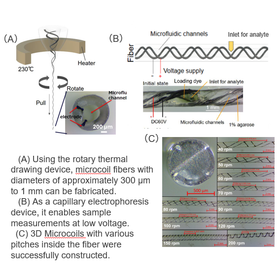
Conventional microfluidic devices are typically fabricated on flat substrates using lithography—a standard semiconductor manufacturing technique. However, this approach is limited by its inability to create three-dimensional or non-planar channel structures, which restricts the functional complexity of the devices. To overcome these limitations, the research team developed a Rotary Thermal Drawing System. This breakthrough equipment enables the production of 3D helical channels and microcoil fibers. Beyond simple fluidics, this technology allows for the integration of electrical components, leading to novel applications such as advanced electrophoresis. Key features of this technology: ・Flexible design is possible: the fiber material (e.g. high‑strength material, elastic materials), diameter size, pitch, shape (liner or spiral), hollow or not, etc. ・Portable size of the equipment: Saving space and easy to handle.
Added to bookmarks
Bookmarks listBookmark has been removed
Bookmarks listYou can't add any more bookmarks
By registering as a member, you can increase the number of bookmarks you can save and organize them with labels.
Free membership registration
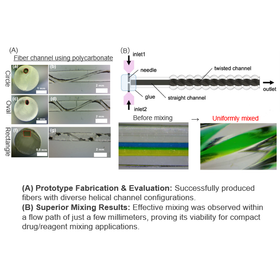
Conventional microfluidic devices are typically manufactured on flat substrates using lithography—a standard semiconductor fabrication technique. However, this traditional approach is largely limited to two-dimensional (planar) channel structures, making it difficult to create complex, three-dimensional fluid paths. To overcome these limitations, the inventors developed a Rotary Thermal Drawing System. This breakthrough device enables the production of hollow spiral microfibers with complex 3D structures. By leveraging this technology, the inventors have successfully designed a highly efficient Micromixer that uses internal helical channels to achieve uniform mixing of fluids, such as chemicals and reagents. Key Technical Advantages: ・Flexible design is possible: the fiber material (e.g. high‑strength material, elastic materials), diameter size, pitch, shape (liner or spiral), hollow or not, etc. ・Portable size of the equipment: Saving space and easy to handle.
Added to bookmarks
Bookmarks listBookmark has been removed
Bookmarks listYou can't add any more bookmarks
By registering as a member, you can increase the number of bookmarks you can save and organize them with labels.
Free membership registration
As semiconductor devices are highly integrated, metal wirings used in semiconductor circuits are becoming hotter and denser. Then, electromigration (EM) damage due to metal fatigue becomes a problem. Conventionally, measures to increase EM strength have been taken by devising wiring structures such as lamination and installation of reservoirs. On the other hand, these measures require many processes and are costly. The present invention has developed a method to suppress EM damage only by performing wiring processing which is simpler and less costly than conventional methods. The present invention is a technology to improve reliability against EM damage by reducing current density flowing through wiring. For applications that have not yet been published, information disclosure and other measures will be taken after a contract including a confidentiality clause is concluded. Please feel free to contact us.
Added to bookmarks
Bookmarks listBookmark has been removed
Bookmarks listYou can't add any more bookmarks
By registering as a member, you can increase the number of bookmarks you can save and organize them with labels.
Free membership registration
This database includes more than 10,000 motion capture entries from 97 performers, 54 from Japan and 43 from Taiwan. It features recordings of 12 emotions-joy, sadness, anger, surprise, fear, disgust, contempt, gratitude, guilt, jealousy, shame, pride, and neutral state. Each emotional category comprises 3 self-prepared personalized scenarios by the performers, at 3 intensity levels: low, middle, and high. Scenarios are provided in Japanese, English, and Chinese, offering detailed context information that illustrates the cultural nuances behind emotional triggers.
Added to bookmarks
Bookmarks listBookmark has been removed
Bookmarks listYou can't add any more bookmarks
By registering as a member, you can increase the number of bookmarks you can save and organize them with labels.
Free membership registration
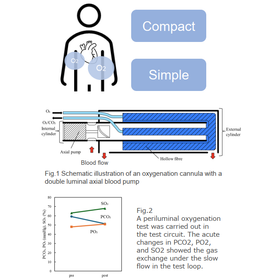
Patients with severe respiratory failure or low oxygen saturation are currently supported by ECMO, but conventional systems are bulky, highly invasive, and require specialized expertise. This system integrates a miniature axial-flow blood pump and a hollow-fiber oxygenation unit within a dual-lumen cannula, allowing blood pumping, oxygenation, and CO₂ removal in a single device. ・ Integrated pump and oxygenator: No additional artificial lung needed ・ Single-port percutaneous insertion: Femoral or jugular access reaching the right atrium ・ Recirculation control: Flow rate and oxygenation optimized via pump speed ・ Low-flow gas exchange proven: Effective oxygenation and CO₂ removal demonstrated at 0.2 mL/min
Added to bookmarks
Bookmarks listBookmark has been removed
Bookmarks listYou can't add any more bookmarks
By registering as a member, you can increase the number of bookmarks you can save and organize them with labels.
Free membership registration
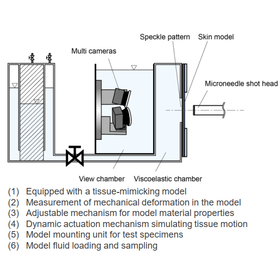
Microneedles deliver drugs by coating or loading therapeutic agents onto fine needles that penetrate tissues and release the drug in a minimally invasive manner. However, pharmacokinetic evaluations have so far relied on the assumption that sufficient drug amounts were successfully administered to achieve therapeutic effect. This has limited the quantitative assessment of safety and efficacy. Our system enables quantitative evaluation of microneedle penetration behavior—such as penetration depth, direction, and the range of affected tissue—within a simulated skin environment that can reproduce mechanical properties like pulsation and viscoelasticity. These features allow realistic replication of the dynamic interactions that occur during microneedle insertion. Using stereo camera–based measurements, the system captures both the physical penetration process and the dynamic deformation of the target with high precision.
Added to bookmarks
Bookmarks listBookmark has been removed
Bookmarks listYou can't add any more bookmarks
By registering as a member, you can increase the number of bookmarks you can save and organize them with labels.
Free membership registration
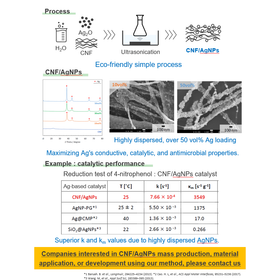
Cellulose nanofiber (CNF) and silver nanoparticle (AgNPs) composites serve as excellent dispersible carriers that maximize silver’s conductivity, catalytic activity, and antimicrobial performance. CNF, being plant-derived and environmentally friendly, also aligns with SDG goals. Conventional wet reduction methods, however, generate wastewater and require washing steps, leading to environmental issues and complex processing. This invention introduces an ultrasonication-based method that both disperses CNF uniformly and reduces silver oxide to form CNF/AgNPs composites without harmful reagents. The simple, waste-free process offers higher silver loading and better silver dispersion than conventional methods, enhancing silver’s inherent properties.
Added to bookmarks
Bookmarks listBookmark has been removed
Bookmarks listYou can't add any more bookmarks
By registering as a member, you can increase the number of bookmarks you can save and organize them with labels.
Free membership registration
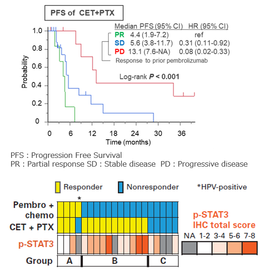
For patients with platinum-sensitive recurrent or metastatic head and neck squamous cell carcinoma (HNSCC), first-line therapy usually involves pembrolizumab (an immune checkpoint inhibitor; ICI) with chemotherapy (5-FU plus cisplatin/carboplatin), or pembrolizumab alone for PD-L1–positive cases defined by the combined positive score (CPS). As a second-line option, cetuximab (anti-EGFR antibody) plus paclitaxel (CET+PTX) is commonly used. Our study revealed a mutually exclusive correlation between responses to first-line pembrolizumab and second-line CET+PTX. Comprehensive gene expression analyses identified key biomarkers linked to this correlation. This diagnostic approach allows prediction of each therapy’s efficacy in individual patients by measuring these biomarkers.
Added to bookmarks
Bookmarks listBookmark has been removed
Bookmarks listYou can't add any more bookmarks
By registering as a member, you can increase the number of bookmarks you can save and organize them with labels.
Free membership registration
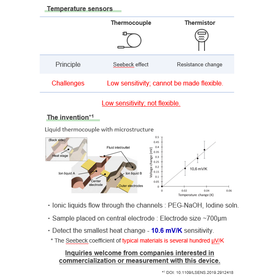
In biotechnology and healthcare, it is crucial to detect small temperature changes and heat generation with high sensitivity. This invention achieves remarkable temperature sensitivity by using ionic liquids with a high Seebeck coefficient in thermocouples, far surpassing conventional solid-state materials. The device employs a microfluidic chip, allowing the liquids to be physically separated but electrically connected, enabling flexible sensor structures. This system makes it possible to conduct ultra-sensitive temperature measurements even on curved and irregular surfaces, expanding the practical utility of temperature sensing well beyond what is possible with traditional solid-state sensors.
Added to bookmarks
Bookmarks listBookmark has been removed
Bookmarks listYou can't add any more bookmarks
By registering as a member, you can increase the number of bookmarks you can save and organize them with labels.
Free membership registration
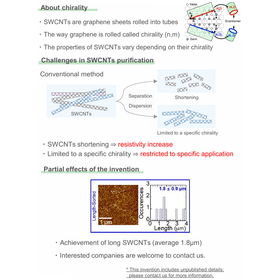
Single-walled carbon nanotubes (SWCNTs) are regarded as promising materials for next-generation electronics owing to their unique optical, electronic, and mechanical properties. Conventional synthesis methods such as laser ablation and arc discharge create SWCNTs with a broad mixture of chiralities, resulting in inconsistent device performance. Polymer wrapping and density gradient ultracentrifugation (DGU) are widely used for chirality separation, but polymer wrapping is limited to certain chiralities and DGU tends to shorten nanotube length, increasing resistance in electronic devices. We have developed a new dispersion and purification method that enables efficient separation of a wide variety of SWCNT chiralities—including enantiomers—while preserving tube length. The resulting high-purity, long SWCNTs allow the realization of advanced devices with high speed and sensitivity, expanding the possibilities for practical applications in electronics and sensing technologies.
Added to bookmarks
Bookmarks listBookmark has been removed
Bookmarks listYou can't add any more bookmarks
By registering as a member, you can increase the number of bookmarks you can save and organize them with labels.
Free membership registration
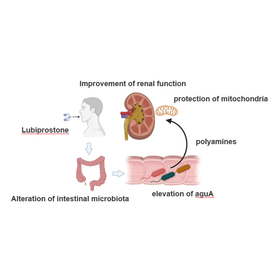
Chronic kidney disease (CKD) is a major global health issue without any drugs that improve kidney function. Previous mouse experiments showed that lubiprostone, a constipation drug, reduces uremic toxin accumulation by improving the intestinal environment altered by kidney decline, thus inhibiting kidney damage progression 1. A phase II clinical trial was conducted to test lubiprostone's effects on kidney function in patients. Results revealed dose-dependent suppression of kidney function decline (eGFR) in lubiprostone-treated patients compared to placebo. Further analysis showed lubiprostone improves kidney mitochondrial function by modulating the gut microbiota and increasing spermidine production, which enhances mitochondrial activity and provides kidney protection.
Added to bookmarks
Bookmarks listBookmark has been removed
Bookmarks listYou can't add any more bookmarks
By registering as a member, you can increase the number of bookmarks you can save and organize them with labels.
Free membership registration
Traditionally, a specialist determines the epileptogenic area (EZ) to be removed during epilepsy surgery by comprehensively judging the results of EEG, CT and MRI, SPECT and PET. Conventional methods are challenged by (1) low accuracy, (2) the length of the examination period (which requires at least one week), and (3) the high burden on the patient (two surgeries, the installation of an electroencephalograph and the removal of EZ). The present invention can estimate the seizure origin (SOZ) and EZ with high accuracy and speed without waiting for an epileptic seizure by analyzing the high-frequency electroencephalogram during the interictal period. Specifically, since EZ can be precisely determined in about 30 minutes after the installation of the electroencephalograph (electrode), it is theoretically possible to determine and remove EZ in a single operation, greatly reducing the patient's burden. It is expected that real-time EEG analysis software based on the present invention will be developed and implemented in EEG equipped with the software.
Added to bookmarks
Bookmarks listBookmark has been removed
Bookmarks listYou can't add any more bookmarks
By registering as a member, you can increase the number of bookmarks you can save and organize them with labels.
Free membership registration
Immune checkpoint inhibitors (ICIs) offer lasting treatment efficacy and improved survival for cancer patients, but positive responses are limited to select individuals and treatment costs are high, highlighting the need to predict benefit before therapy. Current predictive methods like PD-L1 testing mainly measure local tumor tissue expression and fail to fully assess systemic immunity. Researchers examined blood lysophosphatidylcholine (LPC) levels and clinical outcomes after ICI therapy in squamous cell carcinoma patients. They found that those with higher LPC had significantly prolonged survival post-ICI compared to those with lower levels. Because LPC is measurable in blood samples, it reflects systemic immune status and reduces patient burden by eliminating biopsies. This finding supports developing new clinical tests for predicting ICI effectiveness.
Added to bookmarks
Bookmarks listBookmark has been removed
Bookmarks listYou can't add any more bookmarks
By registering as a member, you can increase the number of bookmarks you can save and organize them with labels.
Free membership registration
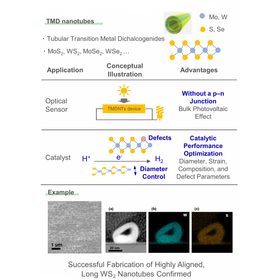
Chiral materials absorb right- and left-circularly polarized light differently (circular dichroism). Optical vortices, however, carry orbital angular momentum; their topological charge l can take unlimited integer values (±1, ±2, ±3, …). Using this richer degree of freedom enables material characterization, chirality discrimination, and a new measurement modality (“optical-vortex dichroism”) beyond conventional circular dichroism. Conventional vortex generators are limited to low-frequency modulation, leading to high noise and poor S/N. The invention engineers the optical system to achieve left–right vortex modulation at high frequency, reducing noise. We demonstrate detection of the “geometric twist” in twisted gold nanorod dimers (TND: paired, twisted nanoscale rods), suggesting defect detection in fine metallic wiring and applications in semiconductor, MEMS, and metamaterial inspection, as well as discovering new properties and enabling chirality identification.
Added to bookmarks
Bookmarks listBookmark has been removed
Bookmarks listYou can't add any more bookmarks
By registering as a member, you can increase the number of bookmarks you can save and organize them with labels.
Free membership registration
Cellulose nanofibril (CNF) is a highly crystalline microfibril derived from wood fiber. It is an environmentally friendly innovative material with excellent mechanical properties such as light weight, high strength, and low thermal expansion. Owing to these characteristics, it is expected to be applied to automotive components, electronic devices, gas barrier materials, and medical materials. A technology to fabricate single filaments composed of CNF has been also developed, and long filaments with high strength have been obtained. Based on the previously obtained knowledges and established methodology, functional materials using CNF have been developed in various fields, including the present invention relates to the fabrication of hydrogels. There are several hydrogel fabrication methods such as using electrophoresis and freeze-crosslinking, however, they were not suitable for mass production, and a new method was anticipated. As a result of intensive research, a method for precisely controlling the CNF orientation and the internal structure of hydrogels was developed, which realizes the contamination-free and high-strength hydrogels. It was found that the strength of gels can be designed from isotropic to anisotropic by tuning the fabrication conditions.
Added to bookmarks
Bookmarks listBookmark has been removed
Bookmarks listYou can't add any more bookmarks
By registering as a member, you can increase the number of bookmarks you can save and organize them with labels.
Free membership registration
Jaw and maxillofacial surgeries require precise alignment of the skull and jawbones, which demands highly accurate support tools. Existing surgical navigation systems (NS) are optical, and while they can display, for example, the name of the area being imaged by an endoscopic camera, they are not suitable for alignment during surgery. On the other hand, there is existing technology for magnetic NS for brain imaging, and it is applied on the premise of obtaining highly accurate CT images. However, in the dental field, issues arise, such as unclear CT images when metal prostheses are present, and difficulty in obtaining CT images during surgery. This invention provides a magnetic surgical NS that can overcome these limitations. 【 Key Features 】 ・Linked to preoperative planning: Target fixture position and orientation can be set on a 3D bone model generated from CT or digital scan data ・Outstanding usability: Real-time tracking, 3D coordinate axes for both target and actual positions, guidance for aligning multiple bone segments ・High accuracy: Overlap-based visualization allows intuitive alignment with submillimeter precision (within 1 mm) (Ref. 1) ・Clear surgical view: Magnetic system avoids light obstruction, with a compact design that doesn’t interfere with the procedure
Added to bookmarks
Bookmarks listBookmark has been removed
Bookmarks listYou can't add any more bookmarks
By registering as a member, you can increase the number of bookmarks you can save and organize them with labels.
Free membership registration
Currently, molybdenum alloys are formed by extrusion of powder sintered bodies due to their high melting point. Therefore, cutting is required in order to form complex shapes, which increases the manufacturing cost. In addition, if a body is formed by the powder sintering, the strength is decreased. In this invention, light / high strength / high heat resistance molybdenum alloys can be easily fabricated by the melting and casting method, which can be applied for complex shapes. New molybdenum alloys with melting point below 2000℃.
Added to bookmarks
Bookmarks listBookmark has been removed
Bookmarks listYou can't add any more bookmarks
By registering as a member, you can increase the number of bookmarks you can save and organize them with labels.
Free membership registration
It has been reported that reduction or deletion of Langerhans β cells (hereafter β cells) in pancreatic islet occurs not only in type 1 diabetes but also in type 2 diabetes. Therefore, regeneration or promotion of β cells has been proposed as a promising treatment for diabetes. Recently, it has been shown that the transplantation of bone marrow cells promotes the proliferation of β cells. However, the mechanism is not clear. The present invention relates to nucleic acid molecules that promote the proliferation of β cells. Said molecules increased insulin secretion and decreased blood glucose levels in animal model (right figure and related literature) in vivo. In combination with drug delivery systems, it is expected to establish a novel treatment for diabetes.
Added to bookmarks
Bookmarks listBookmark has been removed
Bookmarks listYou can't add any more bookmarks
By registering as a member, you can increase the number of bookmarks you can save and organize them with labels.
Free membership registration
It happens that some food are mistaken by elders and then drop into their lungs. Some times it leads to serious pneumonia and thus becomes to be problematic for home/facility medical care for elders. This invention provides a non-contact quantitative analysis device to evaluate the swallowing function of elders by monitoring the movement of neck surface. Also, the device is useful to evaluate objectively if the food is delicious and if elders can swallow the food smoothly.
Added to bookmarks
Bookmarks listBookmark has been removed
Bookmarks listYou can't add any more bookmarks
By registering as a member, you can increase the number of bookmarks you can save and organize them with labels.
Free membership registration
Liquid quenching method and atomization method are known as conventional methods of producing amorphous particles. However, the amorphous particle size obtained by these methods is relatively large and it has been difficult to obtain nanometer order amorphous nanoparticles, including amorphous tissue. Although chemical and arc plasma discharge methods are known to produce metal nanoparticles, the application of those methods are not easy due to the formation of secondary particles and segregation. Furthermore, it is also difficult to obtain large quantities of nanoparticles. This invention is able to provide amorphous nanoparticles, its production method with excellent dispersibility at relatively low temperatures, and amorphous nanoparticle dispersions. This invention includes the process of obtaining a dispersion with a solid-state metal comprising an alloy and a reducing dispersant, and the process of irradiating the dispersion with ultrasound in order to obtain amorphous nanoparticles containing an amorphous structure from the solid-state metal.
Added to bookmarks
Bookmarks listBookmark has been removed
Bookmarks listYou can't add any more bookmarks
By registering as a member, you can increase the number of bookmarks you can save and organize them with labels.
Free membership registration
As a acoustic speaker, a dynamic speaker using electromagnetic force (electrodynamic speaker) is used in many cases. In the dynamic speaker, as strong force is required, regarding a small speaker such as an earphone, in particular, the inertial force of the diaphragm is increased relatively, causing a problem of increased deviation between the electrical signal and the vibration. An electrostatic speaker has been used to solve the foregoing problem. However, in the conventional electrostatic speakers, one or a plurality of holes is required to be formed at each fixed electrode in order to transmit an acoustic wave generated by the vibration of the diaphragm to the outside.This causes a problem that dust, water, moisture, etc. are likely to come in. This invention solves mentioned problems by its new structure.
Added to bookmarks
Bookmarks listBookmark has been removed
Bookmarks listYou can't add any more bookmarks
By registering as a member, you can increase the number of bookmarks you can save and organize them with labels.
Free membership registration
Conventional Hall sensors (a type of magnetic-field sensors) rely on highly crystalline semiconductors such as GaAs and InSb that show the large ordinary Hall effect. However, the requirements for low carrier density and high mobility impose strong constraints on the fabrication processes and conditions. Also, their strong Tdependent electrical properties must be cancelled out with additional ICs to achieve Hall sensor operation over a wide practical T range. This invention describes a ferromagnetic Fe-Sn alloy, which can work as a superior Hall sensor material owing to the large anomalous Hall effect. This novel material offers many technological advantages including cheap and non-toxic ingredients, the roomtemperature growth on various substrates, and high sensitivity and thermal stability.
Added to bookmarks
Bookmarks listBookmark has been removed
Bookmarks listYou can't add any more bookmarks
By registering as a member, you can increase the number of bookmarks you can save and organize them with labels.
Free membership registration
Ultraviolet nanoimprint lithography (UV-NIL) have attracted attention as an industrially acceptable nanofabrication technology from views of cost and throughput; However, the use of spincoated films of photo-curable resin on substrates causes the problems of burr generation arising from mold edges and unleveled residual layers arising from site-selective differences in pattern densities of mold surfaces. The problems make subsequent lithography processes impossible. This optical nanoimprinting method consists of micro-scale laser-drilled screen printing and nano-scale molding. High-viscosity photo-curable resins with 1-300 Pa・s can be placed by screen printing using a polyimide sheet having through poles which are fabricated by laser drilling using a picosecond pulsed laser. The minimum volume of a printed droplet is 5 fL (10-15L). The resist patterns and resultant silicon patterns with 45-nm-linewidths are fabricated.
Added to bookmarks
Bookmarks listBookmark has been removed
Bookmarks listYou can't add any more bookmarks
By registering as a member, you can increase the number of bookmarks you can save and organize them with labels.
Free membership registration
PTFE (Polytetrafluoroethylene) particles are industrially important particles used for many purposes. They are often used with their surfaces coated with dispersants and dispersed in water. Fluorinated dispersants are used as dispersant, but there is a strong concern about its bioaccumulation and environmental persistence, and it is necessary to find an alternative agent that doesn’t use fluorine. This invention is about a non-fluorinated dispersant that can disperse PTFE in water.
Added to bookmarks
Bookmarks listBookmark has been removed
Bookmarks listYou can't add any more bookmarks
By registering as a member, you can increase the number of bookmarks you can save and organize them with labels.
Free membership registration