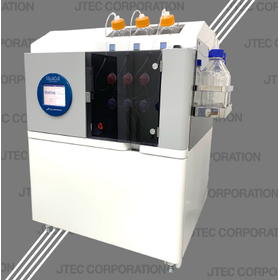
Hokkaido Univ. Technology : Gel for Rapid Induction of Cancer Stem Cells:HK24-014

Rapid Production of Cancer Stem Cells Driving Tumor Recurrence to Accelerate Cancer Research.
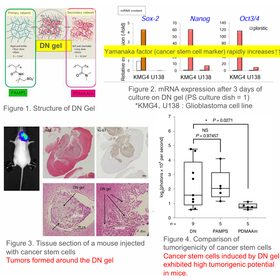
The average cancer recurrence rate is approximately 20%. For aggressive cancers, the recurrence rate within five years can be as high as 70%. Cancer stem cells, known for their resistance to radiation and drug therapies, are considered a key cause of recurrence. Recently, drug discovery research targeting cancer stem cells has attracted significant attention. However, the extremely low abundance of these cells within tumor tissues presents a major challenge for research. Several methods have been proposed to induce cancer stem cells from cancer cells. However, all require high culture costs and long induction times, making them impractical for clinical application. The present invention relates to a method of inducing cancer stem cells within 24 hours by culturing cancer cells on a double-network hydrogel (DN gel) without the use of drugs or genetic manipulation. Cancer stem cells induced by this method show increased expression of stem cell marker genes and exhibit tumor-forming ability even when injected in small numbers into mice. By enabling simple and rapid production of cancer stem cells, this method is expected to accelerate the development of cancer therapies. These therapies aim to achieve fundamental cures by preventing recurrence and metastasis.
Inquire About This Product
basic information
For details, please contact us or refer to the PDF.
Price range
Delivery Time
Applications/Examples of results
For details, please contact us or refer to the PDF.
catalog(1)
Download All Catalogs
Company information
The revenue generated from technology transfer is reinvested as new research funding for universities and researchers, and is utilized to create further research outcomes. To ensure the smooth operation of this cycle, known as the "Intellectual Creation Cycle," we will vigorously promote technology transfer. The types of seeds we handle include patents, know-how, databases, and programs. We have established a collaborative framework by signing basic technology transfer agreements with the following universities (as of June 1, 2025): Tohoku University, Hirosaki University, Iwate University, Akita University, Fukushima University, Yamagata University, Tohoku Gakuin University, Iwate Medical University, Fukushima Medical University, Aizu University, Miyagi University, Hokkaido University, Muroran Institute of Technology, and Showa Medical University.