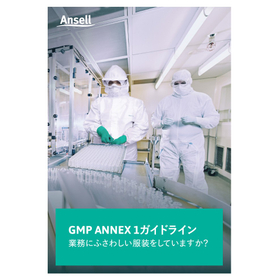
Technical Information: What are the differences between anti-static, ESD, and ATEX compliant gloves?

By understanding the mechanism of static electricity and selecting protective gloves that can respond appropriately, let's ensure the safety of workers.
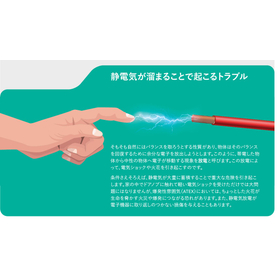
Winter is a season when dryness increases, raising the risk of static electricity. To correctly understand the situations in which static electricity occurs and the associated risks, as well as to choose appropriate protective glove products, this guide explains the following contents: - The differences between ESD gloves, anti-static gloves, and ATEX-compliant gloves - The risks of electrostatic discharge, particularly in explosive atmospheres (ATEX), and the importance of prevention - The EN 16350 standard for selecting products to ensure safety in ATEX environments
Inquire About This Product
basic information
Please refer to the PDF.
Price range
Delivery Time
Applications/Examples of results
Please refer to the PDF.
catalog(1)
Download All Catalogs
Company information

Ansell supports the safety of over 10 million people in more than 100 countries around the world, accumulating extensive experience, transparent data, and know-how through the provision of protective gloves, protective clothing, and solutions in various environments. Based on this, we anticipate our customers' needs and provide products and services that predict, prevent, and protect against risks in the workplace, thereby supporting the realization of a safe and sustainable work environment. In addition to Ansell's core brands such as HyFlex, BioClean, MICROFLEX, and AlphaTec, we will acquire Kimberly-Clark's personal protective equipment (KCPPE) business in 2024, adding the KIMTECH brand to our lineup. This will enable us to meet the increasingly diverse and sophisticated needs of customers in industries such as pharmaceuticals and semiconductor manufacturing.
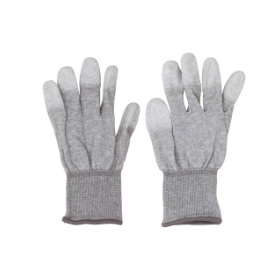
![[Video] Example of Work: "Electro Mesh Gloves" to Prevent Static Electric Shock](https://image.mono.ipros.com/public/product/image/2a1/2000151347/IPROS946700770250472253.jpg?w=280&h=280)

![[Presentation of Materials on Static Electricity Prevention] Static Electricity Prevention Gloves](https://image.mono.ipros.com/public/product/image/4c0/2001513063/IPROS3223971709069190404.jpg?w=280&h=280)