Providing an inexpensive solid electrolyte that can be applied to solid-state batteries
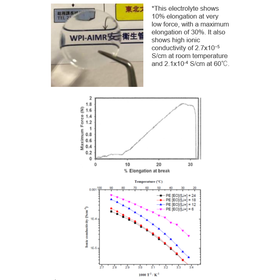
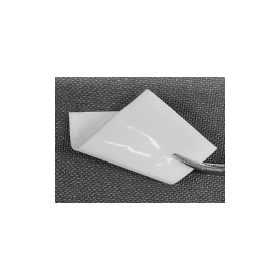
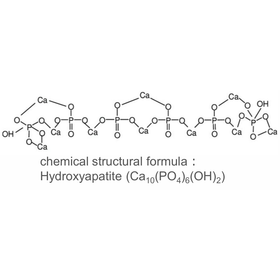
The development of rechargeable batteries employing solid electrolytes has been actively pursued as a route toward safer and more reliable energy storage systems. Among the candidate materials, inorganic electrolytes such as sulfides, as well as polymer electrolytes, have attracted significant attention due to their high lithium-ion conductivity. Beyond ionic transport performance, extensive efforts have been devoted to improving safety, durability, and long-term stability for practical all-solid-state battery applications. Nevertheless, materials that fully satisfy industrial requirements have yet to be realized. Through sustained research efforts, we have developed a new solid electrolyte material that simultaneously addresses lithium-ion conductivity and safety. This advance was achieved by introducing targeted modifications into hydroxyapatite-based materials. While conventional hydroxyapatite exhibits negligible lithium-ion conductivity, the modified material demonstrates a conductivity of approximately 1 mS/cm at room temperature. This result establishes a new pathway toward safer and higher-performance all-solid-state batteries, with promising potential for applications in the automotive and robotics industries.
Inquire About This Product
basic information
For details, please contact us or refer to the PDF.
Price range
Delivery Time
Applications/Examples of results
For details, please contact us or refer to the PDF.
catalog(1)
Download All Catalogs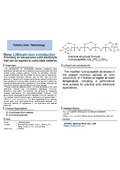
Company information
The revenue generated from technology transfer is reinvested into universities and researchers as new research funding, which is used to create further research outcomes. To ensure the smooth operation of this cycle, known as the "Intellectual Creation Cycle," we will actively promote technology transfer. The types of seeds we handle include patents, know-how, databases, and programs. We have established a collaborative framework by concluding basic technology transfer agreements with the following universities (as of April 1, 2026): - Tohoku University - Hirosaki University - Iwate University - Akita University - Fukushima University - Yamagata University - Tohoku Gakuin University - Iwate Medical University - Fukushima Medical University - Aizu University - Miyagi University - Hokkaido University - Muroran Institute of Technology - Showa Medical University - Asahikawa Medical University