
List of Manufacturing and processing machinery products
- classification:Manufacturing and processing machinery
226~270 item / All 102080 items


It won't break even after 1 million repetitions! A mat switch with reliable operation, high durability, and low price. Suitable for options in machine tools as well. Please consult us about delivery t...
- Sensors


We can accommodate high resistance over 10,000 ohms, with diameters ranging from approximately 30 mm to 8 inches, and we also offer thinning and chip processing arrangements!
- Other semiconductors
- Processing Contract
- Wafer
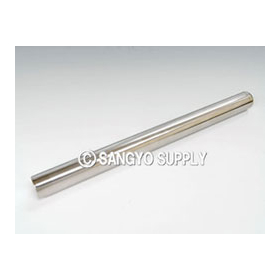

Strongly remove foreign matter contamination in plastic molding and suppress the occurrence of defective products.
- Other mounting machines
- Piping Materials
- Other powder equipment
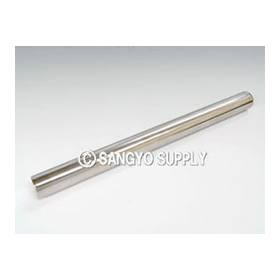
It reduces the risk of contamination by iron powder and metal fragments in pharmaceutical manufacturing.
- Other mounting machines
- Piping Materials
- Other powder equipment
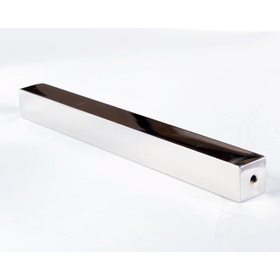
We will reduce the risk of foreign matter contamination in supplement manufacturing.
- Other powder equipment
- Food environmental hygiene/contamination prevention equipment
- Resin processing machine
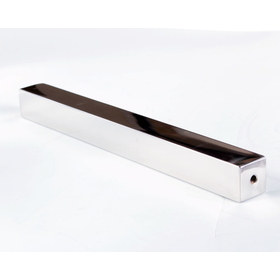
Reduce foreign matter contamination risks in seafood processing! Magnet bars for quick delivery.
- Other powder equipment
- Food environmental hygiene/contamination prevention equipment
- Resin processing machine

For improving the quality of ink manufacturing. Adsorbs and removes iron powder with high magnetic force.
- Other mounting machines
- Piping Materials
- Other powder equipment

Protect the quality of the paint! Strongly adsorb and remove fine iron powder and metal particles.
- Other mounting machines
- Piping Materials
- Other powder equipment

Reduce the risk of iron powder and metal fragments contamination in feed manufacturing.
- Other mounting machines
- Piping Materials
- Other powder equipment
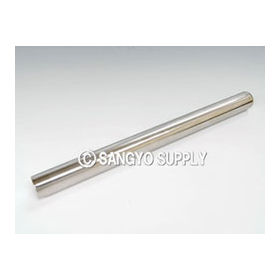
We strongly eliminate foreign matter contamination in pharmaceutical manufacturing to ensure quality.
- Other mounting machines
- Piping Materials
- Other powder equipment
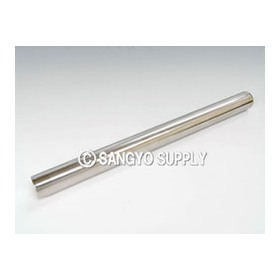
Strongly remove foreign substances in the manufacturing process of cosmetics.
- Other mounting machines
- Piping Materials
- Other powder equipment
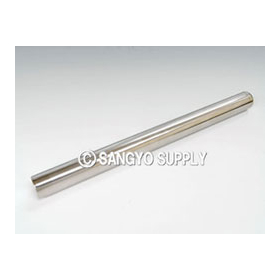
Strongly eliminate foreign matter contamination in the manufacturing of medical devices.
- Other mounting machines
- Piping Materials
- Other powder equipment
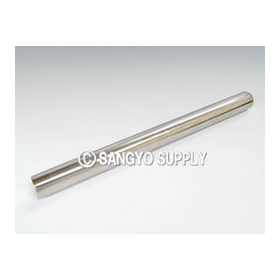
Contributes to improving the durability of infrastructure facilities. Effectively removes foreign substances.
- Other mounting machines
- Piping Materials
- Other powder equipment
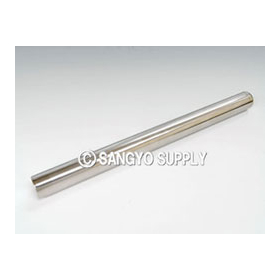
Adsorbs fine iron powder with high magnetic force! Protects the quality of electronic components.
- Other mounting machines
- Piping Materials
- Other powder equipment
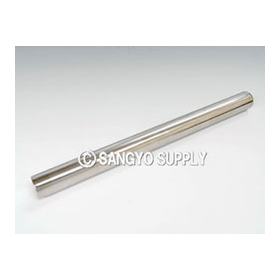
Prevent foreign matter contamination in coatings to improve quality and productivity.
- Other mounting machines
- Piping Materials
- Other powder equipment
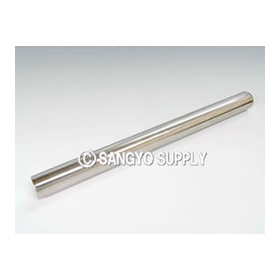
Measures against foreign matter contamination in the papermaking process. Adsorbs iron powder and metal fragments with high magnetic force.
- Other mounting machines
- Piping Materials
- Other powder equipment
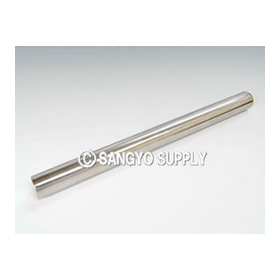
Improving the safety of feed! Strong removal of fine iron powder.
- Other mounting machines
- Piping Materials
- Other powder equipment
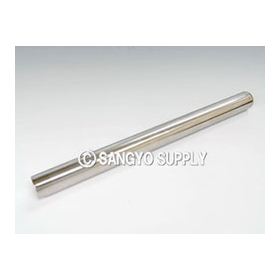
Contributes to improving the quality of the recycling process. Effectively removes iron powder and metal fragments.
- Other mounting machines
- Piping Materials
- Other powder equipment
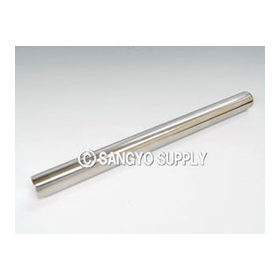
Protecting food safety! Strongly remove iron powder and metal fragments with high magnetic force magnet bars.
- Other mounting machines
- Piping Materials
- Other powder equipment
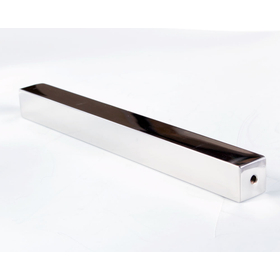
Reduce the risk of foreign matter contamination in frozen foods! Magnet bars with short delivery times.
- Other powder equipment
- Food environmental hygiene/contamination prevention equipment
- Resin processing machine

Prevent foreign matter contamination in food! Remove fine iron powder with high magnetic force.
- Other mounting machines
- Piping Materials
- Other powder equipment
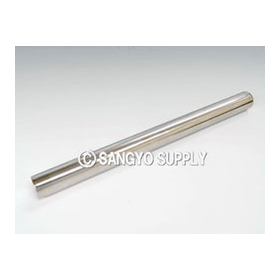
We will prevent foreign matter contamination in pharmaceutical manufacturing and strengthen quality control.
- Other mounting machines
- Piping Materials
- Other powder equipment
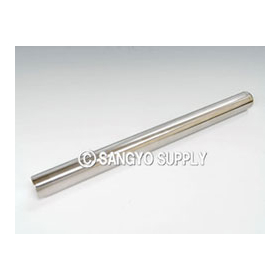
Protect the quality of rubber products! Strongly remove iron powder and metal fragments with a high magnetic force magnet bar.
- Other mounting machines
- Piping Materials
- Other powder equipment
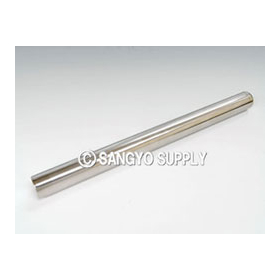
Measures against foreign matter contamination in the mineral sorting process. Strong removal of iron powder and metal fragments with high magnetic force.
- Other mounting machines
- Piping Materials
- Other powder equipment
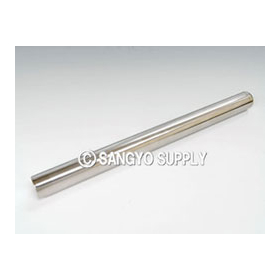
For the removal of iron powder from ceramic materials. It contributes to the production of high-quality products.
- Other mounting machines
- Piping Materials
- Other powder equipment
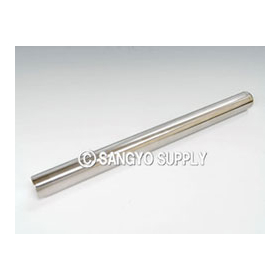
Strongly remove foreign matter contamination in plastic molding and reduce molding defects.
- Other mounting machines
- Piping Materials
- Other powder equipment
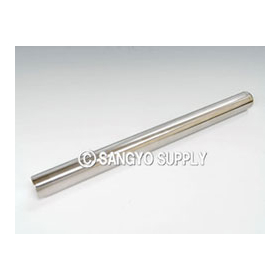
Strongly remove foreign substances in food manufacturing and improve product safety.
- Other mounting machines
- Piping Materials
- Other powder equipment
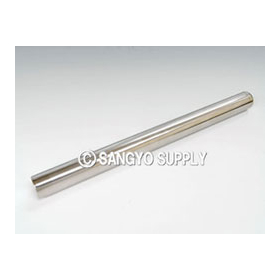
Protecting the quality of automotive parts! Strongly removing foreign substances.
- Other mounting machines
- Piping Materials
- Other powder equipment
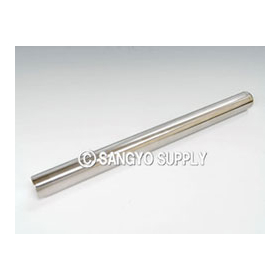
Contributes to improving the yield of electronic components. Effectively removes foreign substances.
- Other mounting machines
- Piping Materials
- Other powder equipment
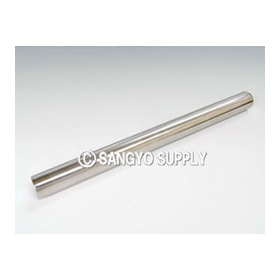
Protecting toy safety! Strongly removing foreign substances.
- Other mounting machines
- Piping Materials
- Other powder equipment
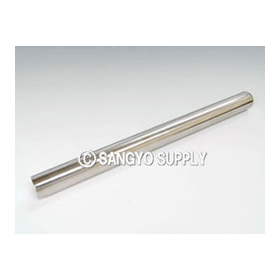
Strongly remove foreign matter contamination in packaging material manufacturing.
- Other mounting machines
- Piping Materials
- Other powder equipment
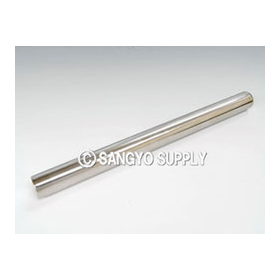
Protecting the quality of home appliances! Strongly removing foreign substances.
- Other mounting machines
- Piping Materials
- Other powder equipment
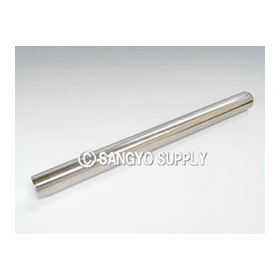
We will strongly remove foreign substances from agricultural materials to protect product quality.
- Other mounting machines
- Piping Materials
- Other powder equipment
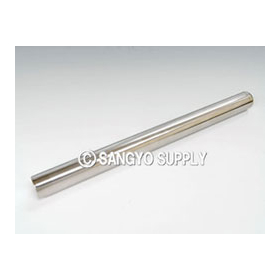
We will strongly eliminate foreign substances in the manufacturing of daily necessities and protect quality.
- Other mounting machines
- Piping Materials
- Other powder equipment


Filter element consisting of a renewable pleated filter mesh, external guard, and end cap.
- Other food machinery
- Filtration Filter
- Filtration Equipment
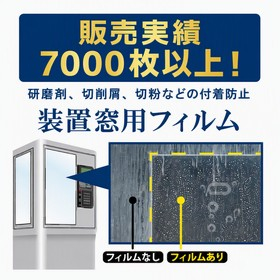

Prevents the adhesion of abrasives and chips, as well as scratches. Visibility is improved, and cleaning time is reduced. Effective even during operation.
- others
- Grinding Machine
- Flat/Shaped/Vertical Cutting Machine

With heat and wear resistance, it endures harsh environments toughly.
- Contract manufacturing
- Processing Contract
- Surface treatment contract service
For surface protection of deformed metal and resin parts.
- Contract manufacturing
- Processing Contract
- Surface treatment contract service
Non-stick and low friction provided in one coat.
- Contract manufacturing
- Processing Contract
- Surface treatment contract service
Continues to provide long-lasting lubrication even in harsh sliding parts.
- Contract manufacturing
- Processing Contract
- Surface treatment contract service

For components that require lubrication even in high-load environments.
- Contract manufacturing
- Processing Contract
- Surface treatment contract service
When high-temperature baking of fluororesin coating is not possible.
- Contract manufacturing
- Processing Contract
- Surface treatment contract service
Compatible with medical devices, ideal for insulation in high-temperature environments.
- Contract manufacturing
- Processing Contract
- Surface treatment contract service