
List of Lubricants products
- classification:Lubricants
271~315 item / All 1719 items


We provide manufacturing technology for neutralization, esterification, sulfonation, phosphorylation, polycondensation reactions, powder mixing, emulsification, and dispersion, etc. *We can also handl...
- Contract manufacturing

Do you have any concerns about contract manufacturing of various chemical products?
We would like to introduce the contract manufacturing services provided by Riten Chemical Co., Ltd. We are a chemical manufacturer based in Kyoto with 70 years of experience. Since our establishment, we have been developing, manufacturing, and selling various surfactants used in the textile and paper industries. Based on the technology and development capabilities we have cultivated over the years, we accept contract manufacturing of various chemical products, so please feel free to contact us. 【Contract Manufacturing Achievements】 ■ Construction waterproofing agents ■ Plant growth promoters ■ Construction waterproofing materials ■ Greening-related agents ■ Chemicals for the electronics industry ■ Wastewater treatment agents ■ Industrial preservatives ■ Special surfactants... We provide more detailed information through related products and catalogs.


Heat resistant up to 1200℃. We will custom-make high-performance insulation covers that ensure safety in the working environment!


- Glass


A long-life engine oil compatible with fuel-efficient vehicles that uses fully synthetic base oil and meets the latest API standard "SQ" and ILSAC standard "GF-7."
- Lubricants
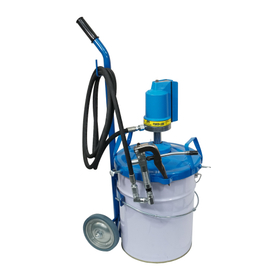

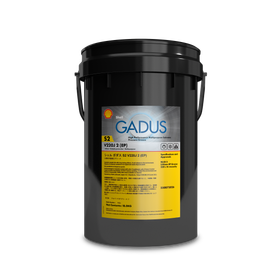
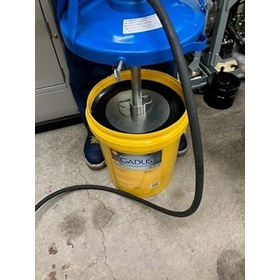
"Power Lube P3-01JL" lubricator compatible with Shell Gadus products.
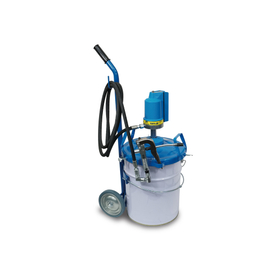
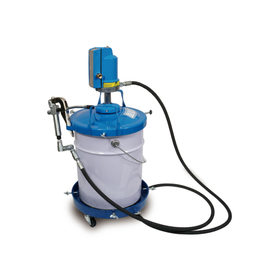
- Other pumps
- Lubricants


Reduce CO2 emissions with bio lubricant "Eight Oil".
- Lubricants
- Cutting Oil
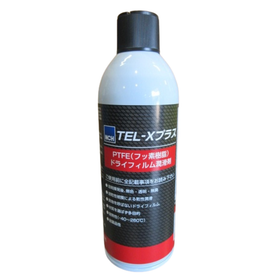

It is a dry type solid lubricant mainly composed of PTFE (fluororesin).
- Lubricants
- Lubricants and additives


Using plant-derived materials! It is a type of aliphatic diester that is gaining attention as an alternative to petrochemical-derived products.
- Lubricants
- Lubricants and additives
- Solubilizer


Essential for food factories! Grease for food machinery that withstands harsh operating environments!
- Lubricants

It is a safe oil that is safe to touch food with, thanks to its high safety rating of NSF 3H!
- Lubricants


Prevents grease separation and air intrusion, allowing for the application of grease and oil in precise liquid amounts. Individual application at up to 8 locations is also possible! *Proven results in...
- Other pumps
- Special Pump
- Lubricants


Various contents are included, ranging from the basics of lubricants, greases, and anti-seizing oils to practical applications and management methods! Solutions to problems are also provided.
- Lubricants


Even beyond 800℃, the release performance remains unwavering. A high-temperature dedicated lubricant that prevents seizure.
- Lubricants
- Plastic Mould
- Mold

The real reason why "maintenance frequency does not decrease" in high-temperature environments and the shortest route to take on-site (with checklist included).
In high-temperature environments, grease does not simply diminish; its "state" deteriorates due to hardening, separation, and carbonization. Even if there is some remaining, the lubrication function decreases, leading to increased sliding resistance, poor return, and fine seizure. If these warning signs are ignored, it will eventually progress to seizing or burning. Therefore, the idea that "using high-performance grease eliminates the need for reapplication" does not hold true in high-temperature areas. What is important is to visualize the signs of abnormalities and to establish rules for inspection, cleaning, and reapplication. Especially in die-casting molds, temperature changes, high surface pressure, and dust contamination overlap, causing lubrication conditions to fluctuate constantly. Maintaining a stable operational state takes precedence over reducing maintenance frequency. 【High-Temperature Sliding Component Checklist】 □ Is the return of the pin sluggish? □ Are there any signs of seizure or dust accumulation? □ Is the grease hardened or film-formed? □ Is there any catching when starting to move? □ After cleaning, is the appropriate amount reapplied? Rather than forcibly reducing maintenance frequency, the realistic approach is to operate in a way that prevents stoppage accidents before they occur.


Introducing antioxidants (phenolic and amine types) used to improve the service life of lubricating oil!
- Other polymer materials
- Lubricants

This is a lubricant additive manufactured by Kangtai Lubricant Additive Co., Ltd.
- Lubricants
- Cutting Oil
- Other polymer materials


Surface hardness is improved, extending the lifespan of components such as chains and bearings! Reduced friction resistance enhances ride comfort and increases glide distance!
- Lubricants

Various content is included, ranging from basic information about lubricants, greases, and anti-seizing oils to practical applications and management methods! Solutions to problems are also provided.
- Lubricants
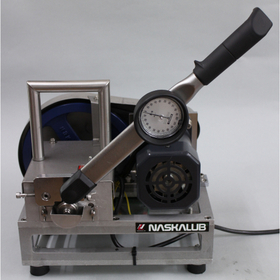

We will visit for lubricant testing! Experience the differences compared to the lubricant you are currently using.
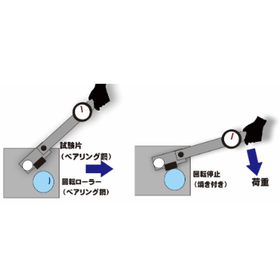
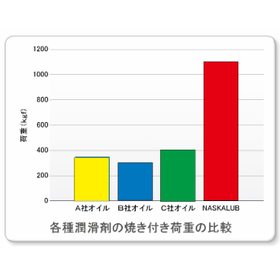
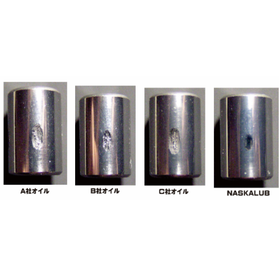
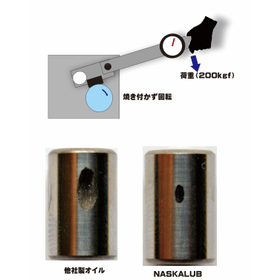


- Lubricants
![[KHK] GJS Gear Lubrication Spray KH...](https://image.mono.ipros.com/public/product/image/ec8/2000154638/IPROS90798423805931420400.jpeg?w=280&h=280)

Ideal for lubricating rack and pinion! We have prepared three types of spray.
- gear
- Lubricants

A strong ally in equipment management. A single tool that works for any material or application.
- Lubricants
- Plastic bearings
- Lubricants and additives
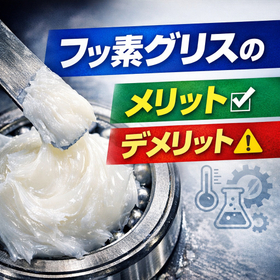
What are the disadvantages of fluorine grease? An explanation of its advantages and precautions.
Fluorine grease is used in a wide range of fields such as semiconductor equipment, chemical facilities, and food machinery as a high-performance lubricant with excellent heat resistance and chemical resistance. Its ability to maintain stable lubrication performance even in high-temperature environments and chemical contact environments is particularly noteworthy. On the other hand, there are also disadvantages. First, the high cost of raw materials tends to make the price expensive. Additionally, while it excels in low friction, its extreme pressure performance is not high, which may make it unsuitable for high-load applications such as large gears and heavy machinery. Furthermore, in general environments, its performance may be excessive, leading to cost disadvantages. Lubricants are not simply "high performance = optimal"; selecting the right one according to the usage environment is crucial. When chemical resistance and high-temperature compatibility are required, fluorine grease is appropriate, while for high loads, molybdenum grease may be needed, necessitating a distinction based on the application.
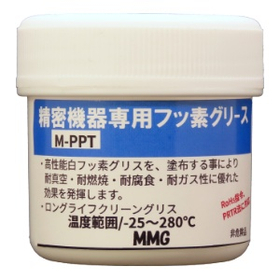
Next-generation PTFE-based lubricants that challenge high temperature, high vacuum, and corrosive environments.
- Engineering Plastics
- Plastic bearings
- Lubricants
What are the disadvantages of fluorine grease? An explanation of its advantages and precautions.
Fluorine grease is used in a wide range of fields such as semiconductor equipment, chemical facilities, and food machinery as a high-performance lubricant with excellent heat resistance and chemical resistance. Its ability to maintain stable lubrication performance even in high-temperature environments and chemical contact environments is particularly noteworthy. On the other hand, there are also disadvantages. First, the high cost of raw materials tends to make the price expensive. Additionally, while it excels in low friction, its extreme pressure performance is not high, which may make it unsuitable for high-load applications such as large gears and heavy machinery. Furthermore, in general environments, its performance may be excessive, leading to cost disadvantages. Lubricants are not simply "high performance = optimal"; selecting the right one according to the usage environment is crucial. When chemical resistance and high-temperature compatibility are required, fluorine grease is appropriate, while for high loads, molybdenum grease may be needed, necessitating a distinction based on the application.
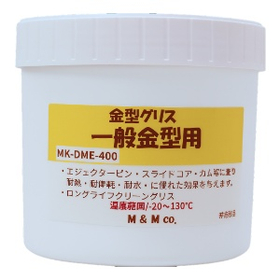
Just right is the best. The optimal solution for the cost of mold grease.
- Plastic Mould
- Other molds
- Lubricants

Stable lubrication compatible with 280℃! Ideal for slide pins and ejectors.
- Plastic Mould
- Mold
- Lubricants
The real reason why "maintenance frequency does not decrease" in high-temperature environments and the shortest route to take on-site (with checklist included).
In high-temperature environments, grease does not simply diminish; its "state" deteriorates due to hardening, separation, and carbonization. Even if there is some remaining, the lubrication function decreases, leading to increased sliding resistance, poor return, and fine seizure. If these warning signs are ignored, it will eventually progress to seizing or burning. Therefore, the idea that "using high-performance grease eliminates the need for reapplication" does not hold true in high-temperature areas. What is important is to visualize the signs of abnormalities and to establish rules for inspection, cleaning, and reapplication. Especially in die-casting molds, temperature changes, high surface pressure, and dust contamination overlap, causing lubrication conditions to fluctuate constantly. Maintaining a stable operational state takes precedence over reducing maintenance frequency. 【High-Temperature Sliding Component Checklist】 □ Is the return of the pin sluggish? □ Are there any signs of seizure or dust accumulation? □ Is the grease hardened or film-formed? □ Is there any catching when starting to move? □ After cleaning, is the appropriate amount reapplied? Rather than forcibly reducing maintenance frequency, the realistic approach is to operate in a way that prevents stoppage accidents before they occur.

High temperature × water resistance × high adhesion. A versatile grease compatible with all machines.
- Lubricants
- Chains and sprockets
- Metal bearings

Differentiation through adhesion - High-performance grease specifically for O-rings and packings.
- Plastic Mould
- Press Dies
- Lubricants
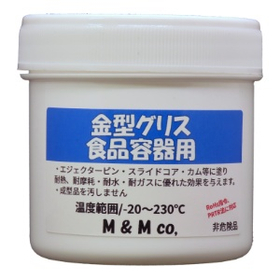
Food container-specific grease that balances safety and performance.
- Plastic Mould
- Mold
- Lubricants


Aiming for a First Class Company
- Lubricants
- Contract manufacturing


The metalworking lubricant "MWF" makes it easy to process brittle and hard metals, as well as ductile high-melting-point metals!
- Lubricants

Can be exchanged for hydrocarbon oil! It is used as a general-purpose inert lubricant.
- Lubricants

Excellent solubility for hydrocarbon oils! Can be used as an inert process solvent for specific applications!
- Lubricants

A safe low molecular weight polymer for applications handling most reactive gases, including oxygen and chlorine!
- Lubricants

It is used as a general-purpose inert lubricant for bearings, gearboxes, pumps, and more! Safe against reactive gases!
- Lubricants

New brand from Halocarbon! A new viscosity type has been developed for domestic users!
- Lubricants


Eco-friendly biodegradable release agent. It is pre-mixed, so you can use it immediately upon arrival!
- Lubricants
- Other consumables


Sumiko's "new products," "new developments," and "new technologies"! With a comprehensive lineup, customization to meet customer needs is also possible!
- Lubricants

Protecting molds, supporting the workplace. A selection of high-performance grease lineup.
- Press Dies
- Plastic Mould
- Lubricants

[Free Sample Start] We have started offering free samples of various greases!
We have launched a campaign offering a free trial of M&M's high-temperature grease for those struggling with mold burning and release troubles. With a heat resistance of 800°C, it significantly improves lubrication and release properties when directly applied to molds. Please take this opportunity to experience the effectiveness of our high-performance grease. It is ideal for addressing issues with mold equipment and sliding parts used in high-temperature environments.

High heat resistance, high pressure resistance, and excellent chemical resistance universal fluorine grease.
- Lubricants
- Plastic Mould
- Mold
What are the disadvantages of fluorine grease? An explanation of its advantages and precautions.
Fluorine grease is used in a wide range of fields such as semiconductor equipment, chemical facilities, and food machinery as a high-performance lubricant with excellent heat resistance and chemical resistance. Its ability to maintain stable lubrication performance even in high-temperature environments and chemical contact environments is particularly noteworthy. On the other hand, there are also disadvantages. First, the high cost of raw materials tends to make the price expensive. Additionally, while it excels in low friction, its extreme pressure performance is not high, which may make it unsuitable for high-load applications such as large gears and heavy machinery. Furthermore, in general environments, its performance may be excessive, leading to cost disadvantages. Lubricants are not simply "high performance = optimal"; selecting the right one according to the usage environment is crucial. When chemical resistance and high-temperature compatibility are required, fluorine grease is appropriate, while for high loads, molybdenum grease may be needed, necessitating a distinction based on the application.


A lubricant that simultaneously possesses penetration, cleaning, rust prevention, non-stick properties, release, and anti-seizing effects!
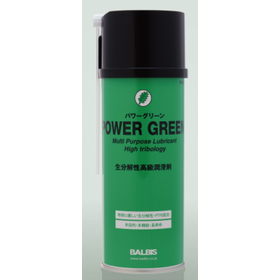
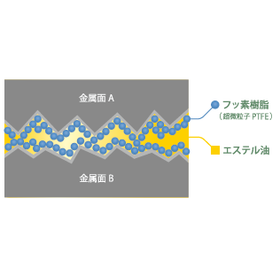


- Lubricants

The combination with PTFE exhibits lubrication properties over a long period! It has obtained the NSF H1 safety certification in the United States.
- Lubricants

Biodegradable to reduce environmental impact! Does not use genetically modified ingredients.


- Lubricants

Wide temperature range for use! Based on special synthetic oil, enhanced lubrication performance with the addition of PTFE!


- Lubricants

It has low evaporation at high temperatures, lasts longer, and reduces sludge generation, preventing seizing.
- Fats and oils
- Lubricants


Reduced lubricant usage and decreased replenishment frequency! Visible cost reduction and improved productivity!
- Lubricants