
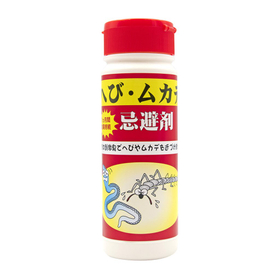
【システム非公開】へび・ムカデ忌避剤 280g
天然樹液配合。
当社で運営する会員限定の卸売(仕入れ)サイト「Kenko卸.com」では、 「へび・ムカデ忌避剤 280g」を取り扱っております。 特有の刺激臭でへび・ムカデを寄せつけない。 特有の刺激臭でへび・ムカデを近づけない。 粒剤で散布しやすく取扱が簡単。 約1ヶ月間効果持続。 殺虫成分が含まれていないので安全。 家畜・ペットへの害がなく、安心して使用できる。
- Company:新日本機能食品
- Price:Other
Last Updated: Aggregation Period:Aug 26, 2026~Sep 22, 2026
This ranking is based on the number of page views on our site.
Last Updated: Aggregation Period:Aug 26, 2026~Sep 22, 2026
This ranking is based on the number of page views on our site.
Last Updated: Aggregation Period:Aug 26, 2026~Sep 22, 2026
This ranking is based on the number of page views on our site.
91~98 item / All 98 items
天然樹液配合。
当社で運営する会員限定の卸売(仕入れ)サイト「Kenko卸.com」では、 「へび・ムカデ忌避剤 280g」を取り扱っております。 特有の刺激臭でへび・ムカデを寄せつけない。 特有の刺激臭でへび・ムカデを近づけない。 粒剤で散布しやすく取扱が簡単。 約1ヶ月間効果持続。 殺虫成分が含まれていないので安全。 家畜・ペットへの害がなく、安心して使用できる。

Repels insects and mice! A wide variety of options to choose from based on your location.
In this catalog, we introduce a comprehensive lineup tailored to various construction locations, materials, and organisms (insects, rodents, termites). Starting with the "G Series," which is effective against unpleasant pests, we also feature the "N Series," which is particularly effective against rodents, and the "S Series," which is especially effective against termites. 【Featured Products】 ■ Mushi High Ranger G Series - Pen type, Tape type ■ Mushi High Ranger N Series - Putty type, Foam type ■ Mushi High Ranger S Series - Sheet type, Bushing type, Non-woven fabric type *For more details, please refer to the PDF document or feel free to contact us.

The pigeon repellent effect continues, preventing droppings damage. Over 15,000 successful installations in medical institutions, schools, factories, and more! A bird repellent with a three-year warranty and zero complaints.
The "PT Series" is an extremely effective bird repellent for pigeons, crows, bats, and other wild birds. This product is installed in a paste form tailored to the site, and its texture and ingredients act on the birds' instincts, enhancing their learning ability. By repeating this installation for about 3 to 10 days, the birds will stop coming around. Additionally, since the main ingredients are natural plant extracts and food-grade additives, they are safe for both humans and birds, causing no harm at all. We have a wealth of experience in introducing this product to public facilities, medical institutions, and large factories. Our comprehensive bird damage prevention planning will solve your problems! Please feel free to consult with us first! 【Features】 ■ 3-year warranty and a track record of zero complaints ■ Long-lasting effectiveness ■ Environmentally friendly and does not harm birds ■ Repellents and installation tailored to specific bird species (pigeons, wild birds, crows, bats) *For more details, please refer to the catalog in PDF format or feel free to contact us. (Free consultations and estimates available) *When inquiring, mentioning "I saw it on Ipros" will make the process smoother.
![[Patent Obtained] High heat durability! Mite-repellent material 'Xanthomate'](https://image.mono.ipros.com/public/product/image/f25/2000723384/IPROS14302401095710257975.jpeg?w=280&h=280)
A tick repellent ingredient derived from the naturally occurring component "xanthoxyline." It has excellent heat resistance and maintains its repellent effect. Tick repellent tests are also available!
"Xanthomait" is a mite repellent ingredient primarily composed of xanthoxylin, derived from the fruit peel of Sichuan pepper. Its novelty has been recognized, and a patent has been obtained (Patent No. 6715429). It can be used as a repellent for "mite prevention" and maintains stable repellent effects even when heat is applied. Please consider it for use in fibers, films, sheets, flooring wax, spray agents, and more. 【Features】 - Contains over 95% xanthoxylin, derived from Sichuan pepper fruit peel - Maintains repellent effects even after heat treatment (200°C for 120 minutes) - Has little to no raw material odor, making it easy to add preferred fragrances - Confirmed repellent effects against various mites, as well as ants, silverfish, and fleas We offer simple repellent testing free of charge. *For more details, please refer to the PDF materials or feel free to contact us.
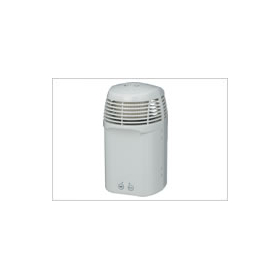
Prevent the intrusion of unpleasant pests in public spaces! We maintain a comfortable environment.
In public facilities, the intrusion of unpleasant pests can compromise the comfort of users due to the high number of people utilizing the space. The "Insect Repellent Katris Pro" utilizes our unique dual effect of centrifugal force and wind power to disperse active ingredients stably and efficiently, effectively exterminating and repelling bothersome flying insects. Being battery-operated and requiring no wiring, it can be easily installed in various locations, contributing to the maintenance of a comfortable environment. 【Usage Scenarios】 - Entrances and waiting areas - Break rooms and shared spaces - Corridors and hallways 【Benefits of Implementation】 - Maintenance of a comfortable space through the extermination and repulsion of unpleasant pests - Increased user satisfaction - Prevention of user complaints
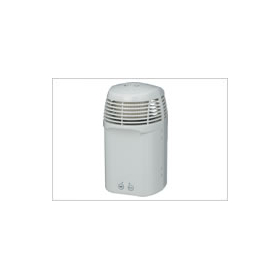
We will prevent the intrusion of unpleasant pests in the warehouse and contribute to product protection.
In warehouses and logistics centers, maintaining product quality and ensuring a comfortable working environment are important challenges. In particular, the intrusion of unpleasant pests not only increases the risk of contamination and foreign matter in products but can also lead to stress for workers and decreased work efficiency. To address these challenges, the "Insect Repellent Katolis Pro" is effective as a pest control and deterrent measure. Being battery-operated eliminates the need for wiring, and its compact design allows for flexible installation. It can be easily set up in various locations within the warehouse, such as around entrances and exits, loading areas, and storage spaces, contributing to the prevention of pest intrusion and the maintenance of a hygienic environment. 【Usage Scenarios】 - Suppressing insect occurrence in product storage areas - Preventing intrusion near loading and unloading areas - Maintaining comfort in workspaces 【Benefits of Implementation】 - Reducing the risk of insects adhering to products - Mitigating the risk of foreign matter contamination - Improving efficiency through enhanced working conditions
![[Video Introduction] Pigeon Control Measures for Residents of Apartments and Houses](https://image.mono.ipros.com/public/product/image/bb7/2000569616/IPROS04137720572573382655.png?w=280&h=280)
For those troubled by pigeons coming to balconies and roofs! With over 15,000 successful projects, we offer reliable bird damage prevention through our proposal capabilities, product strength, and construction skills.
Protect Co., Ltd. provides safe and secure construction services with a track record of 15,000 pigeon control cases across Japan. Based on years of experience and know-how, we specialize in total planning tailored to the site environment and pest birds. ~ At the bottom of the page, we are introducing pigeon control measures for residents of apartments and houses! ~ 【Construction Achievements】 Public facilities / Medical institutions / Major factories / General households 【Reasons to Choose Protect】 ■ 3-year warranty and zero complaint record ■ Long-lasting effectiveness ■ Environmentally friendly and non-harmful to birds ■ Repellents and construction tailored to specific bird species (pigeons, wild birds, crows, bats) * For more details, please refer to our catalog in PDF format or feel free to contact us. (Free consultations and estimates available) * When inquiring, mentioning "I saw it on Ipros" will help facilitate the process.
![[Market Report] Global Tick Repellent Market](https://image.mono.ipros.com/public/product/image/de4/2001114973/IPROS38968255051703171343.jpeg?w=280&h=280)
The global market for tick repellents is on the rise, expected to reach 23 billion USD by 2031.
The global market for tick repellents is experiencing significant growth, with revenues reaching $14.48 billion in 2022. Forecasts predict a stable annual average growth rate (CAGR) of 5.5% during the forecast period from 2023 to 2031, with the market expected to exceed $23 billion by 2031. Tick repellents play a crucial role in protecting pets and livestock from the harmful effects of ticks and fleas, which can transmit various diseases. These repellents come in various forms, including oral medications and spot-on treatments, designed to prevent tick infestations and eliminate existing parasites. You can check the application method by clicking the [PDF Download] button or apply directly through the related link.
