We have compiled a list of manufacturers, distributors, product information, reference prices, and rankings for Spring.
ipros is IPROS GMS IPROS One of the largest technical database sites in Japan that collects information on.

Spring Product List and Ranking from 97 Manufacturers, Suppliers and Companies | IPROS GMS

Last Updated: Aggregation Period:Aug 12, 2026~Sep 08, 2026
This ranking is based on the number of page views on our site.

Spring Manufacturer, Suppliers and Company Rankings

Last Updated: Aggregation Period:Aug 12, 2026~Sep 08, 2026
This ranking is based on the number of page views on our site.

  1. KALLER Kanagawa//Machine elements and parts
  2. エコールド・ジャパン Chiba//Trading company/Wholesale
  3. 鶴岡発條 Yamagata//Machine elements and parts
  4. 4 アキュレイト 東京カスタマーセンター Tokyo//Ferrous/Non-ferrous metals
  5. 5 null/null

Spring Product ranking

Last Updated: Aggregation Period:Aug 12, 2026~Sep 08, 2026
This ranking is based on the number of page views on our site.

  1. Cam Unit for Press Molds "Flex Cam" KALLER
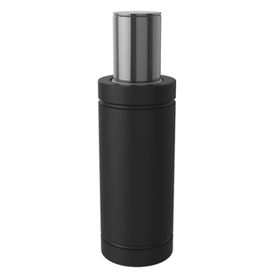
  2. Gas spring (gas damper) with locking function エコールド・ジャパン
  3. Composition and Function of Gas Springs エコールド・ジャパン
  4. 4 Smorley "Wave Spring/Wave Washer"
  5. 5 Floor-mounted vibration isolation spring "TS Series" TOZEN 東日本事業所

Spring Product List

421~450 item / All 555 items

Displayed results

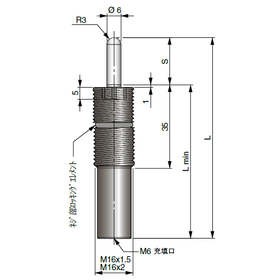
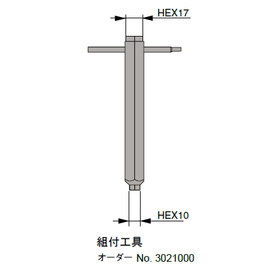
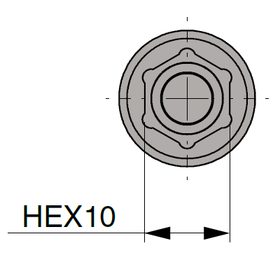
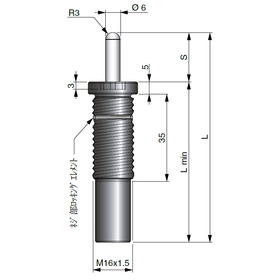
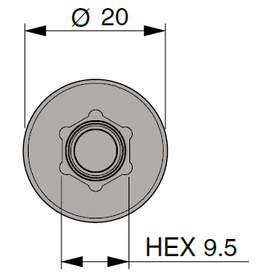
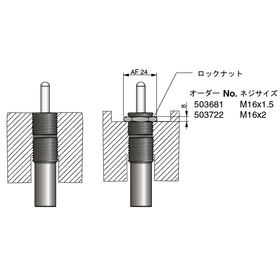
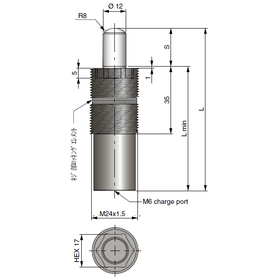
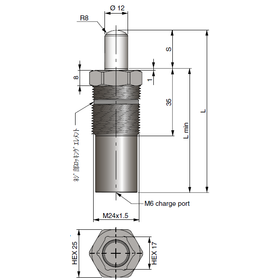
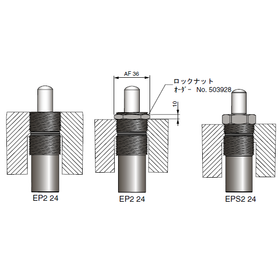
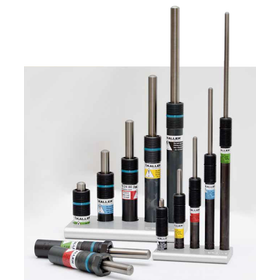
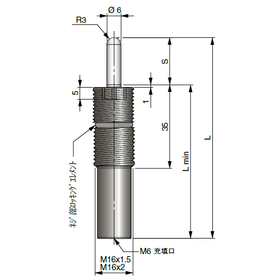
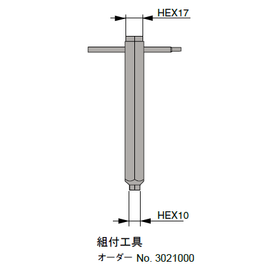
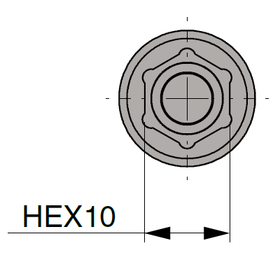
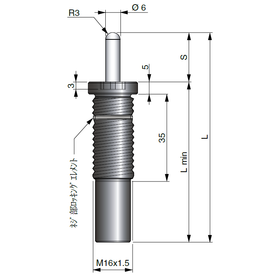
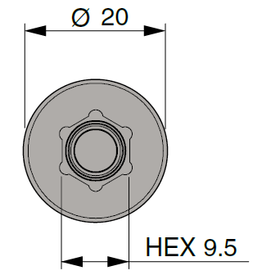
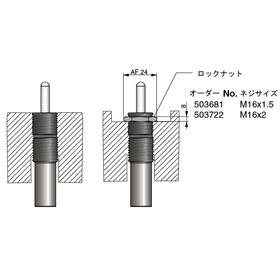
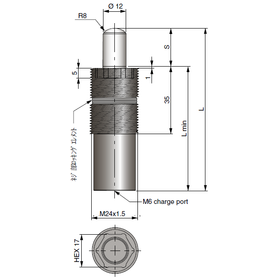
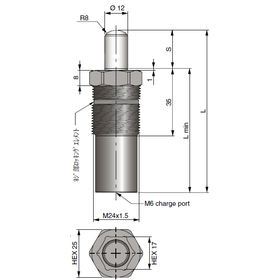
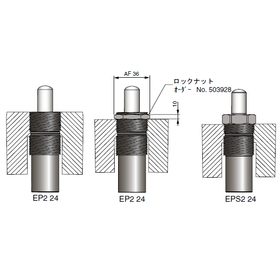
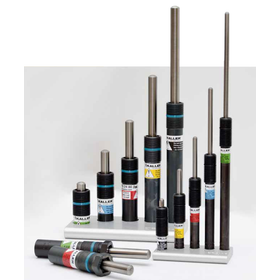
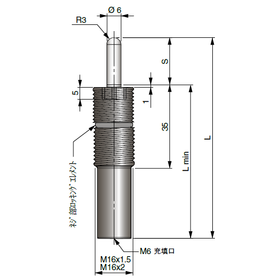
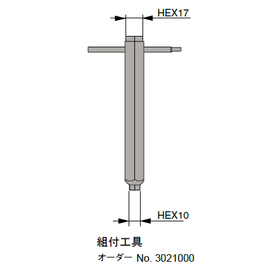
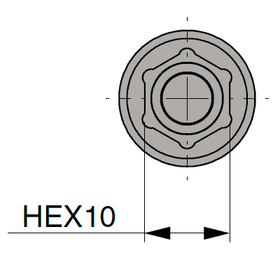
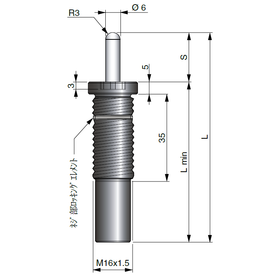
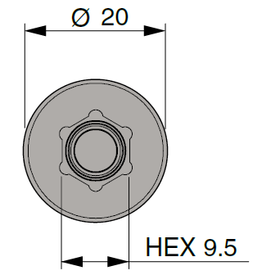
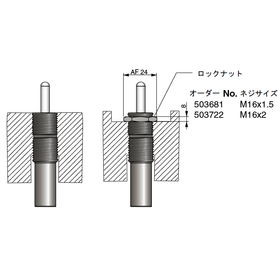
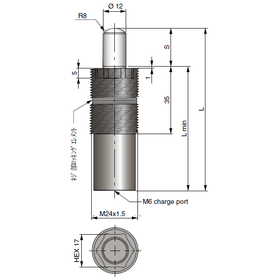
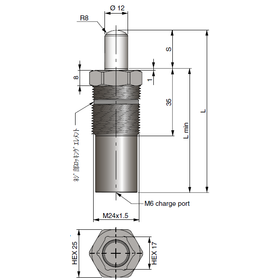
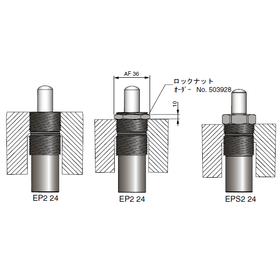
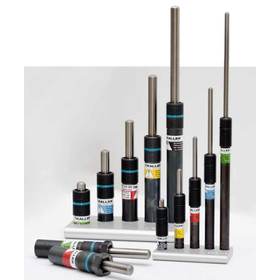
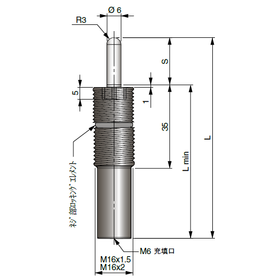
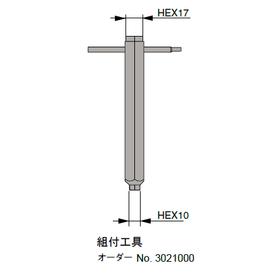
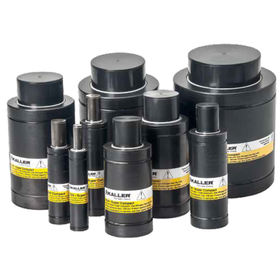
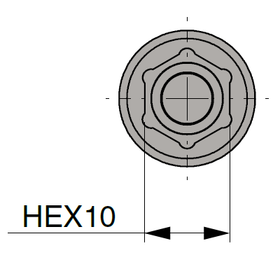
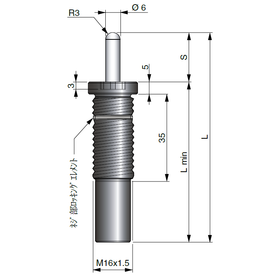
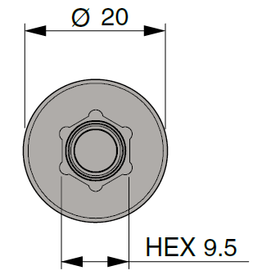
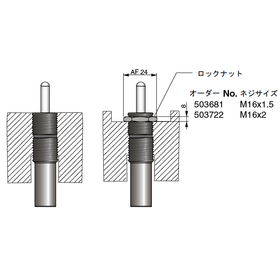
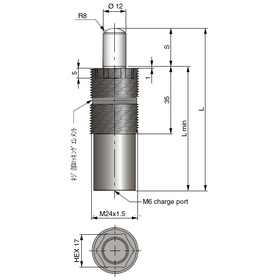
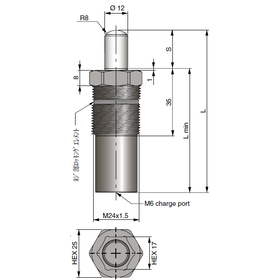
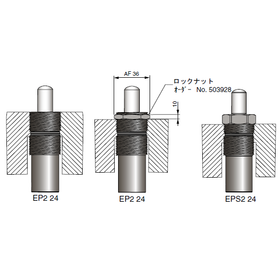
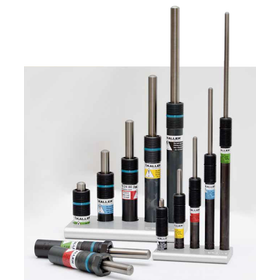
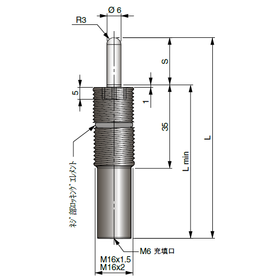
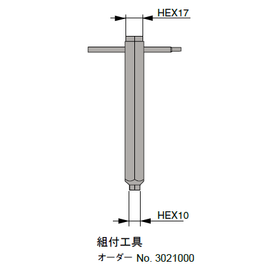
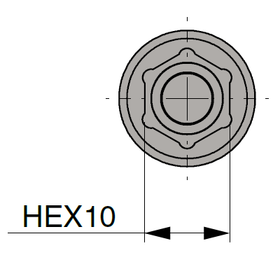
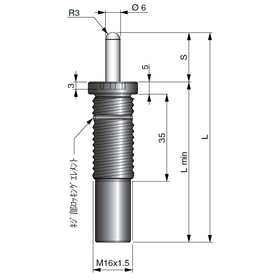
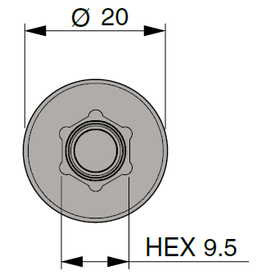
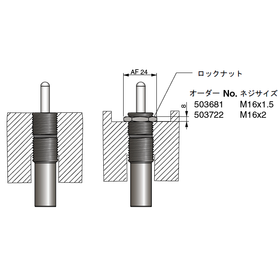
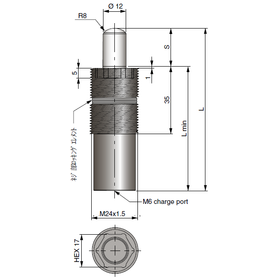
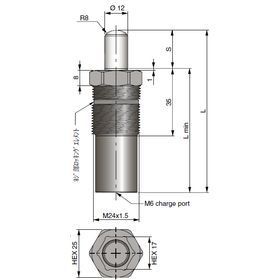
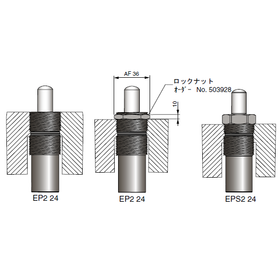
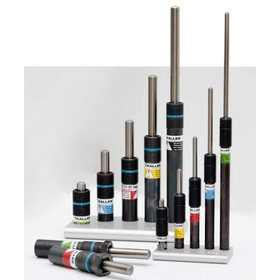
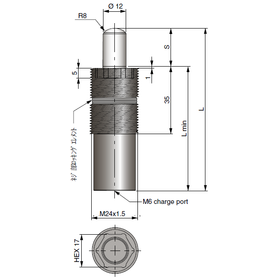
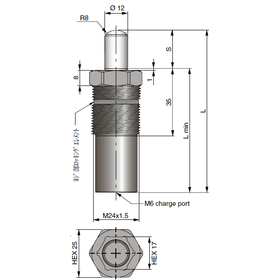
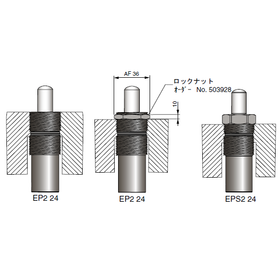
Plunger Type Gas Spring 'EP Series' for Press Molds

Excellent lifting capacity and long lifespan! Color-coded for load identification. Load adjustment is possible.

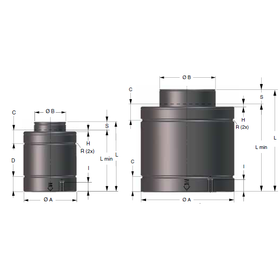
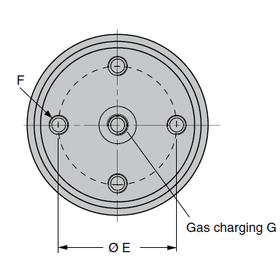
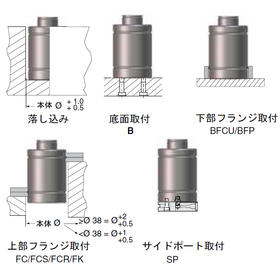
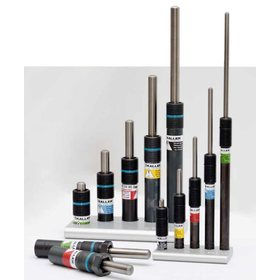
The "EP Series" is a gas spring that is color-coded for easy load identification. Compared to conventional mechanical spring plungers and lifters, this product allows for load adjustment, offers superior lifting power, and has a longer lifespan. 【Features】 - Color-coded for easy load identification - Can be replaced with mechanical coil spring plungers or lifters - Load adjustment is possible - Longer lifespan - Can be adjusted to match individual load requirements *For more details, please refer to the PDF document or feel free to contact us.

  • 2019-10-04_16h39_43.png
  • 2019-10-04_16h39_46.png
  • 2019-10-04_16h39_54.png
  • 2019-10-04_16h40_51.png
  • 2019-10-04_16h40_38.png
  • 2019-10-04_16h41_06.png
  • 2019-10-04_16h41_28.png
  • 2019-10-04_16h41_36.png
  • 2019-10-04_16h42_01.png
  • Other machine elements
  • Spring

Added to bookmarks

Bookmarks list

Bookmark has been removed

Bookmarks list

You can't add any more bookmarks

By registering as a member, you can increase the number of bookmarks you can save and organize them with labels.

Free membership registration

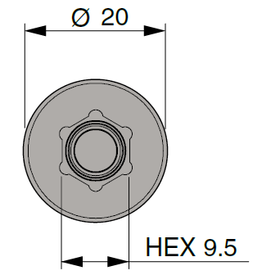
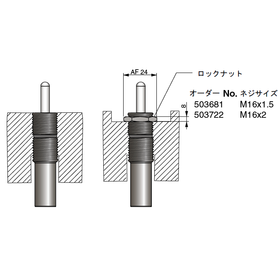
Automotive Plunger Type Gas Spring 'EP Series'

Excellent lifting power and long lifespan for opening and closing assistance.

In the automotive industry, opening and closing assistance requires smooth operation and long-term reliability. Particularly for opening and closing parts such as doors and hatches, improving operability and ensuring safety are crucial. Insufficient lifting power and early deterioration can lead to a decline in user experience and increased maintenance costs. Our plunger-type gas spring, the 'EP Series', allows for load adjustment, demonstrates excellent lifting power, and achieves a long lifespan. 【Usage Scenarios】 - Assistance for opening and closing automotive doors, hatchbacks, trunks, etc. - Various opening and closing mechanisms inside and outside the vehicle 【Benefits of Implementation】 - Realization of smooth and comfortable opening and closing operations - Reduction of maintenance burden due to prolonged product lifespan - Optimal load settings tailored to individual vehicle designs

  • 2019-10-04_16h39_43.png
  • 2019-10-04_16h39_46.png
  • 2019-10-04_16h39_54.png
  • 2019-10-04_16h40_51.png
  • 2019-10-04_16h40_38.png
  • 2019-10-04_16h41_06.png
  • 2019-10-04_16h41_28.png
  • 2019-10-04_16h41_36.png
  • 2019-10-04_16h42_01.png
  • Other machine elements
  • Spring

Added to bookmarks

Bookmarks list

Bookmark has been removed

Bookmarks list

You can't add any more bookmarks

By registering as a member, you can increase the number of bookmarks you can save and organize them with labels.

Free membership registration

Aerospace Plunger Type Gas Spring 'EP Series'

Contributes to weight reduction in the aerospace field. Excellent lifting power and long lifespan.

In the aerospace field, reducing the weight of aircraft is essential for improving fuel efficiency and increasing payload. In particular, lightweight yet reliable components are required for the opening and closing parts and support sections of equipment. Conventional mechanical parts can pose challenges in terms of weight and maintenance. Our plunger-type gas spring, the 'EP Series,' contributes to weight reduction while achieving excellent lifting power and long lifespan, meeting the demands of the aerospace sector. 【Application Scenarios】 - Assistance for opening and closing aircraft interior components - Deployment mechanisms for satellite equipment - Adjustment mechanisms for aircraft seats 【Benefits of Implementation】 - Improved fuel efficiency due to reduced aircraft weight - Reduced maintenance burden through fewer parts - Enhanced reliability through assured operation

  • 2019-10-04_16h39_43.png
  • 2019-10-04_16h39_46.png
  • 2019-10-04_16h39_54.png
  • 2019-10-04_16h40_51.png
  • 2019-10-04_16h40_38.png
  • 2019-10-04_16h41_06.png
  • 2019-10-04_16h41_28.png
  • 2019-10-04_16h41_36.png
  • 2019-10-04_16h42_01.png
  • Other machine elements
  • Spring

Added to bookmarks

Bookmarks list

Bookmark has been removed

Bookmarks list

You can't add any more bookmarks

By registering as a member, you can increase the number of bookmarks you can save and organize them with labels.
Free membership registration

Plunger Type Gas Spring 'EP Series' for Industrial Machinery
Contributes to operational efficiency! Load-adjustable gas spring.

In improving the operability of industrial machinery, smooth and reliable operation is essential. Particularly in areas where frequent opening and closing or positioning is required, reducing the burden on operators and enhancing efficiency becomes crucial. Insufficient lifting power and difficulty in adjustments can lead to decreased work efficiency and unintended movements. Our "EP Series" allows for load adjustment and demonstrates excellent lifting power, contributing to the enhancement of industrial machinery operability. 【Usage Scenarios】 - Assistance in opening and closing machine covers and hatches - Positioning support during work - Lifting assistance for heavy objects 【Benefits of Implementation】 - Reduced burden on operators - Increased work efficiency through improved operability - Achieving smooth and stable operation

  • 2019-10-04_16h39_43.png
  • 2019-10-04_16h39_46.png
  • 2019-10-04_16h39_54.png
  • 2019-10-04_16h40_51.png
  • 2019-10-04_16h40_38.png
  • 2019-10-04_16h41_06.png
  • 2019-10-04_16h41_28.png
  • 2019-10-04_16h41_36.png
  • 2019-10-04_16h42_01.png
  • Other machine elements
  • Spring

Added to bookmarks

Bookmarks list

Bookmark has been removed

Bookmarks list

You can't add any more bookmarks

By registering as a member, you can increase the number of bookmarks you can save and organize them with labels.

Free membership registration

[For Medical Devices] GS Super Compact 'CU4 Series'

High-load, compact gas spring for positioning medical devices.

In the field of medical devices and positioning, precise operability and stable holding power are required. Particularly in equipment design that considers patient safety, reliable fixation of parts and smooth movement as needed are crucial. Improper positioning can lead to equipment malfunction or increased burden on the patient. Our gas spring, the super compact 'CU4 Series,' provides high load per cylinder diameter, achieving reliable positioning while remaining compact. 【Usage Scenarios】 - Positioning in movable parts of medical devices - Angle adjustment of inspection equipment - Positioning of surgical assistance devices 【Benefits of Implementation】 - Improved operability through precise positioning - Enhanced safety through increased stability of equipment - Space-saving design due to compactness

  • IPROS95969746666378723595.png
  • 2019-10-04_16h02_33.png
  • 2019-10-04_16h02_41.png
  • 2019-10-04_16h03_02.png
  • 2019-10-04_16h03_30.png
  • Other molds
  • Spring

Added to bookmarks

Bookmarks list

Bookmark has been removed

Bookmarks list

You can't add any more bookmarks

By registering as a member, you can increase the number of bookmarks you can save and organize them with labels.

Free membership registration

Aerospace-oriented GS Super Compact "CU4 Series"

A gas spring that provides high load per cylinder diameter and contributes to weight reduction.

In the aerospace field, reducing the weight of aircraft is directly linked to improved fuel efficiency and increased payload capacity, necessitating the lightweighting of each individual component. Particularly in areas such as structural members and opening/closing mechanisms, where it is essential to support high loads while keeping weight down, traditional components may struggle to meet these requirements. In response to such challenges, our gas spring, the super compact 'CU4 Series,' provides high load capacity per cylinder diameter while contributing to weight reduction through its compact design. 【Application Scenarios】 - Assisting the opening and closing of hatches and panels inside and outside the aircraft - Supporting lightweight structural components - Securing and adjusting onboard equipment 【Benefits of Implementation】 - Improved fuel efficiency through overall weight reduction of the aircraft - Increased payload capacity - Enhanced maintainability through a reduction in the number of components

  • IPROS95969746666378723595.png
  • 2019-10-04_16h02_33.png
  • 2019-10-04_16h02_41.png
  • 2019-10-04_16h03_02.png
  • 2019-10-04_16h03_30.png
  • Other molds
  • Spring

Added to bookmarks

Bookmarks list

Bookmark has been removed

Bookmarks list

You can't add any more bookmarks

By registering as a member, you can increase the number of bookmarks you can save and organize them with labels.

Free membership registration

【船舶向け】プランジャータイプガススプリング 『EPシリーズ』

船舶用途に求められる耐久性を実現。荷重調整可能なガススプリング。

船舶業界では、過酷な環境下での使用に耐えうる高い耐久性が求められます。特に、船体の開閉部や機器の支持においては、長期間にわたり安定した性能を発揮し、メンテナンスの手間を軽減することが重要です。不適切な部品の使用は、早期の劣化や故障につながり、安全性の低下や運用コストの増加を招く可能性があります。当社の『EPシリーズ』は、優れたリフティング力と長寿命設計により、船舶用途における耐久性の課題に対応します。 【活用シーン】 ・船体のハッチや扉の開閉補助 ・デッキ上の機器カバーの支持 ・船内設備のメンテナンス用アクセスパネル 【導入の効果】 ・過酷な海洋環境下での高い耐久性 ・長期間にわたる安定した性能維持 ・メンテナンス頻度の低減による運用コスト削減

  • 2019-10-04_16h39_43.png
  • 2019-10-04_16h39_46.png
  • 2019-10-04_16h39_54.png
  • 2019-10-04_16h40_51.png
  • 2019-10-04_16h40_38.png
  • 2019-10-04_16h41_06.png
  • 2019-10-04_16h41_28.png
  • 2019-10-04_16h41_36.png
  • 2019-10-04_16h42_01.png
  • Other machine elements
  • Spring

Added to bookmarks

Bookmarks list

Bookmark has been removed

Bookmarks list

You can't add any more bookmarks

By registering as a member, you can increase the number of bookmarks you can save and organize them with labels.

Free membership registration

Plunger Type Gas Spring for Play Equipment - 'EP Series'

Contributes to the improvement of playground equipment safety. Load-adjustable gas spring.

To ensure the safety of playground equipment, reliable operation and durability of components are required. In particular, preventing unexpected movements during the opening, closing, and holding of movable parts is the top priority for protecting users' safety. The use of inappropriate components increases the risk of accidents. Our plunger-type gas spring, the "EP Series," allows for load adjustment and can be set according to the specific requirements of each piece of playground equipment. This enhances safety and supports the realization of playground equipment that can be used with peace of mind. 【Usage Scenarios】 - Assisting and holding the opening and closing of playground lids and doors - Safely holding movable parts in position - Design considerations for children's safety 【Benefits of Implementation】 - Improved safety of playground equipment - Reduced maintenance burden due to increased reliability of components - Enhanced sense of security for users

  • 2019-10-04_16h39_43.png
  • 2019-10-04_16h39_46.png
  • 2019-10-04_16h39_54.png
  • 2019-10-04_16h40_51.png
  • 2019-10-04_16h40_38.png
  • 2019-10-04_16h41_06.png
  • 2019-10-04_16h41_28.png
  • 2019-10-04_16h41_36.png
  • 2019-10-04_16h42_01.png
  • Other machine elements
  • Spring

Added to bookmarks

Bookmarks list

Bookmark has been removed

Bookmarks list

You can't add any more bookmarks

By registering as a member, you can increase the number of bookmarks you can save and organize them with labels.

Free membership registration

Spring News April Issue" includes trivia about springs: "About Spring Index.

April issue of the Spring News delivered every month! We introduce the spring index (D/d).

The spring index (D/d) is the value of the coil's average diameter divided by the wire diameter. While there are other factors that affect ease of manufacturing, it is generally considered that this value should be between 4 and 20, with 7 to 13 being particularly suitable for spring production. Although a spring index of 4 to 20 is desirable, it is not an absolute requirement to stay within this range. However, producing springs outside of this range can be very difficult or even impossible, so it is advisable to keep it within this range as much as possible. Please leave the design, estimation, and production of various springs to us. *For more details, please refer to the PDF document or feel free to contact us.*

Added to bookmarks

Bookmarks list

Bookmark has been removed

Bookmarks list

You can't add any more bookmarks

By registering as a member, you can increase the number of bookmarks you can save and organize them with labels.

Free membership registration

Spring News June Issue" includes a trivia about springs: "What is the effective number of coils?

The June issue of the Spring News delivered every month! It is considered good to have a valid number of volumes of 3 or more.

The effective number of coils refers to the portion of the coil that acts as a spring, calculated by subtracting the number of end coils from the total number of coils in a compression spring. Generally, end coils are often one coil each at both ends, so in that case, the effective number of coils is total coils minus 2. If the first coil and the last coil do not contact the next (previous) coil, and the ground portion is 3/4 of a coil, the effective number of coils becomes total coils minus 1.5. It is considered good practice to have an effective number of coils of 3 or more. For tension springs, the total number of coils equals the effective number of coils (excluding the hook sections). Please leave the design, estimation, and production of various springs to us. *For more details, please refer to the PDF materials or feel free to contact us.*

Added to bookmarks

Bookmarks list

Bookmark has been removed

Bookmarks list

You can't add any more bookmarks

By registering as a member, you can increase the number of bookmarks you can save and organize them with labels.

Free membership registration

Presenting the basic knowledge of springs that you can’t ask about now! *New equipment introduced to increase productivity.

Updating the compression coil springs and the equipment of the heat treatment device! Additionally, we are also offering trivia about springs taught by "Nishikawa Spring," which has been involved in springs for over 50 years!

To provide better products, we have updated our coiling machine and heat treatment equipment! <Details> Coiling Machine: Shinko Machine Industry Co., Ltd. Automatic Heat Treatment Equipment: Sankyo Co., Ltd. Additionally, we are offering "Spring Trivia" taught by Nishikawa Spring, which has been involved in spring manufacturing for about 50 years. Our company accepts product processing tailored to customer requests. If you have any issues with springs, please feel free to consult us. 【Published Content (Excerpt)】 ■ Trivia 1: Changes in coil diameter due to heat treatment (by material) ■ Trivia 2: Commonly used materials for springs ■ Trivia 3: Types of stainless steel wire for springs ■ Trivia 4: Types of oil-tempered wire *For more details, please refer to the PDF document or feel free to contact us.

  • Spring
  • Processing Contract
  • Spring

Added to bookmarks

Bookmarks list

Bookmark has been removed

Bookmarks list

You can't add any more bookmarks

By registering as a member, you can increase the number of bookmarks you can save and organize them with labels.

Free membership registration

The development of the spring industry in the early Taisho period and technological innovation through the introduction of testing machines.

[Reproduction of Private Spring Preparatory School Lecture 6] Standards and specifications for steel materials and springs have been established! The spring industry made great strides in the early Taisho period.

In the previous discussion, we talked about how the spring manufacturing industry modernized in the late Meiji period, and how other related industries made remarkable progress. Now, let's study the development process of the early Taisho period. In the late Meiji period, there were printing machine companies that were winding springs, and there is a story that when spring manufacturers went to take orders, they boasted that they could also wind springs. This was because the manufacturing of springs at that time was a closely guarded secret, and even if something was considered good, there were no methods to investigate it. *For detailed content of the article, please refer to the PDF. For more information, feel free to contact us.*

Added to bookmarks

Bookmarks list

Bookmark has been removed

Bookmarks list

You can't add any more bookmarks

By registering as a member, you can increase the number of bookmarks you can save and organize them with labels.

Free membership registration

The development of the automobile and aircraft industries during the Showa period and the role of the spring industry.

[Reproduction of Private Spring Preparatory School Lecture 9] Explaining the transition of the automotive and aerospace industries! Also discusses war and the spring industry.

Last time, we got sidetracked with the discussion about the new type of Katasa testing machine, but we are finally entering the history of springs in the Showa period. Since the Showa period is quite recent, I believe many of you are already familiar with various aspects, so let's study quickly. The spring industry, having inherited the developments of the late Taisho period, continued to thrive, and undoubtedly, the contributions of automobiles and airplanes were significant, so this time we will focus our study on this topic. As mentioned before, the entry of American automobile manufacturing into Japan from the late Taisho to the early Showa period stimulated the existing three companies in Japan to start full-scale production. *For detailed content of the article, please refer to the PDF. For more information, feel free to contact us.*

Added to bookmarks

Bookmarks list

Bookmark has been removed

Bookmarks list

You can't add any more bookmarks

By registering as a member, you can increase the number of bookmarks you can save and organize them with labels.

Free membership registration

Establishment of Standards and Changes in Steel Materials in the Spring Industry during the Showa Period

[Reissue Private Spring Preparatory School Lecture 10] About the spring industry during the Showa period! Establishment of various standards and specifications, from JES to JIS.

Last time, we studied the automotive and aircraft industries that form the background of the spring industry during the Showa period. Continuing from that, this time we will have a lesson on the spring industry during the Showa period. One characteristic of the Showa period that must be addressed is the establishment of various standards and specifications. The establishment of such standards can be seen as evidence of the advancement of research into industrial products. For example, regarding the Japanese National Railways, specifications for carbon steel materials for vehicle springs, wire springs for cushions, and wire and plates of phosphor bronze for springs were established in 1928. In 1930, specifications for hard-drawn steel wire for springs were established, followed by specifications for leaf springs and steel wire springs in the following year. *For detailed content of the article, you can view it in the PDF. For more information, please feel free to contact us.

Added to bookmarks

Bookmarks list

Bookmark has been removed

Bookmarks list

You can't add any more bookmarks

By registering as a member, you can increase the number of bookmarks you can save and organize them with labels.

Free membership registration

The evolution of spring technology and heat treatment methods during the Showa period and their historical background.

[Reissue Private Spring Preparatory School Lecture 11] Explanation of single and double quenching methods! Discussion of new materials and technologies as well.

Last time, we talked about JES and JIS, but this time let's trace the technical history of the Showa era. I gave it a confusing title like "one-stage or two-stage," but in fact, since the late Taisho period, the method of hardening spring plates has been a significant issue for the National Railways, so let me introduce the background. The term "one-stage hardening," which was used at that time (the Taisho period), refers to what we now call "austenitizing hardening," while "two-stage hardening" refers to the process of hardening and tempering. In this regard, the terminology used in heat treatment was incorrect, so although I wrote "one-stage" and "two-stage" in the title for this preparatory school, I will use the correct terms: "austenitizing hardening" for the former and "hardening and tempering" for the latter. *You can view the detailed content of the article in the PDF. For more information, please feel free to contact us.

Added to bookmarks

Bookmarks list

Bookmark has been removed

Bookmarks list

You can't add any more bookmarks

By registering as a member, you can increase the number of bookmarks you can save and organize them with labels.

Free membership registration

The influence of dynamic stress and fatigue failure in automobile springs and its relationship with road conditions.

[Reproduction of Private Spring Preparatory School Lecture 14] Characteristics of stress on springs! Used under significantly larger static and dynamic stresses.

In the last session, we started with a method for cutting wire by hand and studied fatigue testing methods, but we will continue with the lessons. As you know, springs are used in a very different way compared to general mechanical components. This is evident at a glance, as springs are often significantly bent or undergo intense stretching and contracting movements. The fact that springs are used in this manner means that they are subjected to much larger static and dynamic stresses compared to the design stresses of general mechanical components. *For detailed content of the article, you can view it in the PDF. Please feel free to contact us for more information.*

Added to bookmarks

Bookmarks list

Bookmark has been removed

Bookmarks list

You can't add any more bookmarks

By registering as a member, you can increase the number of bookmarks you can save and organize them with labels.

Free membership registration

Observation of fracture surfaces and understanding of the safety zone in fatigue testing of metallic materials.

[Reproduction of Private Spring Preparatory School Lecture 17] Metals also change when they are fatigued! An explanation of how the results of fatigue tests are organized and utilized in design.

The fracture surface of the fatigue test specimen, like that of an actual fatigue fracture, exhibits both smooth and rough surfaces. The difference is that, in many cases, the smooth surface does not show the shell-like patterns resembling tree rings. This is because the testing machine applies a constant repeated stress, preventing the progression of cracks from exhibiting a step-like pattern. The shell-like patterns that form on the fatigue fracture surface of automotive springs occur due to variations in the weight of the load or changes in road conditions, which cause fluctuations in the repeated stress. Additionally, there are instances where the smooth fracture surface of the test specimen appears discolored purple; this is due to temper colors resulting from frictional heat generated by the rubbing of the crack surfaces. *For more detailed information, please refer to the PDF. Feel free to contact us for further inquiries.*

Added to bookmarks

Bookmarks list

Bookmark has been removed

Bookmarks list

You can't add any more bookmarks

By registering as a member, you can increase the number of bookmarks you can save and organize them with labels.

Free membership registration

The Story of Butsushutarou and the Estimation Method of Fatigue Limits Learned from Static Strength and Its Practice

[Reproduction of Private Spring Preparatory School Lecture 18] Study of Fatigue Limit Estimation Method! Estimating fatigue limits from tensile strength and hardness test results.

Once upon a time, there was a story called "Monkusho Taro." It is said that he was so lazy that he would lie around all day and even relied on others to pick up the rice cakes he dropped. However, in the end, he achieved great success and was enshrined as a deity. Now, even if one does not achieve success or become a god, it can be tedious to go through exhausting tests that require both effort and time. Therefore, for those like Monkusho Taro, let’s study methods for estimating fatigue limits. This is based on the idea that there may be some relationship between fatigue limits and static strength, which many scholars are seeking to understand. The results indicate that there is a certain degree of correlation, but the variability is also quite large. The variability is not limited to just fatigue strength. *For more detailed information, please refer to the PDF. Feel free to contact us for more details.*

Added to bookmarks

Bookmarks list

Bookmark has been removed

Bookmarks list

You can't add any more bookmarks

By registering as a member, you can increase the number of bookmarks you can save and organize them with labels.

Free membership registration

The importance of factors affecting fatigue strength, such as notches and surface roughness, and their countermeasures.

[Reproduction of Private Spring Preparatory School Lecture 19] Notches reduce both static strength and fatigue strength! The scary part is the notches that are like bacteria, which are hard to see.

Last time, we studied that if we know the tensile strength of a material, we can estimate the approximate fatigue limit, and that this fatigue limit cannot be used as is. From this time onward, we will explain the factors that influence fatigue strength for a while. Have you encountered any mechanical parts in your daily handling that have broken due to fatigue failure, as we have studied so far? Please pay attention to where the starting point of fatigue cracks is. Usually, don't they start from places like keyways, oil holes, threads, abrupt changes in cross-section, or welds? *You can view the detailed content of the article in the PDF. For more information, please feel free to contact us.

Added to bookmarks

Bookmarks list

Bookmark has been removed

Bookmarks list

You can't add any more bookmarks

By registering as a member, you can increase the number of bookmarks you can save and organize them with labels.

Free membership registration

The importance of corrosion treatment and surface strengthening to enhance the durability of springs.

[Reproduction of Private Spring Preparatory School Lecture 23] Explanation of methods to prevent the decline of fatigue strength and surface treatments aimed at corrosion protection!

In recent discussions, we have explained the factors that lead to a decrease in fatigue strength. However, as the saying goes, "If you think you will lose, you will lose." Therefore, while we won't call it a surefire method, let's study ways to prevent the decline in fatigue strength. To improve fatigue strength, the first consideration is surface enhancement. As previously mentioned, this includes cleaning the surface and preventing decarburization, but there are also other effective measures such as corrosion protection and shot peening for springs. *For detailed content of the article, please refer to the PDF. For more information, feel free to contact us.*

Added to bookmarks

Bookmarks list

Bookmark has been removed

Bookmarks list

You can't add any more bookmarks

By registering as a member, you can increase the number of bookmarks you can save and organize them with labels.

Free membership registration

The effects and precautions of shot peening in improving the fatigue strength of spring materials.

[Reproduction of Private Spring Preparatory School Lecture 24] An explanation of the miracle cure for improving fatigue resistance, shot peening, and other important considerations!

Today, let's study shot peening, a remedy for improving fatigue strength, as a way to wrap things up, along with other important points. Shot peening involves bombarding the surface of a spring with small steel balls at high speed using compressed air or centrifugal force to strengthen that surface. The effects of this strengthening can primarily be considered as follows: A. Blowing away surface scale and decarburization layers, thereby reducing a type of notch. B. Generating effective residual stress on the surface. C. Work hardening the surface. D. Creating a uniform roughness on the surface. *For detailed content of the article, please refer to the PDF. For more information, feel free to contact us.

Added to bookmarks

Bookmarks list

Bookmark has been removed

Bookmarks list

You can't add any more bookmarks

By registering as a member, you can increase the number of bookmarks you can save and organize them with labels.

Free membership registration

The importance of changes in steel transformation and organizational structure, and hardness adjustment through heat treatment.

[Reproduction Private Spring Preparatory School Lecture 28] We are explaining using a diagram that shows the carbon content and the proportion of organizational components in steel!

As a policy of our preparatory school, we aim to make our lectures as easy as possible while ensuring the content is rich and profound. However, for a while, I believe we will continue with some difficult explanations. Please study with the same enthusiasm as a wife reading a cookbook. Now, phase transformation occurs at temperatures above 700 degrees, but first, let's examine the structure of steel at room temperature. *For detailed content, you can view the PDF. For more information, please feel free to contact us.*

Added to bookmarks

Bookmarks list

Bookmark has been removed

Bookmarks list

You can't add any more bookmarks

By registering as a member, you can increase the number of bookmarks you can save and organize them with labels.

Free membership registration

Explanation of the temperature changes due to the steel transformation process and the influence of carbon.

[Reproduction of Private Spring Preparatory School Lecture 29] Pure iron at room temperature undergoes a sudden transformation into gamma iron when the temperature rises to 910 degrees!

Last time, I briefly explained "Steel H," but today I will finally get serious and talk about perversion. As we learned previously, steel is an alloy of iron and carbon, and the strength and structure of steel change depending on the carbon content. However, it also varies with temperature, and the stable state is represented by a "phase diagram." *For detailed content of the article, you can view it in the PDF. Please feel free to contact us for more information.*

Added to bookmarks

Bookmarks list

Bookmark has been removed

Bookmarks list

You can't add any more bookmarks

By registering as a member, you can increase the number of bookmarks you can save and organize them with labels.

Free membership registration

Detailed explanation of dimensional changes due to quenching and tempering, and heat treatment techniques.

[Reproduction of Private Spring Preparatory School Lecture 32] Explanation of the relationship between temperature and elongation when heated slowly and cooled slowly!

I have been studying quenching and tempering lately, so please bear with me a little longer. ■ Expands to the point of rapid cooling I have lectured on the changes in structure caused by quenching and tempering, but today I would like to talk a bit about changes in dimensions. * For detailed content of the article, you can view it in the PDF. Please feel free to contact us for more information.

Added to bookmarks

Bookmarks list

Bookmark has been removed

Bookmarks list

You can't add any more bookmarks

By registering as a member, you can increase the number of bookmarks you can save and organize them with labels.

Free membership registration

Causes of defects due to heat treatment and preventive measures: countermeasures for overheating, quenching, and cracking.

[Reprint Private Spring Preparatory School Lecture 33] What you need to be careful about is overheating! An introduction to defects that are likely to occur during heat treatment.

Today, in the sense of a final review, let's study the defects that are likely to occur during heat treatment. The first thing to be cautious about is overheating. This occurs when steel is unnecessarily heated to a temperature above the specified level, which not only damages the fuel but also accelerates the wear of the furnace. Overheated materials are prone to decarburization, oxidation, and grain coarsening, leading to cracking and making the mechanical properties more brittle. In the heat treatment of springs, there is also a chance of overheating during shaping and quenching heating. How can we prevent this? *For detailed content of the article, please refer to the PDF. For more information, feel free to contact us.*

Added to bookmarks

Bookmarks list

Bookmark has been removed

Bookmarks list

You can't add any more bookmarks

By registering as a member, you can increase the number of bookmarks you can save and organize them with labels.

Free membership registration

The relationship between the quality and surface defects of spring steel wire and its price.

[Reproduction Private Spring Preparatory School Lecture 38] Make sure to check that there are differences in price depending on the type of line and the line diameter!

Last time, I lectured on the manufacturing process of spring steel wire. We studied how more effort is put into removing surface defects for higher quality wires. Today, I will discuss how this affects the surface defects of the wire and how it reflects on the price. First, looking at the raw material wire, the higher the carbon content, the more expensive it is. For example, if the price of high carbon steel wire type 6 is set at 100, then that of high carbon steel wire type 4 is 87. *For detailed content of the article, please refer to the PDF. For more information, feel free to contact us.*

Added to bookmarks

Bookmarks list

Bookmark has been removed

Bookmarks list

You can't add any more bookmarks

By registering as a member, you can increase the number of bookmarks you can save and organize them with labels.

Free membership registration

Quality and tensile strength of spring steel wire and changes in coil diameter.

[Reproduction of Private Spring Preparatory School Lecture 39] An explanation of how the tensile strength of spring steel wire significantly affects coiling!

I also assigned this as homework, but did you understand the differences in quality and performance among various types of spring steel wire? Today, let's try making springs with steel wire. Oh, excuse me, you all are better at spring manufacturing than I am. I would like to learn from you, so let's skip that. By the way, why do the springs made from spring steel wire fit precisely into certain dimensions and specific spring characteristics? *For detailed content, you can view it in the PDF. Please feel free to contact us for more information.*

Added to bookmarks

Bookmarks list

Bookmark has been removed

Bookmarks list

You can't add any more bookmarks

By registering as a member, you can increase the number of bookmarks you can save and organize them with labels.

Free membership registration

Improvement of fatigue resistance of springs by shot peening and precautions during processing.

[Reproduction of Private Spring Preparatory School Lecture 43] Fine matte texture on airplane parts! Explanation of shot peening.

Shot peening is a processing method in which countless small steel balls are struck against the surface of springs that have completed shaping and heat treatment. As a result of this processing, the surface of the spring develops numerous indentations and becomes similar to a pearlescent pattern. The formation of these surface irregularities occurs because the steel balls collide with great force against the surface of the steel, causing that area to undergo plastic deformation. *For more detailed information, please refer to the PDF. Feel free to contact us for further inquiries.

Added to bookmarks

Bookmarks list

Bookmark has been removed

Bookmarks list

You can't add any more bookmarks

By registering as a member, you can increase the number of bookmarks you can save and organize them with labels.

Free membership registration

A comprehensive summary of the causes of wire spring damage and preventive measures.

[Reproduction of Private Spring Preparatory School Lecture 45] The usable temperatures of various steel wires and JIS related to wire springs are also included in the table!

I would like to conclude the long study of spring mechanics with this session. Looking at examples of spring failures, they can be broadly categorized into breakage and deformation. Among these, the causes of breakage are mostly due to manufacturing defects and usage defects, while material defects are relatively minor. A common manufacturing defect is surface defects caused by overheating during heat treatment. In terms of usage defects, deterioration due to corrosion is likely. In the former case, shot peening is effective, while in the latter case, using stainless steel materials is effective. *For detailed content of the article, please refer to the PDF. For more information, feel free to contact us.*

Added to bookmarks

Bookmarks list

Bookmark has been removed

Bookmarks list

You can't add any more bookmarks

By registering as a member, you can increase the number of bookmarks you can save and organize them with labels.

Free membership registration