We have compiled a list of manufacturers, distributors, product information, reference prices, and rankings for Educational Videos.
ipros is IPROS GMS IPROS One of the largest technical database sites in Japan that collects information on.

Educational Videos Product List and Ranking from 4 Manufacturers, Suppliers and Companies | IPROS GMS

Educational Videos Product List

121~150 item / All 304 items

Displayed results

What is the best way to teach newcomers who don't grasp the numbers?

Training for new employees in the factory who do not understand the meaning of the numbers! A training session to explain why it is necessary.

Even though they say, 'This tolerance is within 0.02 millimeters,' when you observe their work, it seems they are cutting based on intuition and not paying attention to the measurement values. ● They 'remember' the numbers for tolerance and precision, but lack a real sense of them. ● They cannot envision how numerical discrepancies lead to product defects. ● They tend to act based on a vague sense of 'about this much.' This indicates a gap between 'knowing the numbers' and 'understanding their meaning.' If this continues, it poses a significant risk to the stabilization and reproducibility of processing precision. The quality of precision machining is determined by whether there are personnel on-site who can accurately understand the numbers. Education that allows individuals to see measurement values and feel their 'meaning' is the first step toward zero defects and stable quality. At LinkStudio, we offer a variety of comparative video teaching materials that visualize the relationship between numbers and products. For those in charge of education who feel that 'teaching with numbers doesn't convey the message,' why not use the power of video to instill a 'sense of numbers' in the workplace? *For more details, please feel free to contact us.

  • Distance learning/E-learning
  • Educational Videos

Added to bookmarks

Bookmarks list

Bookmark has been removed

Bookmarks list

You can't add any more bookmarks

By registering as a member, you can increase the number of bookmarks you can save and organize them with labels.

Free membership registration

How can we solve the problem of "not understanding why it's important to adhere to the exchange timing"?

[Safety Education Video] "It's still sharp" is dangerous! Methods for knife education to prevent judgment errors.

"I thought it could still be used a little longer." "I didn't replace it because it was still working." Is the judgment of the new employee, who said this, leading to tool damage, defects, and equipment troubles? ● The criteria for judging wear are not understood by the new employees. ● They remember only the "frequency" of replacements, not the "reason." ● Processing defects caused by dull tools are repeatedly occurring on-site. A major reason for this is the lack of focus on "why we need to replace it now" in training. Tool replacement is a critical process that can lead to defects, equipment damage, and serious accidents if the "timing" is misjudged. That’s why it is essential to provide training that helps employees "see and understand" its importance. At LinkStudio, we produce numerous educational materials with narration that allow employees to experience the wear and impact of tools through comparison videos and help establish replacement criteria. Would you like to incorporate training that changes "it's still okay" to "it should be replaced now" into your workplace? *For more details, please feel free to contact us.

  • Distance learning/E-learning
  • Educational Videos

Added to bookmarks

Bookmarks list

Bookmark has been removed

Bookmarks list

You can't add any more bookmarks

By registering as a member, you can increase the number of bookmarks you can save and organize them with labels.

Free membership registration

Ways to utilize video education to prevent hair contamination.

[Training Video] "Are you still saying 'I'm wearing a hat properly'?" Establishing "hygienic wearing" instead of just "looking okay."

"There should have been a hat on," "I was wearing a net," even with such voices, there are likely many sites where hair contamination in products does not stop. ● The way the hat is worn is insufficient, and hair is sticking out from the sideburns or nape. ● They think they are "wearing it properly." ● Even when cautioned, the reason "why it's not okay" is not conveyed, and improvements are not made. This is a sign that hygiene rules are being implemented in a "superficial" manner. Wearing hats and nets is a basic requirement on-site, yet it is often overlooked as an educational point. That’s why education that visually demonstrates "why this is necessary" leads to a zero contamination environment. LinkStudio produces numerous comparative and reproducible video materials specialized in hygiene education for food manufacturing sites. If you are struggling with "there are rules for wearing, but they are not followed," please feel free to consult with us. *For more details, please do not hesitate to contact us.

  • Distance learning/E-learning
  • Educational Videos

Added to bookmarks

Bookmarks list

Bookmark has been removed

Bookmarks list

You can't add any more bookmarks

By registering as a member, you can increase the number of bookmarks you can save and organize them with labels.

Free membership registration

A way to make "If you get your hand caught, it's over" not someone else's problem.

[Safety Education Video] How to instill safety awareness in new employees who think "accidents happen to others."

"Such major accidents rarely happen," and "I'm careful, so I'm fine." Are new employees who think this way unconsciously bypassing safety devices? ● The dangers of press machines are only known through "imagination." ● Even when told "Don't put your hands in," the "why" is not being conveyed. ● People feel that others' accidents are "unrelated to themselves." These situations indicate that the "fear" is abstract and not felt as a personal issue. Safety education aims to change behavior rather than just "teaching." In environments like press processing, where a moment's lapse can be fatal, education that helps individuals understand "why they should comply" is the true safety measure. At LinkStudio, we provide numerous educational videos that visually convey the role of safety devices and recreate near-miss incidents. We shift from "what is said doesn't get through" to education that leads individuals to "protect themselves." Please feel free to consult with us. *For more details, please do not hesitate to contact us.

  • Distance learning/E-learning
  • Educational Videos

Added to bookmarks

Bookmarks list

Bookmark has been removed

Bookmarks list

You can't add any more bookmarks

By registering as a member, you can increase the number of bookmarks you can save and organize them with labels.

Free membership registration

Reasons and measures for "the meaning of safety devices not being conveyed."

[Manufacturing Industry New Employee Training] [Video Training] "Just putting it on properly" won't ensure safety! Safety devices are a "system that protects lives," and this is conveyed through hands-on experience.

"I'm using it properly." "As I was told, I have the safety device turned ON." However, isn't it true that there are more and more newcomers who, while saying this, do not actually understand the meaning of the safety device and treat it superficially? ● Treating the safety device as a "nuisance" ● Operating without deeply understanding "why it exists" ● Prioritizing manual responses over the safety device during trouble This indicates that the understanding of "why the safety device exists" has not been conveyed to a satisfactory level in education. No matter how excellent the device is, if the "awareness of the user" is not present, safety cannot be ensured. That is why education that makes people "feel" the mechanism and meaning of the safety device, rather than just "telling" them, is necessary. At LinkStudio, we produce numerous video teaching materials for the field that reproduce the importance of safety devices and examples of their operation. Would you like to transform a site where "telling them to be safe doesn't resonate" into a site where they "protect themselves"? *For more details, please feel free to contact us.

  • Distance learning/E-learning
  • Educational Videos

Added to bookmarks

Bookmarks list

Bookmark has been removed

Bookmarks list

You can't add any more bookmarks

By registering as a member, you can increase the number of bookmarks you can save and organize them with labels.

Free membership registration

Is there a possibility that the "danger of sparks" has not been communicated?

[Safety Education Video] [Training for Foreign Employees] "Saying it's dangerous won't prevent accidents!" A system to convey "sparks are dangerous" more deeply than words.

"Even though there were sparks, they didn't keep their distance." "They started working without wearing protective gear." Have you ever felt a chill from the actions of foreign trainees like these? ● The concept of "danger" is not fully conveyed due to the language barrier. ● The recognition that "sparks = danger" is misaligned due to cultural differences and experiences. ● The teaching side assumes that "they will understand if they see it" or "they will pick it up intuitively." This is a pitfall in education where what one thinks is "explained in words" becomes mistaken for being "understood." Sparks may seem obvious once you are used to them. However, the underlying dangers are unimaginable to trainees who are not familiar with them. At LinkStudio, we create video materials that "show and convey" dangerous processes such as sparks, high temperatures, and pinch points, tailored to their native languages. Why not transform the situation from "not conveyed even when explained" to "conveyed at once through video"? *For more details, please feel free to contact us.

  • Distance learning/E-learning
  • Educational Videos

Added to bookmarks

Bookmarks list

Bookmark has been removed

Bookmarks list

You can't add any more bookmarks

By registering as a member, you can increase the number of bookmarks you can save and organize them with labels.

Free membership registration

To the warehouse operations leader: Training methods for new employees who repeatedly make "barcode mistakes."

[Video Training] "I scanned it, but it was different" Addressing new employees' lack of verification through training.

"I read it properly." "I thought it was okay because it beeped." Isn't it the case that new employees sometimes neglect to confirm during barcode scanning operations, leading to incorrect shipments or losses? ● Scanning the wrong product and processing it with the adjacent item ● Not checking the number of digits or displayed content of the barcode ● Having the misconception that "if it beeps, it's okay" The background of these mistakes is a lack of awareness that "scanning does not equal confirmation." Barcode scanning is not just a task. Because it is a job where "even if no one is watching, someone will be troubled if a mistake occurs," the individual's awareness of confirmation becomes a lifeline. LinkStudio offers a variety of educational videos specialized in barcode operations and confirmation tasks in logistics and warehouse settings. From "education that teaches operations" to "education that fosters a sense of responsibility," if you are interested, please feel free to consult with us. *For more details, please do not hesitate to contact us.

  • Distance learning/E-learning
  • Educational Videos

Added to bookmarks

Bookmarks list

Bookmark has been removed

Bookmarks list

You can't add any more bookmarks

By registering as a member, you can increase the number of bookmarks you can save and organize them with labels.

Free membership registration

Prevent "mixing order mistakes"! What should be taught first in the training of new employees in the formulation process?

【Manufacturing Industry New Employee Training】【Safety Education Video】The order of assembly operations is key to quality and safety.

"First of all, it's fine to just mix everything, right?" "I thought it would be okay to add this ingredient first." Have you ever been struck by the comments of a newcomer who doesn't understand the importance of order in the mixing process? ● Underestimating the order of ingredient addition and changing the procedure arbitrarily ● Not recognizing the risks of reactions or precipitates due to mixing order ● The teaching side has been saying, "Just watch and remember," resulting in a lack of understanding of the fundamentals This is a sign that there is a lack of education explaining "why that order matters" in a logical way. As long as mixing order is considered "just a procedure," accidents and defects will not disappear. That’s why it’s essential to provide education that deeply conveys "why that order must be followed." At LinkStudio, we produce numerous video training materials focused on reproducing mixing errors, comparing correct and incorrect methods, and understanding order for the field. Would you like to upgrade your training from "people who follow the order" to "people who understand and follow the meaning of the order"? *For more details, please feel free to contact us.

  • Distance learning/E-learning
  • Educational Videos

Added to bookmarks

Bookmarks list

Bookmark has been removed

Bookmarks list

You can't add any more bookmarks

By registering as a member, you can increase the number of bookmarks you can save and organize them with labels.

Free membership registration

"Getting used to the smell" dulls judgment: A blind spot in the training of newcomers in the chemical industry.

Manufacturing Industry New Employee Training - Safety Education Video: Let's Cultivate a Culture of Sensing Changes in Smell.

"Yesterday it smelled like this too, so I thought there was no problem." "It's a bit strong, but once you get used to it, you won't mind." Have you ever felt uneasy about such words from a newcomer? ● Overlooking the "discomfort" towards odors ● Thinking "it's just the usual" even when there is a smell, and postponing the report ● Failing to notice the early signs of abnormalities and delaying the response This reflects a state where the importance of "abnormal detection through smell" is not conveyed in education. Safety in chemical environments depends on how sensitive we can be to the "early signs" of abnormalities. To achieve this, we need to change the misguided common sense of "smells are normal" and "you'll be fine once you get used to it" through education. At LinkStudio, we produce numerous reproducible video materials to support the establishment of safety judgments and hazard predictions that do not rely on sensory perception. Why not promote a culture of "thinking and reporting" rather than just relying on "feeling" through video? *For more details, please feel free to contact us.

  • Distance learning/E-learning
  • Educational Videos

Added to bookmarks

Bookmarks list

Bookmark has been removed

Bookmarks list

You can't add any more bookmarks

By registering as a member, you can increase the number of bookmarks you can save and organize them with labels.

Free membership registration

Are you teaching what to check first when the line is stopped?

[Manufacturing Industry New Employee Training] [Safety Education Video] Confirm from Restart! Trouble Avoidance Training

"I turned off the power and tried restarting it once." "I called my supervisor immediately without checking in a panic." When the line stopped, did the new employees and operators find themselves in a state of "not knowing what to check"? ● Immediately operating the machine before investigating the cause of the stoppage ● Not being told what should be prioritized for confirmation ● The site is confused, with even "who to contact" remaining vague This is due to the lack of training designed to clearly teach "initial actions during line stoppage." Line stoppages are critical moments that determine whether "it leads to an accident" or "can be recovered quickly." That’s why clearly teaching "actions when stopped" improves safety, quality, and efficiency. At LinkStudio, we produce numerous reproducible and operational navigation video materials specialized in line stoppage response, anomaly detection, and initial judgment. Would you like to make "what to do when stopped" a "common understanding for everyone" through video? *For more details, please feel free to contact us.

  • Distance learning/E-learning
  • Educational Videos

Added to bookmarks

Bookmarks list

Bookmark has been removed

Bookmarks list

You can't add any more bookmarks

By registering as a member, you can increase the number of bookmarks you can save and organize them with labels.

Free membership registration

How to change education when 'cutting by intuition' leads to mistakes?

【New Employee Training Factory】【Training Efficiency】Graduating from sensory tasks to uniform precision training.

"Doing it by eye" and "I've been doing it this way all along"—aren't such words causing a decrease in precision and waste in the insulation material cutting process? ● Dimensions are slightly off, leading to rework during assembly ● Cut surfaces are rough, reducing airtightness and insulation performance ● Increased waste materials, resulting in material loss and rising costs This is a sign that a "culture of doing things by feel" still remains on site. The time has come to move from "feel" to "standards" in insulation material cutting. The first step in that education is to visualize correct practices and examples of what not to do through videos. LinkStudio specializes in creating reproducible educational videos focused on the series of processes involved in cutting, measuring, marking, and cutting insulation materials. If you feel that "the way of teaching is too personalized," please feel free to consult with us. *For more details, please do not hesitate to contact us.

  • Distance learning/E-learning
  • Educational Videos

Added to bookmarks

Bookmarks list

Bookmark has been removed

Bookmarks list

You can't add any more bookmarks

By registering as a member, you can increase the number of bookmarks you can save and organize them with labels.

Free membership registration

How do you teach a newcomer who doesn't know the "criteria for passing"?

[Manufacturing Industry New Employee Training] [Video Training] Clarifying Inspection Standards to Stabilize Quality

In the inspection process of safety equipment, there are instances where new workers are confused about "what is acceptable." ● Inspection criteria are not clearly communicated. ● They may overlook defective products or excessively judge items as unacceptable. ● There is an increase in quality variation and re-inspections. These issues stem from unclear inspection criteria and insufficient training, which can significantly impact product quality and safety. To ensure that new workers in the safety equipment inspection process correctly understand the inspection criteria and can make appropriate judgments, it is essential to clarify the inspection criteria and strengthen training. By sharing clear standards and procedures and reviewing the training system, we can expect stabilization of quality. LinkStudio is engaged in the production of video educational materials specialized for the safety equipment inspection process. If you have any inquiries regarding the review of educational content or the development of teaching materials, please feel free to contact us. *For more details, please do not hesitate to reach out.*

  • Distance learning/E-learning
  • Educational Videos

Added to bookmarks

Bookmarks list

Bookmark has been removed

Bookmarks list

You can't add any more bookmarks

By registering as a member, you can increase the number of bookmarks you can save and organize them with labels.

Free membership registration

How to communicate with a newcomer who is confused about "Which is okay, red or green?"

Training for New Employees in Manufacturing: Education to Clearly Communicate the Meaning of Colors to Prevent Inspection Errors

In the electrical inspection process, there are many instances where visual information, such as the color of indicator lights and the readings of measuring instruments, serves as the basis for pass/fail judgments. However, it has been observed that new operators often become confused, saying, "I don't know which is a pass, red or green," leading to incorrect decisions. ● They do not accurately understand the meaning of the indicator light colors. ● Their reading of the measuring instrument's values is ambiguous. ● The criteria for pass/fail judgments are not clearly communicated. These issues stem from unclear inspection standards and insufficient training, which can significantly impact product quality and safety. To ensure that new operators correctly understand the meanings of indicator light colors and measuring instrument readings and can make appropriate judgments in the electrical inspection process, it is essential to provide clear education on the meanings of visual information. By sharing clear standards and procedures and reviewing the training system, we can stabilize quality. *For more details, please feel free to contact us.

  • Distance learning/E-learning
  • Educational Videos

Added to bookmarks

Bookmarks list

Bookmark has been removed

Bookmarks list

You can't add any more bookmarks

By registering as a member, you can increase the number of bookmarks you can save and organize them with labels.

Free membership registration

The common shortcomings in education for "newcomers who cannot notice."

[Manufacturing Industry New Employee Training] [Video Training] Preventing Water Leakage Issues with Practical Education

In the leak check process, it is essential not to overlook minor leaks or abnormalities. However, there have been cases where new workers fail to notice signs of leaks and miss problems. - Overlooking signs of leaks - Not noticing abnormal sounds or vibrations - Not understanding the items on the checklist These issues stem from a lack of education and inappropriate teaching methods, which can have a significant impact on product quality and safety. To ensure that new workers can recognize signs of leaks in the leak check process, it is crucial to review the educational content and strengthen practical guidance. By sharing clear standards and procedures and revising the educational system, we can expect stabilization of quality. LinkStudio produces educational materials and video content specifically for the leak check process. If you have any inquiries regarding the review of educational content or the development of teaching materials, please feel free to contact us. *For more details, please do not hesitate to reach out to us.*

  • Distance learning/E-learning
  • Educational Videos

Added to bookmarks

Bookmarks list

Bookmark has been removed

Bookmarks list

You can't add any more bookmarks

By registering as a member, you can increase the number of bookmarks you can save and organize them with labels.

Free membership registration

Methods to break free from "education that repeats the same mistakes."

[Manufacturing Industry New Employee Training] [Video Training] "The Background of New Employees Who Keep Making the Same Mistakes!" Reviewing the Training System and Strengthening Feedback Leads to Quality Improvement.

In the inspection process, there are cases where new workers repeatedly make the same mistakes. This may not only be due to a lack of attention but could also stem from issues with the training methods and guidance system. ● The checklist has become a mere formality ● Insufficient analysis of the causes of mistakes ● Lack of feedback The overlap of these factors prevents the recurrence of mistakes and makes it difficult to stabilize quality. As a countermeasure for new workers who repeat the same mistakes in the inspection process, it is essential to review the training system and strengthen feedback. By sharing clear standards and procedures and revising the training system, we can expect improvements in quality. LinkStudio produces educational materials and video content specifically for the inspection process. If you have any inquiries regarding the review of educational content or the development of teaching materials, please feel free to contact us. *For more details, please do not hesitate to reach out to us.*

  • Distance learning/E-learning
  • Educational Videos

Added to bookmarks

Bookmarks list

Bookmark has been removed

Bookmarks list

You can't add any more bookmarks

By registering as a member, you can increase the number of bookmarks you can save and organize them with labels.

Free membership registration

Visualizing the reasons for the continued "labeling mistakes."

【Manufacturing Industry New Employee Training】【Video Training】The background of frequent labeling mistakes! Reviewing the education system and improving the checking system will lead to quality enhancement.

In the beverage filling line, there are sites where labeling mistakes are repeatedly occurring. This issue poses a significant risk that can lead to incorrect product shipments and a decline in brand image. The main causes are as follows: ● Unclear work procedures: The labeling procedure is not documented, relying on the judgment of the workers. ● Lack of training: Insufficient training is provided to new workers, and accurate work methods are not communicated. ● Inadequate checking system: The confirmation process after labeling is not thorough, allowing mistakes to go unnoticed. These factors are overlapping, leading to frequent labeling errors. To prevent labeling mistakes in the beverage filling line, it is essential to review the training system and establish a proper checking system. By sharing clear standards and procedures and revising the training system, we can expect improvements in quality. LinkStudio produces educational materials and video content specialized in the labeling process. If you have any inquiries regarding the review of educational content or the development of teaching materials, please feel free to contact us. *For more details, please do not hesitate to reach out to us.*

  • Distance learning/E-learning
  • Educational Videos

Added to bookmarks

Bookmarks list

Bookmark has been removed

Bookmarks list

You can't add any more bookmarks

By registering as a member, you can increase the number of bookmarks you can save and organize them with labels.

Free membership registration

What is the common oversight in education for "newcomers who get the order wrong"?

[Manufacturing Industry New Employee Training] [Video Training] Quality issues due to incorrect mixing order! Visual education and clarification of procedures lead to quality improvement.

In the manufacturing process of lubricating oil, the order of raw material input significantly affects the performance and stability of the product. However, there are cases where quality issues such as product separation and viscosity abnormalities occur due to new operators making mistakes in the blending order. The main reasons why new operators make mistakes in the blending order are as follows: ● Insufficient understanding of procedures: They do not accurately grasp the blending procedures and order. ● Lack of visual information: It is difficult to understand with text information alone, leading to misunderstandings. ● Inadequate training system: There is a lack of practical training and feedback. To prevent mistakes in the blending order in the lubricating oil manufacturing process, it is essential to introduce visual education and clarify procedures. By sharing clear standards and procedures and reviewing the training system, improvements in quality can be expected. LinkStudio produces educational materials and video content specialized for the lubricating oil manufacturing process. If you have any inquiries regarding the review of educational content or the development of teaching materials, please feel free to contact us. *For more details, please do not hesitate to reach out to us.

  • Distance learning/E-learning
  • Educational Videos

Added to bookmarks

Bookmarks list

Bookmark has been removed

Bookmarks list

You can't add any more bookmarks

By registering as a member, you can increase the number of bookmarks you can save and organize them with labels.

Free membership registration

How to Change the Mindset of a Newcomer Who "Wears Their Mask Incorrectly"

[Manufacturing Industry New Employee Training] [Video Training] Risks of Improper Mask Wearing! Strengthening Mask-Wearing Education Leads to Quality Improvement.

In a cleanroom, proper mask usage is essential to prevent the contamination of microparticles and microorganisms. However, risks such as a decline in product quality and environmental contamination in the cleanroom arise when new operators do not wear masks appropriately. The main reasons why new operators may take mask-wearing lightly are as follows: ● Lack of understanding of the importance of mask-wearing: They do not understand how proper mask usage affects product quality and environmental maintenance. ● Inadequate educational system: Education on how to wear masks and their importance is not sufficiently provided. ● Lack of visual information: There is a shortage of visual materials and guidance that demonstrate the correct way to wear a mask. To ensure that new operators wear masks properly in the cleanroom, it is essential to enhance educational content, provide visual information, and utilize checklists. These efforts can be expected to improve product quality and maintain the cleanroom environment. LinkStudio produces educational materials and video content specialized for cleanrooms. *For more details, please feel free to contact us.

  • Distance learning/E-learning
  • Educational Videos

Added to bookmarks

Bookmarks list

Bookmark has been removed

Bookmarks list

You can't add any more bookmarks

By registering as a member, you can increase the number of bookmarks you can save and organize them with labels.

Free membership registration

How to change the mindset of a "newcomer who only looks at the screen"?

[Manufacturing Industry New Employee Training] [Video Training] Blind Spots in Inspections Due to Screen Dependence! Achieving Quality Improvement through Education to Prevent Screen Dependence.

In recent years, the introduction of automatic inspection machines in the inspection process has progressed, improving work efficiency. However, there has been an increase in cases where new operators overly rely on the screen displays of inspection machines and do not sufficiently check the actual products or the conditions on-site. In such a "screen-only" state, the risk of missing defects or abnormalities that the inspection machine cannot detect increases. The main reasons for new operators' dependence on the screen are as follows: ● Lack of education: While they are taught how to operate the inspection machines, the importance of understanding the overall picture of the products and the site is not conveyed. ● Inexperience: With little experience on-site, they have not developed the sensitivity to notice signs of abnormalities or subtle changes. ● Overconfidence: They overestimate the performance of the inspection machines and underestimate the importance of verification through human eyes and senses. To prevent inspection machine operators from relying on screens, it is essential to ensure thorough physical checks, share examples of abnormalities, and review educational programs. These efforts are expected to lead to improved quality and prevent the outflow of defective products. LinkStudio will produce educational videos for inspection machine operators. Please feel free to contact us first. *For more details, please feel free to contact us.

  • Distance learning/E-learning
  • Educational Videos

Added to bookmarks

Bookmarks list

Bookmark has been removed

Bookmarks list

You can't add any more bookmarks

By registering as a member, you can increase the number of bookmarks you can save and organize them with labels.

Free membership registration

What is the reason that videos are effective for "tasks that are difficult to teach with words"?

[Manufacturing Industry New Employee Training] [New Employee Development Factory] Educational challenges in cleanroom operations that are difficult to convey in words! Accelerating the acquisition of cleanroom operations through video education.

Working in a clean room requires precise movements and strict procedures. However, it is difficult to convey these tasks to newcomers through words alone, leading to the following challenges: ● Nuances of movement are not conveyed: Subtle points such as hand movements and postures cannot be fully expressed in words. ● Individual differences in understanding: Abstract explanations can lead to variations in interpretation by the recipient. ● Mistakes due to misunderstandings: Failure to communicate accurate procedures can result in operational errors and quality issues. Since clean room work demands precise movements and strict procedures, there are limitations to education based solely on words. By introducing visual educational methods using videos, it is possible to enhance newcomers' understanding and work accuracy while reducing the burden on educators. As educators, let’s incorporate effective video education to accelerate the mastery of clean room tasks. *For more details, please feel free to contact us.*

  • Distance learning/E-learning
  • Educational Videos

Added to bookmarks

Bookmarks list

Bookmark has been removed

Bookmarks list

You can't add any more bookmarks

By registering as a member, you can increase the number of bookmarks you can save and organize them with labels.

Free membership registration

How to Design Attention Education on Site to Prevent Foreign Matter Contamination

[Training Video] Risks and Challenges Caused by Foreign Matter Contamination! Preventing Foreign Matter Contamination through Educational Design to Improve Quality

In pharmaceutical manufacturing, foreign matter contamination is a serious issue that undermines product quality. When foreign matter contamination occurs, the following risks arise: ● Product recall: If foreign matter is found in products shipped to the market, a recall is necessary, which can diminish the company's credibility. ● Legal liability: If health damage occurs due to foreign matter contamination, there may be legal repercussions. ● Production line stoppage: Investigating the cause of foreign matter contamination and implementing countermeasures may require halting the production line, leading to decreased production efficiency. The main causes of foreign matter contamination are as follows: ● Lack of attention from operators: Carelessness or insufficient checks during work can lead to contamination. ● Equipment deficiencies: Aging equipment or lack of maintenance can cause parts to break or wear, resulting in contamination. ● Inadequate cleaning: If the work environment is not cleaned thoroughly, foreign matter is more likely to remain. ● Insufficient training: If training on the risks and prevention measures of foreign matter contamination is inadequate, operators' awareness may decrease. While foreign matter contamination poses significant risks in pharmaceutical manufacturing, it can be prevented through appropriate training design. *For more details, please feel free to contact us.*

  • Distance learning/E-learning
  • Educational Videos

Added to bookmarks

Bookmarks list

Bookmark has been removed

Bookmarks list

You can't add any more bookmarks

By registering as a member, you can increase the number of bookmarks you can save and organize them with labels.

Free membership registration

How to communicate "tasks that must not be done incorrectly"?

[Training Video] The Risks Caused by Labeling Errors! Preventing Labeling Mistakes through Enhanced Education

The final step of label application is a crucial task that affects the quality and reliability of the product. However, mistakes such as the following can occur: ● Application of incorrect labels: Attaching a label that differs from the product can lead to consumer misunderstanding and complaints. ● Misalignment or bubbles in labels: This reduces the perceived quality and worsens the impression of the product. ● Forgetting to apply a label: This results in a lack of product information, leading to potential legal issues and recall risks. These mistakes can undermine the reliability of the product and negatively impact the company's brand image. The main causes of label application errors are as follows: ● Lack of clarity in work procedures: Standard Operating Procedures (SOPs) are either not established or not understood. ● Insufficient education and training: New employees and temporary staff are not adequately trained. ● Issues with the work environment: Insufficient lighting or cramped workspaces can lead to mistakes. ● Omission of verification tasks: A double-check system is not established, allowing errors to go unnoticed. The final step of label application is a crucial task that affects the quality and reliability of the product. Through appropriate education and training, we can enhance the awareness and skills of workers and prevent the occurrence of mistakes.

  • Distance learning/E-learning
  • Educational Videos

Added to bookmarks

Bookmarks list

Bookmark has been removed

Bookmarks list

You can't add any more bookmarks

By registering as a member, you can increase the number of bookmarks you can save and organize them with labels.

Free membership registration

How can we prevent accidents when I didn't think it was hot?

[Manufacturing Industry New Employee Training] [Safety Education Video] "I didn't think it was hot" The background of the accident! Why does the accident occur when "I didn't think it was hot"?

In the casting site, there are instances where accidents occur during the process of removing castings, where new workers feel that "they didn't think it was hot." The following factors are considered to be behind such accidents: ● Immaturity in temperature perception: New workers lack the experience to accurately judge the temperature of the castings. ● Insufficient safety education: Education regarding temperature management and safety measures has not been adequately provided. ● Lack of understanding of work procedures: They do not understand the importance of appropriate removal timing and cooling time. Due to these factors, there is a possibility of accidents such as burns and scalds, which threaten the safety of workers. The main causes of "I didn't think it was hot" accidents are as follows: ● Omission of temperature measurement: Workers neglect to measure the temperature and do not accurately grasp the temperature of the castings. ● Improper use of safety equipment: The use of heat-resistant gloves and protective gear is insufficient. ● Issues with the work environment: Inadequate lighting and signage in the workplace make it difficult to visually assess the temperature of the castings. These causes increase the risk of accidents occurring, as workers are unable to accurately judge the temperature of the castings. *For more details, please feel free to contact us.*

  • Distance learning/E-learning
  • Educational Videos

Added to bookmarks

Bookmarks list

Bookmark has been removed

Bookmarks list

You can't add any more bookmarks

By registering as a member, you can increase the number of bookmarks you can save and organize them with labels.

Free membership registration

Medical Interpreting: Why Doesn't It Get Through to Foreigners?

A must-see for those struggling with foreigner education in the medical field! Explaining methods to improve understanding.

In the field of medical interpretation, smooth communication between patients and healthcare professionals is essential. However, language differences can hinder accurate information transfer. In particular, a lack of understanding of specialized terminology and differences in cultural backgrounds can lead to misunderstandings and potentially decrease the quality of healthcare. Our explanatory materials present the challenges and solutions in educating foreign employees, contributing to the improvement of the quality of medical interpretation. 【Usage Scenarios】 - Communication with foreign patients in medical settings - Providing multilingual information to healthcare professionals - Education and training for medical interpreters 【Benefits of Implementation】 - Reduction of medical errors through accurate information transfer - Building trust between patients and healthcare professionals - Improvement in the quality of healthcare services

  • Other contract services
  • Educational Videos

Added to bookmarks

Bookmarks list

Bookmark has been removed

Bookmarks list

You can't add any more bookmarks

By registering as a member, you can increase the number of bookmarks you can save and organize them with labels.

Free membership registration

Why is foreigner education for the automotive industry not getting through?

Improving understanding through multilingual training in quality management in the automotive industry!

In the automotive industry's quality management, educating foreign employees is essential for maintaining product quality. Due to language differences, there can be variations in understanding the educational content, which may hinder the thorough implementation of quality management. This document explains multilingual educational methods and case studies to address the challenges of educating foreign employees in the automotive industry's quality management. It aims to reduce mistakes in quality management and contribute to improving product quality. 【Usage Scenarios】 - Quality management education in automotive manufacturing sites - Dissemination of quality management rules to foreign employees - Creation of multilingual educational content 【Effects of Implementation】 - Improved understanding of quality management - Reduced risk of quality management errors - Alleviation of the burden on quality management personnel

  • Other contract services
  • Educational Videos

Added to bookmarks

Bookmarks list

Bookmark has been removed

Bookmarks list

You can't add any more bookmarks

By registering as a member, you can increase the number of bookmarks you can save and organize them with labels.

Free membership registration

Education for Foreigners in Electronic Devices: Why Doesn't It Get Through? [Explanatory Material]

Promote understanding of the electronic device manufacturing process! Multilingual support enhances educational effectiveness!

In the electronics industry, a precise understanding of the manufacturing process is essential for quality control and efficient production. In particular, explaining processes to foreign employees can lead to differences in understanding due to language barriers, which may result in incorrect work or quality issues. This document explains multilingual educational methods and case studies to deepen the understanding of processes among foreign employees in electronics manufacturing. It contributes to promoting process understanding, reducing work errors, and improving productivity. 【Usage Scenarios】 - Process education in electronics manufacturing sites - Communicating work procedures to foreign employees - Creating multilingual educational content 【Effects of Implementation】 - Improved understanding of processes - Reduction of work errors - Increased productivity

  • Other contract services
  • Educational Videos

Added to bookmarks

Bookmarks list

Bookmark has been removed

Bookmarks list

You can't add any more bookmarks

By registering as a member, you can increase the number of bookmarks you can save and organize them with labels.

Free membership registration

Aerospace Education for Foreigners: Why Doesn't It Get Through?

Streamlining safety education for precision work with multilingual videos!

In the aerospace industry, precision work requires advanced technology and safety. In safety training for foreign employees, language differences can lead to varying levels of understanding of the training content, which may increase the risk of mistakes and accidents. Additionally, the increased burden on trainers cannot be overlooked. This document explains multilingual training methods and case studies to address the challenges of educating foreign employees in precision work within the aerospace industry. It introduces specific methods to reduce mistakes in safety training and prevent early turnover. 【Usage Scenarios】 - Safety training on the manufacturing floor - Communicating safety rules to foreign employees - Creating multilingual training content 【Benefits of Implementation】 - Improved understanding in safety training - Reduced risk of workplace accidents - Alleviated burden on trainers

  • Other contract services
  • Educational Videos

Added to bookmarks

Bookmarks list

Bookmark has been removed

Bookmarks list

You can't add any more bookmarks

By registering as a member, you can increase the number of bookmarks you can save and organize them with labels.

Free membership registration

Foreign Education for the Textile Industry: Why Doesn't It Get Through?

A must-see for those struggling with safety education in the textile industry! Improve understanding with multilingual support!

In the textile industry, a precise understanding of work procedures is required to maintain product quality. Particularly in the education of foreign employees, language differences can lead to variations in understanding the educational content, which may result in a decline in product quality and an increased risk of accidents. This document explains multilingual educational methods and case studies to address the challenges of educating foreign employees in safety training within the textile industry. It introduces specific methods to reduce errors in safety education and promote the retention of product knowledge. 【Usage Scenarios】 - Safety education in textile product manufacturing sites - Dissemination of product knowledge to foreign employees - Creation of multilingual educational content 【Effects of Implementation】 - Improved understanding in safety education - Retention of product knowledge - Enhanced quality management

  • Other contract services
  • Educational Videos

Added to bookmarks

Bookmarks list

Bookmark has been removed

Bookmarks list

You can't add any more bookmarks

By registering as a member, you can increase the number of bookmarks you can save and organize them with labels.

Free membership registration

Foreign Education for Logistics: Why Doesn't It Get Through? [Presentation of Explanatory Materials]

A must-see for those struggling with safety education in logistics! Multilingual support to enhance understanding!

In the logistics industry, communication of information to foreign staff in inventory management is an important issue. Due to language differences, there can be variations in understanding work procedures and safety rules, which may increase the risk of incorrect inventory management and labor accidents. Additionally, the increased burden on educators cannot be overlooked. This document explains multilingual educational methods and case studies to address the challenges of training foreign staff in logistics. It introduces specific methods for safe inventory management and preventing early turnover. 【Usage Scenarios】 - Safety training in logistics warehouses - Communicating work procedures to foreign staff - Creating multilingual educational content 【Effects of Implementation】 - Improved understanding in inventory management - Reduced risk of labor accidents - Alleviation of the burden on educators

  • Other contract services
  • Educational Videos

Added to bookmarks

Bookmarks list

Bookmark has been removed

Bookmarks list

You can't add any more bookmarks

By registering as a member, you can increase the number of bookmarks you can save and organize them with labels.

Free membership registration

[For Pharmaceuticals] LinkBrain10: Compliance Training Video

Standardizing compliance training in the pharmaceutical industry. Supporting multiple languages to enhance understanding and meet audit requirements.

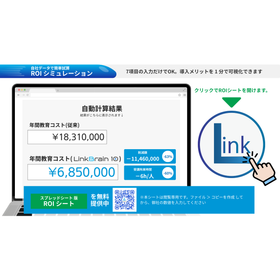
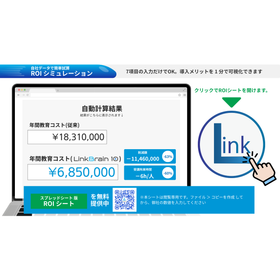
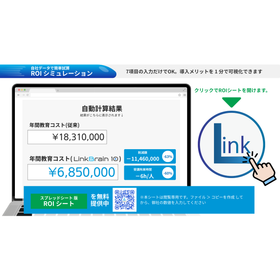
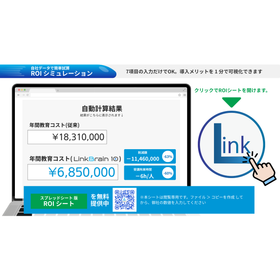
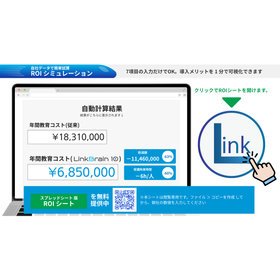
In the pharmaceutical industry, compliance is extremely important, and thorough education for employees is required. In particular, responding to changes in regulations and new guidelines is a crucial factor that affects a company's credibility. However, maintaining the quality of education and ensuring that all employees fully understand it amidst busy operations is not easy. LinkBrain10 communicates important information about compliance clearly through a 10-minute animated video. It supports 17 languages, allowing foreign staff to learn in their native language, which enhances understanding and reduces the risk of compliance violations. 【Usage Scenarios】 - Education on compliance with regulations such as GMP, GQP, and GCP - Ensuring awareness of internal regulations and ethical codes - Compliance education for foreign staff 【Benefits of Implementation】 - Reduced risk of compliance violations - Assurance of quality and consistency in education - Strengthened audit responses - Enhanced understanding among foreign staff - Reduction in education costs

  • Distance learning/E-learning
  • Educational Videos

Added to bookmarks

Bookmarks list

Bookmark has been removed

Bookmarks list

You can't add any more bookmarks

By registering as a member, you can increase the number of bookmarks you can save and organize them with labels.

Free membership registration