We have compiled a list of manufacturers, distributors, product information, reference prices, and rankings for Explanation video.
ipros is IPROS GMS IPROS One of the largest technical database sites in Japan that collects information on.

Explanation video Product List and Ranking from 5 Manufacturers, Suppliers and Companies

Last Updated: Aggregation Period:Dec 17, 2025~Jan 13, 2026
This ranking is based on the number of page views on our site.

Explanation video Manufacturer, Suppliers and Company Rankings

Last Updated: Aggregation Period:Dec 17, 2025~Jan 13, 2026
This ranking is based on the number of page views on our site.

  1. 松井製作所 Osaka//Ferrous/Non-ferrous metals
  2. アイサンテクノロジー Aichi//software
  3. ジャパンエレグロス モズシリーズ本店 Osaka//Other manufacturing
  4. 4 プレゼンス Kanagawa//others
  5. 4 エルモ Osaka//Service Industry

Explanation video Product ranking

Last Updated: Aggregation Period:Dec 17, 2025~Jan 13, 2026
This ranking is based on the number of page views on our site.

  1. What is flatness for machine manufacturing? A basic explanation in 5 minutes! 松井製作所
  2. Effective Use of Registration Information Data (Registration Books and Raster Maps) | Function Explanation Video アイサンテクノロジー
  3. Video explanation of NC lathe programs for semiconductor manufacturing equipment. 松井製作所
  4. [For Machine Manufacturing] Geometric Tolerances: Basic Explanation of Inclination 松井製作所
  5. 4 [For Precision Instruments] Geometric Tolerances: Circular Runout and Total Runout Basic Explanation 松井製作所

Explanation video Product List

76~90 item / All 92 items

Displayed results

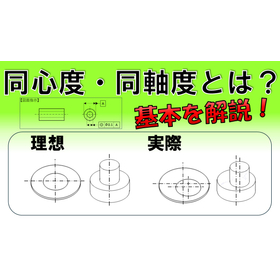
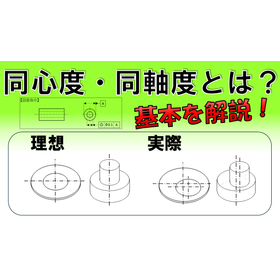
Explanation video on concentricity and coaxiality for optical instruments.

Explaining the fundamentals of geometric tolerances essential for improving the performance of optical instruments!

In the optical equipment industry, high precision is required in the assembly of precision components such as lenses and barrels. In particular, misalignment of the optical axis can lead to a decrease in optical performance and distortion of images. Understanding concentricity and coaxiality is essential for solving these issues and maximizing product performance. This video explains the definitions of concentricity and coaxiality, examples of their use, how they are represented in drawings, and points to consider, supporting problem-solving in the design and manufacturing of optical equipment. 【Usage Scenarios】 - Design and manufacturing of precision components such as lenses and barrels - Quality control of optical equipment - Performance evaluation of products 【Benefits of Implementation】 - Improvement of optical equipment performance - Enhancement of product quality - Streamlining of design and manufacturing processes

Added to bookmarks

Bookmarks list

Bookmark has been removed

Bookmarks list

You can't add any more bookmarks

By registering as a member, you can increase the number of bookmarks you can save and organize them with labels.

Free membership registration

Video explanation of concentricity and coaxiality for watch manufacturing.

Explaining the basics of geometric tolerances in watch manufacturing!

In the watch manufacturing industry, the assembly of precise components is required, and the accuracy of concentricity and coaxiality affects the quality of the products. Particularly in precision parts such as movements, even a slight misalignment can lead to functional failures. This video explains the definitions of concentricity and coaxiality, examples of their use, how they are represented in drawings, and points to be aware of, contributing to the improvement of quality control in watch manufacturing. 【Usage Scenarios】 - Manufacturing of movement components - Processing of case components - High-precision assembly processes 【Effects of Implementation】 - Stabilization of quality - Reduction of defect rates - Improvement of product reliability

Added to bookmarks

Bookmarks list

Bookmark has been removed

Bookmarks list

You can't add any more bookmarks

By registering as a member, you can increase the number of bookmarks you can save and organize them with labels.

Free membership registration

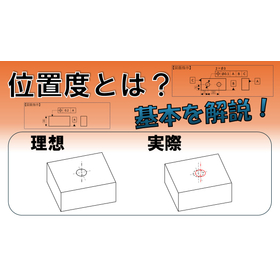
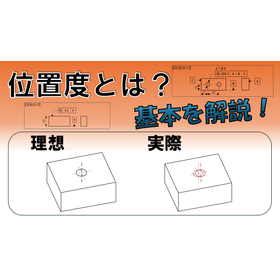
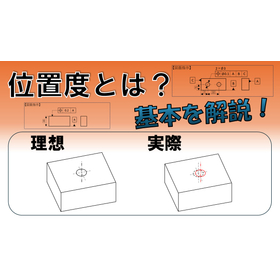
[For the automotive industry] Geometric Tolerances Positioning Basic Explanation Video

Contributing to the improvement of precision in automotive parts! Explaining the basics of positional accuracy.

In the automotive industry, high precision is required to ensure the quality and performance of parts. This is especially true for critical components such as engines and transmissions, where an understanding of positional tolerance and appropriate instructions are essential. Misinterpretation of positional tolerance or inappropriate instructions can lead to assembly defects and performance degradation. This video explains the basics of "positional tolerance," a type of geometric tolerance. It covers the definition of positional tolerance, examples of its use, how it is represented on drawings, and points to be aware of in its application, supporting problem-solving in the design and manufacturing of automotive parts. By watching this video, you can deepen your understanding of positional tolerance and contribute to the improvement of automotive parts quality. 【Application Scenarios】 - Design of automotive parts - Quality control in manufacturing sites - Training for engineers 【Benefits of Implementation】 - Improvement of part accuracy - Reduction of assembly defects - Increased efficiency in quality management

Added to bookmarks

Bookmarks list

Bookmark has been removed

Bookmarks list

You can't add any more bookmarks

By registering as a member, you can increase the number of bookmarks you can save and organize them with labels.

Free membership registration

Aerospace Positioning Fundamentals Video

Explaining the fundamentals of positioning in the aerospace field!

In the aerospace industry, the reliability and safety of products are of utmost importance. Weight reduction is essential for improving fuel efficiency and performance, and precise manufacturing of parts is required. Positional tolerance is one of the important geometric tolerances that ensure the dimensional accuracy of parts. This video explains the definition of positional tolerance, its usage scenarios, how it is represented in drawings, and points to be aware of when using it. By deepening the understanding of positional tolerance, we contribute to quality improvement in design and manufacturing. 【Usage Scenarios】 - Design and manufacturing of aircraft parts - Manufacturing of components for space exploration vehicles - Manufacturing of parts where weight reduction is required 【Effects of Implementation】 - Improvement in part quality - Reduction of design errors - Reduction of manufacturing costs

Added to bookmarks

Bookmarks list

Bookmark has been removed

Bookmarks list

You can't add any more bookmarks

By registering as a member, you can increase the number of bookmarks you can save and organize them with labels.

Free membership registration

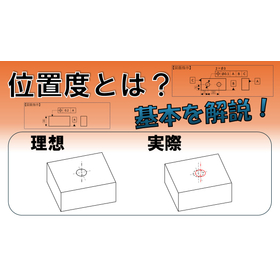
Basic Explanation Video on Positioning for Machine Tools

A clear explanation of the basics of positional degree in a video!

In the machine tool industry, high-precision machining of parts is required to improve product quality and performance. In particular, understanding positional tolerance is essential for achieving accurate machining according to drawing specifications. Misunderstandings or improper interpretations of positional tolerance can lead to defective parts and decreased assembly accuracy. This video explains the basics of "positional tolerance," a type of geometric tolerance. 【Usage Scenarios】 - Design and manufacturing of machine tool parts - Quality control of high-precision machining - Improvement of drawing interpretation skills 【Benefits of Implementation】 - Deepens understanding of positional tolerance and enhances drawing interpretation abilities - Achieves high-precision part machining and improves product quality - Contributes to the reduction of defective products and cost savings

Added to bookmarks

Bookmarks list

Bookmark has been removed

Bookmarks list

You can't add any more bookmarks

By registering as a member, you can increase the number of bookmarks you can save and organize them with labels.

Free membership registration

Video explaining positional accuracy for 3D printing

Deepen your understanding of positional accuracy in 3D printing!

In the 3D printing industry, the accuracy of the printed objects greatly affects the quality of the products. This is especially true when combining multiple parts or when products require precise movements, making the understanding of positional tolerance essential. Misunderstandings or inaccurate interpretations of positional tolerance can lead to defects in the printed objects or assembly failures. This video explains the basics of "positional tolerance," a type of geometric tolerance. It covers the definition of positional tolerance, examples of its use, how it is represented in drawings, and points to be cautious about when using it. Please make use of this information to produce high-quality printed objects with your 3D printer. 【Usage Scenarios】 - When manufacturing precision parts with a 3D printer - During the design and manufacturing of products that combine multiple parts - When conducting quality control of printed objects 【Benefits of Implementation】 - Deepening the understanding of positional tolerance and improving the accuracy of printed objects - Reducing mistakes during the design and manufacturing stages - Ensuring a stable supply of high-quality products

Added to bookmarks

Bookmarks list

Bookmark has been removed

Bookmarks list

You can't add any more bookmarks

By registering as a member, you can increase the number of bookmarks you can save and organize them with labels.

Free membership registration

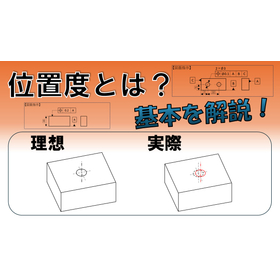
What is positional accuracy for optical devices? An explanation of the basics!

I will answer the question, 'What is positionality?'

In the optical equipment industry, precise positioning of components is required to maintain product performance. Particularly with precision parts such as lenses and sensors, even slight deviations in positioning can lead to a decline in optical performance. Improper positioning can cause image distortion and reduced resolution. This video explains the basics of "position tolerance," a type of geometric tolerance. By understanding the definition of position tolerance, how it is used in drawings, and points to be aware of, it can contribute to quality improvement in the design and manufacturing of optical equipment. 【Application Scenarios】 - Positioning of optical lenses - Installation of sensors - Assembly of precision parts 【Benefits of Implementation】 - Improvement of optical performance - Enhancement of product quality - Improvement of yield

Added to bookmarks

Bookmarks list

Bookmark has been removed

Bookmarks list

You can't add any more bookmarks

By registering as a member, you can increase the number of bookmarks you can save and organize them with labels.

Free membership registration

Positioning Explanation Video for Watch Manufacturing

Explaining the basics of positional accuracy! Improving quality in watch manufacturing.

In the watch manufacturing industry, precise positioning of components is essential to ensure product durability. Particularly in the case of intricate movements and exterior parts, the positional accuracy of each component significantly impacts the product's lifespan and performance. A lack of understanding of positional tolerances or improper instructions can lead to assembly defects or functional failures. This video explains the basics of "position tolerance," a type of geometric tolerance. It covers the definition of position tolerance, examples of its use, how it is represented in drawings, and points to consider when using it. Understanding the importance of position tolerance in watch manufacturing will help improve quality. 【Usage Scenarios】 - Manufacturing movement components - Assembling exterior parts - Education in quality control departments 【Benefits of Implementation】 - Improved assembly accuracy of components - Enhanced product durability - Reduction of defective products - Increased quality management capabilities

Added to bookmarks

Bookmarks list

Bookmark has been removed

Bookmarks list

You can't add any more bookmarks

By registering as a member, you can increase the number of bookmarks you can save and organize them with labels.

Free membership registration

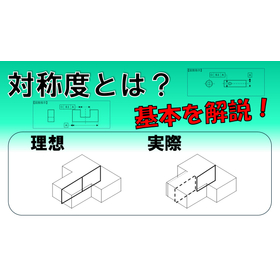
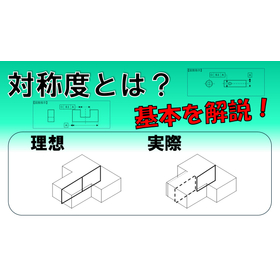
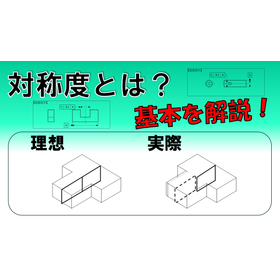
[Aerospace] Geometric Tolerance Symmetry Basic Explanation Video

Explaining the basics of symmetry in a video!

In the aerospace industry, reducing the weight of products is essential for improving fuel efficiency and performance. Understanding and applying geometric tolerances correctly during the design phase is important for ensuring both weight reduction and product reliability. A lack of understanding of symmetry can lead to manufacturing errors in parts, potentially adversely affecting the performance of the final product. This video explains the basics of "symmetry," a type of geometric tolerance. It covers the definition of symmetry, examples of its use, how it is represented in drawings, and points to consider when using it. By watching this video, designers will be able to understand symmetry correctly and apply it in their designs. [Application Scenarios] - Design of aerospace components - Quality control in manufacturing processes - Technical education [Benefits of Introduction] - Reducing errors during the design phase - Improving quality in manufacturing processes - Enhancing the knowledge of engineers

Added to bookmarks

Bookmarks list

Bookmark has been removed

Bookmarks list

You can't add any more bookmarks

By registering as a member, you can increase the number of bookmarks you can save and organize them with labels.

Free membership registration

Basic Explanation of Geometric Tolerances for Molds: Symmetry

Explaining the basics of symmetry that are useful for mold design and manufacturing!

In the mold industry, it is important to manufacture molds with precision according to the drawings in order to enhance the durability of the products. In particular, symmetry has a significant impact on the strength and functionality of the mold, making its understanding essential. If the symmetry specifications are not appropriate, it may lead to early mold failure or a decrease in product accuracy. This video explains the basics of "symmetry," which is a type of geometric tolerance. 【Application Scenarios】 - During the design phase of molds - Quality control during mold manufacturing - When interpreting drawings 【Effects of Implementation】 - Deepening the understanding of symmetry and improving the accuracy of mold design - Streamlining quality control in mold manufacturing - Reducing mold-related issues through accurate understanding of drawing specifications

Added to bookmarks

Bookmarks list

Bookmark has been removed

Bookmarks list

You can't add any more bookmarks

By registering as a member, you can increase the number of bookmarks you can save and organize them with labels.

Free membership registration

What is geometric tolerance for symmetry in watch manufacturing?

Explaining the "symmetry" that affects the aesthetics of watch parts!

In the watch manufacturing industry, precise processing of parts is required to balance the aesthetics and functionality of products. Particularly for external components such as watch dials and hands, symmetry greatly influences the quality of the product. Deficiencies in symmetry can lead to uneven appearances and decreased assembly accuracy, potentially compromising the product's value. This video explains the basics of "symmetry," a type of geometric tolerance. By understanding the definition of symmetry, examples of its use, how it is represented in drawings, and points to consider when using it, you can enhance the quality of design and manufacturing of watch components. 【Application Scenarios】 - Design and manufacturing of external components such as watch dials, hands, and cases - Quality control regarding the symmetry of parts - Understanding and utilizing drawing specifications 【Benefits of Implementation】 - Deepening understanding of symmetry to improve design and manufacturing quality - Balancing aesthetics and functionality of external components - Reducing defective products and cutting costs

Added to bookmarks

Bookmarks list

Bookmark has been removed

Bookmarks list

You can't add any more bookmarks

By registering as a member, you can increase the number of bookmarks you can save and organize them with labels.

Free membership registration

Video explanation of geometric tolerances for instrument manufacturing: symmetry.

Contributing to the improvement of musical instrument sound quality! Explaining the basics of symmetry.

In the musical instrument manufacturing industry, uniformity and stability of sound quality are required. In particular, for parts related to the vibration and resonance of instruments, the accuracy of dimensions significantly affects the timbre. Understanding symmetry is essential for ensuring quality at the design stage. Improper symmetry can lead to pitch discrepancies and deterioration of sound quality. This video explains the basics of "symmetry," a type of geometric tolerance. 【Application Scenarios】 - Design of instrument parts - Quality control in the manufacturing process - Problem-solving related to sound quality 【Effects of Implementation】 - Improvement of quality at the design stage - Reduction of defect rates in the manufacturing process - Stabilization of sound quality

Added to bookmarks

Bookmarks list

Bookmark has been removed

Bookmarks list

You can't add any more bookmarks

By registering as a member, you can increase the number of bookmarks you can save and organize them with labels.

Free membership registration

Basic Explanation Video on Contour Measurement for Machine Manufacturing

Deepen understanding of drawings and contribute to cost reduction!

In the mechanical manufacturing industry, product quality and cost management are important challenges. Accurately understanding geometric tolerances on drawings enhances the manufacturing precision of parts, suppresses the occurrence of defective products, and ultimately leads to cost reduction. A lack of understanding of contour tolerance can cause design changes and manufacturing issues, potentially resulting in unnecessary costs. This video explains the basics of contour tolerance and supports the improvement of drawing interpretation skills. 【Usage Scenarios】 - Quality control in the manufacturing process of parts - Checking drawings during design changes - Quality improvement for cost reduction 【Effects of Implementation】 - Improved drawing comprehension - Reduced defect rates - Contribution to cost reduction

Added to bookmarks

Bookmarks list

Bookmark has been removed

Bookmarks list

You can't add any more bookmarks

By registering as a member, you can increase the number of bookmarks you can save and organize them with labels.

Free membership registration

[Aerospace] Geometric Tolerances: Circular Runout and Total Runout Explanation

Contributing to the improvement of precision machining quality!

In the aerospace industry, the reliability and safety of products are the most critical issues in precision machining. Particularly for products that require high precision, such as aircraft components, understanding geometric tolerances is essential. Improper management of circular runout and total runout can lead to performance degradation of parts and, in the worst case, accidents. This video explains the basics of "circular runout and total runout," which are types of geometric tolerances, and supports the improvement of quality control in precision machining. 【Usage Scenarios】 - Design and manufacturing of aerospace components - Manufacturing of precision mechanical parts - Education in quality control departments 【Benefits of Implementation】 - Deepening understanding of geometric tolerances and improving quality in design and manufacturing - Enhancing drawing interpretation skills - Reducing defective products and cutting costs

Added to bookmarks

Bookmarks list

Bookmark has been removed

Bookmarks list

You can't add any more bookmarks

By registering as a member, you can increase the number of bookmarks you can save and organize them with labels.

Free membership registration

[For Precision Instruments] Geometric Tolerances: Circular Runout and Total Runout Basic Explanation

Contributing to the improvement of precision machinery quality!

In the precision machinery industry, high precision and reliability of products are essential. Particularly in the assembly and operation of fine components, understanding geometric tolerances becomes crucial. Improper management of circular runout and total runout can lead to deterioration in product performance or failure. This video explains the basics of "circular runout and total runout," which are types of geometric tolerances, including their definitions, usage examples, how they are represented in drawings, and points to be cautious about when using them. We hope this video will assist you in improving quality in the design and manufacturing of precision machinery. 【Application Scenarios】 - Design phase of precision machinery - Quality control in the manufacturing process - Performance evaluation of products 【Benefits of Introduction】 - Deepen understanding of geometric tolerances and improve quality in design and manufacturing - Contribute to enhancing product reliability - Reduce defective products and cut costs

Added to bookmarks

Bookmarks list

Bookmark has been removed

Bookmarks list

You can't add any more bookmarks

By registering as a member, you can increase the number of bookmarks you can save and organize them with labels.

Free membership registration