We have compiled a list of manufacturers, distributors, product information, reference prices, and rankings for Flatness.
ipros is IPROS GMS IPROS One of the largest technical database sites in Japan that collects information on.

Flatness - List of Manufacturers, Suppliers, Companies and Products

Flatness Product List

1~6 item / All 6 items

Displayed results

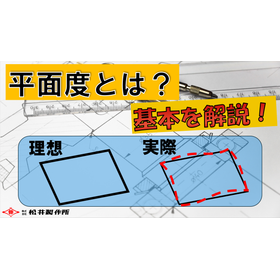
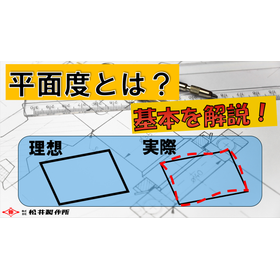
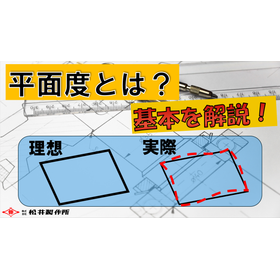
Flatness Explained in 5 Minutes for Machine Tools!

Contributing to improved machining accuracy! Explaining the basics of flatness.

In the machine tool industry, the machining accuracy that affects product quality is extremely important. Flatness is an essential factor in evaluating the accuracy of machined surfaces, and low accuracy can lead to assembly defects and product malfunctions. This video explains the basics of "flatness," a type of geometric tolerance, and supports problem-solving related to machining accuracy. 【Usage Scenarios】 * Design and manufacturing of machine tools * Quality control of machined products * Engineers who want to deepen their understanding of drawings 【Benefits of Introduction】 * Understanding the definition and importance of flatness * Improved ability to interpret flatness on drawings * Contribution to improving machining accuracy

Added to bookmarks

Bookmarks list

Bookmark has been removed

Bookmarks list

You can't add any more bookmarks

By registering as a member, you can increase the number of bookmarks you can save and organize them with labels.

Free membership registration

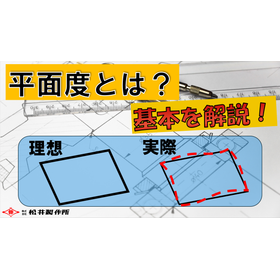
What is flatness for medical devices?

Contributing to the improvement of positioning accuracy in the precision processing of medical devices!

In the medical device industry, precise processing of components is required to ensure product safety and accuracy. Particularly for precision parts such as surgical instruments and diagnostic equipment, the accuracy of flatness is a crucial factor that affects product quality. Deficiencies in flatness can lead to assembly issues and reduced functionality, potentially impacting patient safety. This video explains the basics of "flatness," a type of geometric tolerance, and supports problem-solving in the design and manufacturing of medical devices. 【Usage Scenarios】 - Surgical instruments - Diagnostic equipment - Manufacturing of precision parts 【Benefits of Implementation】 - Deepening understanding of flatness to improve design and manufacturing quality - Cost reduction through the reduction of defective products - Enhancement of medical device performance

Added to bookmarks

Bookmarks list

Bookmark has been removed

Bookmarks list

You can't add any more bookmarks

By registering as a member, you can increase the number of bookmarks you can save and organize them with labels.

Free membership registration

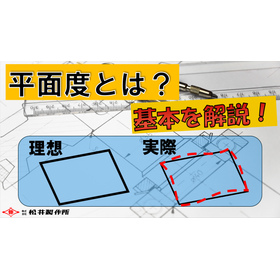
What is flatness for machine tools?

Contributing to the improvement of quality in the grinding process!

In the machine tool industry, high machining precision is required. In the grinding process, the accuracy of flatness is a crucial factor that affects the quality of the product. Deficiencies in flatness can lead to poor grinding and potentially have a negative impact on the performance of the final product. This video explains the basics of "flatness," a type of geometric tolerance, and supports problem-solving in the design and manufacturing of machine tools. 【Application Scenes】 - Grinding wheels - Grinding processes for precision parts - Manufacturing of parts where flatness is critical 【Benefits of Implementation】 - Deepening understanding of flatness to improve design and manufacturing quality - Cost reduction through the reduction of defective products - Improvement in product performance

Added to bookmarks

Bookmarks list

Bookmark has been removed

Bookmarks list

You can't add any more bookmarks

By registering as a member, you can increase the number of bookmarks you can save and organize them with labels.

Free membership registration

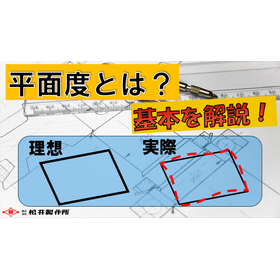
What is flatness for 3D printing?

Contributing to the improvement of the accuracy of 3D printer creations!

In the 3D printing industry, the accuracy of the printed objects is a crucial factor that influences the quality of the products. This is especially important when combining multiple parts or when precise fitting is required, as the accuracy of flatness becomes critical. Deficiencies in flatness can lead to assembly issues or functional failures. This video explains the basics of "flatness," a type of geometric tolerance, and supports problem-solving in 3D printer modeling. 【Usage Scenarios】 - Assembly of parts printed with a 3D printer - Prototyping of precision equipment - Manufacturing of jigs 【Benefits of Implementation】 - Deepening understanding of flatness and improving the quality of printed objects - Enhancing assembly accuracy - Improving product performance

Added to bookmarks

Bookmarks list

Bookmark has been removed

Bookmarks list

You can't add any more bookmarks

By registering as a member, you can increase the number of bookmarks you can save and organize them with labels.

Free membership registration

What is flatness for food manufacturing?

Contributing to the improvement of robot positioning accuracy!

In the food manufacturing industry, precise positioning by robots is required to maintain product quality during the conveying process. Particularly in the stacking and packaging processes of food, the flatness accuracy of the end effector of the robotic arm is crucial in preventing product damage and foreign matter contamination. Deficiencies in flatness can lead to misalignment, which may result in decreased product quality and reduced manufacturing efficiency. This video explains the basics of "flatness," a type of geometric tolerance, and supports problem-solving in the conveying processes of food manufacturing. 【Usage Scenarios】 - End effector of robotic arms - Assembly processes of precision equipment - Manufacturing of parts where positioning accuracy is critical 【Benefits of Implementation】 - Deepening understanding of flatness to improve design and manufacturing quality - Cost reduction through the reduction of defective products - Improvement of robot performance

Added to bookmarks

Bookmarks list

Bookmark has been removed

Bookmarks list

You can't add any more bookmarks

By registering as a member, you can increase the number of bookmarks you can save and organize them with labels.

Free membership registration

What is flatness for semiconductor manufacturing?

Contributing to the improvement of robot positioning accuracy!

In the semiconductor manufacturing industry, high positioning accuracy is required to improve product quality and yield. In particular, during the transport of wafers and the assembly process of precision components, the accuracy of flatness becomes a crucial factor that affects product quality. Deficiencies in flatness can lead to assembly defects and reduced machining accuracy, potentially adversely affecting the performance of the final product. This video explains the basics of "flatness," a type of geometric tolerance, and supports problem-solving in the design and manufacturing of robots. 【Application Scenes】 - End components of robotic arms - Assembly processes of precision equipment - Manufacturing of components where positioning accuracy is critical 【Benefits of Implementation】 - Deepening understanding of flatness to improve design and manufacturing quality - Cost reduction through the reduction of defective products - Improvement of robot performance

Added to bookmarks

Bookmarks list

Bookmark has been removed

Bookmarks list

You can't add any more bookmarks

By registering as a member, you can increase the number of bookmarks you can save and organize them with labels.

Free membership registration

Related Categories of Flatness