If the boiler is malfunctioning, let's check the steam trap!
◼️ What is a steam trap?
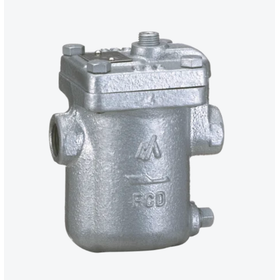
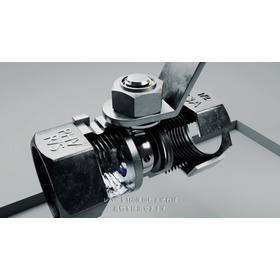
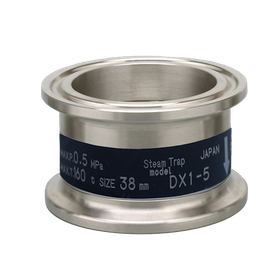
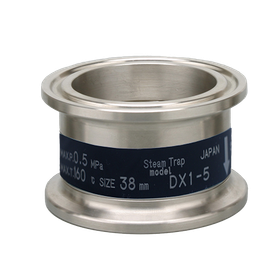
While steam is flashy, the real troublemaker in a factory's steam piping is the "water" that forms when steam cools. A steam trap is a device that automatically discharges condensate (drain) that accumulates in equipment and piping handling steam, such as boilers. It holds back the steam and allows only the condensate that has turned into water to escape. It can be understood as a "checkpoint that lets water through but not steam."
◼️ Purpose of installation
When condensate accumulates in the piping, high-speed steam pushes the water out, causing water hammer (hydraulic shock) that impacts the piping and fittings. It is installed to prevent damage to equipment and leaks.
◼️ Points to be aware of
There are multiple types of traps, such as bucket-type, each with different structures, so it is essential to understand the type when repairing or replacing them. Additionally, failures have two faces. If it breaks while closed, the condensate will not be discharged, leading to issues; if it breaks while open, steam will continue to leak, quietly wasting fuel. The latter is harder to notice, making regular inspections important.
The structure of traps and how to conduct inspections and energy-saving diagnostics are explained in this document. Please download the material!



![What are boilers and steam traps? [Basic Knowledge]](https://image.mono.ipros.com/public/product/image/2094936/IPROS6601281267978403127.jpg?w=280&h=280)