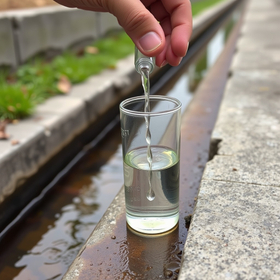
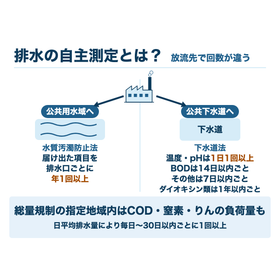
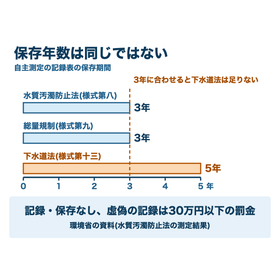
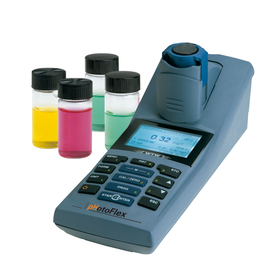
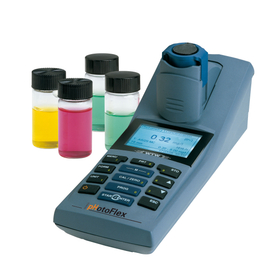
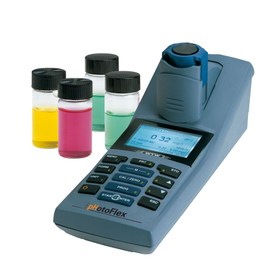
Self-monitoring by measuring and recording wastewater within the company. We will organize the number of measurements, the time and location of sampling, and the duration of record retention, which vary depending on whether the water is discharged into a river or a sewer.
In the water quality testing of factory effluent, there are requirements set by law for businesses to measure and record the data themselves. According to materials from the Ministry of the Environment, this is referred to as self-monitoring. The specific law governing the measurements depends on whether the effluent is discharged into public water bodies such as rivers or seas, or into public sewage systems. The former falls under the Water Pollution Prevention Act, while the latter is governed by the Sewage Act.
■ How are the measurement items determined?
Under the Water Pollution Prevention Act, measurements are taken for the items listed in the notification form (Appendix 4 of Form 1) regarding the establishment of specific facilities among the effluent standards. Items not reported may be measured as necessary. If there are any discrepancies in the reported items, a change notification must be submitted. The items measured are linked to the content of the notification.
■ Which factories discharge into sewage systems?
The Sewage Act requires businesses that continuously discharge effluent into sewage systems after establishing specific facilities to measure and record water quality. The measurement methods are determined according to the ministerial ordinance concerning the testing methods for sewage water quality.
■ Is there a significant difference in frequency even for the same factory?
When the discharge destination changes, the required frequency of measurements can vary greatly. We will compare them side by side in the next section. Please feel free to consult us first.