What is chlorine injection at water treatment plants? The role of sodium hypochlorite [Basic Knowledge]
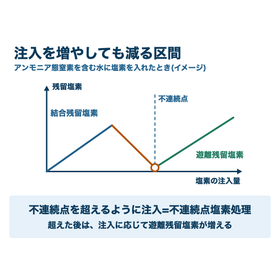
At water treatment plants, where and for what purpose is chlorine added? This explains the purposes of pre-chlorination and intermediate chlorination, discontinuous point chlorine treatment, and how to determine the injection amount.
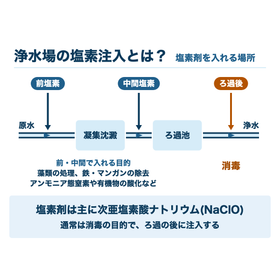
At water purification plants, chlorine agents are injected into the water for disinfection. Chlorine agents are typically injected after filtration for disinfection purposes. On the other hand, chlorine also has strong oxidative properties, so it may be used for other purposes during the treatment process. ■ What chlorine agents are used? The main chlorine agents are sodium hypochlorite and liquid chlorine, with most water supplies in recent years using commercially available sodium hypochlorite. There is also a method for self-manufacturing using electrolysis at purification plants. ■ Does it work immediately after being added? The ministerial ordinance that sets technical standards for water supply facilities stipulates that disinfection equipment must have a structure that allows the water to come into contact with the disinfectant for the necessary time to achieve disinfection effectiveness. ■ Why switch from liquid chlorine? Liquid chlorine is subject to regulations such as the High-Pressure Gas Safety Act and the Industrial Safety and Health Act. If liquid chlorine is being used, it is necessary to consider switching to safer alternatives like sodium hypochlorite to prevent secondary disasters from events like earthquakes. Due to safety and ease of handling, some water supply operators have introduced sodium hypochlorite in all purification plants. Please feel free to consult with us first.
- Company:トリイ
- Price:Other