iPROS Manufacturing
  • Search for products by classification category

    • Electronic Components and Modules
      Electronic Components and Modules
      58033items
    • Machinery Parts
      Machinery Parts
      73350items
    • Manufacturing and processing machinery
      Manufacturing and processing machinery
      97821items
    • Scientific and Physics Equipment
      Scientific and Physics Equipment
      33899items
    • Materials
      Materials
      36089items
    • Measurement and Analysis
      Measurement and Analysis
      53131items
    • Image Processing
      Image Processing
      14870items
    • Control and Electrical Equipment
      Control and Electrical Equipment
      51604items
    • Tools, consumables, and supplies
      Tools, consumables, and supplies
      63691items
    • Design and production support
      Design and production support
      12158items
    • IT/Network
      IT/Network
      42185items
    • Office
      Office
      13642items
    • Business support services
      Business support services
      32668items
    • Seminars and Skill Development
      Seminars and Skill Development
      5911items
    • Pharmaceutical and food related
      Pharmaceutical and food related
      27139items
    • others
      71909items
  • Search for companies by industry

    • Manufacturing and processing contract
      7345
    • others
      5017
    • Industrial Machinery
      4430
    • Machine elements and parts
      3281
    • Other manufacturing
      2879
    • IT/Telecommunications
      2543
    • Trading company/Wholesale
      2466
    • Industrial Electrical Equipment
      2310
    • Building materials, supplies and fixtures
      1812
    • software
      1641
    • Electronic Components and Semiconductors
      1563
    • Resin/Plastic
      1484
    • Service Industry
      1436
    • Testing, Analysis and Measurement
      1131
    • Ferrous/Non-ferrous metals
      977
    • environment
      704
    • Chemical
      630
    • Automobiles and Transportation Equipment
      560
    • Printing Industry
      509
    • Information and Communications
      453
    • Consumer Electronics
      419
    • Energy
      326
    • Rubber products
      313
    • Food Machinery
      303
    • Optical Instruments
      280
    • robot
      271
    • fiber
      251
    • Paper and pulp
      232
    • Electricity, Gas and Water Industry
      169
    • Pharmaceuticals and Biotechnology
      167
    • Warehousing and transport related industries
      146
    • Glass and clay products
      141
    • Food and Beverage
      130
    • CAD/CAM
      120
    • retail
      109
    • Educational and Research Institutions
      107
    • Medical Devices
      101
    • Ceramics
      96
    • wood
      89
    • Transportation
      83
    • Medical and Welfare
      63
    • Petroleum and coal products
      62
    • Shipbuilding and heavy machinery
      52
    • Aviation & Aerospace
      47
    • Fisheries, Agriculture and Forestry
      41
    • Public interest/special/independent administrative agency
      29
    • equipment
      26
    • self-employed
      24
    • Government
      21
    • Materials
      20
    • Research and development equipment and devices
      19
    • Mining
      17
    • Finance, securities and insurance
      13
    • Individual
      10
    • Restaurants and accommodations
      9
    • cosmetics
      9
    • Police, Fire Department, Self-Defense Forces
      7
    • Laboratory Equipment and Consumables
      3
    • Contracted research
      3
    • Raw materials for reagents and chemicals
      2
  • Special Features
  • Ranking

    • Overall Products Ranking
    • Overall Company Ranking
Search for Products
  • Search for products by classification category

  • Electronic Components and Modules
  • Machinery Parts
  • Manufacturing and processing machinery
  • Scientific and Physics Equipment
  • Materials
  • Measurement and Analysis
  • Image Processing
  • Control and Electrical Equipment
  • Tools, consumables, and supplies
  • Design and production support
  • IT/Network
  • Office
  • Business support services
  • Seminars and Skill Development
  • Pharmaceutical and food related
  • others
Search for Companies
  • Search for companies by industry

  • Manufacturing and processing contract
  • others
  • Industrial Machinery
  • Machine elements and parts
  • Other manufacturing
  • IT/Telecommunications
  • Trading company/Wholesale
  • Industrial Electrical Equipment
  • Building materials, supplies and fixtures
  • software
  • Electronic Components and Semiconductors
  • Resin/Plastic
  • Service Industry
  • Testing, Analysis and Measurement
  • Ferrous/Non-ferrous metals
  • environment
  • Chemical
  • Automobiles and Transportation Equipment
  • Printing Industry
  • Information and Communications
  • Consumer Electronics
  • Energy
  • Rubber products
  • Food Machinery
  • Optical Instruments
  • robot
  • fiber
  • Paper and pulp
  • Electricity, Gas and Water Industry
  • Pharmaceuticals and Biotechnology
  • Warehousing and transport related industries
  • Glass and clay products
  • Food and Beverage
  • CAD/CAM
  • retail
  • Educational and Research Institutions
  • Medical Devices
  • Ceramics
  • wood
  • Transportation
  • Medical and Welfare
  • Petroleum and coal products
  • Shipbuilding and heavy machinery
  • Aviation & Aerospace
  • Fisheries, Agriculture and Forestry
  • Public interest/special/independent administrative agency
  • equipment
  • self-employed
  • Government
  • Materials
  • Research and development equipment and devices
  • Mining
  • Finance, securities and insurance
  • Individual
  • Restaurants and accommodations
  • cosmetics
  • Police, Fire Department, Self-Defense Forces
  • Laboratory Equipment and Consumables
  • Contracted research
  • Raw materials for reagents and chemicals
Special Features
Ranking
  • Overall Products Ranking
  • Overall Company Ranking
  • privacy policy
  • terms of service
  • About Us
  • Careers
  • Advertising
  1. Home
  2. Ferrous/Non-ferrous metals
  3. 松井製作所
  4. Product/Service List
Ferrous/Non-ferrous metals
  • Added to bookmarks

    Bookmarks list

    Bookmark has been removed

    Bookmarks list

    You can't add any more bookmarks

    By registering as a member, you can increase the number of bookmarks you can save and organize them with labels.

    Free membership registration

松井製作所

EstablishmentMarch 1961
capital3300Ten thousand
number of employees81
addressOsaka/Joto-ku, Osaka-shi/4-1-23 Nagata
phone06-6961-6043
  • Special site
  • Official site
last updated:Sep 30, 2025
松井製作所logo
  • Contact this company

    Contact Us Online
  • Before making an inquiry

    Download PDF
  • Company information
  • Products/Services(1735)
  • catalog(71)
  • news(14)

松井製作所 List of Products and Services

  • category

181~225 item / All 380 items

Displayed results

Filter by category

Forging Forging
Machining Machining
Pipe processing Pipe processing
Brazing process Brazing process
Assembly and Inspection Assembly and Inspection
Unit product Unit product
Others Others
YouTube YouTube
YouTube

YouTube

This is an introduction to the videos published on our YouTube channel "Matsui Manufacturing Channel"!
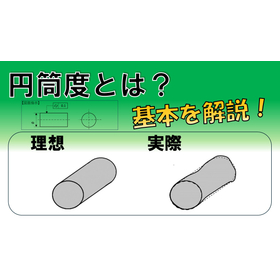
What is roundness for the energy industry? An explanation of the basics!
Helpful for pipe quality control! An explanation of the basics of cylindricity.

In the energy industry, particularly in the manufacturing and maintenance of pipelines, dimensional accuracy is crucial. If the roundness of the pipes is not properly managed, it can lead to leaks at the joints and a decrease in strength, potentially affecting the safety of energy supply. This video explains the definition of roundness, examples of its use, how it is represented in drawings, and precautions for its use. Please utilize this for pipe quality management. 【Usage Scenarios】 - Pipeline manufacturing - Pipe quality management - Drawing creation 【Benefits of Implementation】 - Improved pipe quality - Increased product reliability - Cost reduction

Added to bookmarks

Bookmarks list

Bookmark has been removed

Bookmarks list

You can't add any more bookmarks

By registering as a member, you can increase the number of bookmarks you can save and organize them with labels.

Free membership registration

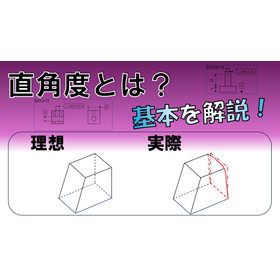
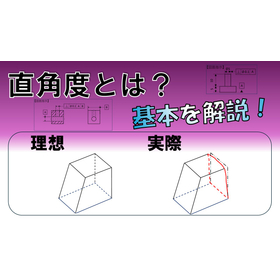
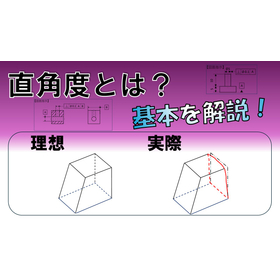
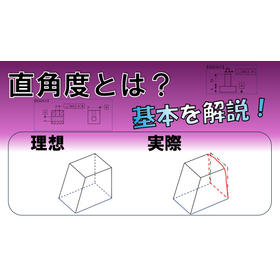
Basic Explanation of Geometric Tolerances for Automotive Quality Management: Right Angle

Helpful for quality control of automotive parts!

In the automotive industry, precise manufacturing of parts is essential for quality control. In particular, perpendicularity significantly affects the assembly accuracy of components and is a crucial factor that influences the performance and safety of the product. A lack of understanding of perpendicularity can lead to defects in parts and assembly errors, potentially resulting in a decline in the quality of the final product. This video explains the basics of "perpendicularity," a type of geometric tolerance, and supports problem-solving in quality management of automotive parts. 【Usage Scenarios】 - Design and manufacturing departments of automotive parts - Quality control personnel - Engineers on the manufacturing floor 【Benefits of Introduction】 - Understanding the definition and importance of perpendicularity - Improved ability to interpret perpendicularity on drawings - Early detection of issues in quality management - Enhanced quality of parts and increased reliability of products

Added to bookmarks

Bookmarks list

Bookmark has been removed

Bookmarks list

You can't add any more bookmarks

By registering as a member, you can increase the number of bookmarks you can save and organize them with labels.

Free membership registration

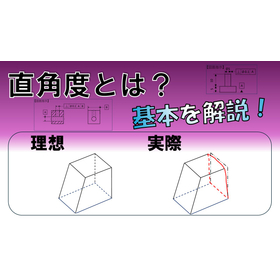
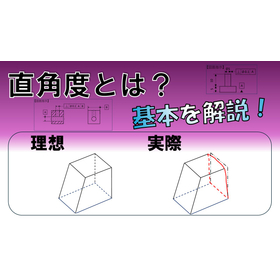
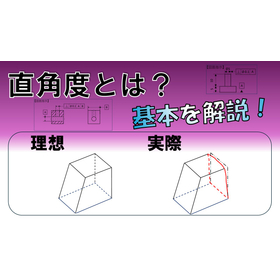
[Aerospace] Geometric Tolerances: Basic Explanation of Perpendicularity

Contributing to the improvement of precision in the aerospace field!

In the aerospace industry, the precise manufacturing of parts is essential to ensure the safety and performance of products. Particularly in components such as aircraft parts, even a slight deviation in perpendicularity can significantly impact overall functionality. This video explains the basics of "perpendicularity," a type of geometric tolerance. It covers the definition of perpendicularity, examples of its use, how it is represented in drawings, and points to consider when using it, supporting the resolution of quality management challenges in the aerospace field. 【Application Scenarios】 - Manufacturing of aircraft parts - Manufacturing of space development-related components - Manufacturing of precision instruments 【Benefits of Implementation】 - Deepening understanding of perpendicularity and improving design and manufacturing quality - Enhancing drawing interpretation skills - Early detection of issues in quality management

Added to bookmarks

Bookmarks list

Bookmark has been removed

Bookmarks list

You can't add any more bookmarks

By registering as a member, you can increase the number of bookmarks you can save and organize them with labels.

Free membership registration

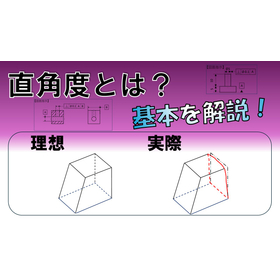
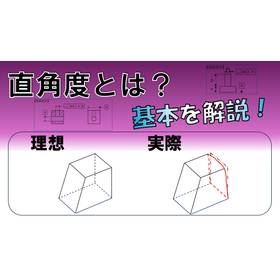
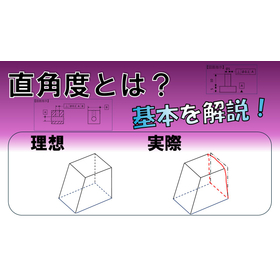
Basic Explanation of Geometric Tolerances for Machine Manufacturing: Right Angle

A clear explanation of the basics of right angles in a video!

In the machinery manufacturing industry, product quality and cost management are important issues. In particular, the precision of parts greatly affects product performance and durability, potentially leading to an increase in defective products and rework. Understanding geometric tolerances, especially perpendicularity, enhances the accuracy of drawing interpretation, reduces waste in the manufacturing process, and contributes to cost reduction. This video explains the definition of perpendicularity, examples of its use, how it is applied in drawings, and points to be aware of, supporting problem-solving in design and manufacturing. 【Usage Scenarios】 - Design and manufacturing of machine parts - Education in quality control departments - Companies aiming for cost reduction 【Effects of Implementation】 - Improved drawing interpretation skills - Increased efficiency in manufacturing processes - Reduction of defective products - Cost reduction

Added to bookmarks

Bookmarks list

Bookmark has been removed

Bookmarks list

You can't add any more bookmarks

By registering as a member, you can increase the number of bookmarks you can save and organize them with labels.

Free membership registration

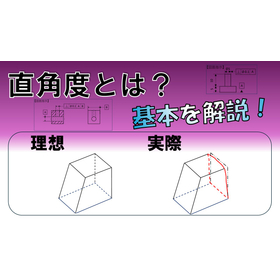
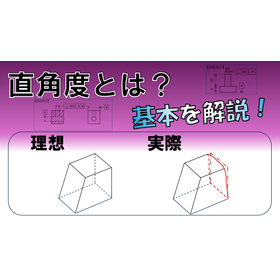
[For Molds] Basic Explanation Video on Geometric Tolerances: Right Angle

Solving questions about perpendicularity in mold design and manufacturing!

In the mold industry, understanding perpendicularity is essential to guarantee the dimensional accuracy of products. If the perpendicularity of a mold is inaccurate, it can lead to dimensional defects in molded products or assembly issues, potentially resulting in a decline in product quality. This video explains the basics of "perpendicularity," a type of geometric tolerance, including its definition, examples of use, how it is represented in drawings, and precautions for use. By deepening the understanding of perpendicularity, we contribute to quality improvement in mold design and manufacturing. 【Application Scenarios】 - Creating drawings during the mold design phase - Dimensional management during mold production - Quality inspection of molded products 【Benefits of Implementation】 - Acquisition of knowledge regarding perpendicularity - Improvement of quality in mold design and manufacturing - Reduction of defective products and cost savings

Added to bookmarks

Bookmarks list

Bookmark has been removed

Bookmarks list

You can't add any more bookmarks

By registering as a member, you can increase the number of bookmarks you can save and organize them with labels.

Free membership registration

Basic Explanation of Geometric Tolerances for Precision Instruments: Right Angle

Explaining the basics of right angles! Improving the quality of precision instruments.

In the precision machinery industry, understanding geometric tolerances is essential for maintaining product accuracy and reliability. In particular, perpendicularity greatly affects the assembly accuracy of parts and influences product performance. Understanding the definition of perpendicularity and its application in drawings is important for quality management of products. This video clearly explains the basics of perpendicularity and contributes to maintaining the performance of precision machinery. 【Usage Scenarios】 - Design and manufacturing of precision machinery - Education in quality control departments - Engineers aiming to improve product accuracy 【Benefits of Introduction】 - Deepening understanding of perpendicularity and improving design and manufacturing accuracy - Enhancing product quality and reducing defect rates - Skill enhancement for engineers

Added to bookmarks

Bookmarks list

Bookmark has been removed

Bookmarks list

You can't add any more bookmarks

By registering as a member, you can increase the number of bookmarks you can save and organize them with labels.

Free membership registration

[For Medical Devices] Geometric Tolerance Right Angle Basic Explanation Video

Helpful for the design and manufacturing of medical devices! An explanation of the basics of right angles.

In the medical device industry, accurate dimensions and shapes of components are essential to ensure product safety and reliability. Particularly in medical devices that require precise assembly, the perpendicularity of components significantly affects product performance. Errors in perpendicularity can lead to equipment malfunctions and risks to patients. This video explains the basics of "perpendicularity," one of the geometric tolerances, and supports problem-solving in medical device design and manufacturing. 【Usage Scenarios】 - Design phase of medical devices - Quality control in the manufacturing process - Incoming inspection of components 【Benefits of Implementation】 - Deepening understanding of perpendicularity, leading to improved design and manufacturing quality - Enhanced ability to read technical drawings - Cost reduction through the reduction of defective products

Added to bookmarks

Bookmarks list

Bookmark has been removed

Bookmarks list

You can't add any more bookmarks

By registering as a member, you can increase the number of bookmarks you can save and organize them with labels.

Free membership registration

【For Semiconductors】Geometric Tolerance Right Angle Basic Explanation Video

Explaining the basics of perpendicularity in microfabrication!

In the semiconductor industry, high precision is required in microfabrication. In particular, even slight deviations in perpendicularity can significantly affect product performance. Understanding perpendicularity is crucial in quality control. This video explains the basics of "perpendicularity," which is a type of geometric tolerance. 【Application Scenarios】 * Reading drawings in microfabrication * Understanding measurement methods in quality control * Troubleshooting in manufacturing sites 【Effects of Introduction】 * Improvement in knowledge regarding perpendicularity * Enhancement of quality control capabilities * Reduction in the rate of defective products

Added to bookmarks

Bookmarks list

Bookmark has been removed

Bookmarks list

You can't add any more bookmarks

By registering as a member, you can increase the number of bookmarks you can save and organize them with labels.

Free membership registration

【For Machine Tools】Geometric Tolerances: Basic Explanation of Perpendicularity

Explaining the basics of right angles! Contributing to high precision.

In the machine tool industry, there is a demand for high precision in products. In particular, the assembly precision and machining precision of parts are crucial factors that influence the overall performance of the product. A lack of understanding of perpendicularity can lead to a decrease in these precisions, potentially resulting in defective products and performance degradation. This video explains the basics of "perpendicularity," which is a type of geometric tolerance. 【Application Scenarios】 - Design and manufacturing of machine tools - Quality control in parts processing - Improvement of drawing comprehension 【Effects of Introduction】 - Deepening understanding of perpendicularity and improving design and manufacturing precision - Reduction of defective products and cost savings - Improvement of product quality and customer satisfaction

Added to bookmarks

Bookmarks list

Bookmark has been removed

Bookmarks list

You can't add any more bookmarks

By registering as a member, you can increase the number of bookmarks you can save and organize them with labels.

Free membership registration

Basic Geometric Tolerances for Electronic Devices: Perpendicularity

Improve the quality of electronic devices with an understanding of right angles!

In the electronics industry, precise manufacturing of components is essential to ensure product reliability. In particular, the accuracy of perpendicularity significantly affects the assembly precision and performance of products. If perpendicularity is not properly managed, it can lead to component distortion or poor contact, potentially resulting in product failure or performance degradation. This video explains the basics of "perpendicularity," a type of geometric tolerance. It covers the definition of perpendicularity, examples of its use, how it is represented in drawings, and points to consider when using it, contributing to the improvement of quality in electronic devices. 【Application Scenarios】 - Design and manufacturing departments of electronic devices - Quality control departments - Procurement departments for components 【Benefits of Implementation】 - Deepen understanding of perpendicularity and improve quality in design and manufacturing - Contribute to enhancing product reliability - Reduce defective products and cut costs

Added to bookmarks

Bookmarks list

Bookmark has been removed

Bookmarks list

You can't add any more bookmarks

By registering as a member, you can increase the number of bookmarks you can save and organize them with labels.

Free membership registration

[For Robots] Geometric Tolerances: Basic Explanation Video on Perpendicularity

To improve the operational accuracy of robots!

In the robotics industry, precise assembly of products and stable operation are required. Particularly for robots that perform precise positioning and repetitive movements, the perpendicularity of components is crucial. Errors in perpendicularity can lead to malfunctioning of the robot and a decline in product quality. This video explains the basics of "perpendicularity," a type of geometric tolerance. 【Application Scenarios】 - Assembly of robotic arms - Manufacturing of precision equipment - Processes requiring positioning accuracy 【Benefits of Implementation】 - Improved operational accuracy of robots - Enhanced product quality - Reduction of defective products Matsui Manufacturing Co., Ltd. offers a consistent production system from hot forging to machining, pipe bending, brazing, and unit assembly, focusing on non-ferrous metals such as copper, brass, and aluminum. We propose suitable QCD (Quality, Cost, Delivery) solutions to our customers from our production bases located in four locations (Osaka, Tottori, Himeji, and China).

Added to bookmarks

Bookmarks list

Bookmark has been removed

Bookmarks list

You can't add any more bookmarks

By registering as a member, you can increase the number of bookmarks you can save and organize them with labels.

Free membership registration

Basic Geometric Tolerances for 3D Printing: Right Angle

To improve the accuracy of 3D printer creations!

In the 3D printing industry, the accuracy of the printed objects greatly affects the quality of the products. Particularly in additive manufacturing, precise alignment of each layer is crucial, and understanding perpendicularity is essential. If perpendicularity is not properly managed, dimensional errors and distortions in the printed objects may occur, potentially adversely affecting the functionality and appearance of the products. This video explains the basics of "perpendicularity," a type of geometric tolerance. It covers the definition of perpendicularity, how it is used in drawings, and points to consider when using it, supporting problem-solving in 3D printer manufacturing. 【Application Scenarios】 - When producing prototypes with a 3D printer - Manufacturing parts that require high precision in printed objects - When defects occur that differ from the design drawings 【Benefits of Implementation】 - Improvement in the quality of printed objects - Achieving prints as per the design - Reduction of defective products

Added to bookmarks

Bookmarks list

Bookmark has been removed

Bookmarks list

You can't add any more bookmarks

By registering as a member, you can increase the number of bookmarks you can save and organize them with labels.

Free membership registration

[For Measuring Instruments] Geometric Tolerance Straightness Basic Explanation Video

Learn the basics of right angles and improve measurement accuracy!

In the measurement equipment industry, accurate measurements are essential to ensure product quality. In particular, the precision of perpendicularity greatly affects the performance of the equipment. If the understanding of perpendicularity is insufficient, measurement errors may occur, leading to a decline in product quality. This video explains the basics of "perpendicularity," which is a type of geometric tolerance. 【Usage Scenarios】 - Manufacturing of measurement equipment - Utilization in quality control departments - Streamlining measurement operations 【Benefits of Implementation】 - Understanding the definition of perpendicularity and improving measurement accuracy - Understanding the indications of perpendicularity on drawings - Grasping points to note during measurements

Added to bookmarks

Bookmarks list

Bookmark has been removed

Bookmarks list

You can't add any more bookmarks

By registering as a member, you can increase the number of bookmarks you can save and organize them with labels.

Free membership registration

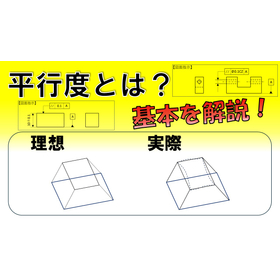
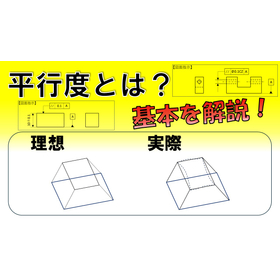
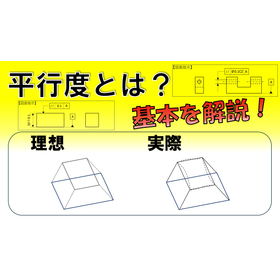
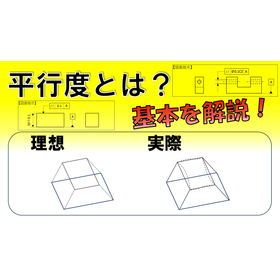
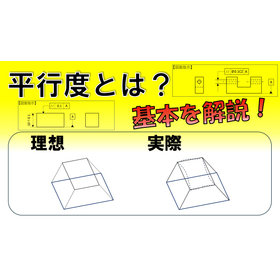
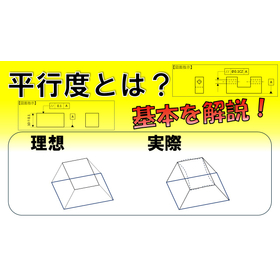
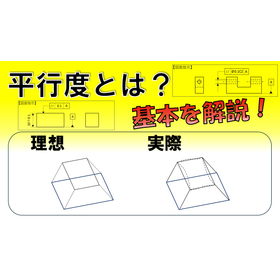
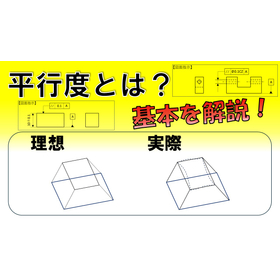
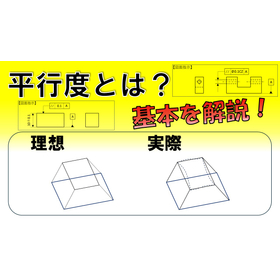
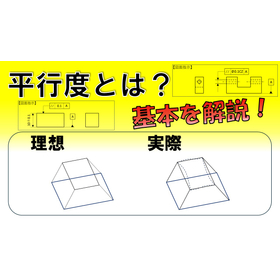
Explaining the Basics of Parallelism for the Automotive Industry!

I will answer the question, 'What is parallelism?'

In the automotive industry, the assembly precision of parts greatly affects the quality and performance of products. Particularly in critical components such as engines and transmissions, even a slight deviation in parallelism can lead to performance degradation or the occurrence of abnormal noises. This video explains the basics of "parallelism," a type of geometric tolerance. By understanding the definition of parallelism, its usage examples, how it is represented on drawings, and points to consider when using it, you can contribute to improving quality in the design and manufacturing of automotive parts. 【Application Scenarios】 - Design of automotive parts - Quality control in manufacturing sites - Inspection of parts 【Effects of Introduction】 - Improvement of assembly precision of parts - Enhancement of product quality - Reduction of defective products

Added to bookmarks

Bookmarks list

Bookmark has been removed

Bookmarks list

You can't add any more bookmarks

By registering as a member, you can increase the number of bookmarks you can save and organize them with labels.

Free membership registration

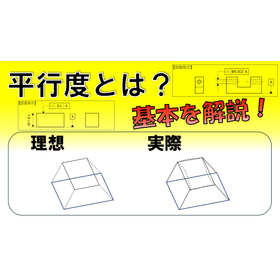
Explaining the basics of parallelism for aerospace applications!

I will answer the question, 'What is parallelism?'

In the aerospace industry, the precise manufacturing and assembly of parts are essential for ensuring the safety of aircraft. Particularly for parts that require high precision, a correct understanding of parallelism and appropriate instructions are crucial. Deficiencies in parallelism can lead to malfunctioning parts or structural weaknesses, potentially resulting in serious accidents. This video explains the basics of "parallelism," a type of geometric tolerance. It covers the definition of parallelism, examples of its use, how it is represented in drawings, and points to consider when using it. By watching this video, you can deepen your understanding of parallelism and contribute to safe product design. [Application Scenarios] - Manufacturing of aircraft parts - Manufacturing of space rocket parts - Manufacturing of precision instruments [Effects of Implementation] - Improvement in part quality - Enhancement of product safety - Reduction of design errors

Added to bookmarks

Bookmarks list

Bookmark has been removed

Bookmarks list

You can't add any more bookmarks

By registering as a member, you can increase the number of bookmarks you can save and organize them with labels.

Free membership registration

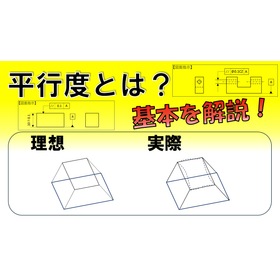
Explaining the Basics of Parallelism for Precision Machinery!

I will answer the question, 'What is parallelism?'

In the precision machinery industry, quality control is highly dependent on the accuracy of products. Parallelism is an essential factor in ensuring the precise assembly and operation of components, as even slight deviations can affect the overall performance of the product. A lack of understanding of parallelism can lead to the occurrence of defective products and a decline in product performance. This video explains the basics of "parallelism," a type of geometric tolerance. It covers the definition of parallelism, examples of its use, how it is represented in drawings, and points to consider when using it, so you can enhance your quality control. 【Application Scenarios】 - Quality control in the manufacturing process of precision machine parts - Understanding parallelism indications during the product design phase - Measuring parallelism in quality inspections 【Benefits of Introduction】 - Deepening understanding of parallelism and improving the accuracy of quality control - Reducing defective products and cutting costs - Enhancing product reliability

Added to bookmarks

Bookmarks list

Bookmark has been removed

Bookmarks list

You can't add any more bookmarks

By registering as a member, you can increase the number of bookmarks you can save and organize them with labels.

Free membership registration

Explaining the Basics of Parallelism for Molds!

Basic knowledge of mold design and manufacturing explained in a video!

In the mold industry, dimensional stability is a crucial factor that affects product quality. Particularly in molds that require high precision, the accuracy of parallelism significantly impacts the finish and durability of the product. If parallelism is not properly managed, it can lead to dimensional errors in the product or early failure. This video explains the basics of "parallelism," a type of geometric tolerance, and deepens understanding in mold design and manufacturing. It covers the definition of parallelism, examples of its use, how it is represented in drawings, and points to be aware of. This video will be beneficial for mold designers, manufacturing engineers, and quality control personnel in improving the quality of mold production. 【Application Scenarios】 - Understanding drawings in mold design - Quality control during mold manufacturing - Manufacturing products that require dimensional accuracy 【Effects of Introduction】 - Deepening understanding of parallelism and improving quality in mold design and manufacturing - Reducing defective products and costs - Enhancing product reliability

Added to bookmarks

Bookmarks list

Bookmark has been removed

Bookmarks list

You can't add any more bookmarks

By registering as a member, you can increase the number of bookmarks you can save and organize them with labels.

Free membership registration

Explaining the basics of parallelism for machine tools!

Explanation of the geometric tolerance "parallelism" for improving machining accuracy!

In the machine tool industry, the machining accuracy that affects product quality is extremely important. In particular, if the parallelism of parts is not properly maintained, it can lead to assembly defects and performance degradation. This video explains the basics of "parallelism," which is a type of geometric tolerance. 【Application Scenarios】 * Design and manufacturing of machine tools * Engineers aiming to improve machining accuracy * Skill enhancement in reading drawings 【Benefits of Introduction】 * Understanding the definition and importance of parallelism * Learning how to interpret parallelism on drawings * Contributing to the improvement of machining accuracy

Added to bookmarks

Bookmarks list

Bookmark has been removed

Bookmarks list

You can't add any more bookmarks

By registering as a member, you can increase the number of bookmarks you can save and organize them with labels.

Free membership registration

Explaining the basics of parallelism for medical devices!

I will answer the question, 'What is parallelism?'

In the medical device industry, precise manufacturing of parts is essential to ensure product reliability. Particularly in medical devices that require precise movements, the parallelism of parts significantly impacts product performance. Deficiencies in parallelism can lead to malfunctions or failures of the equipment. This video explains the basics of "parallelism," a type of geometric tolerance. It covers the definition of parallelism, examples of its use, how it is represented in drawings, and points to consider when using it. Please use this video as a reference to enhance the quality of medical devices. 【Application Scenarios】 - Quality control of parts in medical device manufacturing - Understanding parallelism indications during the design phase - Learning measurement methods in the manufacturing field 【Benefits of Implementation】 - Improved product reliability - Reduction of quality issues - Strengthened collaboration between design and manufacturing departments

Added to bookmarks

Bookmarks list

Bookmark has been removed

Bookmarks list

You can't add any more bookmarks

By registering as a member, you can increase the number of bookmarks you can save and organize them with labels.

Free membership registration

Explaining the Basics of Parallelism for Semiconductor Manufacturing!

Deepen your understanding of parallelism in semiconductor manufacturing!

In the semiconductor manufacturing industry, precise dimensional control at each stage of the manufacturing process is required to improve product quality and yield. In particular, the accuracy of parallelism in the processing of wafers and substrates significantly affects product performance. If parallelism is not properly managed, it can lead to the occurrence of defects in the manufacturing process and deterioration of product performance. This video explains the basics of "parallelism," a type of geometric tolerance, and contributes to quality control in semiconductor manufacturing. [Application Scenarios] - Quality control in semiconductor manufacturing - Processing processes for wafers and substrates - Acquisition of basic knowledge regarding parallelism [Effects of Implementation] - Deepens understanding of parallelism and helps improve manufacturing processes. - Reduces the occurrence of defects and improves yield. - Contributes to the enhancement of product quality.

Added to bookmarks

Bookmarks list

Bookmark has been removed

Bookmarks list

You can't add any more bookmarks

By registering as a member, you can increase the number of bookmarks you can save and organize them with labels.

Free membership registration

Explaining the basics of parallelism for electronic devices!

I will answer the question, 'What is parallelism?'

In the electronics industry, as products become smaller, the precision of components becomes increasingly important. Parallelism is essential for the accurate placement and assembly of parts, influencing the performance and reliability of the product. A lack of understanding of parallelism can lead to assembly defects and product malfunctions. This video explains the basics of parallelism and discusses its application in drawings and points to be aware of. 【Usage Scenarios】 - Design of electronic devices - Manufacturing of components - Quality control 【Benefits of Introduction】 - Deepen understanding of parallelism - Accurate interpretation of drawings - Improvement of product quality

Added to bookmarks

Bookmarks list

Bookmark has been removed

Bookmarks list

You can't add any more bookmarks

By registering as a member, you can increase the number of bookmarks you can save and organize them with labels.

Free membership registration

Explaining the basics of parallelism for robots!

Contributing to the improvement of robot motion accuracy!

In the robotics industry, precise positioning and assembly of each component are required to ensure product quality and safety. Particularly in robots that demand high precision, the parallelism between parts significantly affects operational accuracy. Deficiencies in parallelism can lead to misalignment and vibrations, potentially resulting in product defects or accidents. This video explains the basics of "parallelism," a type of geometric tolerance. It covers the definition of parallelism, examples of its use, how it is represented in drawings, and points to consider when using it, contributing to the improvement of robotic operational accuracy. 【Application Scenes】 - Precision equipment assembly robots - Inspection robots - Transport robots 【Effects of Implementation】 - Improved operational accuracy of robots - Enhanced product quality - Reduction of defective products

Added to bookmarks

Bookmarks list

Bookmark has been removed

Bookmarks list

You can't add any more bookmarks

By registering as a member, you can increase the number of bookmarks you can save and organize them with labels.

Free membership registration

Explaining the Basics of Parallelism for 3D Printers!

To improve the printing accuracy of 3D printers!

In the 3D printing industry, the accuracy of the printed objects greatly affects the quality of the products. Particularly in additive manufacturing, precise alignment of each layer is crucial, and understanding parallelism is essential. If parallelism is not properly managed, distortions and dimensional errors in the printed objects can occur, potentially negatively impacting the functionality and appearance of the products. This video explains the basics of "parallelism," a type of geometric tolerance. It covers the definition of parallelism, examples of its use, how it is represented in drawings, and points to consider when using it. Please use this video as a reference to improve the printing accuracy of your 3D printer. [Usage Scenarios] - When creating prototypes with a 3D printer - When manufacturing precise parts with a 3D printer - When conducting quality control of printed objects [Benefits of Implementation] - Improved accuracy of printed objects - Reduction of defective products - Realization of printed objects as per design specifications

Added to bookmarks

Bookmarks list

Bookmark has been removed

Bookmarks list

You can't add any more bookmarks

By registering as a member, you can increase the number of bookmarks you can save and organize them with labels.

Free membership registration

Explaining the basics of parallelism for optical devices!

Contributing to the improvement of optical equipment performance!

In the optical equipment industry, precise alignment of lenses and housings significantly affects product performance. Particularly in high-precision optical systems, even slight misalignments of components can lead to image distortion or reduced resolution. Understanding parallelism is essential for solving these issues and improving product quality. This video explains the basics of "parallelism," a type of geometric tolerance, and supports problem-solving in the design and manufacturing of optical equipment. 【Application Scenarios】 - Arrangement of lenses and mirrors - Assembly of housing components - Adjustment of precision measuring instruments 【Benefits of Implementation】 - Improved performance of optical systems - Stabilization of product quality - Increased efficiency in design and manufacturing processes

Added to bookmarks

Bookmarks list

Bookmark has been removed

Bookmarks list

You can't add any more bookmarks

By registering as a member, you can increase the number of bookmarks you can save and organize them with labels.

Free membership registration

Explaining the basics of parallelism for watch parts!

I will answer the question, 'What is parallelism?'

In the watch parts industry, accurate dimensions and assembly of components are required to ensure the long-term reliability of products. In particular, the parallelism of each part is crucial to support the precise movement of the movement. Deviations in parallelism can lead to increased friction and premature wear of components, potentially compromising the accuracy and durability of the watch. This video explains the basics of "parallelism," a type of geometric tolerance. It covers the definition of parallelism, examples of its use, how it is represented in drawings, and points to consider when using it, so you can utilize this information to improve the quality of watch parts. 【Usage Scenarios】 - Design of watch parts - Quality control in the manufacturing process - Inspection of components 【Effects of Implementation】 - Improved precision of components - Enhanced durability of products - Reduction of defective products

Added to bookmarks

Bookmarks list

Bookmark has been removed

Bookmarks list

You can't add any more bookmarks

By registering as a member, you can increase the number of bookmarks you can save and organize them with labels.

Free membership registration

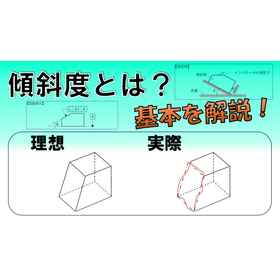
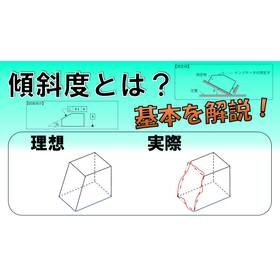
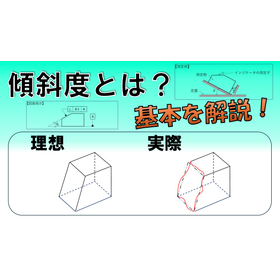
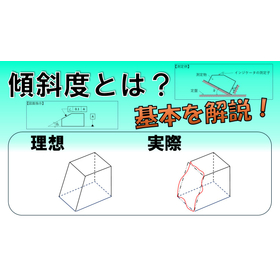
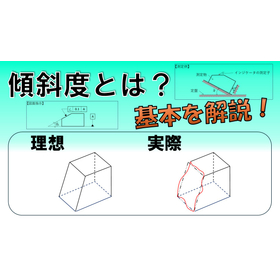
Basic Explanation of Geometric Tolerances for Aerospace: Inclination

Explaining the basics of slope in a video!

In the aerospace industry, lightweight components and high precision are required. Particularly for aircraft fuselage and engine parts, a precise understanding of the slope indicated in design drawings and appropriate instructions are crucial for ensuring the quality and safety of the components. Misinterpretation or incorrect instructions regarding the slope can lead to manufacturing defects or performance degradation. This video explains the basics of "slope," a type of geometric tolerance. 【Application Scenarios】 - Design of aircraft components - Manufacturing of aircraft components - Quality control 【Effects of Introduction】 - Improvement in drawing interpretation skills - Enhancement of component quality - Streamlining of manufacturing processes

Added to bookmarks

Bookmarks list

Bookmark has been removed

Bookmarks list

You can't add any more bookmarks

By registering as a member, you can increase the number of bookmarks you can save and organize them with labels.

Free membership registration

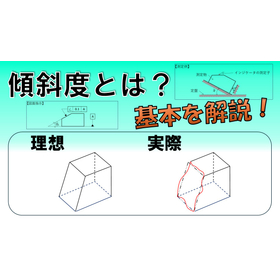
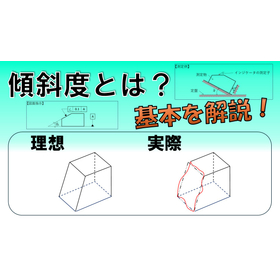
[For Machine Manufacturing] Geometric Tolerances: Basic Explanation of Inclination

A clear explanation of the basics of slope in a video!

In the mechanical manufacturing industry, a precise understanding of geometric tolerances on drawings is essential to ensure product quality and accuracy. In particular, the slope significantly affects the assembly and functionality of parts, making it important to understand its definition, usage, and points of caution. An inaccurate understanding can lead to incorrect manufacturing of parts or assembly failures. This video explains the basics of "slope," a type of geometric tolerance. 【Application Scenarios】 - Design and manufacturing of mechanical components - Reading drawings in quality control - Technical education on the manufacturing floor 【Benefits of Introduction】 - Improved drawing comprehension - Reduction of manufacturing errors - Increased customer satisfaction through enhanced quality

Added to bookmarks

Bookmarks list

Bookmark has been removed

Bookmarks list

You can't add any more bookmarks

By registering as a member, you can increase the number of bookmarks you can save and organize them with labels.

Free membership registration

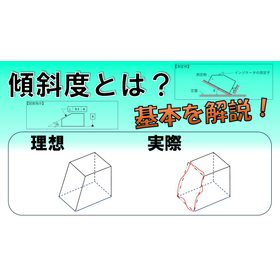
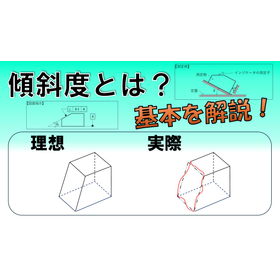
[For Molds] Geometric Tolerances Inclination Basic Explanation Video

To improve the precision of mold design and manufacturing!

In the mold industry, the dimensional accuracy of products greatly affects quality. In particular, even a slight deviation in the angle of inclination can lead to molding defects or a decrease in product accuracy. This video explains the basics of "inclination," a type of geometric tolerance. By understanding the definition of inclination, examples of its use, how it is represented in drawings, and points to consider when using it, you can help solve challenges in mold design. This video will be a very effective resource for those aiming to improve accuracy in mold design. 【Usage Scenarios】 - I want to deepen my understanding of inclination in mold design. - I aim to improve the accuracy of molded products. - I want to learn how to interpret inclination indications in drawings. 【Benefits of Introduction】 - Improvement in the quality of mold design. - Reduction of molding defects. - Stabilization of product accuracy.

Added to bookmarks

Bookmarks list

Bookmark has been removed

Bookmarks list

You can't add any more bookmarks

By registering as a member, you can increase the number of bookmarks you can save and organize them with labels.

Free membership registration

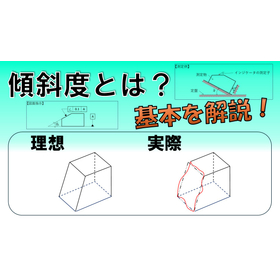
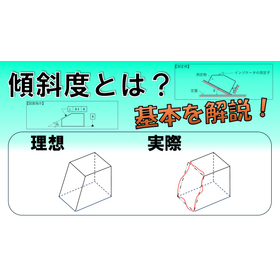
Basic explanatory video on geometric tolerances for electronic devices: inclination.

Contributing to improved implementation quality! Explaining the basics of slope.

In the electronics industry, as products become smaller and more densely packed, the precision of component placement significantly affects product reliability. In particular, the tilt of components in circuit board assembly can lead to contact failures and shorts, potentially resulting in decreased product performance or malfunctions. This video explains the basics of "tilt," a type of geometric tolerance. 【Usage Scenarios】 * Management of component tilt in circuit board assembly * Quality control in the design and manufacturing of electronic devices * Interpretation of component drawings 【Benefits of Implementation】 * Reduction of assembly defects * Improvement of product reliability * Increased efficiency in quality control

Added to bookmarks

Bookmarks list

Bookmark has been removed

Bookmarks list

You can't add any more bookmarks

By registering as a member, you can increase the number of bookmarks you can save and organize them with labels.

Free membership registration

Basic Explanation of Geometric Tolerances for Medical Devices: Inclination

Helpful for the design and manufacturing of medical devices! An explanation of the basics of inclination.

In the medical device industry, the safety and precision of products are of utmost importance. Even a slight error during the design phase can lead to serious issues affecting patients' health and lives, making it essential to accurately understand the instructions on the drawings and reflect them in manufacturing. Understanding geometric tolerances, especially slope, is crucial for the precise positioning and assembly of parts, and is important for ensuring the safety of medical devices. This video explains the basics of "slope," a type of geometric tolerance. It covers the definition of slope, examples of its use, how it is represented on drawings, and points to consider when using it, supporting quality improvement in the design and manufacturing of medical devices. 【Application Scenarios】 - Medical device design department - Manufacturing department - Quality control department 【Benefits of Implementation】 - Improved drawing interpretation skills - Reduction of manufacturing errors - Enhanced product quality - Assurance of safety

Added to bookmarks

Bookmarks list

Bookmark has been removed

Bookmarks list

You can't add any more bookmarks

By registering as a member, you can increase the number of bookmarks you can save and organize them with labels.

Free membership registration

[For Semiconductors] Geometric Tolerance Inclination Basic Explanation Video

Deepening the understanding of inclination in microfabrication!

In the semiconductor industry, high precision is required in microfabrication. Understanding the concept of slope, which affects product quality, is particularly important. By grasping the definition of slope, its usage in drawings, and key considerations, we can improve processing accuracy and reduce the occurrence of defects. This video explains the basics of "slope," a type of geometric tolerance. 【Application Scenarios】 - Microfabrication in semiconductor manufacturing - Education in quality control departments - Understanding drawings in design departments 【Benefits of Implementation】 - Deepening understanding of slope and improving processing accuracy - Enhancing drawing interpretation skills - Reducing defect rates

Added to bookmarks

Bookmarks list

Bookmark has been removed

Bookmarks list

You can't add any more bookmarks

By registering as a member, you can increase the number of bookmarks you can save and organize them with labels.

Free membership registration

Basic explanatory video on geometric tolerances for machine tools: inclination.

Learn the basics of inclination and apply them to high-precision machining!

In the machine tool industry, high-precision parts processing is required. In particular, accurate indication and understanding of inclination angles are crucial factors that affect product quality. By accurately understanding the definition of inclination and its usage in drawings, processing precision can be improved, and the occurrence of defective products can be suppressed. This video explains the basics of "inclination," a type of geometric tolerance. 【Application Scenarios】 - Design and manufacturing of machine tool parts - Processing of parts that require high-precision inclination angles - Improvement of understanding of drawing indications 【Effects of Implementation】 - Improvement of processing precision - Reduction of defect rates - Enhancement of drawing comprehension skills

Added to bookmarks

Bookmarks list

Bookmark has been removed

Bookmarks list

You can't add any more bookmarks

By registering as a member, you can increase the number of bookmarks you can save and organize them with labels.

Free membership registration

[For Robots] Basic Explanation of Geometric Tolerances and Inclination

Contributing to the improvement of robot motion stability!

In the robotics industry, precise positioning and assembly of components are required to achieve accurate movements. Particularly for components where inclination and angles play a crucial role, understanding the degree of inclination is essential. Misinterpretation of the inclination can lead to malfunctioning of the robot or a decline in performance. This video explains the basics of "inclination," a type of geometric tolerance. By understanding the definition of inclination, examples of its use, how it is represented in drawings, and points to consider when using it, you can contribute to improving quality in robot design and manufacturing. 【Application Scenarios】 - Joints of robotic arms - Mounting points for sensors and cameras - Assembly of precision equipment 【Effects of Implementation】 - Accurate positioning of components - Improved operational accuracy - Enhanced product quality

Added to bookmarks

Bookmarks list

Bookmark has been removed

Bookmarks list

You can't add any more bookmarks

By registering as a member, you can increase the number of bookmarks you can save and organize them with labels.

Free membership registration

Basic Explanation of Geometric Tolerances and Inclination for 3D Printing

Deepen your understanding of slope in 3D printing!

In the 3D printing industry, the accuracy of the printed objects greatly affects the quality of the products. In particular, the precise representation of angles is essential for achieving the intended shapes as designed. A lack of understanding of slopes can lead to dimensional defects and functional failures in the printed objects. This video explains the basics of "slope," a type of geometric tolerance. 【Application Scenarios】 * Understanding drawings when printing with a 3D printer * Indicating and verifying the slope angles of printed objects * Considering geometric tolerances during the design phase 【Effects of Introduction】 * Improvement in the quality of printed objects * Accurate realization of design intentions * Reduction of unnecessary prototyping iterations

Added to bookmarks

Bookmarks list

Bookmark has been removed

Bookmarks list

You can't add any more bookmarks

By registering as a member, you can increase the number of bookmarks you can save and organize them with labels.

Free membership registration

Basic Explanation of Geometric Tolerances for Precision Measurement: Inclination

Contributing to the efficiency of inspection operations!

In the field of precision measurement, it is important to confirm whether the product has the shape specified in the drawings to ensure quality. In particular, the slope significantly affects the product's functionality and assembly, requiring accurate understanding and measurement. Understanding the definition and measurement methods of slope is essential for improving inspection accuracy. This video explains the basics of "slope," a type of geometric tolerance, and supports the efficiency of inspection operations. 【Usage Scenarios】 - Product quality management - Streamlining inspection processes - Enhancing drawing interpretation skills 【Benefits of Implementation】 - Deepens understanding of slope and improves inspection accuracy - Enhances drawing interpretation skills, contributing to reduced inspection time - Promotes standardization of inspection operations

Added to bookmarks

Bookmarks list

Bookmark has been removed

Bookmarks list

You can't add any more bookmarks

By registering as a member, you can increase the number of bookmarks you can save and organize them with labels.

Free membership registration

Basic explanatory video on geometric tolerances and inclination for optical equipment.

Helpful for optical axis adjustment! Explanation of the basics of inclination.

In the optical equipment industry, the precision of optical axis adjustment greatly affects product performance. Understanding tilt is essential for the accurate placement of components such as lenses and mirrors, as even a slight tilt can reduce light transmission efficiency. This video explains the basics of "tilt," a type of geometric tolerance, and supports problem-solving in optical axis adjustment. It covers the definition of tilt, examples of its use, how it is represented in drawings, and precautions for its application. This video provides useful information for those aiming to improve the precision of optical axis adjustment. 【Application Scenarios】 * Manufacturing optical lenses * Assembling optical equipment * Designing products that require optical axis adjustment 【Benefits of Introduction】 * Deepening understanding of tilt to improve design and manufacturing precision * Enhancing the performance of optical equipment * Reducing defective products

Added to bookmarks

Bookmarks list

Bookmark has been removed

Bookmarks list

You can't add any more bookmarks

By registering as a member, you can increase the number of bookmarks you can save and organize them with labels.

Free membership registration

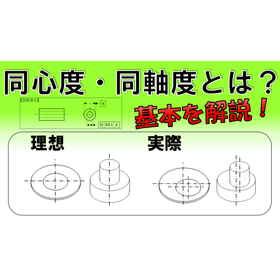
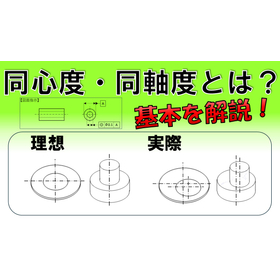
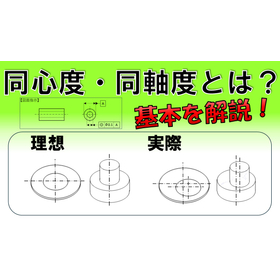
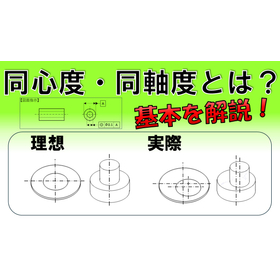
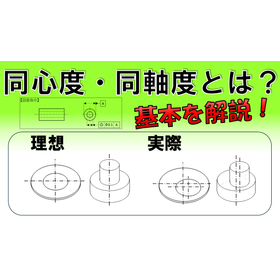
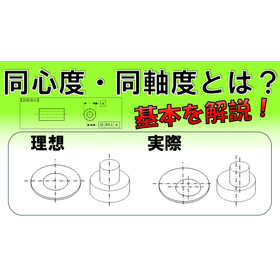
[For the Automotive Industry] Basic Explanation Video on Concentricity and Coaxiality

Contributing to the improvement of precision in automotive parts!

In the automotive industry, the precision of component assembly significantly affects the quality and performance of products. Particularly for rotating and sliding parts, the accuracy of concentricity and coaxiality is crucial. Low precision in these areas can lead to vibrations, unusual noises, premature wear of components, and in the worst case, functional failure. This video explains the basics of "concentricity and coaxiality," a type of geometric tolerance, and supports problem-solving in the design and manufacturing of automotive parts. 【Usage Scenarios】 * Design and manufacturing of automotive parts * Education in quality control departments * Technical guidance in manufacturing sites 【Benefits of Implementation】 * Deepening understanding of concentricity and coaxiality, leading to improved quality in design and manufacturing * Increased efficiency in component production through enhanced drawing interpretation skills * Early detection and countermeasures for quality issues

Added to bookmarks

Bookmarks list

Bookmark has been removed

Bookmarks list

You can't add any more bookmarks

By registering as a member, you can increase the number of bookmarks you can save and organize them with labels.

Free membership registration

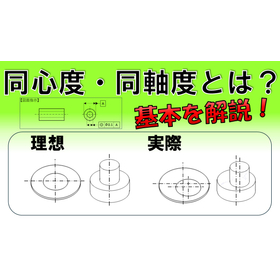
[Aerospace] Geometric Tolerances: Concentricity and Coaxiality Basic Explanation

Explaining the fundamentals of design in the aerospace field!

In the aerospace industry, there is a demand for lightweight products and high precision. Understanding concentricity and coaxiality in component design is essential for achieving both weight reduction and quality. By properly understanding these geometric tolerances and reflecting them in drawings, we can reduce waste in components and improve the overall performance of the product. This video will explain the definitions of concentricity and coaxiality, examples of their use, how they are applied in drawings, and points to note when using them. This video will serve as a resource for designers and engineers in the aerospace field to deepen their foundational knowledge of design and conduct more efficient designs. [Application Scenarios] - Component design for aircraft and spacecraft - Design focused on weight reduction - High-precision component manufacturing [Effects of Introduction] - Improvement in design quality - Weight reduction of components - Reduction in manufacturing costs

Added to bookmarks

Bookmarks list

Bookmark has been removed

Bookmarks list

You can't add any more bookmarks

By registering as a member, you can increase the number of bookmarks you can save and organize them with labels.

Free membership registration

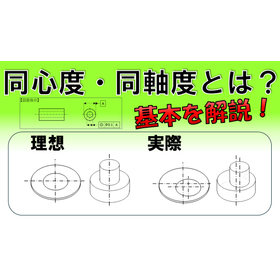
[For Machine Tools] Geometric Tolerances: Concentricity and Coaxiality Basic Explanation Video

Contributing to the improvement of quality in high-precision machining!

In the machine tool industry, high-precision component processing is required. In particular, the accuracy of concentricity and coaxiality is a crucial factor that affects the quality and performance of products. If these geometric tolerances are not properly managed, it can lead to processing defects or issues during assembly, potentially resulting in a decline in the performance of the final product. This video explains the basics of "concentricity and coaxiality," which are types of geometric tolerances, and supports problem-solving in quality management for high-precision processing. 【Usage Scenarios】 - Design and manufacturing of machine tool components - Quality management in high-precision processing - Improvement of drawing interpretation skills 【Benefits of Introduction】 - Deepen understanding of concentricity and coaxiality, improving processing accuracy - Accurately understand the intent of drawing instructions, reducing the occurrence of quality issues - Facilitate communication on the processing floor

Added to bookmarks

Bookmarks list

Bookmark has been removed

Bookmarks list

You can't add any more bookmarks

By registering as a member, you can increase the number of bookmarks you can save and organize them with labels.

Free membership registration

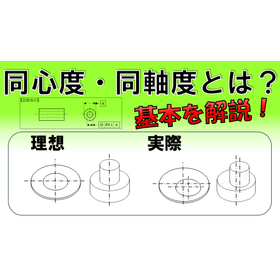
[For Medical Devices] Explanation Video on Concentricity and Coaxiality

Explaining the basics of concentricity and coaxiality in the design and manufacturing of medical devices!

In the medical device industry, precise positioning of components is essential to ensure product safety and reliability. Particularly in medical devices that require precise operation, the accuracy of concentricity and coaxiality of components significantly affects the product's performance and safety. Deficiencies in concentricity and coaxiality can lead to equipment malfunctions and risks to patients. This video explains the basics of "concentricity and coaxiality," which are types of geometric tolerances. 【Application Scenarios】 - Design of medical devices - Manufacturing of medical devices - Quality control 【Benefits of Implementation】 - Improvement of quality at the design stage - Reduction of defect rates in the manufacturing process - Enhancement of product safety and reliability

Added to bookmarks

Bookmarks list

Bookmark has been removed

Bookmarks list

You can't add any more bookmarks

By registering as a member, you can increase the number of bookmarks you can save and organize them with labels.

Free membership registration

Explaining the basics of concentricity and coaxiality for precision machinery!

A must-see for quality control personnel! An explanation of the basics of concentricity and coaxiality.

In the precision machinery industry, product accuracy is extremely important. Deficiencies in concentricity and coaxiality can lead to decreased performance or failure of the product. This video explains the basics of "concentricity and coaxiality," which are types of geometric tolerances, and supports problem-solving in quality management. By deepening understanding of the definitions, usage examples, applications in drawings, and precautions regarding concentricity and coaxiality, we contribute to improving the accuracy of quality management. 【Application Scenarios】 - Design and manufacturing departments of precision machinery - Quality management departments - Situations requiring precision management of products 【Benefits of Implementation】 - Acquisition of knowledge related to concentricity and coaxiality - Improvement of drawing interpretation skills - Early detection of issues in quality management - Enhancement of product quality

Added to bookmarks

Bookmarks list

Bookmark has been removed

Bookmarks list

You can't add any more bookmarks

By registering as a member, you can increase the number of bookmarks you can save and organize them with labels.

Free membership registration

Explaining the basics of concentricity and coaxiality for molds!

Video materials useful for the design and manufacturing of molds!

In the mold industry, high precision is required to ensure product quality and durability. In particular, the accurate positional relationship of the components of the mold significantly affects the dimensional accuracy and durability of the product. Improper design or management of concentricity and coaxiality can lead to early wear of the mold and product defects. This video explains the basics of "concentricity and coaxiality," which are types of geometric tolerances. It covers the definitions of concentricity and coaxiality, examples of use, how they are represented in drawings, and points to consider when using them. We hope this will help you solve challenges in mold design and manufacturing. 【Application Scenarios】 - Mold design phase - Mold manufacturing process - Mold quality control 【Benefits of Implementation】 - Improved mold precision - Enhanced product quality - Increased mold lifespan

Added to bookmarks

Bookmarks list

Bookmark has been removed

Bookmarks list

You can't add any more bookmarks

By registering as a member, you can increase the number of bookmarks you can save and organize them with labels.

Free membership registration

[For Semiconductor Manufacturing] Geometric Tolerances: Concentricity and Coaxiality Basic Explanation Video

Learn the basics of geometric tolerances in semiconductor manufacturing to improve yield!

In the semiconductor manufacturing industry, there is always a demand for improved product quality and yield. Particularly in areas where fine processing technology is crucial, the precision of components significantly affects product performance. Inaccuracies in concentricity and coaxiality can lead to product defects and performance degradation, which in turn worsen yield. This video explains the basics of "concentricity and coaxiality," a type of geometric tolerance, and provides foundational knowledge for quality control in semiconductor manufacturing. Use this video as a reference to deepen your understanding of concentricity and coaxiality and to aid in yield improvement. 【Application Scenarios】 - Design and manufacturing of components in semiconductor manufacturing - Education in quality control departments - Technical guidance on the manufacturing floor 【Effects of Implementation】 - Deepen understanding of geometric tolerances and reduce mistakes in the design and manufacturing stages - Improve quality control capabilities and reduce the rate of defective products - Contribute to yield improvement and cost reduction

Added to bookmarks

Bookmarks list

Bookmark has been removed

Bookmarks list

You can't add any more bookmarks

By registering as a member, you can increase the number of bookmarks you can save and organize them with labels.

Free membership registration

[For Robots] Explanation Video on Concentricity and Coaxiality

Explaining the basics of geometric tolerances to improve the stability of robot movements!

In the robotics industry, precise movements and high durability are required. In particular, the accurate positioning of arms and joints is a crucial factor that influences the performance of robots. Deficiencies in concentricity and coaxiality can lead to unstable movements and premature wear of components. This video explains the basics of "concentricity and coaxiality," a type of geometric tolerance, and supports problem-solving in the design and manufacturing of robots. [Application Scenes] - Assembly of robotic arms - Manufacturing of precision equipment - Improvement of positioning accuracy [Effects of Implementation] - Improved operational accuracy of robots - Extended lifespan of components - Stabilization of quality

Added to bookmarks

Bookmarks list

Bookmark has been removed

Bookmarks list

You can't add any more bookmarks

By registering as a member, you can increase the number of bookmarks you can save and organize them with labels.

Free membership registration

Explanation video on concentricity and coaxiality for optical instruments.

Explaining the fundamentals of geometric tolerances essential for improving the performance of optical instruments!

In the optical equipment industry, high precision is required in the assembly of precision components such as lenses and barrels. In particular, misalignment of the optical axis can lead to a decrease in optical performance and distortion of images. Understanding concentricity and coaxiality is essential for solving these issues and maximizing product performance. This video explains the definitions of concentricity and coaxiality, examples of their use, how they are represented in drawings, and points to consider, supporting problem-solving in the design and manufacturing of optical equipment. 【Usage Scenarios】 - Design and manufacturing of precision components such as lenses and barrels - Quality control of optical equipment - Performance evaluation of products 【Benefits of Implementation】 - Improvement of optical equipment performance - Enhancement of product quality - Streamlining of design and manufacturing processes

Added to bookmarks

Bookmarks list

Bookmark has been removed

Bookmarks list

You can't add any more bookmarks

By registering as a member, you can increase the number of bookmarks you can save and organize them with labels.

Free membership registration
Prev 1...456...9 Next
  • ダマになりやすい粉体の解砕・ふるい分けにこれ一台で対応 解砕機構付き佐藤式振動ふるい機 つばさ 解砕機構のバリエーションや活用イメージを動画で公開中!
  • 少量~量産 精密~通常溶接 金属の溶接・接合はお任せください! 太陽イービーテックは、電子ビーム溶接、TIG溶接、真空ろう付け、トーチろう付けなど様々な加工に対応します。
    • Contact this company

      Contact Us Online
    • Before making an inquiry

      Download PDF

    Products

    • Search for Products

    Company

    • Search for Companies

    Special Features

    • Special Features

    Ranking

    • Overall Products Ranking
    • Overall Company Ranking

    support

    • site map
    IPROS
    • privacy policy Regarding external transmission of information
    • terms of service
    • About Us
    • Careers
    • Advertising
    COPYRIGHT © 2001-2026 IPROS CORPORATION ALL RIGHTS RESERVED.
    Please note that the English text on this page is automatically translated and may contain inaccuracies.