271~315 item / All 1735 items
Displayed results
Filter by category

Added to bookmarks
Bookmarks listBookmark has been removed
Bookmarks listYou can't add any more bookmarks
By registering as a member, you can increase the number of bookmarks you can save and organize them with labels.
Free membership registration
Contact this company
Contact Us OnlineBefore making an inquiry
Download PDF271~315 item / All 1735 items
Filter by category
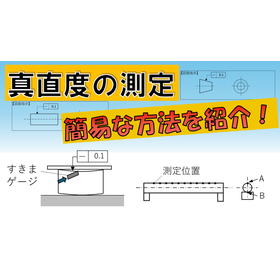
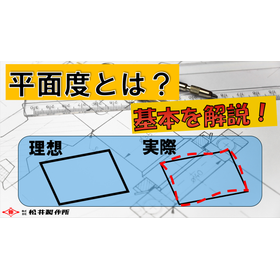
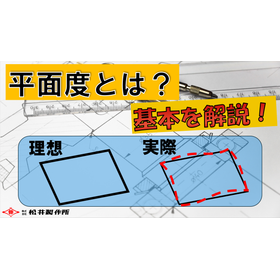
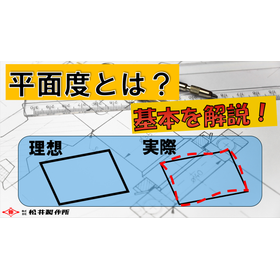
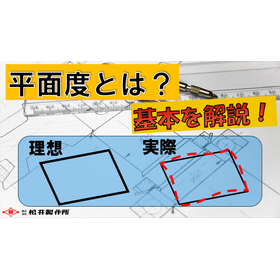
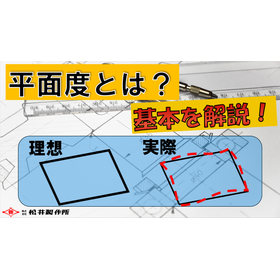
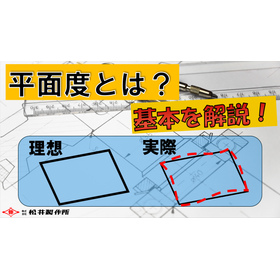
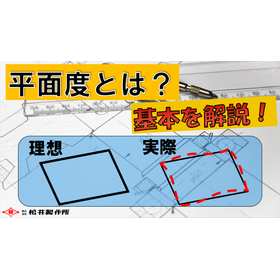
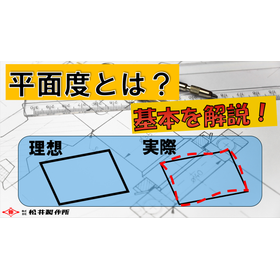
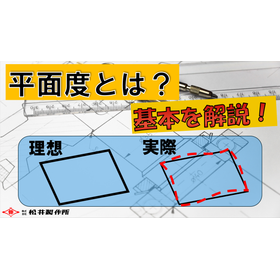
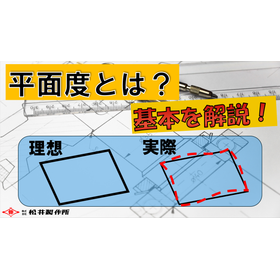
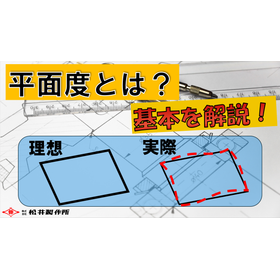
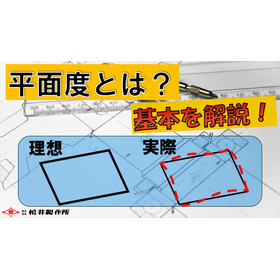
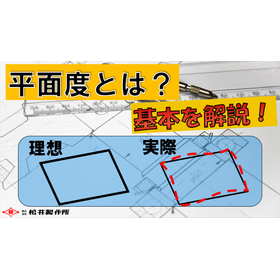
In the 3D printing industry, the accuracy of the printed objects is a crucial factor that influences the quality of the products. This is especially important when combining multiple parts or when precise fitting is required, as the accuracy of flatness becomes critical. Deficiencies in flatness can lead to assembly issues or functional failures. This video explains the basics of "flatness," a type of geometric tolerance, and supports problem-solving in 3D printer modeling. 【Usage Scenarios】 - Assembly of parts printed with a 3D printer - Prototyping of precision equipment - Manufacturing of jigs 【Benefits of Implementation】 - Deepening understanding of flatness and improving the quality of printed objects - Enhancing assembly accuracy - Improving product performance
Added to bookmarks
Bookmarks listBookmark has been removed
Bookmarks listYou can't add any more bookmarks
By registering as a member, you can increase the number of bookmarks you can save and organize them with labels.
Free membership registration
In the energy industry, structural design and manufacturing require high precision. In particular, the flatness of components is crucial to ensure the strength and safety of structures. Deficiencies in flatness can lead to distortion or damage of the structures. This video explains the basics of "flatness," which is a type of geometric tolerance. It covers the definition of flatness, examples of its use, how it is represented in drawings, and points to consider when using it. By watching this video, you can deepen your understanding of flatness and contribute to quality improvement in design and manufacturing. 【Application Scenarios】 - Design of energy-related facilities - Manufacturing sites of structures - Quality control departments 【Benefits of Introduction】 - Acquisition of knowledge about flatness - Improvement of quality in design and manufacturing - Enhancement of structural safety
Added to bookmarks
Bookmarks listBookmark has been removed
Bookmarks listYou can't add any more bookmarks
By registering as a member, you can increase the number of bookmarks you can save and organize them with labels.
Free membership registration
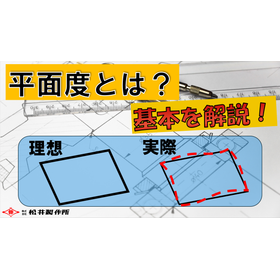
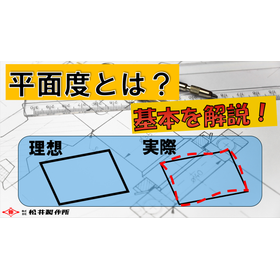
In the robotics industry, high positioning accuracy is required. Particularly in the assembly and processing of parts, the accuracy of flatness becomes a crucial factor that influences the quality of the product. Deficiencies in flatness can lead to assembly defects and reduced processing accuracy, potentially adversely affecting the performance of the final product. This video explains the basics of "flatness," a type of geometric tolerance, and supports problem-solving in the design and manufacturing of robots. 【Application Scenarios】 - End components of robotic arms - Assembly processes of precision machinery - Manufacturing of parts where positioning accuracy is critical 【Benefits of Implementation】 - Deepening understanding of flatness, leading to improved quality in design and manufacturing - Cost reduction through the reduction of defective products - Improvement in robot performance
Added to bookmarks
Bookmarks listBookmark has been removed
Bookmarks listYou can't add any more bookmarks
By registering as a member, you can increase the number of bookmarks you can save and organize them with labels.
Free membership registration
In the machine tool industry, the machining accuracy that affects product quality is extremely important. Flatness is an essential factor in evaluating the accuracy of machined surfaces, and low accuracy can lead to assembly defects and product malfunctions. This video explains the basics of "flatness," a type of geometric tolerance, and supports problem-solving related to machining accuracy. 【Usage Scenarios】 * Design and manufacturing of machine tools * Quality control of machined products * Engineers who want to deepen their understanding of drawings 【Benefits of Introduction】 * Understanding the definition and importance of flatness * Improved ability to interpret flatness on drawings * Contribution to improving machining accuracy
Added to bookmarks
Bookmarks listBookmark has been removed
Bookmarks listYou can't add any more bookmarks
By registering as a member, you can increase the number of bookmarks you can save and organize them with labels.
Free membership registration
In the precision machinery industry, the accuracy of product assembly greatly affects product performance. In particular, poor flatness of parts can lead to gaps and distortions during assembly, potentially resulting in product malfunctions and reduced lifespan. This video explains the basics of "flatness," a type of geometric tolerance. 【Usage Scenarios】 - Design and manufacturing of precision machinery - Quality control of parts - Improvement of assembly processes 【Benefits of Implementation】 - Deepening understanding of flatness to enhance quality in design and manufacturing - Early detection of issues during assembly to reduce rework - Improvement of product reliability
Added to bookmarks
Bookmarks listBookmark has been removed
Bookmarks listYou can't add any more bookmarks
By registering as a member, you can increase the number of bookmarks you can save and organize them with labels.
Free membership registration
In the medical device industry, the safety and reliability of products are of utmost importance. The precise manufacturing of components directly affects the performance of the devices and is directly linked to patient safety. Flatness is a crucial factor in ensuring the accuracy of components, and understanding it is essential. This video explains the definition of flatness, examples of its use, how it is represented in drawings, and points to be aware of, supporting quality improvement in the design and manufacturing of medical devices. 【Usage Scenarios】 - Understanding drawings during the design phase of medical devices - Quality control in the manufacturing process - Selection of components 【Benefits of Implementation】 - Deepening the understanding of flatness to enhance design and manufacturing quality - Cost reduction through the reduction of defective products - Improvement in the safety of medical devices
Added to bookmarks
Bookmarks listBookmark has been removed
Bookmarks listYou can't add any more bookmarks
By registering as a member, you can increase the number of bookmarks you can save and organize them with labels.
Free membership registration
In the semiconductor industry, high precision is required in microfabrication. In particular, the flatness of wafers and substrates is a crucial factor that influences the overall quality of the manufacturing process. Even a slight deviation in flatness can lead to a decrease in device performance or the occurrence of defects. This video explains the basics of "flatness," which is a type of geometric tolerance. It covers the definition of flatness, examples of its use, how it is represented in drawings, and points to consider when using it. By deepening the understanding of flatness, it contributes to quality improvement in microfabrication. 【Application Scenarios】 - Quality control in semiconductor manufacturing - Improvement of microfabrication processes - Flatness specifications during the design phase 【Benefits of Introduction】 - Acquisition of knowledge regarding flatness - Improvement of machining accuracy - Reduction of defect rates
Added to bookmarks
Bookmarks listBookmark has been removed
Bookmarks listYou can't add any more bookmarks
By registering as a member, you can increase the number of bookmarks you can save and organize them with labels.
Free membership registration
In the mold industry, managing surface roughness, which affects product quality, is crucial. Poor flatness of the mold can lead to decreased accuracy of molded products and potentially have a negative impact on product quality. This video explains the basics of "flatness," a type of geometric tolerance, and deepens the understanding of flatness in mold manufacturing. It covers the definition of flatness, examples of its use, how it is represented in drawings, and points to note when using it. By watching this video, you can enhance your understanding of flatness in mold manufacturing and contribute to producing higher quality products. 【Usage Scenarios】 - During mold design - Quality control in the mold manufacturing process - When quality issues arise with molded products 【Benefits of Introduction】 - Improved knowledge of flatness - Quality improvement in mold manufacturing - Reduction of defective products
Added to bookmarks
Bookmarks listBookmark has been removed
Bookmarks listYou can't add any more bookmarks
By registering as a member, you can increase the number of bookmarks you can save and organize them with labels.
Free membership registration
In the aerospace industry, the accurate dimensions and shapes of components are crucial for ensuring the safety and reliability of products. In particular, aircraft parts require a high degree of precision, as even slight errors can lead to serious accidents. Flatness is an important geometric tolerance for evaluating the accuracy of a part's flat surface, and quality assurance personnel need to understand its definition, usage, and points of caution. This video will clearly explain the basics of flatness and deepen understanding in quality assurance operations. 【Application Scenarios】 - Quality inspection of aerospace components - Reading technical drawings - Quality control in manufacturing processes 【Benefits of Introduction】 - Deepening understanding of flatness and improving efficiency in quality assurance operations - Enhancing drawing interpretation skills - Early detection and countermeasures for quality issues
Added to bookmarks
Bookmarks listBookmark has been removed
Bookmarks listYou can't add any more bookmarks
By registering as a member, you can increase the number of bookmarks you can save and organize them with labels.
Free membership registration
In the automotive industry, understanding geometric tolerances is essential to ensure the quality and safety of products during parts inspection. In particular, flatness greatly affects the precise assembly and functionality of components. Deficiencies in flatness can lead to malfunctions or performance degradation of parts. This video explains the basics of "flatness," which is a type of geometric tolerance. 【Application Scenarios】 * Verification of flatness in parts inspection * Acquisition of basic knowledge for interpreting drawings * Training for quality control personnel 【Effects of Implementation】 * Improved accuracy in parts inspection * Reduction of defective products * Enhanced quality management capabilities
Added to bookmarks
Bookmarks listBookmark has been removed
Bookmarks listYou can't add any more bookmarks
By registering as a member, you can increase the number of bookmarks you can save and organize them with labels.
Free membership registration
In the machinery manufacturing industry, it is required to manufacture parts with precision according to the specifications in the drawings to ensure product quality. In particular, flatness greatly affects the assembly accuracy and functionality of parts, making accurate understanding and appropriate instructions crucial. If the understanding of flatness is insufficient, it can lead to distortion and play in the parts, potentially resulting in decreased product performance and the occurrence of defective products. This video explains the basics of "flatness," which is a type of geometric tolerance. It covers the definition of flatness, examples of use, how it is represented in drawings, and points to be cautious about when using it. 【Application Scenarios】 - Design and manufacturing of machine parts - Education in quality control departments - Technical guidance in manufacturing sites 【Effects of Implementation】 - Deepen understanding of flatness and improve the accuracy of drawing instructions - Enhance part quality and reduce defect rates - Early detection of issues in the manufacturing process - Skill enhancement for engineers
Added to bookmarks
Bookmarks listBookmark has been removed
Bookmarks listYou can't add any more bookmarks
By registering as a member, you can increase the number of bookmarks you can save and organize them with labels.
Free membership registrationIn the musical instrument industry, precise processing of components that influence acoustic characteristics is required. Particularly in areas that affect resonance and sound transmission, dimensional accuracy is crucial. Improper processing can lead to deterioration of sound quality and a decline in the instrument's functionality. This video explains the basics of programming for machining centers and supports problem-solving in instrument manufacturing. 【Usage Scenarios】 * Want to improve the acoustic characteristics of instruments * Want to manufacture instrument parts using a machining center * Want to learn the fundamentals of programming 【Benefits of Implementation】 * Acquisition of accurate programming skills * Improvement in the quality of instrument parts * Enhancement of acoustic characteristics
Added to bookmarks
Bookmarks listBookmark has been removed
Bookmarks listYou can't add any more bookmarks
By registering as a member, you can increase the number of bookmarks you can save and organize them with labels.
Free membership registrationIn the sports equipment industry, there is a demand for lightweight and high-strength products. In particular, precise machining technology is essential to withstand intense use and improve performance. Precision machining with machining centers becomes a crucial factor that influences the performance of sports equipment. This video explains the basics of machining center programming and supports those involved in the design and manufacturing of sports equipment in solving their challenges. 【Usage Scenarios】 - Prototyping and development of sports equipment - High-precision component machining - Achieving both lightweight and high-strength 【Benefits of Implementation】 - Acquisition of machining center programming knowledge - Improvement in product quality - Streamlining of design and manufacturing processes
Added to bookmarks
Bookmarks listBookmark has been removed
Bookmarks listYou can't add any more bookmarks
By registering as a member, you can increase the number of bookmarks you can save and organize them with labels.
Free membership registrationIn the optical equipment industry, high precision is required in the manufacturing of lenses and precision parts. A lack of knowledge about machining center programming can lead to decreased processing accuracy and the occurrence of defective products. This video aims to help you learn the basics of machining center programming and contribute to achieving high-precision processing. 【Usage Scenarios】 * Precision machining of optical lenses * Prototyping of high-precision parts * Manufacturing of complex-shaped parts 【Benefits of Introduction】 * Improvement in processing accuracy * Reduction of defective products * Shortening of program creation time
Added to bookmarks
Bookmarks listBookmark has been removed
Bookmarks listYou can't add any more bookmarks
By registering as a member, you can increase the number of bookmarks you can save and organize them with labels.
Free membership registrationIn the electronics industry, the miniaturization of products is progressing, and precise component machining is required. Cutting processing using machining centers is essential to meet these demands. Insufficient understanding of programming can lead to decreased machining accuracy and increased costs. This video explains the basics of machining center programming, incorporating specific examples. 【Usage Scenarios】 - Machining of electronic device enclosures and components - Production of prototypes - Transition to mass production systems 【Benefits of Implementation】 - Improved understanding of machining programs - Reduced machining time - Cost savings
Added to bookmarks
Bookmarks listBookmark has been removed
Bookmarks listYou can't add any more bookmarks
By registering as a member, you can increase the number of bookmarks you can save and organize them with labels.
Free membership registrationIn the energy industry, efficient operation of equipment is required. In particular, understanding the programming is crucial in the processing of parts. A lack of knowledge about programming can lead to increased processing time and the occurrence of defective products. This video explains the basics of programming for machining centers and supports efficient processing. 【Usage Scenarios】 * Processing of parts for energy-related equipment * Learning programming for machining centers * Reducing processing time 【Benefits of Implementation】 * Promoting understanding of programming * Improving processing efficiency * Reducing defective products
Added to bookmarks
Bookmarks listBookmark has been removed
Bookmarks listYou can't add any more bookmarks
By registering as a member, you can increase the number of bookmarks you can save and organize them with labels.
Free membership registrationIn the machine tool industry, having knowledge of machining center programming is essential for advancing in-house production. A lack of understanding of programming can lead to decreased machining accuracy and the occurrence of defective products. This video explains the basics of machining center programming, incorporating specific examples. Those who are handling machining centers for the first time or are struggling with programming can deepen their understanding from the basics. 【Usage Scenarios】 * In-house part processing * Prototype production * Small-batch, diverse production 【Benefits of Implementation】 * Acquisition of basic programming knowledge * Reduction of processing time * Improvement of machining accuracy
Added to bookmarks
Bookmarks listBookmark has been removed
Bookmarks listYou can't add any more bookmarks
By registering as a member, you can increase the number of bookmarks you can save and organize them with labels.
Free membership registrationIn the robotics industry, precise machining of components is required to achieve high-precision movements. Particularly for parts such as robot arms and joints, where high rigidity is demanded, the accuracy of the machining program significantly impacts the product's performance. Errors in the program can lead to component damage or malfunction. This video explains the basics of machining center programming, incorporating specific examples. Whether you are new to operating a machining center or struggling with programming, we encourage you to watch. 【Application Scenarios】 - Manufacturing of robot arms - Machining of high-precision components - Production of parts requiring high rigidity 【Benefits of Implementation】 - Acquisition of fundamental programming knowledge - Reduction of machining time - Improvement in component quality
Added to bookmarks
Bookmarks listBookmark has been removed
Bookmarks listYou can't add any more bookmarks
By registering as a member, you can increase the number of bookmarks you can save and organize them with labels.
Free membership registrationIn the mold industry, the durability of molds is crucial for balancing product quality and production efficiency. Precision machining with machining centers is essential for enhancing mold accuracy and extending product lifespan. A lack of knowledge in programming can lead to machining defects and time losses, which may ultimately compromise mold durability. This video explains the basics of machining center programming and supports problem-solving in mold processing. 【Usage Scenarios】 - Mold design and manufacturing - Operation of machining centers - Understanding programming 【Benefits of Implementation】 - Improved machining accuracy - Extended product lifespan - Enhanced production efficiency
Added to bookmarks
Bookmarks listBookmark has been removed
Bookmarks listYou can't add any more bookmarks
By registering as a member, you can increase the number of bookmarks you can save and organize them with labels.
Free membership registrationIn the semiconductor manufacturing equipment industry, the precision of microfabrication affects the performance of products. Particularly in the processing of parts with complex shapes and fine structures, the programming of machining centers becomes crucial. Errors in the program can lead to processing defects or equipment failures. This video explains the basics of machining center programming and supports problem-solving in microfabrication. 【Usage Scenarios】 * Processing parts for semiconductor manufacturing equipment * Manufacturing parts that require microfabrication * For those who want to learn machining center programming 【Benefits of Introduction】 * Deepen understanding of processing programs * Improve processing accuracy * Contribute to enhancing product quality
Added to bookmarks
Bookmarks listBookmark has been removed
Bookmarks listYou can't add any more bookmarks
By registering as a member, you can increase the number of bookmarks you can save and organize them with labels.
Free membership registrationIn the precision machining of the medical device industry, high accuracy and quality are required. The programming of machining centers is essential to meet these demands. Errors in the program can lead to product defects or malfunctions. This video explains the basics of machining center programming, incorporating specific examples. It is ideal for those handling machining centers for the first time or those struggling with programming. 【Usage Scenarios】 - Precision machining of medical device parts - Learning machining center programming - Acquiring basic knowledge of machining programs 【Benefits of Introduction】 - Improved understanding of machining programs - Enhanced machining accuracy - Stabilization of product quality
Added to bookmarks
Bookmarks listBookmark has been removed
Bookmarks listYou can't add any more bookmarks
By registering as a member, you can increase the number of bookmarks you can save and organize them with labels.
Free membership registrationIn the automotive industry, high-precision machining is required to maximize the quality and performance of parts. This is especially true for components that demand high accuracy, such as engine parts and transmission parts, where the programming of machining centers is crucial. A lack of knowledge in programming can lead to decreased machining precision and the occurrence of defective products. This video is aimed at those who want to learn the basics of machining center programming or are struggling with programming, and it explains using specific examples. 【Application Scenarios】 - High-precision machining of automotive parts - Learning machining center programming - Improving machining precision 【Benefits of Implementation】 - Reduction in machining time - Decrease in defective products - Production of high-quality products
Added to bookmarks
Bookmarks listBookmark has been removed
Bookmarks listYou can't add any more bookmarks
By registering as a member, you can increase the number of bookmarks you can save and organize them with labels.
Free membership registrationIn the aerospace industry, reducing the weight of components is essential for improving performance. Precision machining using machining centers is a key technology for achieving weight reduction. Knowledge of programming affects the machining accuracy. This video explains the basics of programming for machining centers, aimed at those who want to learn or are struggling with programming, using specific examples. 【Usage Scenarios】 * Design and manufacturing of aerospace components * Acquiring machining techniques to achieve weight reduction 【Benefits of Introduction】 * Acquisition of fundamental knowledge of machining center programming * Realization of weight reduction through improved machining techniques
Added to bookmarks
Bookmarks listBookmark has been removed
Bookmarks listYou can't add any more bookmarks
By registering as a member, you can increase the number of bookmarks you can save and organize them with labels.
Free membership registration
In the musical instrument industry, precise processing of components that influence acoustic characteristics is required. Accurate programming using NC lathes is a crucial factor that determines the tone and resonance of instruments. Errors in programming can lead to deterioration in sound quality or functional failure as an instrument. This video explains the basics of NC lathe programming and supports the improvement of acoustic characteristics in instrument manufacturing. 【Usage Scenarios】 - Manufacturing of instrument parts - Adjustment of acoustic characteristics - Learning NC lathe programming 【Benefits of Implementation】 - Optimization of acoustic characteristics - High-quality instrument manufacturing - Improvement of NC lathe programming skills
Added to bookmarks
Bookmarks listBookmark has been removed
Bookmarks listYou can't add any more bookmarks
By registering as a member, you can increase the number of bookmarks you can save and organize them with labels.
Free membership registration
In the watch industry, miniaturization of products and precision machining are required. NC lathes are essential for the miniaturization of watches because they can process complex-shaped parts with high precision. A lack of understanding of programming can lead to machining defects and time loss. Our video explains the basics of NC lathe programming and supports problem-solving in the machining of watch parts. 【Usage Scenarios】 - Manufacturing watch parts - Machining small precision parts - Learning NC lathe programming 【Benefits of Implementation】 - Acquisition of fundamental knowledge of NC lathe programming - Reduction of machining time - Improvement of machining accuracy
Added to bookmarks
Bookmarks listBookmark has been removed
Bookmarks listYou can't add any more bookmarks
By registering as a member, you can increase the number of bookmarks you can save and organize them with labels.
Free membership registration
In the energy industry, stable operation and longevity of equipment are required. Particularly for parts used in harsh environments, high durability and precise machining accuracy are essential. A lack of understanding of NC lathe programming can lead to defective parts and early deterioration of equipment. This video explains the basics of NC lathe programming and supports problem-solving in the manufacturing of energy-related components. 【Usage Scenarios】 * Manufacturing of power generation equipment parts * Manufacturing of transmission and distribution equipment parts * Manufacturing of energy storage system parts 【Benefits of Implementation】 * Promotion of understanding of NC lathe programming * Improvement of machining accuracy * Enhancement of part durability
Added to bookmarks
Bookmarks listBookmark has been removed
Bookmarks listYou can't add any more bookmarks
By registering as a member, you can increase the number of bookmarks you can save and organize them with labels.
Free membership registration
In the machine tool industry, the programming of NC lathes is a crucial factor that affects the precision and efficiency of products. Particularly for companies aiming for self-improvement, the understanding and proficiency in programming are directly linked to productivity enhancement. Errors in programming can lead to machining defects and machine stoppages, potentially resulting in increased costs. This video will help you understand the basics of NC lathe programming and improve your company's machining technology. 【Usage Scenarios】 - Engineers who want to learn NC lathe programming - Companies looking to enhance their machining technology - Individuals struggling with NC lathe programming 【Benefits of Implementation】 - Acquisition of fundamental knowledge of NC lathe programming - Improvement of machining technology - Increase in productivity
Added to bookmarks
Bookmarks listBookmark has been removed
Bookmarks listYou can't add any more bookmarks
By registering as a member, you can increase the number of bookmarks you can save and organize them with labels.
Free membership registration
In the mold industry, precise machining using NC lathes is essential for manufacturing high-precision products. In particular, the accuracy of molds affects product quality, making the accuracy of NC lathe programming crucial. Errors in programming can lead to defective molds and reduced product precision. Our video explains the basics of NC lathe programming and supports problem-solving in mold machining. 【Usage Scenarios】 - Mold design and manufacturing - High-precision parts machining - Learning NC lathe programming 【Benefits of Implementation】 - Acquisition of fundamental knowledge of NC lathe programming - Improvement of mold machining accuracy - Reduction of machining time
Added to bookmarks
Bookmarks listBookmark has been removed
Bookmarks listYou can't add any more bookmarks
By registering as a member, you can increase the number of bookmarks you can save and organize them with labels.
Free membership registration
In the automotive parts manufacturing industry, high precision and efficiency are required. NC lathes are important machine tools that meet these demands, but understanding the programming can be a challenge. Particularly in the manufacturing of complex-shaped parts or parts that require high precision, knowledge of programming is essential. This video explains the basics of NC lathe programming and supports problem-solving in automotive parts manufacturing. 【Usage Scenarios】 * Prototyping automotive parts * Mass production of parts * Education on NC lathe programming 【Benefits of Implementation】 * Promotion of understanding of NC lathe programming * Reduction of processing time * Decrease in defective products
Added to bookmarks
Bookmarks listBookmark has been removed
Bookmarks listYou can't add any more bookmarks
By registering as a member, you can increase the number of bookmarks you can save and organize them with labels.
Free membership registration
In the home appliance industry, precision machining using NC lathes is essential for mass production of products. In particular, a precise understanding and efficient operation of NC lathe programs are crucial to balance product quality and production efficiency. Errors in the program can lead to the occurrence of defective products and a decrease in productivity. This video explains the basics of NC lathe programming and supports the establishment of a mass production system. 【Usage Scenarios】 * Machining of metal parts for home appliances * Basic learning of NC lathe programming * Review of programs in mass production systems 【Benefits of Implementation】 * Promotion of understanding of NC lathe programs * Reduction of machining time * Decrease in defective products
Added to bookmarks
Bookmarks listBookmark has been removed
Bookmarks listYou can't add any more bookmarks
By registering as a member, you can increase the number of bookmarks you can save and organize them with labels.
Free membership registration
In the optical equipment industry, high precision is required in the manufacturing of lenses and precision parts. Machining with NC lathes is essential for the production of these components, but understanding the programming can be a challenge. Errors in programming can not only compromise the accuracy of the products but also lead to increased costs. This video explains the basics of NC lathe programming using specific examples. By understanding the fundamentals of NC lathe programming, it enables high-precision machining of parts in optical equipment manufacturing. 【Application Scenarios】 * Precision machining of optical lenses * Prototyping of high-precision parts * Transitioning to mass production 【Benefits of Implementation】 * Promotion of program understanding * Improvement of machining accuracy * Potential for cost reduction
Added to bookmarks
Bookmarks listBookmark has been removed
Bookmarks listYou can't add any more bookmarks
By registering as a member, you can increase the number of bookmarks you can save and organize them with labels.
Free membership registration
In the robotics industry, high-precision machining of parts using NC lathes is essential to achieve precise movements of movable components. Particularly for the parts of movable components that influence the operational accuracy and durability of robots, the accuracy of the programming is crucial. Errors in the program can lead to malfunction or failure of the robot. This video explains the basics of NC lathe programming and supports problem-solving in the machining of movable component parts. 【Application Scenarios】 * Joints of robotic arms * Drive units of mobile robots * Movable components of precision instruments 【Benefits of Implementation】 * Acquisition of fundamental knowledge of NC lathe programming * Improvement of machining accuracy for movable component parts * Enhancement of the operational reliability of robots
Added to bookmarks
Bookmarks listBookmark has been removed
Bookmarks listYou can't add any more bookmarks
By registering as a member, you can increase the number of bookmarks you can save and organize them with labels.
Free membership registration
In the aerospace industry, the lightweighting of components is always in demand. Precision machining with NC lathes is essential for manufacturing lightweight and high-strength parts. A lack of understanding of programming can lead to decreased machining accuracy and material waste, which can ultimately result in increased costs. This video explains the basics of NC lathe programming and supports problem-solving in aerospace component manufacturing. 【Application Scenarios】 * Manufacturing of aircraft parts * Manufacturing of rocket parts * Manufacturing of satellite parts 【Benefits of Implementation】 * Promotion of understanding of NC lathe programming * Improvement of machining accuracy * Effective use of materials
Added to bookmarks
Bookmarks listBookmark has been removed
Bookmarks listYou can't add any more bookmarks
By registering as a member, you can increase the number of bookmarks you can save and organize them with labels.
Free membership registration
In the semiconductor manufacturing equipment industry, high-precision component processing is required. In particular, accurate programming using NC lathes is a crucial factor that influences product quality in fine processing. Errors in programming can lead to defective parts or a decline in equipment performance. This video explains the basics of NC lathe programming and supports problem-solving in fine processing. 【Usage Scenarios】 - Component processing for semiconductor manufacturing equipment - Basic learning of NC lathe programming - Quality improvement in fine processing 【Benefits of Implementation】 - Promotion of understanding of NC lathe programming - Improvement of processing accuracy - Reduction of defect rates
Added to bookmarks
Bookmarks listBookmark has been removed
Bookmarks listYou can't add any more bookmarks
By registering as a member, you can increase the number of bookmarks you can save and organize them with labels.
Free membership registration
In the precision machining of the medical device industry, high accuracy and quality are required. Machining with NC lathes is essential to meet these demands, but understanding the programming can be a challenge. Particularly when complex shapes or fine machining are needed, knowledge of the program can significantly affect the quality of the product. This video explains the basics of NC lathe programming and supports problem-solving in precision machining. 【Usage Scenarios】 - Manufacturing of medical device components - Machining of precision parts 【Benefits of Implementation】 - Promotion of understanding of NC lathe programming - Improvement of machining accuracy - Stabilization of quality
Added to bookmarks
Bookmarks listBookmark has been removed
Bookmarks listYou can't add any more bookmarks
By registering as a member, you can increase the number of bookmarks you can save and organize them with labels.
Free membership registration
In manufacturing process management, it is important to handle many tasks and determine their priorities. Do you ever find it difficult to decide which task to start with based on urgency and importance? This video material explains how to clarify the priority of tasks using the "Importance-Urgency Matrix." By properly utilizing this matrix, you can achieve task visualization, efficient time management, and improved productivity. 【Usage Scenarios】 * Production planning * Deadline management * Quality control * Personnel allocation * Response during problem occurrences 【Effects of Implementation】 * Task priorities become clear, enabling efficient actions * Task management skills improve, leading to better time management * Increased productivity and streamlined operations * Enhanced problem-solving abilities
Added to bookmarks
Bookmarks listBookmark has been removed
Bookmarks listYou can't add any more bookmarks
By registering as a member, you can increase the number of bookmarks you can save and organize them with labels.
Free membership registration
I want to improve production efficiency and achieve results even within a limited time." "But I don't know how to think about it specifically." Do you have such concerns in your workplace, like an office or factory? In this video, we will explain the concept of the "Importance-Urgency Matrix." With various tasks at hand, how should you determine priorities? If you can effectively utilize this matrix, it will help organize your thoughts and clarify "how you should act moving forward.
Added to bookmarks
Bookmarks listBookmark has been removed
Bookmarks listYou can't add any more bookmarks
By registering as a member, you can increase the number of bookmarks you can save and organize them with labels.
Free membership registration
"I want to improve production efficiency and achieve results even within a limited time. However, I don't know how to think about it specifically." Do you have such concerns in workplaces like offices or factories? In this video, we will explain the concept of "value-added work and non-value-added work." In a series of tasks, which parts are generating value and which parts are not? Once you organize these, you may see things more clearly.
Added to bookmarks
Bookmarks listBookmark has been removed
Bookmarks listYou can't add any more bookmarks
By registering as a member, you can increase the number of bookmarks you can save and organize them with labels.
Free membership registration
"I want to improve production efficiency and achieve results even within a limited time." "But I don't know how to think about it specifically." Do you have such concerns in workplaces like offices or factories? In this video, we will explain the concept of "dedicated time and non-dedicated time." This is an essential way of thinking when considering "how to advance work simultaneously without directly using my hands." If you're interested, please take a look!
Added to bookmarks
Bookmarks listBookmark has been removed
Bookmarks listYou can't add any more bookmarks
By registering as a member, you can increase the number of bookmarks you can save and organize them with labels.
Free membership registration
In the workplace, do you ever feel anxious about things like "no matter how hard I work, I feel unfulfilled and anxious," "I push myself too hard in pursuit of results," or "I have no value unless I produce results"? Such concerns may actually be related to a decline in self-esteem. In this video, we will explain how to lighten your mind in a society that demands results.
Added to bookmarks
Bookmarks listBookmark has been removed
Bookmarks listYou can't add any more bookmarks
By registering as a member, you can increase the number of bookmarks you can save and organize them with labels.
Free membership registration
Have you ever struggled with communication in the workplace? In this video, I will discuss how to deal with a subordinate who is cheerful and loves jokes but has a poor work attitude. I will explain it structurally using psychological concepts!
Added to bookmarks
Bookmarks listBookmark has been removed
Bookmarks listYou can't add any more bookmarks
By registering as a member, you can increase the number of bookmarks you can save and organize them with labels.
Free membership registration
Have you ever struggled with communication in the workplace? In this video, I will discuss how to deal with "subordinates who are friendly but lack self-confidence." I will explain it structurally using psychological concepts!
Added to bookmarks
Bookmarks listBookmark has been removed
Bookmarks listYou can't add any more bookmarks
By registering as a member, you can increase the number of bookmarks you can save and organize them with labels.
Free membership registration
Have you ever struggled with communication in the workplace? In this video, I will discuss how to deal with "subordinates who are cool and logical but difficult to read." I will explain it structurally using psychological concepts!
Added to bookmarks
Bookmarks listBookmark has been removed
Bookmarks listYou can't add any more bookmarks
By registering as a member, you can increase the number of bookmarks you can save and organize them with labels.
Free membership registration
Have you ever struggled with communication in the workplace? In this video, I will discuss how to deal with a subordinate who is "kind and caring but too much of a pushover." I will explain it structurally using psychological concepts!
Added to bookmarks
Bookmarks listBookmark has been removed
Bookmarks listYou can't add any more bookmarks
By registering as a member, you can increase the number of bookmarks you can save and organize them with labels.
Free membership registration
Have you ever struggled with communication in the workplace? In this video, I will discuss how to deal with a subordinate who is sharp-minded but assertive and confrontational with others. I will explain it structurally using psychological concepts!
Added to bookmarks
Bookmarks listBookmark has been removed
Bookmarks listYou can't add any more bookmarks
By registering as a member, you can increase the number of bookmarks you can save and organize them with labels.
Free membership registration