1~45 item / All 135 items
Displayed results
Filter by category

Added to bookmarks
Bookmarks listBookmark has been removed
Bookmarks listYou can't add any more bookmarks
By registering as a member, you can increase the number of bookmarks you can save and organize them with labels.
Free membership registration
Contact this company
Inquiry FormBefore making an inquiry
Download Profile1~45 item / All 135 items
Filter by category

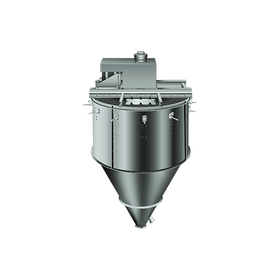
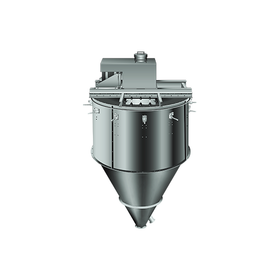
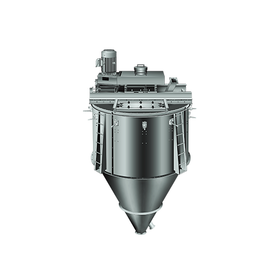
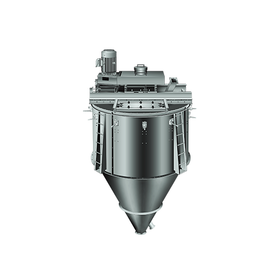
In the recycling industry, it is required to accurately sort waste by type. Particularly in the separation of metal slag and mineral products, it is important to precisely control the particle size and efficiently separate them. Improper sorting can hinder the effective use of resources and lead to increased costs. The TMS-type air separator addresses these challenges by utilizing circulating airflow and centrifugal force. 【Application Scenarios】 - Separation of metal slag - Separation of mineral products 【Benefits of Implementation】 - Improved separation accuracy through particle size adjustment - Cost reduction by reducing external blowers and dust collectors - Flexible response through setting classification points in the range of 45μm to 150μm
Added to bookmarks
Bookmarks listBookmark has been removed
Bookmarks listYou can't add any more bookmarks
By registering as a member, you can increase the number of bookmarks you can save and organize them with labels.
Free membership registration
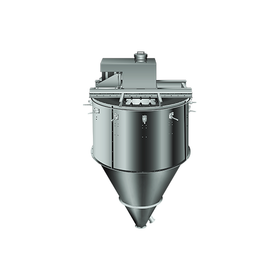
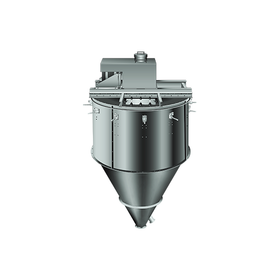
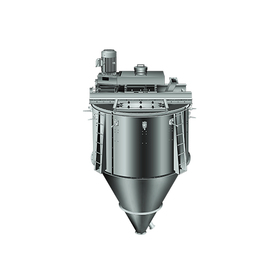
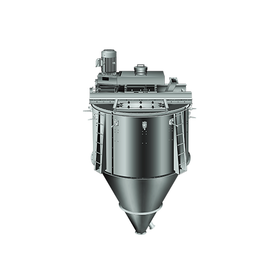
In the feed industry, uniform quality and efficient production are required. In formulation, properly managing the particle size of raw materials is important for maintaining the nutritional balance of feed and promoting livestock growth. Inadequate particle size management can lead to a decline in feed quality and health issues in livestock. The TMS-type air separator efficiently classifies raw materials in feed formulation, contributing to quality improvement. 【Application Scenarios】 - Classification of feed raw materials - Production of compound feed - Removal of foreign substances 【Effects of Implementation】 - Achievement of uniform particle size distribution - Improvement in feed quality - Increased production efficiency
Added to bookmarks
Bookmarks listBookmark has been removed
Bookmarks listYou can't add any more bookmarks
By registering as a member, you can increase the number of bookmarks you can save and organize them with labels.
Free membership registration
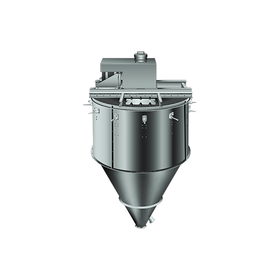
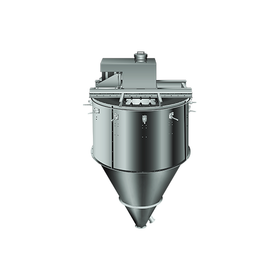
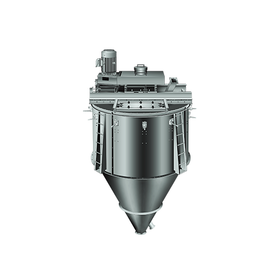
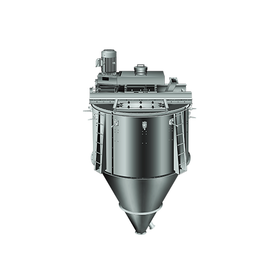
In the paint industry, a uniform dispersion of pigments and additives that influence product quality is required. Insufficient dispersion can lead to a decline in the performance of the paint film and defects in appearance. The TMS-type air separator contributes to the classification of pigments and additives in paint manufacturing, supporting the improvement of product quality. 【Application Scenarios】 - Classification of pigments and additives - Paint manufacturing process 【Benefits of Implementation】 - Uniformity of particle size distribution - Improvement of paint film performance - Stabilization of product quality
Added to bookmarks
Bookmarks listBookmark has been removed
Bookmarks listYou can't add any more bookmarks
By registering as a member, you can increase the number of bookmarks you can save and organize them with labels.
Free membership registration
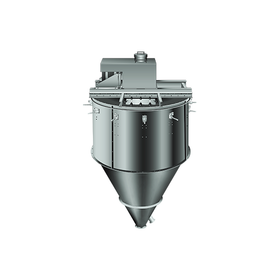
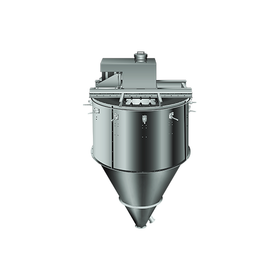
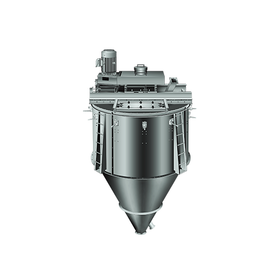
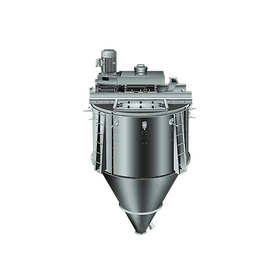
In the fertilizer industry, there is a demand for improved uniformity in particle size and quality. In the granulation process, deviations in particle size distribution can not only reduce the effectiveness of fertilizers but also worsen the efficiency of the manufacturing process. The TMS-type air separator accurately classifies fine powders using a circulating airflow and centrifugal force, making it easier to adjust particle size in the granulation process. This contributes to improved fertilizer quality and enhanced manufacturing efficiency. 【Application Scenarios】 - Granulation process in fertilizer manufacturing - Particle size adjustment of raw materials 【Benefits of Implementation】 - Achievement of uniform particle size distribution - Maximization of fertilizer effectiveness - Streamlining of the manufacturing process
Added to bookmarks
Bookmarks listBookmark has been removed
Bookmarks listYou can't add any more bookmarks
By registering as a member, you can increase the number of bookmarks you can save and organize them with labels.
Free membership registration
In the ceramics industry, managing the particle size of raw materials, which affects product quality, is crucial. In the molding process, if the particle size distribution is not uniform, it can lead to uneven shrinkage after firing, adversely affecting the strength and dimensional accuracy of the product. The TMS-type air separator can set classification points in the range of 45μm to 150μm, contributing to solving challenges in the molding process by achieving a uniform particle size distribution. 【Application Scenarios】 - Classification of ceramic raw materials - Particle size adjustment before molding 【Benefits of Implementation】 - Improved quality of molded products due to uniform particle size distribution - Uniform shrinkage after firing - Enhanced product strength and dimensional accuracy
Added to bookmarks
Bookmarks listBookmark has been removed
Bookmarks listYou can't add any more bookmarks
By registering as a member, you can increase the number of bookmarks you can save and organize them with labels.
Free membership registration
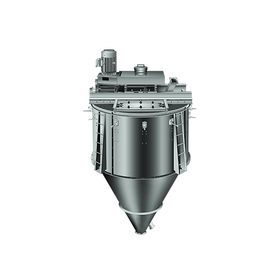
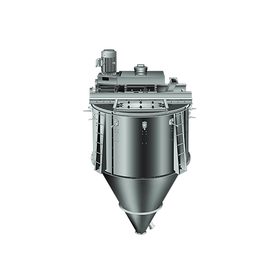
In the battery materials industry, the uniformity of materials is crucial for maximizing product performance. In particular, the uniformity of the particle size distribution of electrode materials significantly affects the charging and discharging efficiency and lifespan of batteries. An uneven particle size distribution can lead to decreased battery performance and early degradation. Our TMS-type air separator utilizes centrifugal force and circulating airflow to classify battery materials, achieving uniformity in particle size distribution. 【Application Scenarios】 - Classification of lithium-ion battery cathode materials - Classification of lithium-ion battery anode materials - Classification of all-solid-state battery materials 【Benefits of Implementation】 - Improved battery performance through material uniformity - Extended battery lifespan - Increased yield in the manufacturing process
Added to bookmarks
Bookmarks listBookmark has been removed
Bookmarks listYou can't add any more bookmarks
By registering as a member, you can increase the number of bookmarks you can save and organize them with labels.
Free membership registration
In the food industry, the manufacturing of high-quality powdered products is a crucial factor that affects the flavor, texture, and shelf life of the products. In particular, powders with a uniform particle size distribution are essential for maintaining product quality stability. The TMS-type air separator can set classification points in the range of 45μm to 150μm, addressing the challenges of particle size adjustment in the powdering process of food. It efficiently classifies using circulating airflow and centrifugal force, enabling the production of high-quality powdered products. 【Application Scenarios】 - Powdering of spices, seasonings, and health foods - Particle size adjustment of food additives - Quality control of powdered raw materials 【Benefits of Implementation】 - Improvement in product quality - Enhancement of yield - Reduction in manufacturing costs
Added to bookmarks
Bookmarks listBookmark has been removed
Bookmarks listYou can't add any more bookmarks
By registering as a member, you can increase the number of bookmarks you can save and organize them with labels.
Free membership registration
In the pharmaceutical industry, the quality of excipients significantly affects the efficacy and stability of products. In particular, excipients with a uniform particle size distribution are crucial for enhancing the uniform mixing and solubility of tablets. Inappropriate particle size distribution can lead to reduced efficacy of the drug and potential issues during the manufacturing process. Our TMS-type air separator can set classification points in the range of 45μm to 150μm, precisely controlling the particle size of excipients, thereby contributing to the improvement of pharmaceutical quality. 【Application Scenarios】 - Classification of excipients 【Effects of Implementation】 - Precise control of excipient particle size to enhance pharmaceutical quality - Improved uniform mixing and solubility of tablets due to uniform particle size distribution
Added to bookmarks
Bookmarks listBookmark has been removed
Bookmarks listYou can't add any more bookmarks
By registering as a member, you can increase the number of bookmarks you can save and organize them with labels.
Free membership registration
In the chemical industry, precise classification of raw materials is required to maintain consistent product quality. In particular, controlling the particle size distribution, which affects reaction rates and product characteristics, is crucial. Improper classification can lead to decreased reaction efficiency and deterioration of product quality. The TMS-type air separator utilizes circulating airflow and centrifugal force to set classification points in the range of 45μm to 150μm. This allows for precise control of the raw material particle size, contributing to improved product quality. 【Application Scenarios】 - Classification of raw materials in chemical product manufacturing - Improvement of reaction efficiency - Stabilization of product quality 【Effects of Implementation】 - Enhanced product quality through precise control of particle size distribution - Improved reaction efficiency through uniform mixing - Increased yield
Added to bookmarks
Bookmarks listBookmark has been removed
Bookmarks listYou can't add any more bookmarks
By registering as a member, you can increase the number of bookmarks you can save and organize them with labels.
Free membership registration
In the steelmaking industry's refining process, adjusting the particle size of raw materials is crucial for producing high-quality products. In particular, it is essential to efficiently classify fine powders such as metal slag to stabilize quality. Inadequate classification can lead to a decline in product quality and a decrease in process efficiency. Our TMS-type air separator utilizes circulating airflow and centrifugal force to set classification points in the range of 45μm to 150μm. This facilitates the adjustment of raw material particle size in the refining process and contributes to the production of high-quality products. 【Application Scene】 - Classification of metal slag 【Benefits of Implementation】 - Stable supply of high-quality products - Improved process efficiency
Added to bookmarks
Bookmarks listBookmark has been removed
Bookmarks listYou can't add any more bookmarks
By registering as a member, you can increase the number of bookmarks you can save and organize them with labels.
Free membership registration
In the cement industry, there is a constant demand for improving product quality and streamlining manufacturing processes. In particular, the micronization of cement is a crucial factor in enhancing strength and reactivity. If proper micronization is not carried out, the quality of the cement may decline, potentially adversely affecting the performance of the final product. The TMS-type air separator efficiently achieves micronization using circulating airflow and centrifugal force. 【Application Scenarios】 - Classification in the cement manufacturing process - Particle size adjustment in quality control 【Benefits of Implementation】 - Improvement in product quality - Enhancement of manufacturing efficiency
Added to bookmarks
Bookmarks listBookmark has been removed
Bookmarks listYou can't add any more bookmarks
By registering as a member, you can increase the number of bookmarks you can save and organize them with labels.
Free membership registration
In the field of mining, quality control and efficient sorting of mineral products are required. The contamination of impurities reduces product value and leads to a decline in yield. The TMS-type air separator can set classification points in the range of 45μm to 150μm, streamlining the sorting process of mineral products. It separates fine powders and coarse particles using circulating airflow and centrifugal force, supporting the production of high-quality products. 【Application Scenarios】 - Classification of mineral products - Classification of metal slag 【Benefits of Implementation】 - Improvement in product quality - Enhancement of yield - Increase in production efficiency
Added to bookmarks
Bookmarks listBookmark has been removed
Bookmarks listYou can't add any more bookmarks
By registering as a member, you can increase the number of bookmarks you can save and organize them with labels.
Free membership registration
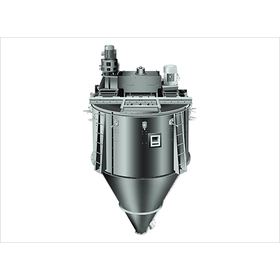
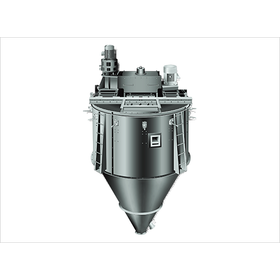
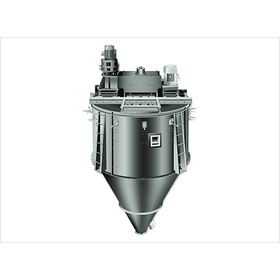
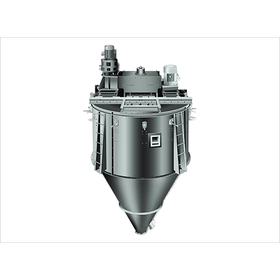
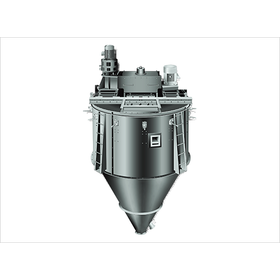
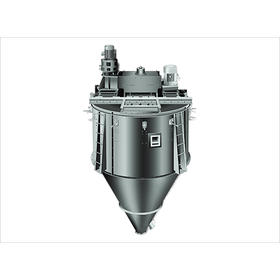
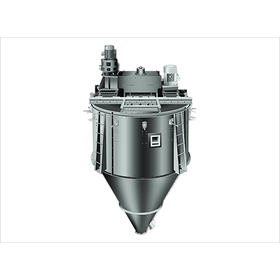
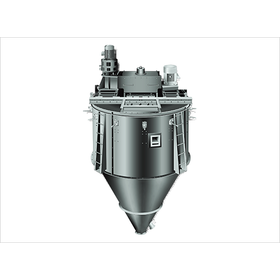
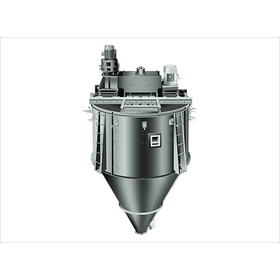
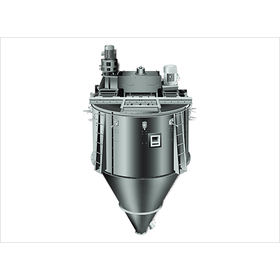
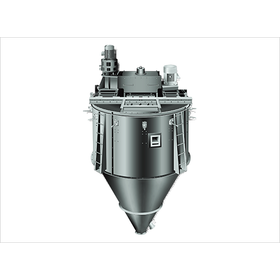
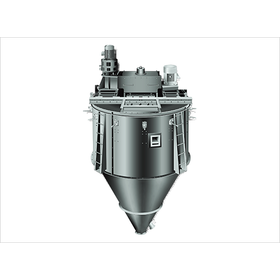
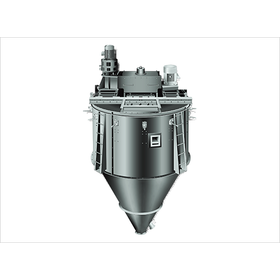
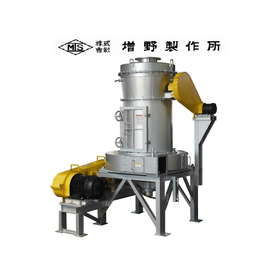
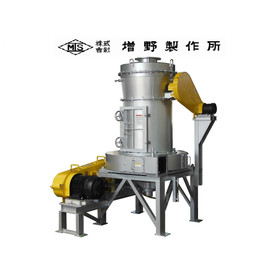
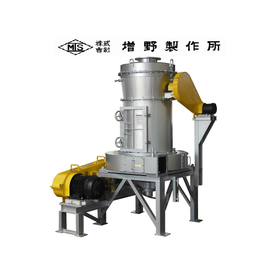
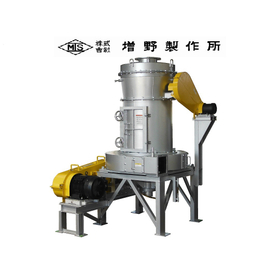
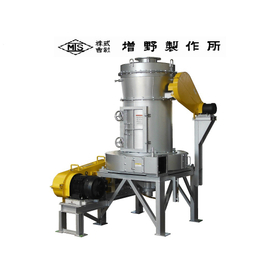
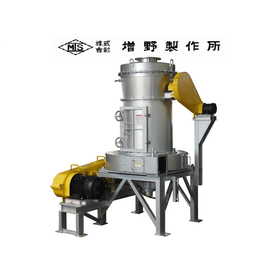
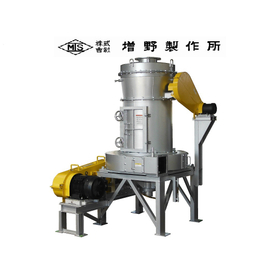
This machine is a dry classifier used for the classification of cement, silica sand, hydrated lime, and other materials. It utilizes a circulating airflow and centrifugal force for classification. With two motors driving the main and auxiliary wings separately, it allows for easy adjustment of product particle size. <Features> - Since the classification airflow is generated by the built-in main wing, an external blower is not required. - There is no need for a cyclone or bag filter for dust collection of fine powders. - The classification point can be set in the range of 45μm to 150μm. <Applications> - Classification of mineral products - Classification of metal slag
Added to bookmarks
Bookmarks listBookmark has been removed
Bookmarks listYou can't add any more bookmarks
By registering as a member, you can increase the number of bookmarks you can save and organize them with labels.
Free membership registration
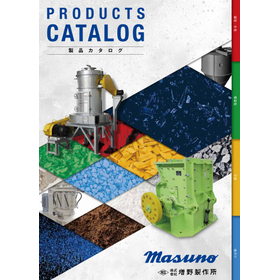
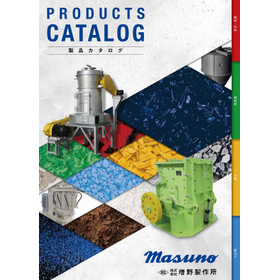
In manufacturing process management, building an efficient production system is crucial. In the powder industry, optimizing processes such as mixing, grinding, classification, and drying is essential for improving product quality and reducing costs. The MASUNO product catalog provides information for selecting the optimal machinery and equipment to address these challenges. 【Usage Scenarios】 - Mixing process of powder raw materials - Grinding and classification process - Drying process - Sintering process 【Benefits of Implementation】 - Process efficiency - Improvement in product quality - Cost reduction - Increased productivity
Added to bookmarks
Bookmarks listBookmark has been removed
Bookmarks listYou can't add any more bookmarks
By registering as a member, you can increase the number of bookmarks you can save and organize them with labels.
Free membership registration
In the construction industry, it is important to suppress dust generation and improve the working environment for safety management. In sites where powders are handled, selecting appropriate machinery is essential to reduce the risks of dust explosions and health hazards. The MASUNO product catalog features machinery related to the powder industry and supports the establishment of a safe working environment. 【Usage Scenarios】 - Sites with a risk of dust explosions - Sites aiming to prevent health hazards for workers - Plants handling powders 【Benefits of Implementation】 - Improved safety through dust suppression - Enhanced working environment - Protection of worker health - Increased productivity
Added to bookmarks
Bookmarks listBookmark has been removed
Bookmarks listYou can't add any more bookmarks
By registering as a member, you can increase the number of bookmarks you can save and organize them with labels.
Free membership registration
The "MASUNO Comprehensive Catalog" features machines that contribute to the high-tech advancement of the powder industry and the creation of a sustainable global environment. It provides solutions for [crushing → separating → pruning/reducing volume → recycling]. *For more details, please contact us or download the catalog.*
Added to bookmarks
Bookmarks listBookmark has been removed
Bookmarks listYou can't add any more bookmarks
By registering as a member, you can increase the number of bookmarks you can save and organize them with labels.
Free membership registration
In the feed industry, accurate classification of raw materials and removal of foreign substances are required to maintain the quality of compound feed consistently. Particularly, adjusting the particle size of raw materials and promoting uniform mixing are crucial for optimizing the nutritional balance of the feed. Improper classification can lead to a decline in feed quality and health issues in livestock. The CAS-type air separator efficiently classifies feed raw materials using centrifugal force and circulating airflow, supporting the production of high-quality compound feed. 【Application Scenarios】 - Classification of feed raw materials - Removal of foreign substances - Improvement of compound feed quality 【Effects of Implementation】 - Improvement of feed quality - Maintenance of livestock health - Increase in production efficiency
Added to bookmarks
Bookmarks listBookmark has been removed
Bookmarks listYou can't add any more bookmarks
By registering as a member, you can increase the number of bookmarks you can save and organize them with labels.
Free membership registration
In the paint industry, a uniform dispersion of pigments, which affects product quality, is required. Insufficient dispersion can lead to a decline in the performance of the paint film and poor appearance. The CAS-type air separator efficiently disperses pigments in paint by utilizing centrifugal force and circulating airflow, supporting the production of high-quality paint. 【Application Scenarios】 - Dispersion of pigments in paint manufacturing - Improvement of paint quality - Removal of foreign substances 【Benefits of Introduction】 - Enhanced paint film performance due to uniform pigment dispersion - Stable supply of high-quality paint - Reduction of initial costs as auxiliary equipment is not required
Added to bookmarks
Bookmarks listBookmark has been removed
Bookmarks listYou can't add any more bookmarks
By registering as a member, you can increase the number of bookmarks you can save and organize them with labels.
Free membership registration
In the fertilizer manufacturing industry, it is important to ensure the uniformity of components to maintain consistent product quality. If the components of the fertilizer are not uniform, it can lead to uneven growth after application, potentially adversely affecting yield and quality. The CAS-type air separator efficiently classifies and homogenizes components in the fertilizer production process, contributing to improved fertilizer quality. 【Application Scenarios】 - Uniformity of components in fertilizer manufacturing - Quality control through particle size adjustment - Stabilization of products by removing foreign substances 【Effects of Implementation】 - Improved fertilizer quality - Stabilization of fertilization effects - Increased efficiency of the manufacturing process
Added to bookmarks
Bookmarks listBookmark has been removed
Bookmarks listYou can't add any more bookmarks
By registering as a member, you can increase the number of bookmarks you can save and organize them with labels.
Free membership registration
In the ceramics industry, there is a demand for improving the purity of raw materials, which affects product quality. Particularly in ceramics used for electronic components and precision instruments, the presence of impurities can lead to a deterioration in product performance and a decrease in yield. The CAS-type air separator utilizes centrifugal force and circulating airflow to efficiently remove impurities, enabling the classification of high-purity ceramic raw materials. 【Application Scenarios】 - Classification of ceramic raw materials - Purification through foreign matter removal 【Effects of Implementation】 - Improvement in raw material quality - Increase in product yield - Stabilization of product performance
Added to bookmarks
Bookmarks listBookmark has been removed
Bookmarks listYou can't add any more bookmarks
By registering as a member, you can increase the number of bookmarks you can save and organize them with labels.
Free membership registration
In the chemical industry, adjusting the particle size of raw materials and intermediate products is crucial for maintaining consistent product quality. Variations in particle size distribution can lead to decreased reaction efficiency and deterioration of product performance. The CAS-type air separator is used for classifying materials such as limestone, quicklime, talc, silica sand, barite, and phosphate rock, achieving efficient particle size adjustment by utilizing centrifugal force and circulating airflow. 【Application Scenarios】 - Particle size adjustment of raw materials in the manufacturing process of chemical products - Quality control of intermediate products - Removal of foreign substances 【Benefits of Implementation】 - Stabilization of product quality - Improved yield - Cost reduction
Added to bookmarks
Bookmarks listBookmark has been removed
Bookmarks listYou can't add any more bookmarks
By registering as a member, you can increase the number of bookmarks you can save and organize them with labels.
Free membership registration
In the electronic materials industry, controlling fine particles that affect product quality is crucial. Especially when handling high-purity materials, contamination by impurities can significantly degrade product performance. The CAS-type air separator can set classification points in the range of 45μm to 150μm, efficiently classifying fine particles by utilizing centrifugal force and circulating airflow. This contributes to the improvement of electronic material quality. 【Application Scenarios】 - Removal of foreign substances in electronic material manufacturing - Classification of high-purity materials - Precise control of fine particle sizes 【Benefits of Implementation】 - Improved product yield - Stabilization of quality - Reduction of initial costs due to the absence of auxiliary equipment
Added to bookmarks
Bookmarks listBookmark has been removed
Bookmarks listYou can't add any more bookmarks
By registering as a member, you can increase the number of bookmarks you can save and organize them with labels.
Free membership registration
In the pigment industry, it is important to maintain uniform color quality of products. Color variation can compromise product quality and lead to customer complaints. The CAS type air separator is used for the classification of pigments and contributes to color adjustment. By utilizing the dispersive force and centrifugal force generated by the circulating airflow created by the main wings, it can be processed efficiently. 【Application Scenarios】 - Color adjustment of pigments - Paint manufacturing - Ink manufacturing 【Benefits of Implementation】 - Reduction of color variation - Improvement of quality - Enhancement of yield
Added to bookmarks
Bookmarks listBookmark has been removed
Bookmarks listYou can't add any more bookmarks
By registering as a member, you can increase the number of bookmarks you can save and organize them with labels.
Free membership registration
In the pharmaceutical industry, micronization technology is essential for uniformly dispersing the active ingredients of drugs. Particularly when the particle size affects the efficacy of the medication, precise classification is required. Inadequate classification can potentially reduce the effectiveness of the drug. The CAS-type air separator utilizes centrifugal force and circulating airflow to achieve efficient micronization. 【Application Scenarios】 - Classification of pharmaceutical raw materials - Adjustment of active ingredient particle size - Removal of foreign substances 【Benefits of Implementation】 - Uniformity of particle size distribution - Optimization of drug efficacy - Improved yield
Added to bookmarks
Bookmarks listBookmark has been removed
Bookmarks listYou can't add any more bookmarks
By registering as a member, you can increase the number of bookmarks you can save and organize them with labels.
Free membership registration
In mining, the sorting process is a crucial step that affects product quality and production efficiency. To make effective use of mineral resources, it is essential to remove unwanted materials and adjust the particle size of the target minerals. The CAS-type air separator is used for the classification of limestone, quicklime, talc, silica sand, barite, and phosphate rock, achieving efficient sorting. By utilizing centrifugal force and circulating airflow, it enables the processing of large quantities of minerals, contributing to increased productivity. 【Application Scenarios】 - Classification of mineral products - Removal of foreign substances 【Benefits of Implementation】 - Reduces initial costs as no auxiliary equipment is required - Allows for classification point settings in the range of 45μm to 150μm - Supports a wide processing capacity from 0.3t/h to 16t/h
Added to bookmarks
Bookmarks listBookmark has been removed
Bookmarks listYou can't add any more bookmarks
By registering as a member, you can increase the number of bookmarks you can save and organize them with labels.
Free membership registration
The CAS-type air separator is a dry classification machine primarily used for the classification of limestone, quicklime, talc, silica sand, barite, phosphate rock, and other materials. It efficiently utilizes circulating airflow and centrifugal force, allowing for the processing of large quantities. *For more details, please refer to the catalog or feel free to contact us.*
Added to bookmarks
Bookmarks listBookmark has been removed
Bookmarks listYou can't add any more bookmarks
By registering as a member, you can increase the number of bookmarks you can save and organize them with labels.
Free membership registration
In the electronic materials industry, the removal of impurities that affect product quality and the pursuit of high purity are essential. In particular, contamination at the fine particle level can lead to a decline in product performance and a decrease in yield. The SAS-type air separator efficiently classifies fine particles using circulating airflow and centrifugal force, supporting the production of high-purity electronic materials. 【Application Scenarios】 - Classification of raw materials in electronic material manufacturing - Removal of foreign substances in the high-purity process - Quality control at the fine particle level 【Benefits of Implementation】 - Production of high-purity electronic materials - Improvement in product quality - Enhancement of yield
Added to bookmarks
Bookmarks listBookmark has been removed
Bookmarks listYou can't add any more bookmarks
By registering as a member, you can increase the number of bookmarks you can save and organize them with labels.
Free membership registration
In the pharmaceutical industry, the control of excipient particle size significantly impacts product quality and uniformity. If the particle size distribution of the excipient is uneven, it can lead to variations in tablet hardness and dissolution characteristics, potentially hindering the proper release of active ingredients. The SAS-type air separator efficiently classifies excipients using circulating airflow and centrifugal force, achieving a uniform particle size distribution. This contributes to the improvement of pharmaceutical quality. 【Application Scenarios】 - Adjustment of excipient particle size - Quality control in pharmaceutical manufacturing 【Effects of Implementation】 - Achievement of uniform particle size distribution - Stabilization of pharmaceutical quality - Increased efficiency in manufacturing processes
Added to bookmarks
Bookmarks listBookmark has been removed
Bookmarks listYou can't add any more bookmarks
By registering as a member, you can increase the number of bookmarks you can save and organize them with labels.
Free membership registration
In the chemical industry, a uniform mixing of raw materials is required to maintain consistent product quality. Particularly in mixing processes that affect reaction rates and product characteristics, the uniformity of particle size distribution is crucial. Improper mixing can lead to reaction biases and a decline in product quality. The SAS-type air separator efficiently disperses materials using circulating airflow and centrifugal force, promoting uniform mixing. 【Application Scenarios】 - Mixing of chemical substances - Mixing of powdered raw materials - Pre-treatment in reaction processes 【Benefits of Implementation】 - Improved product quality through uniform mixing - Increased productivity through efficient mixing - Optimization of product characteristics through particle size adjustment
Added to bookmarks
Bookmarks listBookmark has been removed
Bookmarks listYou can't add any more bookmarks
By registering as a member, you can increase the number of bookmarks you can save and organize them with labels.
Free membership registration
In the fertilizer industry, there is a demand for improved uniformity in particle size and quality. In the granulation process, deviations in particle size distribution can reduce the effectiveness of fertilizers and worsen application efficiency. The SAS-type air separator efficiently classifies fertilizer raw materials using a circulating airflow and centrifugal force, achieving uniform particle size. This allows for maximizing the effectiveness of fertilizers and improving application efficiency. 【Usage Scenarios】 - Classification of raw materials in fertilizer manufacturing - Particle size adjustment before granulation 【Benefits of Implementation】 - Enhanced fertilizer effectiveness due to uniform particle size - Improved application efficiency - Stabilization of product quality
Added to bookmarks
Bookmarks listBookmark has been removed
Bookmarks listYou can't add any more bookmarks
By registering as a member, you can increase the number of bookmarks you can save and organize them with labels.
Free membership registration
In the paint industry, the uniform dispersion of pigments and additives is a crucial factor that affects product quality. Insufficient dispersion can lead to color unevenness, sedimentation, and a decrease in performance. The SAS-type air separator efficiently disperses fine particles in the paint through circulating airflow and centrifugal force, ensuring uniform quality. This contributes to improved paint performance and the provision of stable quality. 【Usage Scenarios】 - Dispersion of pigments in paint manufacturing - Uniform dispersion of additives - Quality control of paint 【Effects of Implementation】 - Improvement in paint quality (suppression of color unevenness and sedimentation) - Increased production efficiency - Cost reduction (minimization of material waste)
Added to bookmarks
Bookmarks listBookmark has been removed
Bookmarks listYou can't add any more bookmarks
By registering as a member, you can increase the number of bookmarks you can save and organize them with labels.
Free membership registration
In the ceramics industry, the uniformity of particle size distribution, which affects product quality, is required. A uniform particle size distribution is essential to prevent deviations in shrinkage during sintering and to improve product strength and dimensional accuracy. The SAS-type air separator efficiently classifies ceramic raw materials using circulating airflow and centrifugal force, precisely controlling the particle size distribution. This supports the production of high-quality ceramic products. 【Application Scenarios】 - Classification of ceramic raw materials - Particle size adjustment before sintering - Quality control of products 【Benefits of Implementation】 - Improvement in product quality through uniform particle size distribution - Suppression of sintering defects - Improvement in yield
Added to bookmarks
Bookmarks listBookmark has been removed
Bookmarks listYou can't add any more bookmarks
By registering as a member, you can increase the number of bookmarks you can save and organize them with labels.
Free membership registration
In the recycling industry, it is required to accurately sort waste by type. In particular, to prevent contamination and ensure high-quality recycled materials, high sorting accuracy is essential. Improper sorting can lead to decreased recycling efficiency and deterioration of product quality. The SAS-type air separator efficiently sorts using circulating airflow and centrifugal force, allowing for classification points to be set in the range of 75μm to 150μm. 【Application Scenarios】 - Waste sorting - Classification of recycled materials 【Benefits of Implementation】 - Securing high-quality recycled materials through high sorting accuracy - Cost reduction through efficient sorting operations - Space-saving due to the elimination of external blowers and dust collectors
Added to bookmarks
Bookmarks listBookmark has been removed
Bookmarks listYou can't add any more bookmarks
By registering as a member, you can increase the number of bookmarks you can save and organize them with labels.
Free membership registration
In the cement industry, the micronization of raw materials is crucial for improving product quality and production efficiency. The precision of micronization affects the strength and reactivity of cement, influencing the quality of the final product. The SAS-type air separator efficiently classifies cement using circulating airflow and centrifugal force, contributing to the production of high-quality products. 【Application Scenarios】 - Classification of raw materials in the cement manufacturing process - Particle size adjustment in cement quality control 【Benefits of Implementation】 - Production of high-quality cement products - Improvement of production efficiency - Reduction of running costs
Added to bookmarks
Bookmarks listBookmark has been removed
Bookmarks listYou can't add any more bookmarks
By registering as a member, you can increase the number of bookmarks you can save and organize them with labels.
Free membership registration
In mining, it is essential to efficiently separate the desired minerals from the extracted ores. Particularly, to ensure a stable supply of high-quality minerals, it is important to accurately control the particle size and effectively separate unwanted materials. The SAS-type air separator enables efficient classification of minerals through circulating airflow and centrifugal force. 【Application Scene】 - Mineral sorting 【Benefits of Implementation】 - Efficient classification processing - Quality improvement through particle size adjustment
Added to bookmarks
Bookmarks listBookmark has been removed
Bookmarks listYou can't add any more bookmarks
By registering as a member, you can increase the number of bookmarks you can save and organize them with labels.
Free membership registration
In the battery materials industry, adjusting particle size, which influences product performance, is crucial. The uniform particle diameter of electrode materials affects the battery's capacity and charge/discharge rates. Improper particle size adjustment can lead to decreased battery performance and shortened lifespan. The SAS-type air separator efficiently classifies materials using circulating airflow and centrifugal force, contributing to the particle size adjustment of battery materials. 【Application Scenarios】 - Classification of lithium-ion battery cathode materials - Classification of lithium-ion battery anode materials - Particle size adjustment of other battery materials 【Benefits of Implementation】 - Achievement of uniform particle diameter - Improvement in battery performance - Enhancement of yield
Added to bookmarks
Bookmarks listBookmark has been removed
Bookmarks listYou can't add any more bookmarks
By registering as a member, you can increase the number of bookmarks you can save and organize them with labels.
Free membership registration
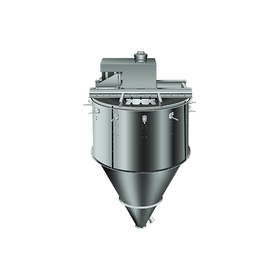
The SAS type air separator is a dry classification machine primarily used for the classification of cement, silica sand, limestone, and slaked lime. It efficiently disperses using a circulating airflow and can handle large volumes through the use of centrifugal force. Additionally, we also manufacture the TMS type (twin motor). ■ We have a test machine available at our factory. We look forward to your requests for classification tests. Please feel free to contact us through the inquiry form. * For more details, please contact us or download the catalog. * Technical materials are also available.
Added to bookmarks
Bookmarks listBookmark has been removed
Bookmarks listYou can't add any more bookmarks
By registering as a member, you can increase the number of bookmarks you can save and organize them with labels.
Free membership registration
- Customer's issues and requests before implementation: In the crushed stone plant, we crush stones finely with a crusher and sell them at a specified particle size. However, there has been no use for the fine crushed sand, which has been disposed of until now. There is a request to find a way to utilize this crushed sand. - Proposed model in response to the request: Our company has traditionally classified fine powder in the production line for limestone and other materials. By using an air separator, we classify and remove dust from the crushed sand, producing coarse powder as sand. - Specifications of the model: SAS-8F (diameter 2,440mm) to SAS-16F (diameter 4,880mm) - Customer feedback after implementation: We remove dust from the crushed sand and manufacture and sell it as concrete-grade crushed sand.
Added to bookmarks
Bookmarks listBookmark has been removed
Bookmarks listYou can't add any more bookmarks
By registering as a member, you can increase the number of bookmarks you can save and organize them with labels.
Free membership registration
In the fertilizer industry, uniform mixing of ingredients and efficient solubility are required. Particularly with water-soluble fertilizers, particle size significantly affects the dissolution rate, which can hinder uniform application and rapid nutrient supply to plants. The dry ultrafine grinder "MS Roller Mill" enhances the solubility of fertilizers by micronizing raw materials, achieving a uniform mixture of components. This promotes effective use of fertilizers and supports crop growth. 【Usage Scenarios】 - Production of water-soluble fertilizers - Uniformity of fertilizer components - Maximization of fertilizer effectiveness through improved solubility 【Benefits of Implementation】 - Improved solubility of fertilizers - Uniformity of fertilizer components - Enhanced fertilizer effectiveness - Cost reduction
Added to bookmarks
Bookmarks listBookmark has been removed
Bookmarks listYou can't add any more bookmarks
By registering as a member, you can increase the number of bookmarks you can save and organize them with labels.
Free membership registration
In the electronic materials industry, there is a demand for the refinement of raw materials due to the increasing performance requirements of products. Particularly in the manufacturing of electronic components, the uniform particle size of materials and high-quality grinding are crucial factors that influence product performance. Inadequate grinding can lead to reduced yield and performance degradation of the products. The MS roller mill combines grinding, classification, and air transport to meet the needs for the refinement of electronic materials. 【Application Scenarios】 - Micronization of electronic materials - Drying and grinding of powder materials 【Benefits of Implementation】 - Capable of handling a wide range of micronization - Reduction of drying processes - Suppression of dust generation
Added to bookmarks
Bookmarks listBookmark has been removed
Bookmarks listYou can't add any more bookmarks
By registering as a member, you can increase the number of bookmarks you can save and organize them with labels.
Free membership registration
In the paint industry, the uniformity and vibrancy of color development, which affect product quality, are crucial. If the particle size of pigments is uneven or if aggregation is observed, color development may deteriorate, potentially diminishing the product's value. The dry ultrafine grinder 'MS Roller Mill' contributes to improving the color development of paints by finely grinding pigments to achieve a uniform particle size. By combining grinding, classification, and air transport, and additionally equipping it with a hot air generation device, it enables simultaneous grinding and drying. 【Application Scenarios】 - Ultrafine grinding of pigments in paint manufacturing - Improvement of color development inconsistencies - Enhancement of color reproducibility in paints 【Effects of Implementation】 - Increased product value due to improved color development - Stabilization of quality through uniform particle size - Process shortening by simultaneous treatment with the drying process
Added to bookmarks
Bookmarks listBookmark has been removed
Bookmarks listYou can't add any more bookmarks
By registering as a member, you can increase the number of bookmarks you can save and organize them with labels.
Free membership registration
In the battery materials industry, there is a demand for higher density materials due to performance enhancements. Micronization technology contributes to this by controlling the particle size of materials. Proper control of particle size is essential for improving battery performance. The MS roller mill is a dry micronization machine that combines grinding, classification, and air transport, and is equipped with a hot air generation device, allowing for simultaneous grinding and drying. 【Application Scenarios】 - Manufacturing of battery materials - Grinding of materials aiming for higher density - When simultaneous drying and grinding is desired 【Benefits of Implementation】 - Promotes the densification of materials - Contributes to improved battery performance - Reduces drying processes
Added to bookmarks
Bookmarks listBookmark has been removed
Bookmarks listYou can't add any more bookmarks
By registering as a member, you can increase the number of bookmarks you can save and organize them with labels.
Free membership registration
In the ink industry, there is a demand for improved coloring power through the fine grinding of pigments. The more uniform and finer the particle size of the pigments, the more vibrant the ink's color becomes, and the better the opacity. Improper grinding can lead to pigment aggregation, which may cause a decrease in coloring power and clogging. Our dry fine grinding machine, the "MS Roller Mill," efficiently fine-grinds pigments and contributes to the improvement of ink quality. 【Application Scenarios】 - Fine grinding of pigments in ink manufacturing - Improvement of ink color reproducibility - Enhancement of ink opacity 【Effects of Implementation】 - Uniformization of pigment particle size, enhancing coloring power - Improvement of ink vibrancy - Suppression of ink clogging
Added to bookmarks
Bookmarks listBookmark has been removed
Bookmarks listYou can't add any more bookmarks
By registering as a member, you can increase the number of bookmarks you can save and organize them with labels.
Free membership registration
In the chemical industry, improving reactivity is essential for enhancing product quality and improving production efficiency. To increase the reaction rate, expanding the surface area through the micronization of raw materials is crucial. The MS roller mill combines grinding, classification, and air transport, and is equipped with a hot air generation device, allowing for simultaneous grinding and drying, thereby creating a highly reactive state. 【Application Scenarios】 - Streamlining chemical reactions - Uniform mixing of raw materials - Simultaneous processing of drying and grinding 【Effects of Implementation】 - Increased reaction rate - Stabilization of product quality - Reduction of production costs
Added to bookmarks
Bookmarks listBookmark has been removed
Bookmarks listYou can't add any more bookmarks
By registering as a member, you can increase the number of bookmarks you can save and organize them with labels.
Free membership registration
In the mineral industry, proper crushing and sorting of minerals are required to maintain product quality. In particular, the uniformity of particle size distribution significantly affects the efficiency and quality of products in subsequent processes. Improper crushing or sorting can lead to reduced yield and deterioration of product quality. Our MS roller mill efficiently combines crushing, classification, and air transport to carry out the crushing and sorting of minerals. 【Application Scenarios】 - Adjustment of mineral particle size - Removal of foreign substances - Improvement of product quality 【Benefits of Implementation】 - Uniformity of particle size distribution - Increased yield - Stabilization of product quality
Added to bookmarks
Bookmarks listBookmark has been removed
Bookmarks listYou can't add any more bookmarks
By registering as a member, you can increase the number of bookmarks you can save and organize them with labels.
Free membership registration