We have compiled a list of manufacturers, distributors, product information, reference prices, and rankings for ERP.
ipros is IPROS GMS IPROS One of the largest technical database sites in Japan that collects information on.

ERP(ニーズ) - List of Manufacturers, Suppliers, Companies and Products | IPROS GMS

ERP Product List

1~25 item / All 25 items

Displayed results

ERP

Achieving flexible customization tailored to customer needs and business flows!

Our company provides DX support for large and medium-sized enterprises by selecting and implementing the "ERP system," which has become the global de facto standard, to continuously and flexibly update technological advancements. By combining our DX development platform "Orizuru" with the ERP system, we can manage and improve data across the entire factory and achieve centralized management at the product level, thereby enhancing productivity and profitability. With deep insights into the manufacturing industry, our company offers one-stop support from consulting to planning, design, development, and maintenance operations. 【Features】 ■ Improvement of productivity and profitability through data management, improvement, and centralized management at the product level. ■ One-stop support available from consulting to planning, design, development, and maintenance operations. *For more details, please download the PDF or feel free to contact us.

Added to bookmarks

Bookmarks list

Bookmark has been removed

Bookmarks list

You can't add any more bookmarks

By registering as a member, you can increase the number of bookmarks you can save and organize them with labels.

Free membership registration

Explanatory article "The Future of Food Traceability" *Materials available.

Explaining food traceability through the use of IT such as cloud ERP, along with considerations on blockchain.

For food and beverage manufacturers and food retail companies, product traceability is extremely important for taking early measures when quality issues arise. This article explains the benefits of utilizing systems such as cloud ERP to achieve food traceability. [Contents] - Background of the demand for food traceability - What can be achieved through the use of technologies like cloud ERP - The pros and cons of blockchain as a tracking tool *This article can be viewed via "PDF Download." We are also offering materials on our cloud ERP for the food and beverage industry.

  • Other production management systems
  • ERP

Added to bookmarks

Bookmarks list

Bookmark has been removed

Bookmarks list

You can't add any more bookmarks

By registering as a member, you can increase the number of bookmarks you can save and organize them with labels.

Free membership registration

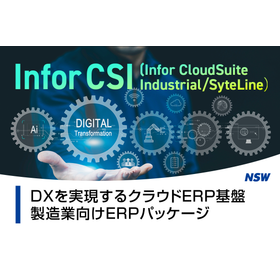
ERP package for the manufacturing industry "InforCSI/SyteLine"

Cloud ERP platform that realizes DX

The arrival of the new normal has forced many manufacturing industries to respond to changing new challenges and needs, such as overseas expansion and reevaluation of supply chains. To drive business model transformation through DX promotion, it is essential to build a flexible cloud-based IT infrastructure from the dispersed legacy systems divided by department. "CloudSuite Industrial (SyteLine)" is a global ERP package that has contributed to business improvement, productivity enhancement, and the introduction of the latest technologies for manufacturing industries for over 30 years. [Recommended Column] Is Scratch Reaching Its Limits? Three Reasons Why Manufacturing is Focusing on Cloud ERP Implementation https://nsw-manufacturing.jp/note/mfg_note_09.html

Added to bookmarks

Bookmarks list

Bookmark has been removed

Bookmarks list

You can't add any more bookmarks

By registering as a member, you can increase the number of bookmarks you can save and organize them with labels.

Free membership registration

Cloud-based ERP "Infor M3 Cloud"

An on-demand cloud service with a wealth of features specialized for the industry, capable of addressing unique business requirements.

"Infor M3 Cloud" is a highly flexible SaaS-based cloud service in terms of usability, technology, and scalability. It is an ERP solution that can accommodate the requirements of multiple companies, multiple sites, and multiple countries, tailored to the growth of your business. It is one of the industry-specific CloudSuite solutions offered by Infor, providing robust features as standard to support industries with significant burdens of complex mixed-mode production and distribution operations, and it can also be configured to meet your unique business requirements. [Features] - Provides industry-specific functionalities and features that can address future industry needs - Significantly reduces not only operational costs but also the time and costs associated with implementation - Infor handles large-scale upgrades on your behalf - New features can be tested in a staging environment and adapted to the production environment once approved - Resources and computing power can be easily and flexibly scaled *For more details, please refer to the PDF materials or feel free to contact us.

Added to bookmarks

Bookmarks list

Bookmark has been removed

Bookmarks list

You can't add any more bookmarks

By registering as a member, you can increase the number of bookmarks you can save and organize them with labels.

Free membership registration

ERP Supporting Business Optimization in Manufacturing | Manufacturing DX

Achieving flexible customization tailored to customer needs and business flows!

In the manufacturing industry, it is essential to operate multiple core business processes such as production planning, process management, inventory management, quality control, and cost management in a coordinated manner. However, when information is dispersed across departments, issues such as delays in progress tracking, inventory shortages or surpluses, delays in responding to quality issues, and a lack of visibility into costs are likely to arise. ERP is a core system that centralizes this information, supporting real-time information sharing and rapid decision-making. By enabling flexible implementation tailored to customer needs and business flows, it contributes to improved productivity, cost reduction, enhanced quality, and better adherence to delivery deadlines. 【Usage Scenarios】 - Progress management of production planning and manufacturing processes - Optimization of inventory management and material procurement - Quality control and rapid response to defects - Cost management and visibility of profitability 【Benefits of Implementation】 - Increased productivity - Cost reduction - Improved quality - Enhanced adherence to delivery deadlines

Added to bookmarks

Bookmarks list

Bookmark has been removed

Bookmarks list

You can't add any more bookmarks

By registering as a member, you can increase the number of bookmarks you can save and organize them with labels.

Free membership registration

ERP that supports the core operations of the construction industry.

Support the optimization of core business operations in the construction industry through flexible ERP implementation tailored to customer needs and business workflows.

In the construction industry, in addition to cost management for each project, it is necessary to manage multiple tasks in coordination, such as budget management, performance management, understanding outsourcing and labor costs, and confirming the financial status of ongoing projects. However, if information is dispersed across departments or projects, it may lead to delays in understanding costs, overlooking deteriorating financial conditions, and delays in management decisions. ERP is a core system that supports accurate cost management and rapid decision-making in the construction industry by centralizing such information and visualizing the financial status and budget vs. actual conditions for each project. By enabling flexible implementation that aligns with customer needs and business flows, it contributes to the visualization of profitability, cost reduction, and expedited management decisions. 【Use Cases】 - Financial management by project - Comparative analysis of budget and actual performance - Cost management of materials, labor, and outsourcing - Profitability management of ongoing projects 【Benefits of Implementation】 - Visualization of profitability by project - Achievement of cost reduction - Acceleration of management decisions - Reduction of budget overrun risks

Added to bookmarks

Bookmarks list

Bookmark has been removed

Bookmarks list

You can't add any more bookmarks

By registering as a member, you can increase the number of bookmarks you can save and organize them with labels.

Free membership registration

Japan - Global ERP GP/NAV Upgrade

Creating the future of business from GP/NAV to Dynamics 365.

Upgrade to Next-Generation Cloud Solutions Dynamics NAV has been offered as an ERP for small and medium-sized enterprises for many years, but since 2019, the provision of new licenses has ended, and it has been integrated into Dynamics 365 Business Central as a next-generation cloud solution. Dynamics GP continues to be offered as an on-premises solution for small and medium-sized enterprises in the United States, but to flexibly respond to market changes and needs, the flexibility and convenience of cloud solutions are highly valued, and many companies have already upgraded to Dynamics 365 Business Central. Dynamics 365 Business Central inherits all the major features of Dynamics NAV while adding various benefits from cloud technology, resulting in a more enhanced ERP solution.

Added to bookmarks

Bookmarks list

Bookmark has been removed

Bookmarks list

You can't add any more bookmarks

By registering as a member, you can increase the number of bookmarks you can save and organize them with labels.

Free membership registration

Industry-specific cloud ERP

Infor's cloud-based ERP that incorporates industry-specific best practices.

Infor's ERP has been meeting the needs of large to medium-sized enterprises across various industries for over 30 years. Infor's cloud ERP solution, which incorporates industry-specific best practices into its core solutions, is deployed globally to meet the unique requirements that vary by industry, and it can be scaled to fit different sizes and organizational structures in each country or region while complying with increasingly stringent regulations. For example, core products like Infor LN for large assembly manufacturing and Infor SyteLine, which can flexibly accommodate order design or mixed-mode production, are available in a cloud environment. Additionally, processes can be easily modified after implementation to adapt to market changes and drive innovation. There is no longer a need to incur costs for customization. Infor's cloud ERP leverages the highly secure Amazon Web Services (AWS) cloud infrastructure and is offered globally at a low cost. You won't have to worry about hosting or software management. ■ For more details, please contact us.

Added to bookmarks

Bookmarks list

Bookmark has been removed

Bookmarks list

You can't add any more bookmarks

By registering as a member, you can increase the number of bookmarks you can save and organize them with labels.

Free membership registration

ERP that connects lot, quality, and cost [Chemicals]

An ERP that can be flexibly built to match the on-site business flow!

In the chemical industry, it is essential to accurately manage information at each stage, from raw material procurement to formulation, manufacturing, quality control, inventory management, and shipping. In particular, it is necessary to operate multiple core business processes in conjunction, such as lot management, formulation information management, accumulation of quality records, and compliance with regulations. When information is dispersed across departments, issues such as delays in progress tracking, inventory shortages or surpluses, delays in addressing quality issues, and obscured cost visibility are likely to arise. ERP is a core system that centralizes this information, supporting the standardization of operations and rapid decision-making. By allowing for flexible implementation tailored to customer needs and business flows, it contributes to increased productivity, optimized inventory, strengthened quality management, and improved profitability. 【Use Cases】 - Management of raw materials and formulation information - Tracking of manufacturing processes and lot information - Centralized management of quality records and inspection results - Integration of inventory management and shipping information 【Benefits of Implementation】 - Enhanced traceability - Strengthened quality management - Cost reduction through optimized inventory - Improved operational efficiency and profitability

Added to bookmarks

Bookmarks list

Bookmark has been removed

Bookmarks list

You can't add any more bookmarks

By registering as a member, you can increase the number of bookmarks you can save and organize them with labels.

Free membership registration

ERP connecting engineering, parts, and costs [automotive parts]

An ERP that can flexibly respond to production sites with significant fluctuations!

In the automotive parts industry, it is essential to operate multiple core business processes such as production planning, process management, parts management, inventory management, quality control, and cost management in a coordinated manner. In particular, accurate and speedy operations are required to accommodate a wide variety of products, adhere to delivery deadlines, manage a large number of parts, and track manufacturing history. When information is dispersed across departments, issues such as delays in progress tracking, parts shortages, inventory imbalances, delays in addressing quality defects, and obscured cost visibility are likely to arise. ERP is a core system that centralizes this information and supports the standardization of operations and rapid decision-making. By enabling flexible implementation tailored to customer needs and business flows, it contributes to improved productivity, optimized inventory, enhanced quality management, and increased profitability. 【Usage Scenarios】 - Management of production planning and process progress - Centralized management of parts and inventory information - Tracking of manufacturing history and lot information - Visualization of quality records and cost information 【Benefits of Implementation】 - Increased productivity - Cost reduction through inventory optimization - Strengthened quality management and traceability - Enhanced visibility and improvement of profitability

Added to bookmarks

Bookmarks list

Bookmark has been removed

Bookmarks list

You can't add any more bookmarks

By registering as a member, you can increase the number of bookmarks you can save and organize them with labels.

Free membership registration

ERP that integrates raw materials, processes, and costs | Steelmaking

Supports complex manufacturing flows. Flexibly optimized to suit your business!

In the steel industry, it is essential to accurately manage information across all processes, from raw material procurement to manufacturing, quality control, inventory management, and shipping. In particular, it is necessary to operate multiple core business functions in coordination, including managing manufacturing conditions, tracking by lot, accumulating quality records, and responding to delivery deadlines. When information is dispersed across departments, issues such as delays in progress tracking, raw material shortages, inventory imbalances, delays in addressing quality issues, and obscured cost visibility are more likely to arise. ERP is a core system that centralizes this information, supporting business standardization and rapid decision-making. By enabling flexible implementation tailored to customer needs and business flows, it contributes to increased productivity, optimized inventory, enhanced quality management, and improved profitability. 【Usage Scenarios】 - Management of raw material and inventory information - Tracking of manufacturing processes and lot information - Centralized management of quality records and inspection results - Visualization of cost information and profitability management 【Benefits of Implementation】 - Strengthened traceability - Enhanced quality management - Cost reduction through inventory optimization - Visualization and improvement of profitability

Added to bookmarks

Bookmarks list

Bookmark has been removed

Bookmarks list

You can't add any more bookmarks

By registering as a member, you can increase the number of bookmarks you can save and organize them with labels.

Free membership registration

Integration of non-ferrous metal operations using ERP.

Make materials, processes, and quality flexible and visible according to the site!

In the non-ferrous metal industry, it is essential to accurately manage information across each process from raw material procurement to manufacturing, quality control, inventory management, and shipping. In particular, it is necessary to operate multiple core business functions in coordination, including the management of manufacturing conditions, tracking by lot, accumulation of quality records, and responding to delivery deadlines. When information is dispersed across departments, issues such as delays in progress tracking, raw material shortages, inventory imbalances, delays in addressing quality issues, and obscured cost visibility are more likely to arise. ERP is a core system that centralizes this information, supporting the standardization of operations and rapid decision-making. By enabling flexible implementation tailored to customer needs and business flows, it contributes to improved productivity, optimized inventory, strengthened quality management, and enhanced profitability. 【Usage Scenarios】 - Management of raw material and inventory information - Tracking of manufacturing processes and lot information - Centralized management of quality records and inspection results - Visualization of cost information and profitability management 【Effects of Implementation】 - Strengthened traceability - Enhanced quality management - Cost reduction through optimized inventory - Visualization and improvement of profitability

Added to bookmarks

Bookmarks list

Bookmark has been removed

Bookmarks list

You can't add any more bookmarks

By registering as a member, you can increase the number of bookmarks you can save and organize them with labels.

Free membership registration

ERP that connects quality and production [Glass]

Also supports the management of manufacturing conditions. Flexibly optimized to match the business flow!

In the glass industry, it is essential to accurately manage information at each stage, from raw material procurement to manufacturing, quality control, inventory management, and shipping. In particular, it is necessary to operate multiple core business processes in conjunction, including the management of manufacturing conditions, tracking by lot, accumulation of quality records, and responding to delivery deadlines. When information is dispersed across departments, issues such as delays in progress tracking, raw material shortages, inventory imbalances, delays in addressing quality issues, and obscured cost visibility are likely to arise. ERP is a core system that centralizes this information, supporting the standardization of operations and rapid decision-making. By enabling flexible implementation tailored to customer needs and business flows, it contributes to increased productivity, optimized inventory, strengthened quality management, and improved profitability. 【Usage Scenarios】 - Management of raw material and inventory information - Tracking of manufacturing processes and lot information - Centralized management of quality records and inspection results - Visualization of cost information and profitability management 【Effects of Implementation】 - Strengthened traceability - Enhanced quality management - Cost reduction through optimized inventory - Visualization and improvement of profitability

Added to bookmarks

Bookmarks list

Bookmark has been removed

Bookmarks list

You can't add any more bookmarks

By registering as a member, you can increase the number of bookmarks you can save and organize them with labels.

Free membership registration

Centralization of textile manufacturing operations using ERP.

Flexible implementation according to business flow, even in sites with multiple varieties!

In the textile industry, it is essential to accurately manage information across all processes, from raw material procurement to manufacturing, quality control, inventory management, and shipping. In particular, it is necessary to operate multiple core business functions in coordination, including the development of a wide variety of products, meeting delivery deadlines, tracking by lot, and accumulating quality records. When information is dispersed across departments, issues such as delays in progress tracking, raw material shortages, inventory imbalances, delays in addressing quality issues, and obscured cost visibility are likely to arise. ERP is a core system that centralizes this information, supporting the standardization of operations and rapid decision-making. By allowing for flexible implementation tailored to customer needs and business flows, it contributes to improved productivity, optimized inventory, enhanced quality management, and increased profitability. 【Usage Scenarios】 - Management of raw material and inventory information - Tracking of manufacturing processes and lot information - Centralized management of quality records and inspection results - Visualization of cost information and profitability management 【Benefits of Implementation】 - Strengthened traceability - Enhanced quality management - Cost reduction through optimized inventory - Visualization and improvement of profitability

Added to bookmarks

Bookmarks list

Bookmark has been removed

Bookmarks list

You can't add any more bookmarks

By registering as a member, you can increase the number of bookmarks you can save and organize them with labels.

Free membership registration

ERP that connects quality and inventory [Dairy Products]

Also supports the management of manufacturing conditions. Flexibly optimized to suit the site!

In the dairy industry, it is essential to accurately manage information at each stage from raw material procurement to manufacturing, quality control, inventory management, and shipping. In particular, it is necessary to operate multiple core business processes in coordination, including lot management, management of manufacturing conditions, accumulation of quality records, and inventory management that includes expiration dates. When information is dispersed across departments, issues such as delays in progress tracking, raw material shortages, inventory imbalances, delays in addressing quality issues, and obscured cost visibility are likely to arise. ERP is a core system that centralizes this information, supporting the standardization of operations and rapid decision-making. By allowing for flexible implementation tailored to customer needs and business flows, it contributes to improved productivity, optimized inventory, enhanced quality management, and increased profitability. 【Usage Scenarios】 - Management of raw material and inventory information - Tracking of manufacturing processes and lot information - Centralized management of quality records and inspection results - Coordination of inventory management and shipping information, including expiration dates 【Effects of Implementation】 - Strengthened traceability - Enhanced quality management - Cost reduction through optimized inventory - Improved operational efficiency and profitability

Added to bookmarks

Bookmarks list

Bookmark has been removed

Bookmarks list

You can't add any more bookmarks

By registering as a member, you can increase the number of bookmarks you can save and organize them with labels.

Free membership registration

ERP that integrates coordination, inventory, and quality [Cosmetics]

Supporting the business flow, flexibly optimizing cosmetics manufacturing!

In the cosmetics industry, it is essential to operate multiple tasks in coordination, including the management of raw materials and formulation information, manufacturing processes, quality control, inventory management, and shipping. Particularly, in response to a wide variety of products and short product cycles, it is necessary to accurately manage lot control, maintain quality records, and comply with regulations. When information is dispersed across departments, issues such as inventory shortages or surpluses, delays in quality verification, lack of visibility into costs, and complexity in handling tasks are likely to arise. ERP is a core system that centralizes this information, supporting the standardization of operations and rapid decision-making. By enabling flexible implementation tailored to customer needs and business flows, it contributes to increased productivity, optimized inventory, enhanced quality management, and improved profitability. 【Usage Scenarios】 - Management of raw materials and formulation information - Tracking of manufacturing processes and lot information - Centralized management of quality records and inspection results - Integration of inventory management and shipping information 【Benefits of Implementation】 - Strengthened traceability - Enhanced quality management - Cost reduction through optimized inventory - Improved operational efficiency and profitability

Added to bookmarks

Bookmarks list

Bookmark has been removed

Bookmarks list

You can't add any more bookmarks

By registering as a member, you can increase the number of bookmarks you can save and organize them with labels.

Free membership registration

ERP connecting lot, formulation, and inventory [Plastic]

Adaptable to fluctuating environments. Flexibly optimized to match business workflows!

In the plastic industry, it is essential to accurately manage information across each process, from raw material procurement to formulation, manufacturing, quality control, inventory management, and shipping. In particular, it is necessary to operate multiple core business functions in coordination, including lot management, formulation condition management, accumulation of quality records, and response to delivery deadlines. When information is dispersed across departments, issues such as delays in progress tracking, raw material shortages, inventory excess or shortages, delays in addressing quality issues, and lack of visibility into costs are more likely to arise. ERP is a core system that centralizes this information, supporting the standardization of operations and rapid decision-making. By enabling flexible implementation tailored to customer needs and business flows, it contributes to increased productivity, optimized inventory, strengthened quality management, and improved profitability. 【Usage Scenarios】 - Management of raw materials and formulation information - Tracking of manufacturing processes and lot information - Centralized management of quality records and inspection results - Coordination of inventory management and shipping information 【Benefits of Implementation】 - Strengthened traceability - Enhanced quality management - Cost reduction through optimized inventory - Improved operational efficiency and profitability

Added to bookmarks

Bookmarks list

Bookmark has been removed

Bookmarks list

You can't add any more bookmarks

By registering as a member, you can increase the number of bookmarks you can save and organize them with labels.

Free membership registration

Core management of paper and pulp manufacturing organized with ERP.

Raw materials, processes, and quality are flexibly centralized to match the business flow!

In the paper and pulp industry, it is essential to accurately manage information across all processes from raw material procurement to manufacturing, quality control, inventory management, and shipping. In particular, it is necessary to operate multiple core business functions in coordination, including managing manufacturing conditions, tracking by lot, accumulating quality records, and responding to delivery deadlines. When information is dispersed across departments, issues such as delays in progress tracking, raw material shortages, inventory excess or shortages, delays in addressing quality issues, and obscured cost visibility are likely to arise. ERP is a core system that centralizes this information, supporting the standardization of operations and rapid decision-making. By enabling flexible implementation tailored to customer needs and business flows, it contributes to increased productivity, optimized inventory, strengthened quality management, and improved profitability. 【Usage Scenarios】 - Management of raw material and inventory information - Tracking of manufacturing processes and lot information - Centralized management of quality records and inspection results - Visualization of cost information and profitability management 【Benefits of Implementation】 - Strengthened traceability - Enhanced quality management - Cost reduction through optimized inventory - Visualization and improvement of profitability

Added to bookmarks

Bookmarks list

Bookmark has been removed

Bookmarks list

You can't add any more bookmarks

By registering as a member, you can increase the number of bookmarks you can save and organize them with labels.

Free membership registration

ERP that connects quality, inventory, and processes [Film]

Supports multi-project management. Flexibly optimized to suit the site!

In the film industry, it is essential to accurately manage information across each process from raw material procurement to manufacturing, quality control, inventory management, and shipping. In particular, it is necessary to operate multiple core business functions in coordination, including the management of manufacturing conditions, tracking by lot, accumulation of quality records, and responsiveness to delivery deadlines. When information is dispersed across departments, issues such as delays in progress tracking, shortages of raw materials, excess or insufficient inventory, delays in addressing quality issues, and lack of visibility into costs are likely to arise. ERP is a core system that centralizes this information, supporting the standardization of operations and rapid decision-making. Through flexible implementation tailored to customer needs and business flows, it contributes to improved productivity, optimized inventory, strengthened quality management, and enhanced profitability. 【Usage Scenarios】 - Management of raw materials and inventory information - Tracking of manufacturing processes and lot information - Centralized management of quality records and inspection results - Visualization of cost information and profitability management 【Benefits of Implementation】 - Strengthened traceability - Enhanced quality management - Cost reduction through optimized inventory - Visualization and improvement of profitability

Added to bookmarks

Bookmarks list

Bookmark has been removed

Bookmarks list

You can't add any more bookmarks

By registering as a member, you can increase the number of bookmarks you can save and organize them with labels.

Free membership registration

ERP connecting lot, quality, and inventory | Beverage

Also supports the management of manufacturing conditions. Flexibly centralized to match the site!

In the beverage industry, it is essential to accurately manage information across each process, from raw material procurement to manufacturing, quality control, inventory management, and shipping. In particular, it is necessary to operate multiple core business functions in coordination, including lot management, management of manufacturing conditions, accumulation of quality records, and inventory management that includes expiration dates. When information is dispersed across departments, issues such as delays in progress tracking, raw material shortages, inventory excess or shortages, delays in addressing quality issues, and obscured cost visibility are likely to arise. ERP is a core system that centralizes this information and supports the standardization of operations and rapid decision-making. By enabling flexible implementation tailored to customer needs and business flows, it contributes to increased productivity, optimized inventory, strengthened quality management, and improved profitability. 【Usage Scenarios】 - Management of raw material and inventory information - Tracking of manufacturing processes and lot information - Centralized management of quality records and inspection results - Coordination of inventory management and shipping information, including expiration dates 【Benefits of Implementation】 - Enhanced traceability - Strengthened quality management - Cost reduction through optimized inventory - Improved operational efficiency and profitability

Added to bookmarks

Bookmarks list

Bookmark has been removed

Bookmarks list

You can't add any more bookmarks

By registering as a member, you can increase the number of bookmarks you can save and organize them with labels.

Free membership registration

Core operations of confectionery manufacturing organized with ERP.

Raw materials, quality, and expiration dates are flexibly managed according to the site!

In the confectionery industry, it is essential to accurately manage information across each process from raw material procurement to manufacturing, quality control, inventory management, and shipping. In particular, it is necessary to operate multiple core business functions in coordination, including lot management, management of manufacturing conditions, accumulation of quality records, and inventory management that includes expiration dates. When information is dispersed across departments, issues such as delays in progress tracking, raw material shortages, inventory imbalances, delays in responding to quality issues, and obscured cost visibility are more likely to arise. ERP is a core system that centralizes this information and supports the standardization of operations and rapid decision-making. By allowing for flexible implementation tailored to customer needs and business flows, it contributes to increased productivity, optimized inventory, strengthened quality management, and improved profitability. 【Usage Scenarios】 - Management of raw material and inventory information - Tracking of manufacturing processes and lot information - Centralized management of quality records and inspection results - Coordination of inventory management and shipping information, including expiration dates 【Benefits of Implementation】 - Enhanced traceability - Strengthened quality management - Cost reduction through optimized inventory - Increased operational efficiency and profitability

Added to bookmarks

Bookmarks list

Bookmark has been removed

Bookmarks list

You can't add any more bookmarks

By registering as a member, you can increase the number of bookmarks you can save and organize them with labels.

Free membership registration

ERP that consolidates estimates, processes, and costs [Metal Processing]

An ERP that can flexibly adapt to sites with many individual responses!

In the metal processing industry, it is required to operate multiple core business functions such as production planning, process management, material management, inventory management, quality control, and cost management in coordination with the order details. Particularly in environments where small quantities of various products or customized responses are common, it is necessary to accurately manage progress, material procurement, processing history, and the visibility of profitability. When information is dispersed across departments, issues such as delays in processes, material shortages, excess or insufficient inventory, delays in addressing quality issues, and obscured cost visibility are more likely to occur. ERP is a core system that centrally manages this information and supports the standardization of operations and rapid decision-making. By allowing for flexible implementation tailored to customer needs and business flows, it contributes to improved productivity, optimized inventory, strengthened quality management, and enhanced profitability. 【Usage Scenarios】 - Management of production plans and process progress according to order details - Centralized management of material, work-in-progress, and inventory information - Tracking of processing history and quality records - Visualization of cost information and profitability management 【Effects of Implementation】 - Increased productivity - Cost reduction through inventory optimization - Strengthened quality management - Visualization and improvement of profitability

Added to bookmarks

Bookmarks list

Bookmark has been removed

Bookmarks list

You can't add any more bookmarks

By registering as a member, you can increase the number of bookmarks you can save and organize them with labels.

Free membership registration

Integration of packaging machine operations using ERP.

Materials, processes, and costs are flexibly optimized to suit the site!

In the packaging machinery industry, it is required to operate multiple core business processes such as production planning, process management, material management, inventory management, quality control, and cost management in coordination with the order details. Particularly, amidst the differences in specifications and component configurations for each product, as well as the strictness of delivery deadlines, it is necessary to accurately manage progress, material procurement, manufacturing history, and profitability. When information is dispersed across departments, issues such as delays in progress tracking, material shortages, inventory imbalances, delays in addressing quality issues, and obscured cost visibility are likely to arise. ERP is a core system that centralizes this information, supporting the standardization of operations and rapid decision-making. Through flexible implementation tailored to customer needs and business flows, it contributes to improved productivity, optimized inventory, enhanced quality management, and increased profitability. 【Usage Scenarios】 - Management of production planning and process progress according to order details - Centralized management of material and inventory information - Tracking of manufacturing history and quality records - Visualization of cost information and profitability management 【Effects of Implementation】 - Increased productivity - Cost reduction through inventory optimization - Strengthened quality management - Visualization and improvement of profitability

Added to bookmarks

Bookmarks list

Bookmark has been removed

Bookmarks list

You can't add any more bookmarks

By registering as a member, you can increase the number of bookmarks you can save and organize them with labels.

Free membership registration

ERP that supports the optimization of air conditioning equipment operations.

Materials, processes, and costs are flexibly centralized to match the site!

In the air conditioning equipment industry, it is necessary to operate multiple core business processes such as production planning, process management, material management, inventory management, quality control, and cost management in a coordinated manner. In particular, given the high variety of products, the large number of materials, and the strict deadlines, it is essential to accurately manage progress, material procurement, quality records, and profitability. When information is dispersed across departments, issues such as delays in progress tracking, material shortages, inventory discrepancies, delays in addressing quality issues, and a lack of visibility into costs are likely to arise. ERP is a core system that centrally manages this information, supporting the standardization of operations and rapid decision-making. By enabling flexible implementation tailored to customer needs and business flows, it contributes to increased productivity, optimized inventory, strengthened quality management, and improved profitability. 【Usage Scenarios】 - Management of production planning and process progress - Centralized management of material and inventory information - Management of quality records and inspection results - Visualization of cost information and profitability management 【Benefits of Implementation】 - Increased productivity - Cost reduction through inventory optimization - Strengthened quality management - Visualization and improvement of profitability

Added to bookmarks

Bookmarks list

Bookmark has been removed

Bookmarks list

You can't add any more bookmarks

By registering as a member, you can increase the number of bookmarks you can save and organize them with labels.

Free membership registration

ERP supporting the core management of control devices【Centralization】

Supports complex material management. Flexibly built to suit your business needs!

In the control equipment industry, it is necessary to operate multiple core business processes such as production planning, process management, material management, inventory management, quality control, and cost management in a coordinated manner. In particular, with the demands of a large number of parts, differences in product specifications, and the need for quick delivery, it is essential to accurately manage progress, material procurement, quality records, and profitability. When information is dispersed across departments, issues such as delays in progress tracking, material shortages, inventory excess or shortages, delays in addressing quality issues, and a lack of visibility into costs are likely to arise. ERP is a core system that centralizes this information, supporting the standardization of operations and rapid decision-making. By allowing for flexible implementation tailored to customer needs and business flows, it contributes to increased productivity, optimization of inventory, strengthening of quality management, and improvement of profitability. 【Usage Scenarios】 - Management of production planning and process progress - Centralized management of material and inventory information - Management of quality records and inspection results - Visualization of cost information and profitability management 【Effects of Implementation】 - Increased productivity - Cost reduction through inventory optimization - Strengthened quality management - Visualization and improvement of profitability

Added to bookmarks

Bookmarks list

Bookmark has been removed

Bookmarks list

You can't add any more bookmarks

By registering as a member, you can increase the number of bookmarks you can save and organize them with labels.

Free membership registration