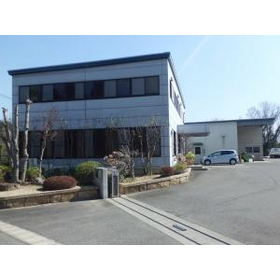
Please feel free to consult with us regardless of the industry. We provide comprehensive support from product drawings to the preparation for mass production equipment installation! We can also handle mold scanning and CAD conversion.
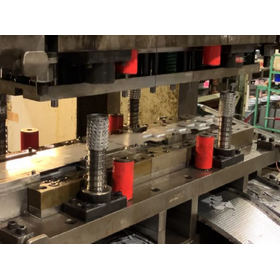
We manufacture molds for various industries, including automotive, trucks, industrial machinery, and sinks, such as deep-drawing molds.
If you provide us with the product shape, we can handle everything from process planning to design, material procurement, machining, assembly, welding, surface treatment, hardening, pressing, inspection, and precision correction (finishing). Our workers can also assist with on-site installation and production preparation.
We also manufacture transport equipment such as grippers and idlers. We accept repairs for molds currently in production. We can also handle scanning molds and converting them to CAD.
【A must-see for those facing these issues】
■ I want to manufacture a mold but don't know where to ask.
■ The mold manufacturer currently producing my molds has gone out of business, and I'm struggling with repairs.
■ I have been producing for a long time, but I don't have drawings for repairs.
■ I want to manufacture a new mold for the one currently in production.
■ I want to make some changes to the product and have it manufactured.
■ I would like to request mass production in small quantities, but I don't know where to ask.
*For more details, please download the PDF or feel free to contact us.
- Company:東海鉄工所
- Price:Other



![[Produced Products] Mechanical Components](https://image.mono.ipros.com/public/product/image/5d3/2000563635/IPROS67972966758076519342.png?w=280&h=280)


![[Mold Business] Others Rubber Molds Epoxy Molds Press Molds](https://image.mono.ipros.com/public/product/image/e14/2000754067/IPROS57542332974936795377.png?w=280&h=280)


![[Production Example] Mass Production Press for Conveyor Parts (Progressive Die)](https://image.mono.ipros.com/public/product/image/2093337/IPROS14199384802456593809.png?w=280&h=280)


![[Information] Technical Information](https://image.mono.ipros.com/public/product/image/b47/2000838251/IPROS24172403545763507054.png?w=280&h=280)