Collaborative Robot Case: Fujita Works Co., Ltd. TIG Welding Automation
Stabilizing the quality of TIG welding, which is influenced by the technician! An explanation of why a Japanese company introduced collaborative robots into the welding process.
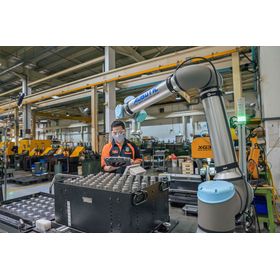
Fujita Works Co., Ltd., a leading company in high-precision sheet metal fabrication, aimed to achieve TIG welding that is not dependent on the skill level of craftsmen and considered automation. After repeated trials and errors with a system integrator, they developed a UR robot solution that enables even young employees to perform high-quality TIG welding. Furthermore, they automated the work of loading materials into metal press processing machines, resulting in improved work efficiency, reduced physical burden on workers, and increased satisfaction. ■Challenge: The quality of TIG welding is influenced by the technician. There are concerns about a future shortage of skilled workers. ■After implementation: By dividing the welding process into tack welding performed by workers and final welding done by robots, they not only stabilized quality but also improved work efficiency. The division of labor allowed welding tasks that previously took over three years to master to be learned in just a few months. *For details on the decisive factors for robot implementation and horizontal expansion to other processes, please see the linked page.
- Company:ユニバーサルロボット
- Price:Other