iPROS Manufacturing
  • Search for products by classification category

    • Electronic Components and Modules
      Electronic Components and Modules
      58033items
    • Machinery Parts
      Machinery Parts
      73350items
    • Manufacturing and processing machinery
      Manufacturing and processing machinery
      97821items
    • Scientific and Physics Equipment
      Scientific and Physics Equipment
      33899items
    • Materials
      Materials
      36089items
    • Measurement and Analysis
      Measurement and Analysis
      53131items
    • Image Processing
      Image Processing
      14870items
    • Control and Electrical Equipment
      Control and Electrical Equipment
      51604items
    • Tools, consumables, and supplies
      Tools, consumables, and supplies
      63691items
    • Design and production support
      Design and production support
      12158items
    • IT/Network
      IT/Network
      42185items
    • Office
      Office
      13642items
    • Business support services
      Business support services
      32668items
    • Seminars and Skill Development
      Seminars and Skill Development
      5911items
    • Pharmaceutical and food related
      Pharmaceutical and food related
      27139items
    • others
      71909items
  • Search for companies by industry

    • Manufacturing and processing contract
      7345
    • others
      5017
    • Industrial Machinery
      4430
    • Machine elements and parts
      3281
    • Other manufacturing
      2879
    • IT/Telecommunications
      2543
    • Trading company/Wholesale
      2466
    • Industrial Electrical Equipment
      2310
    • Building materials, supplies and fixtures
      1812
    • software
      1641
    • Electronic Components and Semiconductors
      1563
    • Resin/Plastic
      1484
    • Service Industry
      1436
    • Testing, Analysis and Measurement
      1131
    • Ferrous/Non-ferrous metals
      977
    • environment
      704
    • Chemical
      630
    • Automobiles and Transportation Equipment
      560
    • Printing Industry
      509
    • Information and Communications
      453
    • Consumer Electronics
      419
    • Energy
      326
    • Rubber products
      313
    • Food Machinery
      303
    • Optical Instruments
      280
    • robot
      271
    • fiber
      251
    • Paper and pulp
      232
    • Electricity, Gas and Water Industry
      169
    • Pharmaceuticals and Biotechnology
      167
    • Warehousing and transport related industries
      146
    • Glass and clay products
      141
    • Food and Beverage
      130
    • CAD/CAM
      120
    • retail
      109
    • Educational and Research Institutions
      107
    • Medical Devices
      101
    • Ceramics
      96
    • wood
      89
    • Transportation
      83
    • Medical and Welfare
      63
    • Petroleum and coal products
      62
    • Shipbuilding and heavy machinery
      52
    • Aviation & Aerospace
      47
    • Fisheries, Agriculture and Forestry
      41
    • Public interest/special/independent administrative agency
      29
    • equipment
      26
    • self-employed
      24
    • Government
      21
    • Materials
      20
    • Research and development equipment and devices
      19
    • Mining
      17
    • Finance, securities and insurance
      13
    • Individual
      10
    • Restaurants and accommodations
      9
    • cosmetics
      9
    • Police, Fire Department, Self-Defense Forces
      7
    • Laboratory Equipment and Consumables
      3
    • Contracted research
      3
    • Raw materials for reagents and chemicals
      2
  • Special Features
  • Ranking

    • Overall Products Ranking
    • Overall Company Ranking
Search for Products
  • Search for products by classification category

  • Electronic Components and Modules
  • Machinery Parts
  • Manufacturing and processing machinery
  • Scientific and Physics Equipment
  • Materials
  • Measurement and Analysis
  • Image Processing
  • Control and Electrical Equipment
  • Tools, consumables, and supplies
  • Design and production support
  • IT/Network
  • Office
  • Business support services
  • Seminars and Skill Development
  • Pharmaceutical and food related
  • others
Search for Companies
  • Search for companies by industry

  • Manufacturing and processing contract
  • others
  • Industrial Machinery
  • Machine elements and parts
  • Other manufacturing
  • IT/Telecommunications
  • Trading company/Wholesale
  • Industrial Electrical Equipment
  • Building materials, supplies and fixtures
  • software
  • Electronic Components and Semiconductors
  • Resin/Plastic
  • Service Industry
  • Testing, Analysis and Measurement
  • Ferrous/Non-ferrous metals
  • environment
  • Chemical
  • Automobiles and Transportation Equipment
  • Printing Industry
  • Information and Communications
  • Consumer Electronics
  • Energy
  • Rubber products
  • Food Machinery
  • Optical Instruments
  • robot
  • fiber
  • Paper and pulp
  • Electricity, Gas and Water Industry
  • Pharmaceuticals and Biotechnology
  • Warehousing and transport related industries
  • Glass and clay products
  • Food and Beverage
  • CAD/CAM
  • retail
  • Educational and Research Institutions
  • Medical Devices
  • Ceramics
  • wood
  • Transportation
  • Medical and Welfare
  • Petroleum and coal products
  • Shipbuilding and heavy machinery
  • Aviation & Aerospace
  • Fisheries, Agriculture and Forestry
  • Public interest/special/independent administrative agency
  • equipment
  • self-employed
  • Government
  • Materials
  • Research and development equipment and devices
  • Mining
  • Finance, securities and insurance
  • Individual
  • Restaurants and accommodations
  • cosmetics
  • Police, Fire Department, Self-Defense Forces
  • Laboratory Equipment and Consumables
  • Contracted research
  • Raw materials for reagents and chemicals
Special Features
Ranking
  • Overall Products Ranking
  • Overall Company Ranking
  • privacy policy
  • terms of service
  • About Us
  • Careers
  • Advertising
  1. Home
  2. Ferrous/Non-ferrous metals
  3. 松井製作所
  4. Product/Service List
Ferrous/Non-ferrous metals
  • Added to bookmarks

    Bookmarks list

    Bookmark has been removed

    Bookmarks list

    You can't add any more bookmarks

    By registering as a member, you can increase the number of bookmarks you can save and organize them with labels.

    Free membership registration

松井製作所

EstablishmentMarch 1961
capital3300Ten thousand
number of employees81
addressOsaka/Joto-ku, Osaka-shi/4-1-23 Nagata
phone06-6961-6043
  • Special site
  • Official site
last updated:Sep 30, 2025
松井製作所logo
  • Contact this company

    Contact Us Online
  • Before making an inquiry

    Download PDF
  • Company information
  • Products/Services(1735)
  • catalog(71)
  • news(14)

松井製作所 List of Products and Services

  • category

271~315 item / All 380 items

Displayed results

Filter by category

Forging Forging
Machining Machining
Pipe processing Pipe processing
Brazing process Brazing process
Assembly and Inspection Assembly and Inspection
Unit product Unit product
Others Others
YouTube YouTube
YouTube

YouTube

This is an introduction to the videos published on our YouTube channel "Matsui Manufacturing Channel"!

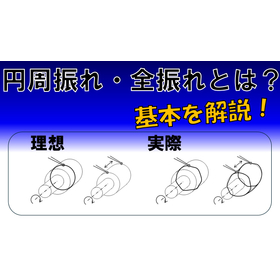
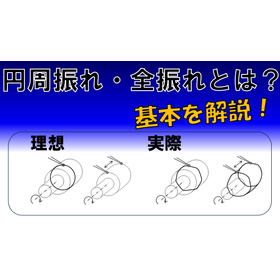
[For Semiconductor Manufacturing] Geometric Tolerances: Explanation Video on Circular Runout and Total Runout

Learn the basics of geometric tolerances in semiconductor manufacturing to improve yield!

In the semiconductor manufacturing industry, there is always a demand for improved product quality and yield. Particularly in areas where fine processing technology is crucial, the dimensional accuracy of components significantly affects product performance. A lack of understanding of geometric tolerances can lead to the occurrence of defective products and a decline in performance, potentially worsening yield. This video explains the basics of a type of geometric tolerance known as "circular runout and total runout," supporting the improvement of drawing interpretation skills. By watching this video, you can deepen your foundational knowledge of quality management in semiconductor manufacturing and potentially contribute to yield improvement. 【Usage Scenarios】 - Component design in semiconductor manufacturing - Education in quality control departments - Drawing interpretation on the manufacturing floor 【Effects of Implementation】 - Deepening understanding of geometric tolerances and improving drawing interpretation skills - Potential suppression of defective products and improvement in yield - Stabilization of product quality through enhanced knowledge of quality management

Added to bookmarks

Bookmarks list

Bookmark has been removed

Bookmarks list

You can't add any more bookmarks

By registering as a member, you can increase the number of bookmarks you can save and organize them with labels.

Free membership registration

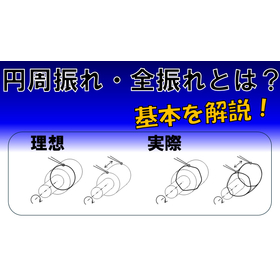
[For Robots] Geometric Tolerances: Circular Runout and Total Runout Basic Explanation

Contributing to the improvement of robot motion accuracy!

In the robotics industry, precise operation of products is essential. In particular, the precise movements of arms and joints are crucial factors that influence the quality and safety of the products. A lack of understanding of geometric tolerances can lead to design errors and manufacturing issues, potentially resulting in malfunctioning robots. This video explains the basics of a type of geometric tolerance known as "circular runout and total runout." By understanding the definitions of circular runout and total runout, how they are used in drawings, and the precautions to take when using them, you can contribute to improving the operational accuracy of robots. 【Application Scenarios】 - Design of robotic arms - Assembly of precision equipment - Training in quality control departments 【Benefits of Implementation】 - Improved operational accuracy of robots - Enhanced product quality - Problem-solving during design and manufacturing stages

Added to bookmarks

Bookmarks list

Bookmark has been removed

Bookmarks list

You can't add any more bookmarks

By registering as a member, you can increase the number of bookmarks you can save and organize them with labels.

Free membership registration

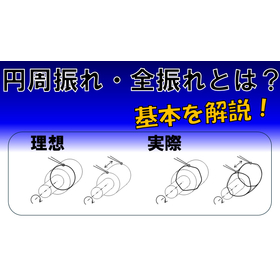
[For Electronic Devices] Geometric Tolerance Circular Runout and Total Runout Explanation Video

Contributing to the improvement of electronic equipment reliability! Explaining the basics of geometric tolerances.

In the electronics industry, accurate dimensions and shapes of components are crucial to ensure product reliability. Particularly in electronic devices exposed to vibrations and shocks, the runout of components can significantly affect product performance. Understanding circular runout and total runout is essential for setting appropriate tolerances during the design phase, leading to improved product quality. This video explains the basics of "circular runout and total runout," which are types of geometric tolerances. 【Application Scenarios】 - Design of electronic devices - Quality control - Education in manufacturing sites 【Effects of Implementation】 - Improved product reliability - Reduced defect rates - Streamlined design and manufacturing processes

Added to bookmarks

Bookmarks list

Bookmark has been removed

Bookmarks list

You can't add any more bookmarks

By registering as a member, you can increase the number of bookmarks you can save and organize them with labels.

Free membership registration

[For the watch industry] Geometric tolerance explanation video on circular runout and total runout.

Explaining the basics of geometric tolerances in watch manufacturing!

In the watch industry, precise processing of components is essential to achieve both product quality and luxury feel. Particularly in movements and exterior parts, not only dimensional accuracy but also geometric tolerances significantly affect the product's performance and appearance. Understanding geometric tolerances such as circular runout and total runout is a crucial factor in high-quality watch manufacturing. This video explains the basics of a type of geometric tolerance known as "circular runout and total runout," supporting problem-solving in watch manufacturing. 【Application Scenarios】 - Design and manufacturing of watch components - Education in quality control departments - Technical guidance for engineers 【Effects of Implementation】 - Deepening understanding of geometric tolerances, improving design and manufacturing quality - Reduction of defective products and cost savings - Skill enhancement for engineers

Added to bookmarks

Bookmarks list

Bookmark has been removed

Bookmarks list

You can't add any more bookmarks

By registering as a member, you can increase the number of bookmarks you can save and organize them with labels.

Free membership registration

[For Optical Equipment] Explanation of Geometric Tolerances: Circular Runout and Total Runout

Explaining the basics of geometric tolerances that help maintain the performance of optical instruments!

In the optical equipment industry, understanding geometric tolerances is essential for maintaining product accuracy and reliability. Particularly in precision components such as lenses and mirrors, managing circular runout and total runout directly affects optical performance. If these tolerances are not properly managed, distortions can occur in light transmission and reflection, potentially leading to a decrease in equipment performance. This video explains the basics of "circular runout and total runout," which are types of geometric tolerances. 【Application Scenarios】 - Manufacturing optical lenses and mirrors - Designing precision measuring instruments - Quality control of optical systems 【Benefits of Introduction】 - Deepening understanding of geometric tolerances to improve design and manufacturing quality - Maintaining product performance and enhancing reliability - Reducing defective products and cutting costs

Added to bookmarks

Bookmarks list

Bookmark has been removed

Bookmarks list

You can't add any more bookmarks

By registering as a member, you can increase the number of bookmarks you can save and organize them with labels.

Free membership registration

[For Shipbuilding] Geometric Tolerances: Explanation Video on Circular Runout and Total Runout

A must-see for ship designers! An explanation of geometric tolerances related to structural stability.

In the shipbuilding industry, accurate dimensions and shapes of components are crucial to ensure the strength and safety of the hull. Particularly for parts related to the structural stability of the hull, understanding geometric tolerances is essential. Geometric tolerances such as circular runout and total runout directly affect the assembly accuracy and performance of components, and improper management can lead to structural issues. This video explains the basics of a type of geometric tolerance known as "circular runout and total runout." 【Application Scenarios】 - Design of hull structural components - Quality control of welds - Inspection of machined parts 【Benefits of Implementation】 - Improved reliability of structures - Reduction of design errors - Increased efficiency in quality control

Added to bookmarks

Bookmarks list

Bookmark has been removed

Bookmarks list

You can't add any more bookmarks

By registering as a member, you can increase the number of bookmarks you can save and organize them with labels.

Free membership registration

Reduce defects with a cause-and-effect diagram for the manufacturing industry!

Explaining the basics of the cause-and-effect diagram! This is a video resource that helps in reducing defects.

In the manufacturing industry, the occurrence of defective products is a significant challenge that leads to increased costs and a loss of trust from customers. To reduce defects, it is essential to identify the root causes of the problems and implement countermeasures. This video explains how to create a cause-and-effect diagram (fishbone diagram), which is fundamental to quality management. The cause-and-effect diagram is a powerful tool for systematically analyzing the causes of problems and developing effective countermeasures. This video material will serve as the first step in problem-solving for those in the manufacturing industry aiming to reduce defects. 【Usage Scenarios】 * Analyzing the causes of defects in the manufacturing site * Improving the quality management system * Enhancing problem-solving capabilities 【Effects of Implementation】 * Reducing the defect occurrence rate * Streamlining quality management * Improving problem-solving abilities

Added to bookmarks

Bookmarks list

Bookmark has been removed

Bookmarks list

You can't add any more bookmarks

By registering as a member, you can increase the number of bookmarks you can save and organize them with labels.

Free membership registration

Identify recall causes with a cause-and-effect diagram for the automotive industry!

Learn the basics of the cause-and-effect diagram and use it to help with recall measures!

In the automotive industry, it is important to investigate the causes of recalls and establish measures to prevent recurrence. In particular, quality issues can significantly undermine a company's trust, so prompt and accurate responses are required. The cause-and-effect diagram is an effective tool for systematically analyzing the causes of problems and identifying root causes. This video explains the basics of the cause-and-effect diagram and introduces how it can be utilized in recall measures. 【Utilization Scenes】 * Cause analysis during a recall * Identification of root causes of quality issues * Planning of recurrence prevention measures 【Effects of Introduction】 * Acceleration of problem-solving * Promotion of quality improvement * Restoration of customer trust

Added to bookmarks

Bookmarks list

Bookmark has been removed

Bookmarks list

You can't add any more bookmarks

By registering as a member, you can increase the number of bookmarks you can save and organize them with labels.

Free membership registration

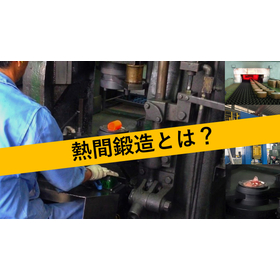
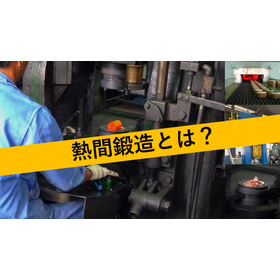
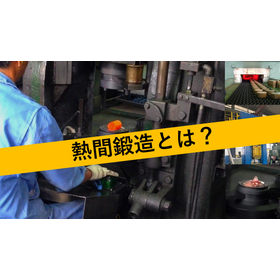
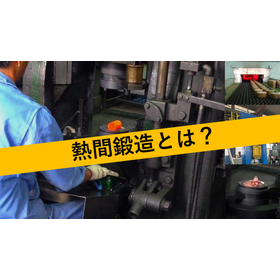
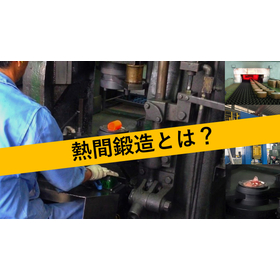
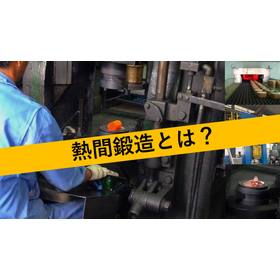
What is hot forging for automobiles?

Contributing to the improvement of automotive parts strength!

In the automotive industry, improving the strength of components is essential to achieve both safety and durability. Particularly in areas subjected to high loads, such as engine parts and suspension components, materials and processing methods with excellent strength are required. Hot forging contributes to the performance enhancement of automotive parts by shaping metal materials at high temperatures, imparting high strength and toughness. Our video materials explain the principles and characteristics of hot forging, examples of improvements, and key points for selecting processing partners. Learning about hot forging can help solve challenges in the design and manufacturing of automotive parts. 【Application Scenes】 * Engine parts * Suspension components * Safety-related parts 【Effects of Implementation】 * Improved component strength * Increased product reliability * Potential cost reduction

Added to bookmarks

Bookmarks list

Bookmark has been removed

Bookmarks list

You can't add any more bookmarks

By registering as a member, you can increase the number of bookmarks you can save and organize them with labels.

Free membership registration

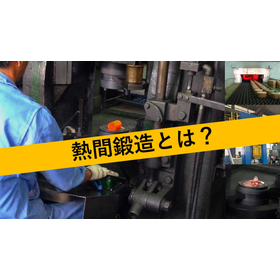
Lightweighting through hot forging for aerospace applications

Achieving lightweight aerospace components through hot forging!

In the aerospace industry, reducing the weight of aircraft is essential for improving fuel efficiency and reducing operational costs. Lightweighting components directly enhances the performance of the aircraft, necessitating technologies that can achieve weight reduction while maintaining high strength. Hot forging contributes to the lightweighting of aerospace components by maximizing the strength of metal materials while precisely shaping them. Our video materials explain the principles and characteristics of hot forging, improvement examples, and key points for selecting processing partners. Hot forging technology contributes to achieving both lightweighting and high performance in the aerospace field. 【Usage Scenarios】 * Aircraft components (engine parts, structural parts, etc.) * Space rocket components * Drone components 【Benefits of Implementation】 * Improved fuel efficiency through lightweighting of components * Ensured high strength and durability * Increased design flexibility

Added to bookmarks

Bookmarks list

Bookmark has been removed

Bookmarks list

You can't add any more bookmarks

By registering as a member, you can increase the number of bookmarks you can save and organize them with labels.

Free membership registration

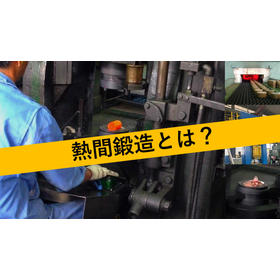
What is hot forging for construction machinery?

Basic knowledge of hot forging explained in a video!

In the construction machinery industry, high durability that can withstand harsh environments is required. In particular, for parts exposed to vibrations and shocks, high strength and wear resistance are essential. Improper material selection or processing methods can lead to early failure or performance degradation of the parts. This video will explain the principles and characteristics of hot forging, examples of improvements, and key points for selecting processing partners. 【Application Scenarios】 * Manufacturing parts for construction machinery * Manufacturing parts that require durability * Manufacturing parts used in harsh environments 【Effects of Introduction】 * Production of high-strength parts through hot forging * Increased longevity of parts * Potential for cost reduction

Added to bookmarks

Bookmarks list

Bookmark has been removed

Bookmarks list

You can't add any more bookmarks

By registering as a member, you can increase the number of bookmarks you can save and organize them with labels.

Free membership registration

What is hot forging for agricultural machinery?

Introducing forging technology that withstands high loads!

In the agricultural machinery industry, high durability and reliability under harsh conditions are required. Particularly for high-load machine parts such as tractors and combines, strength is crucial to prevent wear and damage. Hot forging imparts high strength and toughness by shaping metal at high temperatures, demonstrating excellent performance even under severe usage conditions. In our video materials, we explain the principles and characteristics of hot forging, improvement cases, and key points for selecting processing partners, supporting our customers in solving their challenges. 【Usage Scenarios】 - Engine parts of tractors - Drive system parts of combines - Rotary blades of tillers - Parts of hydraulic excavators under high load - Various metal parts of agricultural machinery 【Benefits of Implementation】 - Improved product lifespan due to high strength and durability - Increased machine operating rates - Reduced maintenance costs - Decreased frequency of parts replacement - Enhanced overall reliability of machinery

Added to bookmarks

Bookmarks list

Bookmark has been removed

Bookmarks list

You can't add any more bookmarks

By registering as a member, you can increase the number of bookmarks you can save and organize them with labels.

Free membership registration

What is hot forging for medical devices?

Hot forging technology for the manufacturing of precision medical device components.

In the precision medical device industry, dimensional accuracy of components and uniformity of materials are required to ensure product safety and reliability. Particularly in medical devices that directly affect patient health, the quality of components is extremely important. Hot forging, which shapes metal materials at high temperatures, achieves high strength and durability, making it suitable for manufacturing complex-shaped components. Our video materials explain the principles and characteristics of hot forging, case studies of improvements, and points for selecting processing partners. Hot forging technology contributes to the enhancement of the quality of medical device components. 【Usage Scenarios】 - Manufacturing of precision medical device components - Components requiring durability and strength - Manufacturing of complex-shaped components 【Benefits of Implementation】 - Improvement in component quality - Increased product reliability - Cost reduction

Added to bookmarks

Bookmarks list

Bookmark has been removed

Bookmarks list

You can't add any more bookmarks

By registering as a member, you can increase the number of bookmarks you can save and organize them with labels.

Free membership registration

What is hot forging for sports equipment?

Contributing to the improvement of functionality in sports equipment!

In the sports equipment industry, there is a demand for both lightweight products and durability. Particularly, to withstand intense use and maximize performance, the strength of materials and dimensional accuracy are crucial. Hot forging achieves high strength and excellent dimensional precision by shaping metal materials at high temperatures, contributing to the improvement of product quality. Our video materials explain the principles and characteristics of hot forging, examples of improvements, and key points for selecting processing partners. 【Usage Scenarios】 * Sports equipment (golf clubs, bicycle parts, etc.) * Parts requiring high strength and lightweight design * Parts that demand durability 【Effects of Implementation】 * Lightweight and high-strength products * Improved durability * Enhanced performance

Added to bookmarks

Bookmarks list

Bookmark has been removed

Bookmarks list

You can't add any more bookmarks

By registering as a member, you can increase the number of bookmarks you can save and organize them with labels.

Free membership registration

What is hot forging for home appliances?

To home appliance manufacturers pursuing mass production.

In the home appliance industry, mass production of products is essential for achieving both cost reduction and stable quality. Particularly for parts that require durability and functionality, streamlining the manufacturing process becomes crucial. Hot forging is a processing method that balances high strength and dimensional accuracy, making it suitable for mass production. In our video materials, we explain the principles and characteristics of hot forging, improvement cases, and key points for selecting processing partners. We also discuss the differences compared to other processing methods such as cutting and casting. The explanation is made easy to understand, even for those learning about forging for the first time. 【Usage Scenarios】 - Manufacturing parts for home appliances - Establishing mass production systems - Cost reduction 【Effects of Implementation】 - Stable supply of high-quality parts - Shortened manufacturing lead times - Improved cost performance

Added to bookmarks

Bookmarks list

Bookmark has been removed

Bookmarks list

You can't add any more bookmarks

By registering as a member, you can increase the number of bookmarks you can save and organize them with labels.

Free membership registration

What is hot forging for the energy industry?

Basic knowledge of hot forging explained in a video! Contributing to energy efficiency.

In the energy industry, the durability and efficiency of equipment are crucial. Particularly for components used in high-temperature and high-pressure environments, high strength and reliability are required. Hot forging can meet these demands by shaping metal materials at high temperatures. Parts manufactured through hot forging possess high strength and toughness, allowing them to maintain performance over long periods even in harsh environments. This video explains the processing principles and characteristics of hot forging, improvement examples, and key points for selecting processing destinations. It also discusses the differences from other processing methods such as cutting and casting. The video is designed to be easy to understand for those learning about forging for the first time. 【Application Scenarios】 * Manufacturing parts for energy-related equipment * Components used in high-pressure and high-temperature environments * Parts requiring durability and reliability 【Benefits of Implementation】 * Increased equipment lifespan due to improved part strength * Enhanced energy efficiency * Cost reduction

Added to bookmarks

Bookmarks list

Bookmark has been removed

Bookmarks list

You can't add any more bookmarks

By registering as a member, you can increase the number of bookmarks you can save and organize them with labels.

Free membership registration

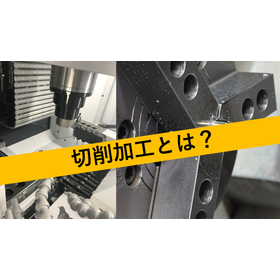
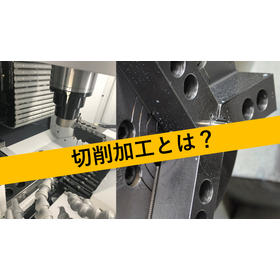
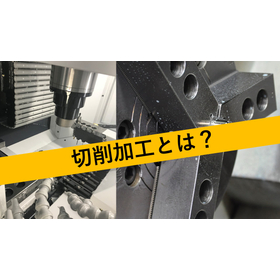
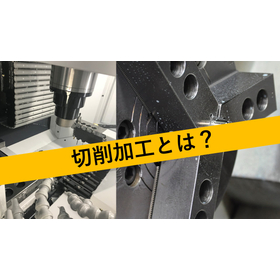
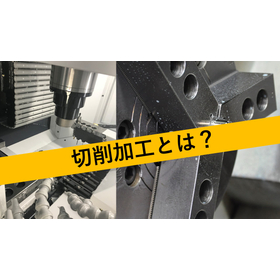
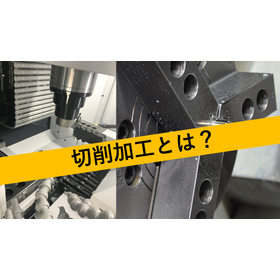
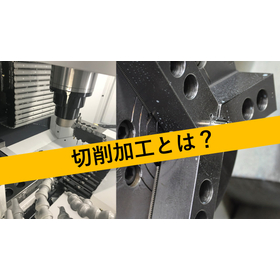
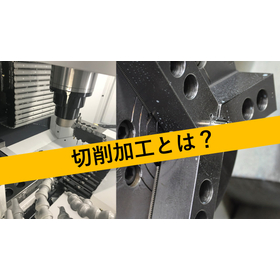
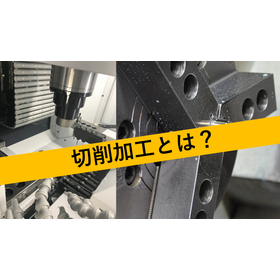
What is machining for automotive engines?

I will answer the question, 'What is cutting processing?'

In the field of automotive engines, high precision and durability are required. Engine parts are used in harsh environments such as high temperatures and high pressures, making high quality essential. Cutting processing is an important technology to meet these demands. Improper processing can lead to a decline in engine performance or failure. This video explains the principles and characteristics of cutting processing, improvement cases, and points for selecting processing destinations. It also discusses the differences between cutting processing and other methods such as casting. The video is designed to be as easy to understand as possible for those learning about cutting processing for the first time. 【Usage Scenarios】 - Manufacturing engine parts - Producing prototype parts - Quality improvement 【Effects of Introduction】 - Acquisition of basic knowledge of cutting processing - Promotion of understanding of processing methods - Streamlining of processing destination selection

Added to bookmarks

Bookmarks list

Bookmark has been removed

Bookmarks list

You can't add any more bookmarks

By registering as a member, you can increase the number of bookmarks you can save and organize them with labels.

Free membership registration

What is machining for aerospace?

We respond to the demand for lightweight solutions in the aerospace field!

In the aerospace industry, reducing the weight of aircraft is essential for improving fuel efficiency and performance. Particularly for aircraft components, it is important to achieve weight reduction while maintaining strength. Machining is suitable for manufacturing precise and lightweight parts by removing unnecessary portions from metal materials. Our video materials introduce the principles and characteristics of machining, showcase improvement cases, and explain the key points for selecting processing partners to meet the lightweight needs in the aerospace field. 【Usage Scenarios】 * Aircraft components (structural members, engine parts, etc.) * Space exploration vehicle parts * Drone components 【Benefits of Implementation】 * Improved fuel efficiency through weight reduction * Enhanced performance of components * Cost reduction

Added to bookmarks

Bookmarks list

Bookmark has been removed

Bookmarks list

You can't add any more bookmarks

By registering as a member, you can increase the number of bookmarks you can save and organize them with labels.

Free membership registration

What is machining for medical devices?

I will answer the question, 'What is cutting processing?'

In the medical device industry, precise machining of components is required to ensure product safety and reliability. Particularly for medical devices that are directly related to patient health and safety, high precision and quality are essential. Cutting machining excels at creating complex shapes and fine details, contributing to the manufacturing of precision components for medical devices. Our video materials explain everything from the basics of cutting machining to its application in medical device components and key points for selecting machining partners. 【Usage Scenarios】 - Manufacturing precision medical device components - Machining complex-shaped parts - Parts requiring high-quality surface finishes 【Benefits of Implementation】 - Manufacturing high-quality medical device components - Improving product reliability - Acquiring knowledge about machining technologies

Added to bookmarks

Bookmarks list

Bookmark has been removed

Bookmarks list

You can't add any more bookmarks

By registering as a member, you can increase the number of bookmarks you can save and organize them with labels.

Free membership registration

Basic Knowledge of Cutting Processing for Molds

A clear explanation of the basics of cutting processing in a video!

In the mold industry, knowledge of cutting processes is crucial for achieving both product precision and durability. In particular, the shape accuracy of molds significantly affects the quality of molded products, making an understanding of cutting processes essential. Improper machining can shorten the lifespan of molds and lead to molding defects. This video will explain the basics of cutting processes, machining principles, improvement case studies, and key points for selecting machining partners. 【Application Scenarios】 * Mold design * Mold manufacturing * Quality control of molded products 【Benefits of Introduction】 * Acquisition of basic knowledge of cutting processes * Improvement of quality in mold manufacturing * Reduction of machining defects

Added to bookmarks

Bookmarks list

Bookmark has been removed

Bookmarks list

You can't add any more bookmarks

By registering as a member, you can increase the number of bookmarks you can save and organize them with labels.

Free membership registration

What is machining for semiconductor manufacturing equipment?

Explaining the basics of cutting processing in a video!

In the semiconductor manufacturing equipment industry, microfabrication technology has become a crucial factor that influences product performance. In particular, high-precision component machining is required, and the quality of cutting processes significantly affects the overall reliability of the equipment. A lack of knowledge in cutting processes can lead to the occurrence of defective products and a decline in performance. This video will explain everything from the basics of cutting processes to processing principles, characteristics, improvement cases, and points for selecting processing destinations. By deepening the understanding of cutting processes, we will contribute to the improvement of the quality of semiconductor manufacturing equipment. 【Application Scenarios】 - Precision component machining for semiconductor manufacturing equipment - Promotion of understanding of microfabrication technology - Reduction of machining defects 【Effects of Implementation】 - Acquisition of basic knowledge of cutting processes - Streamlining of processing destination selection - Improvement of the quality of semiconductor manufacturing equipment

Added to bookmarks

Bookmarks list

Bookmark has been removed

Bookmarks list

You can't add any more bookmarks

By registering as a member, you can increase the number of bookmarks you can save and organize them with labels.

Free membership registration

What is cutting processing for homemade machine tools?

A clear explanation of the basics of cutting processing in a video!

When creating machine tools, knowledge of cutting processes is essential. By understanding the principles and characteristics of cutting processes, it becomes possible to produce more precise and high-quality parts. This video explains the basics of cutting processes, the differences from other machining methods, improvement examples, and key points for selecting machining destinations. It is easy to understand, even for those learning about cutting processes for the first time. 【Usage Scenarios】 * Production of machine tool parts * Basic learning of metal processing * Creation of homemade tools 【Effects of Introduction】 * Improved understanding of cutting processes * Enhanced quality of part production * Expanded options for machining methods

Added to bookmarks

Bookmarks list

Bookmark has been removed

Bookmarks list

You can't add any more bookmarks

By registering as a member, you can increase the number of bookmarks you can save and organize them with labels.

Free membership registration

What is machining for robots?

Video materials useful for the design and manufacturing of robot movable parts!

In the robotics industry, durability of movable parts and precise movements are required. Particularly in areas subjected to repetitive motions or high loads, the accuracy and strength of components significantly influence the robot's performance. Improper processing or material selection can lead to robot failures or performance degradation. This video explains the principles and characteristics of cutting processing, improvement cases, and points for selecting processing destinations. It also discusses the differences between cutting processing and other methods such as casting. The video is designed to be as easy to understand as possible for those learning about cutting processing for the first time. 【Application Scenes】 * Joints of robotic arms * Movable parts of precision equipment * Drive parts of industrial robots 【Effects of Introduction】 * Acquisition of basic knowledge of cutting processing * Promotion of understanding of processing methods * Tips for selecting the optimal processing destination

Added to bookmarks

Bookmarks list

Bookmark has been removed

Bookmarks list

You can't add any more bookmarks

By registering as a member, you can increase the number of bookmarks you can save and organize them with labels.

Free membership registration

What is cutting processing for home appliances?

I will answer the question, 'What is cutting processing?'

In the home appliance industry, the casing plays an important role in protecting the product's performance and enhancing its design. In particular, functions such as durability, heat dissipation, and electromagnetic wave shielding are required, and precise parts manufacturing through cutting processes is essential to meet these demands. If the precision of the cutting process is low, it may hinder the assembly of the casing or lead to a decline in product performance. This video explains the principles and characteristics of the cutting process, improvement examples, and points to consider when selecting a processing partner. It also discusses the differences between cutting processes and other methods such as casting. The video is designed to be as easy to understand as possible for those learning about cutting processes for the first time. 【Usage Scenarios】 - Manufacturing casings for home appliances - Processing precision parts - Prototyping metal parts 【Benefits of Implementation】 - High precision of casings - Improved product quality - Cost reduction

Added to bookmarks

Bookmarks list

Bookmark has been removed

Bookmarks list

You can't add any more bookmarks

By registering as a member, you can increase the number of bookmarks you can save and organize them with labels.

Free membership registration

Basic Knowledge of Machining for Smartphones

Explaining the basics of cutting processing that realizes miniaturization!

In the smartphone industry, miniaturization and high functionality of products are always in demand. The precise processing of components is a crucial factor that influences product performance. Cutting processing is an essential technology for accurately shaping metal parts and contributes to the manufacturing of complex components inside miniaturized smartphones. This video clearly explains the basics of cutting processing and discusses the importance of machining in smartphone component manufacturing. 【Usage Scenarios】 * Manufacturing smartphone components * Processing small precision parts * Shaping metal components 【Benefits of Introduction】 * Acquisition of basic knowledge of cutting processing * Promotion of understanding of processing methods * Grasping key points for selecting processing partners

Added to bookmarks

Bookmarks list

Bookmark has been removed

Bookmarks list

You can't add any more bookmarks

By registering as a member, you can increase the number of bookmarks you can save and organize them with labels.

Free membership registration

What is cutting processing for clock decoration?

Explaining the basics of cutting machining in a video!

In the watch industry, the precise processing of decorative components greatly influences the quality and design of the products. Particularly in watch decoration, where beauty in detail is essential, the accuracy of machining is crucial. Improper processing can lead to component damage or deterioration in appearance. This video explains the principles and characteristics of machining, examples of improvements, and key points for selecting processing partners. It is presented in a way that is easy to understand for those learning about machining for the first time. 【Application Scenes】 * Watch dials * Bezels * Cases 【Benefits of Introduction】 * Acquisition of basic knowledge of machining * Promotion of understanding of processing methods * Tips for selecting processing partners

Added to bookmarks

Bookmarks list

Bookmark has been removed

Bookmarks list

You can't add any more bookmarks

By registering as a member, you can increase the number of bookmarks you can save and organize them with labels.

Free membership registration

What is machining for musical instruments and acoustics?

I will answer the question, 'What is cutting processing?'

In the musical instrument and audio equipment industry, there is a demand for improved sound quality and product durability. In particular, precise processing of components is essential for controlling vibrations and resonance to reproduce accurate tones. Improper processing can lead to deterioration of sound quality and shorten the lifespan of products. This video explains the principles and characteristics of cutting processing, examples of improvements, and key points for selecting processing partners. It also discusses the differences between cutting processing and other methods such as casting. The video has been created with the aim of being as easy to understand as possible for those learning about cutting processing for the first time. 【Application Scenes】 * Instrument parts (metal parts, audio components) * Speaker components * Microphone components 【Effects of Introduction】 * Improved sound quality through precise component processing * Realization of highly durable products * Potential for cost reduction

Added to bookmarks

Bookmarks list

Bookmark has been removed

Bookmarks list

You can't add any more bookmarks

By registering as a member, you can increase the number of bookmarks you can save and organize them with labels.

Free membership registration

What is machining for bicycles?

I will answer the question, 'What is cutting machining?'

In the bicycle industry, the strength and precision of components are essential to ensure product durability and safety. Particularly for frames and parts that must withstand vibrations and impacts during operation, high strength is indispensable. Inadequate processing can lead to component failure or performance degradation. This video explains the principles and characteristics of cutting processing, improvement examples, and points for selecting processing destinations. It also discusses the differences between cutting processing and other methods such as casting. The video is designed to be as easy to understand as possible for those learning about cutting processing for the first time. 【Application Scenes】 - Bicycle frames - Suspension components - Brake calipers - Pedals - Gear shifters 【Benefits of Introduction】 - Manufacturing of high-strength components - High dimensional accuracy - Adaptability to various shapes - Weight reduction - Improved durability

Added to bookmarks

Bookmarks list

Bookmark has been removed

Bookmarks list

You can't add any more bookmarks

By registering as a member, you can increase the number of bookmarks you can save and organize them with labels.

Free membership registration

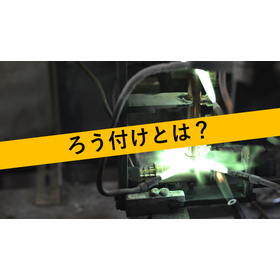
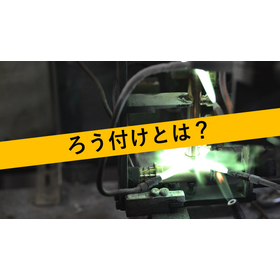
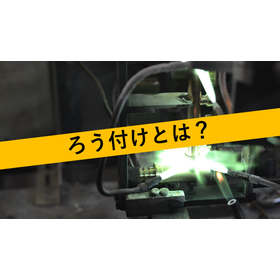
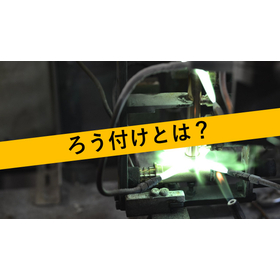
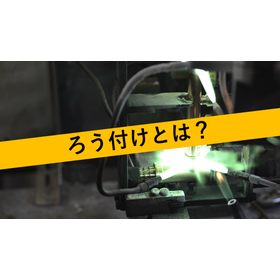
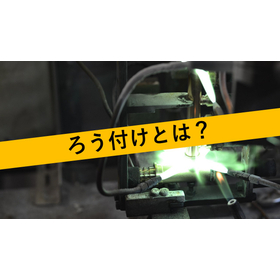
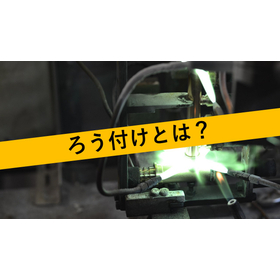
Introduction to brazing technology for aerospace applications

Supporting weight reduction and reliability improvement in the aerospace field.

In the aerospace industry, reducing the weight of aircraft is essential for improving fuel efficiency and performance. In particular, there is a demand for joining technologies that utilize high-strength and lightweight materials. Brazing is gaining traction in the aerospace field because it can join different metals while achieving high strength and airtightness. Our video materials introduce the principles and characteristics of brazing, as well as improvement case studies, contributing to solving challenges in the aerospace sector. 【Application Scenarios】 * Manufacturing of aircraft components * Manufacturing of spacecraft components * Manufacturing of rocket engines 【Benefits of Implementation】 * Improved fuel efficiency through weight reduction * Achieving high joint strength and airtightness * Enhanced durability of components

Added to bookmarks

Bookmarks list

Bookmark has been removed

Bookmarks list

You can't add any more bookmarks

By registering as a member, you can increase the number of bookmarks you can save and organize them with labels.

Free membership registration

Soldering-based heat dissipation solutions for electronic devices

Solve thermal issues in electronic devices! Improve heat dissipation performance with soldering technology.

In the electronics industry, as miniaturization and high density progress, heat dissipation measures have become an important issue. In particular, efficiently dissipating heat from heat sources such as CPUs and GPUs is essential for maintaining product performance and improving reliability. Poor heat dissipation can lead to device malfunctions and reduced lifespan. Our brazing technology provides effective heat dissipation solutions by joining non-ferrous metals such as copper, brass, and aluminum, achieving high thermal conductivity. 【Application Scenarios】 - CPU heat sinks - GPU coolers - Power amplifiers - LED lighting 【Benefits of Implementation】 - Improved heat dissipation performance - Extended product lifespan - Stable operation of devices - Contribution to miniaturization and lightweighting of products

Added to bookmarks

Bookmarks list

Bookmark has been removed

Bookmarks list

You can't add any more bookmarks

By registering as a member, you can increase the number of bookmarks you can save and organize them with labels.

Free membership registration

What is brazing processing for medical devices?

For precise joining of medical devices, use brazing.

In the medical device industry, precise joining of components is essential to ensure product safety and reliability. Particularly when joining fine parts or dissimilar metals, high precision and quality are required. Improper joining can lead to decreased performance or failure of the equipment. This video explains the principles and characteristics of brazing, improvement examples, and points to consider when selecting processing partners. It is designed to be easy to understand for those learning about brazing for the first time. 【Application Scenes】 - Manufacturing of precision medical devices - Joining of fine parts - Joining of dissimilar metals 【Benefits of Implementation】 - Improved product reliability through high-quality joining - Maintenance of product performance through high-precision joining - Compatibility with a wide range of metal materials

Added to bookmarks

Bookmarks list

Bookmark has been removed

Bookmarks list

You can't add any more bookmarks

By registering as a member, you can increase the number of bookmarks you can save and organize them with labels.

Free membership registration

Basic Knowledge of Brazing Processing for the Energy Industry

A clear explanation of the basics of brazing in a video!

In the energy industry, the durability of piping components is crucial. Joining techniques that can withstand high-temperature and high-pressure environments are required. Brazing is one of the joining methods that demonstrates high reliability even under such harsh conditions. This video explains the principles and characteristics of brazing, improvement cases, and points to consider when selecting processing locations. It has been created with the aim of being easy to understand for those learning about brazing for the first time. 【Application Scenes】 * Gas equipment * Air conditioning units * Piping components across various industries (valves, fittings, etc.) 【Effects of Implementation】 * Improved durability of piping components * Enhanced reliability of joints * Increased product lifespan

Added to bookmarks

Bookmarks list

Bookmark has been removed

Bookmarks list

You can't add any more bookmarks

By registering as a member, you can increase the number of bookmarks you can save and organize them with labels.

Free membership registration

Miniaturization through brazing processing for home appliances.

Achieving miniaturization of home appliances with "brazing"!
In the home appliance industry, there is a constant demand for miniaturization and high performance of products. In particular, to pack many functions into a limited space, miniaturization of components and high-density mounting are essential. Soldering is a technology that enables precise joining while maintaining high strength when joining metal parts. By utilizing this technology, it contributes to the miniaturization, lightweight design, and improved reliability of home appliances. 【Application Scenarios】 * Joining pipes of small air conditioners * Refrigerant piping in refrigerators * Joining parts in IH cooking appliances 【Effects of Implementation】 * Miniaturization and lightweight design of products * Reduction in the number of components * Improved product lifespan due to high joining strength

Added to bookmarks

Bookmarks list

Bookmark has been removed

Bookmarks list

You can't add any more bookmarks

By registering as a member, you can increase the number of bookmarks you can save and organize them with labels.

Free membership registration

Basics of Soldering Processing for Semiconductor Manufacturing

Explaining the basics of soldering in semiconductor manufacturing!
In the semiconductor manufacturing industry, the quality of joints is extremely important to ensure product reliability. Particularly for components used in high-temperature environments or under high-frequency conditions, the strength and durability of the joints significantly affect product performance. Brazing is one effective joining technique that meets these demands. Our video materials provide a clear explanation from the basics of brazing to application examples in semiconductor manufacturing and key points for selecting processing partners. 【Usage Scenarios】 * Joining of piping components in semiconductor manufacturing * Joining of components used in high-temperature environments * Joining of components used under high-frequency conditions 【Benefits of Implementation】 * Improved reliability of joints * Increased product lifespan * Enhanced yield

Added to bookmarks

Bookmarks list

Bookmark has been removed

Bookmarks list

You can't add any more bookmarks

By registering as a member, you can increase the number of bookmarks you can save and organize them with labels.

Free membership registration

What is soldering processing for jewelry?

Choose soldering as an option for the decoration of jewelry.

In the jewelry industry, there is a demand for diversification in design and improvement in durability. Particularly in the joining of delicate decorations and complex shapes, high technical skill and quality are essential. Improper joining can lead to product damage and a decrease in aesthetic appeal. Our video on brazing processing explains the principles and characteristics of the process, examples of improvements, and key points for selecting processing partners. Brazing is a technique for joining metals such as brass and copper, and it holds the potential to enhance design freedom and improve durability in jewelry decoration. 【Usage Scenarios】 * Joining precious metal decorations * Manufacturing accessory parts * Creating metal objects 【Benefits of Implementation】 * Expands design possibilities * Improves durability * Enables the provision of high-quality products

Added to bookmarks

Bookmarks list

Bookmark has been removed

Bookmarks list

You can't add any more bookmarks

By registering as a member, you can increase the number of bookmarks you can save and organize them with labels.

Free membership registration

Basic Knowledge of Soldering Processing for Musical Instruments and Audio Equipment

Explaining the basics of soldering processes that contribute to the improvement of audio equipment quality!

In the musical instrument and audio equipment industry, improving sound quality and ensuring durability are crucial. Particularly in areas exposed to vibrations and temperature changes, the reliability of joints affects the performance of the product. Brazing processes contribute to the enhancement of audio equipment quality by joining metal parts with high strength and ensuring airtightness. This video explains the principles and characteristics of brazing, examples of improvements, and key points for selecting processing partners. 【Application Scenes】 * Audio equipment such as speakers and microphones * Metal parts of musical instruments (e.g., tubing of brass instruments) * Piping components of audio equipment 【Effects of Implementation】 * Extension of product lifespan due to improved joint strength * Prevention of sound quality degradation through ensured airtightness * Increased design flexibility by accommodating various metal materials

Added to bookmarks

Bookmarks list

Bookmark has been removed

Bookmarks list

You can't add any more bookmarks

By registering as a member, you can increase the number of bookmarks you can save and organize them with labels.

Free membership registration

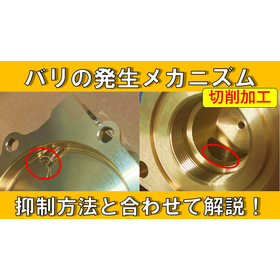
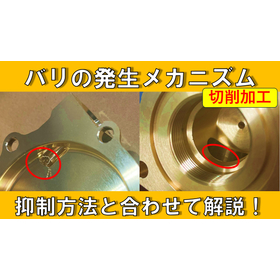
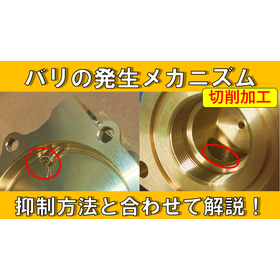
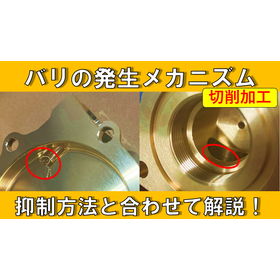
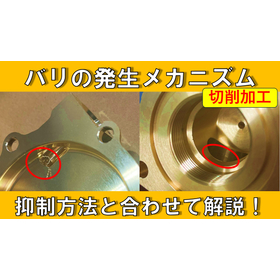
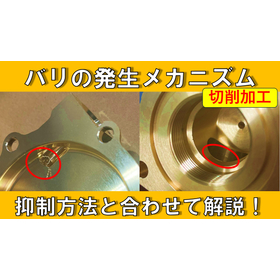
Mechanism of Barking in Automobiles and Countermeasures

Explaining the causes and countermeasures of Bali in a video!

In the automotive industry, the quality and safety of parts are of utmost importance. The occurrence of burrs in machining can reduce the precision of parts and negatively impact the performance and durability of the final product. Especially in areas where high precision is required, such as engine parts and brake components, it is essential to suppress the generation of burrs. This video explains the mechanisms behind burr formation and effective countermeasures, contributing to the improvement of automotive parts quality. 【Application Scenarios】 - Streamlining burr removal processes in the manufacturing of automotive parts - Enhancing quality control in part inspections after machining - Meeting quality requirements for parts supplied to automotive manufacturers 【Benefits of Implementation】 - Increased productivity through reduced burr removal time - Improved customer satisfaction due to enhanced part quality - Cost reduction through the decrease of defective products

Added to bookmarks

Bookmarks list

Bookmark has been removed

Bookmarks list

You can't add any more bookmarks

By registering as a member, you can increase the number of bookmarks you can save and organize them with labels.

Free membership registration

Mechanism of Burr Generation and Countermeasures for Aerospace Applications

Explaining burr prevention measures in machining within the aerospace field!

In the aerospace industry, lightweight components and high precision are required. Burrs in machining can compromise the quality of parts and hinder weight reduction. Suppressing the occurrence of burrs can lead to improved product reliability and cost reduction. This video explains the mechanisms of burr formation and methods for suppression. 【Application Scenarios】 * Manufacturing of aircraft components * Manufacturing of spacecraft components * Manufacturing of parts requiring weight reduction 【Effects of Implementation】 * Reduction of burr removal labor * Improvement of product quality * Cost reduction

Added to bookmarks

Bookmarks list

Bookmark has been removed

Bookmarks list

You can't add any more bookmarks

By registering as a member, you can increase the number of bookmarks you can save and organize them with labels.

Free membership registration

Mechanism of Burr Generation and Countermeasures for Medical Devices

Measures to enhance the safety of medical devices!

In the medical device industry, product safety is of utmost importance. Burrs in machining can lead to product malfunction and pose risks to patients, so thorough measures are required. This video explains the mechanisms of burr formation and effective suppression methods. If you are spending time on deburring or aiming to improve the deburring process, please take a look. 【Usage Scenarios】 * Manufacturing of medical device components * Reduction of product defects due to burrs * Improvement of medical device safety 【Benefits of Implementation】 * Reduction of deburring time * Improvement of product quality * Reduction of risks to patients

Added to bookmarks

Bookmarks list

Bookmark has been removed

Bookmarks list

You can't add any more bookmarks

By registering as a member, you can increase the number of bookmarks you can save and organize them with labels.

Free membership registration

Mechanism of Burr Generation and Countermeasures for Molds

Would you like to learn about measures to prevent burrs in order to improve the durability of molds?

In the mold industry, the durability of molds is crucial for maintaining product quality and productivity. Particularly in molds that require high-precision processing, the occurrence of burrs can shorten the lifespan of the molds. Suppressing the generation of burrs and improving the durability of molds can also lead to cost reductions. This video explains the mechanisms of burr generation and countermeasures. 【Usage Scenarios】 - Mold design - Mold manufacturing - Mold maintenance 【Benefits of Implementation】 - Extension of mold lifespan - Improvement in product quality - Cost reduction

Added to bookmarks

Bookmarks list

Bookmark has been removed

Bookmarks list

You can't add any more bookmarks

By registering as a member, you can increase the number of bookmarks you can save and organize them with labels.

Free membership registration

Mechanism of Burr Generation in Semiconductor Manufacturing and Countermeasures

Explaining the causes of defects and countermeasures in a video! Contributing to yield improvement.

In the semiconductor manufacturing industry, improving yield is a critical issue to ensure a stable supply of high-quality products. The occurrence of burrs during machining can compromise product quality and contribute to reduced yield. To suppress the generation of burrs and improve yield, it is necessary to understand the mechanisms behind burr formation and implement appropriate measures. This video explains the mechanisms of burr formation and specific countermeasures. [Usage Scenarios] - Burr removal process after machining in semiconductor manufacturing - Engineers aiming to improve yield - Quality improvement personnel in manufacturing sites [Benefits of Implementation] - Reduction of burr removal labor - Improvement of product quality - Enhancement of yield

Added to bookmarks

Bookmarks list

Bookmark has been removed

Bookmarks list

You can't add any more bookmarks

By registering as a member, you can increase the number of bookmarks you can save and organize them with labels.

Free membership registration

Mechanism of Burr Generation and Countermeasures for Machine Tools

Explaining the causes of Bali's outbreaks and countermeasures in a video!

In the machinery industry, the deburring process after machining significantly affects production efficiency. If deburring takes too long, it can delay the entire process and potentially lead to increased costs. This video aims to improve productivity by understanding the mechanisms of burr formation and learning effective suppression methods. 【Usage Scenarios】 * Streamlining deburring operations in machining * Optimizing the entire production line * Cost reduction 【Benefits of Implementation】 * Reduction in deburring time * Increased productivity * Cost savings

Added to bookmarks

Bookmarks list

Bookmark has been removed

Bookmarks list

You can't add any more bookmarks

By registering as a member, you can increase the number of bookmarks you can save and organize them with labels.

Free membership registration

Mechanism of Burr Generation and Countermeasures for Electronic Devices

Explaining the causes of Bali's occurrence and countermeasures in a video!

In the electronics industry, the miniaturization of products is advancing, and precise parts processing is required. The occurrence of burrs can compromise the dimensional accuracy of parts and negatively affect assembly and performance. Particularly in miniaturized electronic devices, even slight burrs can cause functional failures. This video explains the mechanisms of burr formation and methods for suppression, contributing to the creation of high-quality products. 【Application Scenarios】 - Manufacturing of electronic device components - Manufacturing of parts requiring precision processing - Manufacturing of miniaturized electronic devices 【Effects of Implementation】 - Reduction of burr removal labor - Improvement of product quality - Enhancement of yield rate

Added to bookmarks

Bookmarks list

Bookmark has been removed

Bookmarks list

You can't add any more bookmarks

By registering as a member, you can increase the number of bookmarks you can save and organize them with labels.

Free membership registration

Mechanism of Burr Generation and Countermeasures for Robots

Explaining the causes and countermeasures of Bali in a video!

In the robotics industry, precise operation and high durability of products are required. In particular, the occurrence of burrs in the processing of precision parts can adversely affect the performance of robots. Burrs can reduce the accuracy of parts, cause friction and abnormal noises, and ultimately lead to robot failures. This video explains the mechanisms of burr formation and specific methods to suppress it. By watching this video, you can reduce the time spent on deburring and contribute to improving the productivity of robots. 【Usage Scenarios】 - Robot manufacturers engaged in precision parts processing - Companies aiming to streamline the deburring process - Companies aiming to improve the quality of robots 【Benefits of Implementation】 - Reduction in deburring time - Improvement in robot quality - Increase in productivity

Added to bookmarks

Bookmarks list

Bookmark has been removed

Bookmarks list

You can't add any more bookmarks

By registering as a member, you can increase the number of bookmarks you can save and organize them with labels.

Free membership registration

Mechanism of Occurrence and Countermeasures for Bali in Watches

I will answer the question: 'How does Bali happen? How can it be suppressed?'

In the watch industry, the aesthetics and quality of products are highly valued. Particularly in precision parts processing, the occurrence of burrs can detract from appearance and potentially lower the value of the product. Removing burrs takes time and costs money, which can also reduce production efficiency. This video explains the mechanisms of burr formation and methods to suppress it. 【Application Scenes】 * Manufacturing of watch parts * Precision parts processing * Improvement of burr removal processes 【Effects of Implementation】 * Suppressing the occurrence of burrs and enhancing product aesthetics * Reducing time and costs associated with burr removal * Improving production efficiency

Added to bookmarks

Bookmarks list

Bookmark has been removed

Bookmarks list

You can't add any more bookmarks

By registering as a member, you can increase the number of bookmarks you can save and organize them with labels.

Free membership registration
Prev 1...56789 Next
  • ダマになりやすい粉体の解砕・ふるい分けにこれ一台で対応 解砕機構付き佐藤式振動ふるい機 つばさ 解砕機構のバリエーションや活用イメージを動画で公開中!
  • 首都圏最大級の工業技術・製品の総合見本市 テクニカルショウヨコハマ2026 第47回 工業技術見本市 時代をひらく新たな技術 2026年2/4(水)・5(木)・6(金) 10:00-17:00 来場者募集中
    • Contact this company

      Contact Us Online
    • Before making an inquiry

      Download PDF

    Products

    • Search for Products

    Company

    • Search for Companies

    Special Features

    • Special Features

    Ranking

    • Overall Products Ranking
    • Overall Company Ranking

    support

    • site map
    IPROS
    • privacy policy Regarding external transmission of information
    • terms of service
    • About Us
    • Careers
    • Advertising
    COPYRIGHT © 2001-2026 IPROS CORPORATION ALL RIGHTS RESERVED.
    Please note that the English text on this page is automatically translated and may contain inaccuracies.