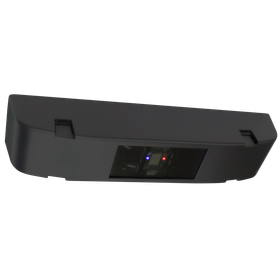
We have released a series of 10 technical explanations on face recognition impersonation detection (liveness detection) (with implementation code and actual measurement values, available for free).
 Swallow Incubate Co., Ltd.
Swallow Incubate Co., Ltd. has published a series of 10 technical articles on the determination of impersonation (liveness detection) in facial recognition systems, accompanied by implementation code and actual measurement values, on the "Swallow Incubate Technical Blog." All articles are available for free.
Facial recognition is a technology that determines "who someone is," but it does not assess "whether that face is alive." When a standard facial recognition system is implemented using OpenCV, presenting a printed photo of the person allows them to pass as the actual individual.
This series is structured into four parts for those responsible for the design, implementation, and procurement of facial recognition systems:
1. Facial recognition alone cannot prevent impersonation (actual measurements of implementation and photo-based bypass).
2. Types of attacks and how to interpret accuracy (differences between FAR/FRR and APCER/BPCER; limitations of three simple liveness detection methods).
3. Actual measurement information necessary for implementation consideration (design for on-premises, closed networks, and embedded systems; face detection at 13.5 fps on Raspberry Pi 5; SDK integration in 23 lines of C++/22 lines of C#; retrofitting to existing systems).
4. A checklist of 12 design items.
Reproduction procedures for attacks are not included. For details, please refer to the related links.
Inquiry about this news
Contact Us Online