Management of hydraulic oil cleanliness: A crucial factor that influences the reliability of hydraulic systems.
ASHUN FLUID POWER CO., LTD.
Even if hydraulic oil appears clean at first glance, it is not possible to judge its cleanliness based solely on appearance. In hydraulic systems operating under harsh conditions, contaminants in the oil can lead to decreased equipment performance and wear, affecting the overall reliability of the system.
【Three Factors to Pay Special Attention To】
1. Solid Particles: Fine metal powders, rubber pieces, and external dust can damage valve components and sealing surfaces.
2. Water Contamination: Excessive moisture compromises lubrication, increasing the risk of oil degradation and component wear.
3. Air Bubble Contamination: Insufficient air bleeding can cause cavitation, pressure fluctuations, and increased vibrations.
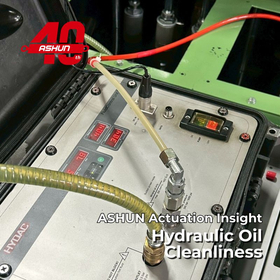
At ASHUN, as part of our quality control, we inspect the hydraulic oil in our in-house hydraulic testing equipment daily using measuring instruments from HYDAC, maintaining contamination levels at "NAS Grade 8 or lower." A strictly controlled testing environment supports the creation of reliable hydraulic equipment.
In our company column, we explain NAS cleanliness grades, the effects of contamination, and practical hydraulic oil management methods. For the full text, please visit our website.
https://www.ashun.com/blog/downtime-is-the-most-expensive-part-2
Inquiry about this news
Contact Us OnlineMore Details & Registration
Details & Registration
Related Links
In our column, we explain NAS cleanliness levels, the impact of contamination, and practical hydraulic oil management methods.
Related product
Related catalog(3)

Distributors