Mandatory provision of information on Type 1 designated chemical substances and the addition of reporting items for disposal operators in electronic manifests.
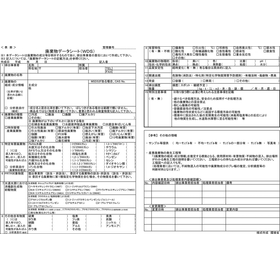
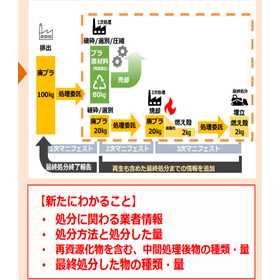
The amendment to the Waste Management Act regulations was promulgated on April 22, 2025. The additional content resulting from the amendment consists of the following two points. The changes will significantly impact practical operations, so this information is directed toward those who may not yet be aware. 1. Mandatory provision of information on Type 1 designated chemical substances - Effective date: January 1, 2026 [Overview] As part of the contract, businesses handling Type 1 designated chemical substances must include information on the Type 1 designated chemical substances (including the percentage contained in products, residues, etc.). 2. Addition of reporting items for disposal contractors in electronic manifests - Effective date: April 1, 2027 [Overview] Previously, only information on the final disposal location was required, but now, if a portion of the residue is being recycled after intermediate processing, it will be necessary to report all routes, allowing the waste generator to verify this information. For more details, please check our company's website column.
Inquire About This Product
basic information
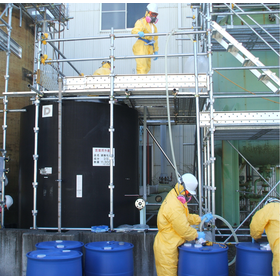
Examples of main types of waste handled ■ Inorganic chemicals Examples: Sulfuric acid, hydrochloric acid, nitric acid, ammonia, sodium hydroxide, various heavy metal salts, etc. ■ Organic chemicals, oils, and solvents Examples: Acetone, ethyl acetate, isopropyl alcohol, etc. ■ Hazardous chemicals Examples: Sodium metal, yellow phosphorus, highly reactive chemicals such as peroxides, etc. ■ Toxic chemicals Examples: Mercury-related substances, potassium dichromate, cyanides, lead compounds, selenium compounds, arsenic compounds, etc. ■ Waste liquids generated from experiments, research, and analysis Examples: Mixed waste liquids from experimental analysis, fluoride-containing waste liquids, 3D printer waste liquids, ICP analysis waste liquids, COD measurement waste liquids, etc. ■ Waste liquids generated during manufacturing processes Examples: Industrial waste liquids, plating waste liquids ■ Equipment and devices contaminated with chemicals, empty containers, protective clothing, etc. ■ Other industrial waste in general Examples: Various waste products, sludge, incineration residues, asbestos, equipment containing mercury, analytical instruments, experimental devices, pumps, batteries, fluorescent lights, various incineration targets, furniture and fixtures, computers, OA equipment, etc.
Price range
Delivery Time
Applications/Examples of results
Main industries of our key clients: Research and development institutions, analysis and testing organizations, testing laboratories, various educational institutions (elementary, junior high, high schools, vocational schools, universities), chemical factories, electronic component manufacturing plants, plating factories, pharmaceutical manufacturing plants, pharmacies, printing and publishing companies, warehouses, and others.
catalog(4)
Download All Catalogs


![[Helpful Materials] Storage and Preservation of Waste Liquids (Laboratory and Analysis Rooms, etc.)](https://image.mono.ipros.com/public/catalog/image/01/73b/781508/IPROS6661302761682738702.jpeg?w=120&h=170)
Company information

Hachio Co., Ltd. handles the processing of processing and cleaning wastewater from manufacturing sites, as well as research and testing wastewater, and waste chemicals. We are capable of processing wastewater with special properties, wastewater containing hazardous substances, small quantities of diverse wastewater, and unwanted chemicals (including self-reactive and water-sensitive substances). Utilizing our 50 years of experience and technology, we provide comprehensive support not only for industrial waste disposal but also for management and disposal methods in everyday operations, as well as the removal of leftover chemicals and equipment cleaning associated with equipment dismantling and relocation.