A high-speed camera that captures invisible moments. A comprehensive explanation from the basics to selecting the right model!
Visualization of high-speed phenomena that cannot be captured by the naked eye. As the demands for accelerating advanced technology development and enhancing the precision and shortening the cycle of product development become increasingly strong, high-speed cameras are becoming essential tools in research and development settings. However, even when referring to high-speed cameras, the required performance varies significantly depending on the application. In addition to frame rate and resolution, functionality and size are also important selection factors. It is crucial to identify the optimal combination tailored to the application, including accessories such as optical systems, lighting, and analysis software. This guide organizes the key points for selecting a camera based on purpose, providing a framework that even first-time users can grasp for general model selection direction.

Inquire About This Product
basic information
This is a basic guide for those considering the introduction of high-speed cameras. It clearly explains fundamental knowledge such as frame rate (fps), resolution, and shutter speed, as well as how to set optimal shooting conditions and points for selecting models based on different applications. Additionally, it introduces price estimates and peripheral equipment such as lenses and lighting, along with specific use cases like fluid analysis, impact testing, and combustion observation. The practical content is useful across a wide range of fields, including research and development, quality evaluation, and production technology, allowing even beginners to grasp the direction for selecting a high-speed camera that suits their company's needs.
Price range
Delivery Time
Applications/Examples of results
High-speed cameras are used for analyzing high-speed phenomena such as impact and drop tests, material fracture and deformation analysis, fluid visualization, and combustion and spray observation. In the automotive field, they are utilized for crash testing and airbag deployment analysis; in manufacturing, for troubleshooting on production lines and quality assessment; and in research and development, for flow velocity measurement (PIV) and strain analysis (DIC). They can also be applied to analyze human movement in sports motion analysis and biomechanics. They visualize phenomena that cannot be captured by the naked eye or standard cameras, contributing to improved accuracy in cause analysis and performance evaluation.
Detailed information
-
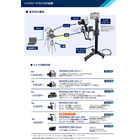
Camera lineup and general configuration
-
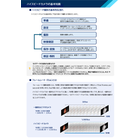
Basic flow and key elements to remember when shooting with a high-speed camera.
-
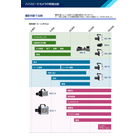
Applications that require high-speed shooting and suitable camera specifications.
-
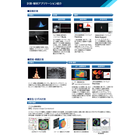
Introduction of examples for each application.
catalog(1)
Download All Catalogs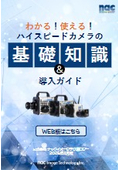
Company information

NAC Image Technology develops, manufactures, and sells imaging measurement equipment for research and development in the fields of industry, academia, and government, and also engages in the sale and rental of video production equipment for the film, commercial, and television industries. We continuously create advanced imaging equipment that utilizes cutting-edge technology, including high-speed cameras for measurement, special optical systems, and eye-tracking devices like eye mark recorders, and we are still challenging ourselves with new technologies. In the field of video production, we develop and manufacture broadcast high-speed cameras (super slow-motion cameras) and sell and rent products recognized by professional video creators worldwide, including digital cinema cameras, lenses, and lighting equipment.