
Stop and recoverable machine tool FMS manufacturing line design | Thermix

A line that can be safely restored in a short time, rather than equipment that doesn't stop.
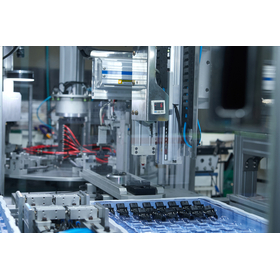
Our company designs flexible machining systems (FMS) for machine tools as manufacturing lines that can safely return to operation in a short time, even if they stop, rather than as equipment that never stops. We anticipate stoppage factors such as chips, coolant, tool life, and workpiece conditions, incorporating maintainability and abnormal recovery from the conceptual stage. In an FMS where machining machines, robots, pallet transport, tools, jigs, cleaning, and inspection are interconnected, a small abnormality in one location can lead to a complete line stoppage. The key lies in visualizing the workpiece, tool, and equipment conditions, and in reducing recovery time through control design. Once mass production begins, the quality of the FMS is determined by how stably it can continue to operate. "Stopping during night operations" → Confirm tool life against the input plan in advance. "Not knowing which workpiece to remove" → Manage conditions from before machining to waiting for reprocessing. "Only showing a transport abnormality with no way to find the cause" → Display pallets, sensors, and conditions. "Being afraid to move the robot during recovery" → Safe sequence and interference prevention interlock design. "Wishing to reduce maintenance load after mass production" → Ensure inspection openings and cleaning spaces during the design of the manufacturing line. Please consult us from the stage of considering night operations or unmanned operations.
Inquire About This Product
basic information
**Visualization Targets** - Work: Types by pallet, before processing, during processing, after processing, inspection OK/NG, waiting for reprocessing. - Tools: Usage frequency, processing time, lifespan, planned replacement, confirmation of lifespan sufficiency against night shift plans. - Equipment: Display the status of processing machines, robots, transport devices, cleaning devices, and inspection devices on the HMI. - Stopping factors, interlocks during operation, identification of workpieces that need to be removed. - Abnormality history and stop history: Frequent abnormalities, times when stops are likely, stop trends by type. **Expected Stopping Factors** Clamping failures due to chips or coolant, poor seating, measurement errors, gripping failures, sensor detection failures. Processing defects and tool breakage due to tool life expiration. Misalignment of delivery positions, interference, insufficient empty pallets, and full finished goods storage. - Abnormality displays will not just end with "transport abnormalities," but will also identify which pallet's sensor is not meeting which conditions. - The manual operation screen will be designed to ensure safe movement order, prevent interference from erroneous operations, and clarify the conditions for returning to automatic operation. - The layout will be determined based on whether maintenance can be performed, not just whether equipment can fit. - We will check the amount of cover removal and attachment, chip cleaning, inspection around coolant, adjustment space for robot hands, and working posture for tool and jig replacement.
Price range
Delivery Time
Applications/Examples of results
Target equipment: machining machines, robots, pallet transport, pallet pools, stockers, tools, jigs, cleaning devices, inspection devices Applicable processes: machining, transport, cleaning, inspection, management of waiting states for reprocessing Design items for maintainability: location of inspection openings, position of operators, access to replacement parts, cleaning space, movement paths for forklifts and carts, opening and closing range of safety fences and doors Scope of provision: concept, design, manufacturing, construction, startup, improvements after startup Target departments: production technology department, manufacturing department, maintenance department Consideration stage: concept for new FMS, expansion of nighttime and unmanned operation, reduction of maintenance load after mass production Implementation purposes: nighttime operation, unmanned operation, labor saving, small-lot production of various types, improvement of machining machine operating rates Implementation examples: the following are consultation examples. - "Sensor detection failures occur due to chips and coolant" - "The sensor cannot be replaced without removing the cover significantly" - "There is not enough space for adjusting the robot hand" - "No stop history remains, making it impossible to determine improvement themes"
catalog(1)
Download All Catalogs
Company information
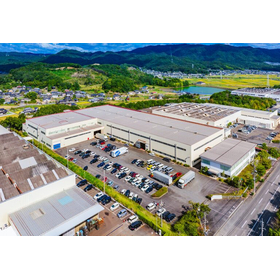
We, Thermix, a top-tier production line builder with proven expertise, handles automation and line construction for production equipment across diverse fields including automobiles and automotive parts, aircraft bodies, and industrial machinery. We provide full turnkey solutions from concept and specification review through design, manufacturing, installation, commissioning, and maintenance, ensuring reliable mass production launch. Leveraging our production technology expertise, we organize and visualize the current state, including process feasibility, integration with existing equipment, and safety. Utilizing industrial robots, image processing, conveyance/inter-process transfer, and material handling, we propose realistic automation roadmaps without unnecessary strain. We address challenges like “We want to reduce staffing on lines that can't be stopped” or “Equipment investment decisions are difficult,” accompanying you from small-scale PoCs to full-scale deployment with our project management expertise. Leveraging our domestic and international launch experience, we collaborate to create the optimal production line.