

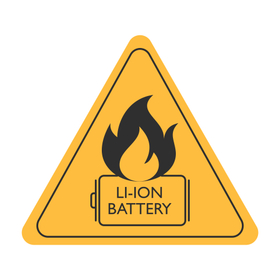
[Waste Management Law] Planned amendments regarding the treatment of lithium batteries and products containing them.
It is not at the level of guidelines, but rather at the level of legal amendments. Therefore, similar to asbestos-containing waste and mercury-containing product waste, it will require provisions in the contract, obligations for information provision, and handling of physical items at the time of outsourcing. Failure to implement these will be considered a legal violation, so preparations must be made before the enforcement of the amendments. *Scheduled for promulgation in late December of the 8th year of Reiwa and enforcement on April 1 of the 9th year of Reiwa. Overview of the amendments The items related to waste generators are mainly expected to include the following content. This applies not only to the batteries themselves but also to products that use batteries as components when they become waste. Similar content will also apply to cases of general waste. - Posting on bulletin boards at waste storage locations - Strengthening of industrial waste storage standards (segregation, fire prevention measures, isolation from heat sources, etc.) - Inclusion in the outsourcing contract (as mandatory items) - Indication that lithium batteries are included in the industrial waste management slip - Additions to bookkeeping items etc. For more details, please check the relevant column on our company website.
Inquire About This Product
basic information
Examples of main types of waste handled ■ Inorganic chemicals Examples: Sulfuric acid, hydrochloric acid, nitric acid, ammonia, sodium hydroxide, various heavy metal salts, etc. ■ Organic chemicals, oils, and solvents Examples: Acetone, ethyl acetate, isopropyl alcohol, etc. ■ Hazardous chemicals Examples: Sodium metal, yellow phosphorus, peroxides, and other highly reactive chemicals ■ Toxic chemicals Examples: Mercury-related substances, potassium dichromate, cyan compounds, lead compounds, selenium compounds, arsenic compounds, etc. ■ Waste liquids generated from experiments, research, and analysis Examples: Mixed waste liquids from experimental analysis, fluoride-containing waste liquids, 3D printer waste liquids, ICP analysis waste liquids, COD measurement waste liquids, etc. ■ Waste liquids generated during manufacturing processes Examples: Industrial waste liquids, plating waste liquids ■ Equipment and devices contaminated with chemicals, empty containers, protective clothing, etc. ■ Other general industrial waste Examples: Various waste products, sludge, ash, asbestos, equipment containing mercury, analytical devices, experimental devices, pumps, batteries, fluorescent lights, batteries, various incineration targets, furniture and fixtures, computers, OA equipment, etc.
Price range
Delivery Time
Applications/Examples of results
Main industries of our major clients: Research and development institutions, analysis and testing organizations, testing facilities, various educational institutions (elementary, middle, high schools, vocational schools, universities), chemical factories, electronic component manufacturing plants, plating factories, pharmaceutical manufacturing plants, pharmacies, printing and publishing companies, warehouses, and others.
catalog(5)
Download All Catalogs


Company information

Hachio Co., Ltd. handles the processing of processing and cleaning wastewater from manufacturing sites, as well as research and testing wastewater, and waste chemicals. We are capable of processing wastewater with special properties, wastewater containing hazardous substances, small quantities of diverse wastewater, and unwanted chemicals (including self-reactive and water-sensitive substances). Utilizing our 50 years of experience and technology, we provide comprehensive support not only for industrial waste disposal but also for management and disposal methods in everyday operations, as well as the removal of leftover chemicals and equipment cleaning associated with equipment dismantling and relocation.

