Estimates for automation equipment compared on the same level, manufacturing line construction, Termix.

Most of the difference in amount is due to the difference in the scope of the proposal, not the price of the equipment.
Despite requesting under the same conditions, the amounts differ significantly; when choosing the cheaper proposal, the delivery construction and existing PLC connection were separate costs. Thermix will assist in making the estimates comparable from the start. We will align the scope, completion state, prerequisites, exclusions, and responsibility boundaries, and organize the range that is viable for the entire manufacturing line together. The requirements specification represents the desired state, while the proposal specification outlines the implementation method. Please provide the target work, variety count, production quantity, target takt time, quality, operating hours, tasks performed by people, and future variety additions. We will respond with the machine configuration and control methods. Consultations can be held even without a specification document. If you have process flows, actual workpieces, work videos, or information on stoppages and rework situations, we can begin comparing concepts. "The estimated amounts vary greatly among companies" → Separate and list items from equipment costs to training, documentation, and spare parts. "Cannot compare takt conditions" → Align measurement sections, target varieties, continuous operation times, and prerequisite tasks. "Boundary construction is omitted and added later" → Clearly indicate responsibilities from design to final confirmation in the responsibility boundary table. "Cannot create a specification document" → Generate concepts based on objectives and site conditions for comparison materials. "Conditions change during consideration" → Record changes, impact scope, costs, delivery dates, and approvers. Please consult us from the stage before the specifications are finalized.

Inquire About This Product
basic information
【Items to be separated and listed in the estimate】 Equipment costs, design costs, manufacturing costs, purchased items, transportation, delivery, installation, wiring and piping, control modifications, startup, mass production trials, training, documentation, spare parts. 【Subjects of the responsibility boundary table】 Machines, foundations, frames, power supply, air, dust collection, cooling water, networks, wiring, modifications to existing equipment, safety circuits, PLC signals, MES integration, on-site construction. Responsibilities for design, manufacturing, supply, construction, connection, trial operation, and final confirmation will be determined for each item. 【Assumptions for comparison】 Capability conditions must be aligned in terms of measurement intervals, target varieties, continuous operating times, and prerequisite tasks before a comparison can be made. Performance values, along with prerequisite conditions, will be treated as a single specification. 【Features】 - Comparisons are not made solely based on normal operation. Re-attempts for missed opportunities, handling of defective products, detection of material shortages, and recovery from power outages or communication failures are all included in the comparison. - Changeovers are assessed based on the switching of variety information, replacement of jigs and handles, prevention of incorrect varieties, and verification methods. - Maintenance is evaluated based on tool accessibility, safe replacement of consumables, reproducibility of positions after replacement, and the availability of spare parts and maintenance documentation. There are configurations where operational burdens remain even if equipment prices are low. - Unconfirmed items should not be left blank; instead, provisional assumptions and confirmation deadlines should be noted. This allows for later determination of whether it is an addition to specifications or a confirmation of the initial scope.
Price range
Delivery Time
Applications/Examples of results
Items to prepare during consultation: process flow, drawings or actual items of the target work, types and production quantities, work videos, status of stoppages and rework, equipment layout, information on existing machines, available construction time. Contents to be presented in the proposal: confirmed specifications, underlying assumptions, alternatives, future verification items. Submission materials: approved drawings, machine drawings, electrical drawings, parts list, PLC/HMI backups, equipment parameters, operation manuals, maintenance procedures, list of spare parts, inspection records. Response format: comparison of new manufacturing line concepts, modifications of existing lines, coordination of projects involving multiple manufacturers. Scope of services: concept, design, manufacturing, connection with existing equipment, control design, on-site construction, startup, maintenance. Target departments: production technology department, manufacturing department, purchasing department, maintenance department, quality assurance department. Consideration stage: organizing objectives, before creating specifications, comparing estimates, change management. Submission material guidelines: submission format, language, number of copies, submission timing. Case studies: the following are examples of consultations. - "The estimates from three companies are not in a comparable format." - "Exclusion items emerged later, resulting in additional construction." - "I would like to think together about what should be automated." - "I want to confirm whether devices from multiple companies can connect before placing an order."
catalog(1)
Download All Catalogs
Company information
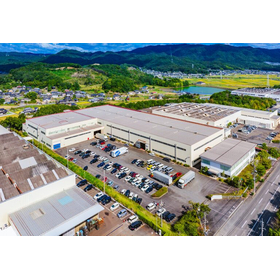
We, Thermix, a top-tier production line builder with proven expertise, handles automation and line construction for production equipment across diverse fields including automobiles and automotive parts, aircraft bodies, and industrial machinery. We provide full turnkey solutions from concept and specification review through design, manufacturing, installation, commissioning, and maintenance, ensuring reliable mass production launch. Leveraging our production technology expertise, we organize and visualize the current state, including process feasibility, integration with existing equipment, and safety. Utilizing industrial robots, image processing, conveyance/inter-process transfer, and material handling, we propose realistic automation roadmaps without unnecessary strain. We address challenges like “We want to reduce staffing on lines that can't be stopped” or “Equipment investment decisions are difficult,” accompanying you from small-scale PoCs to full-scale deployment with our project management expertise. Leveraging our domestic and international launch experience, we collaborate to create the optimal production line.