
List of Scientific and Physics Equipment products
- classification:Scientific and Physics Equipment
1891~1935 item / All 35956 items


Reduce the workload from handling heavy objects! Here are five case studies that solved customer challenges! We are also accepting free consultations and tests tailored to your work!

- Other conveying machines


Strong cold wind from room temperature to -13°C! Depending on the usage environment, you can choose between the combo type or the separate type!
- Cooling system

April 10, 2024 (Wednesday) to April 12, 2024 (Friday) Notice of Participation in Nagoya Manufacturing World 2024
Sanwa Shiki Ventilator Co., Ltd. will be exhibiting at the 2024 Monozukuri World (Nagoya) held at Port Messe Nagoya. We will also be showcasing our large cooling fans and cool/warm ambient products. Date: April 10, 2024 - April 12, 2024 Opening: 10:00 AM Location: Nagoya Port Messe (Exhibition Hall 1) *Our booth: 19-1 We would be grateful if you could visit us if you have the time.
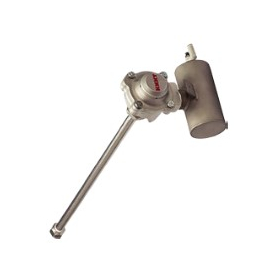

We solve blockages with our unique pulse air generation technology!
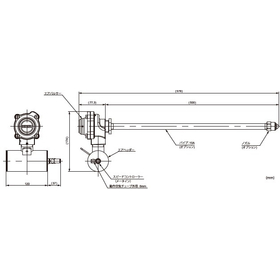
- Other powder equipment
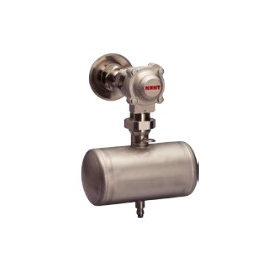
We have a variety of air headers with different capacities available!
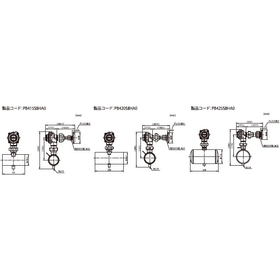
- Other powder equipment
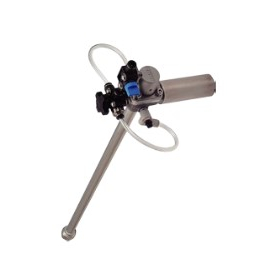
Here is an introduction to devices that can be easily carried and used!
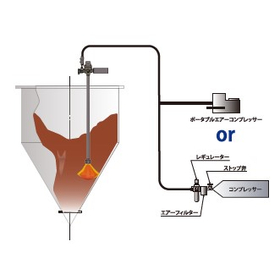
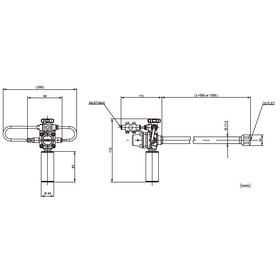
- Other powder equipment
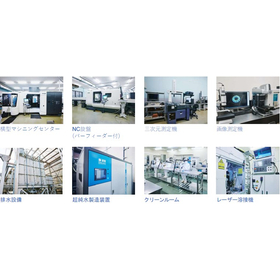
We have a long history in metal processing, starting with stainless steel!
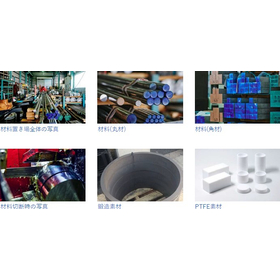
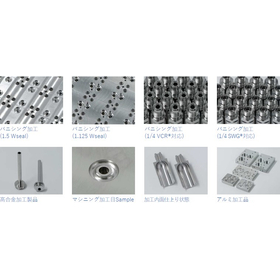
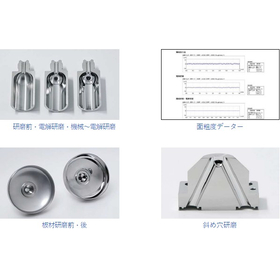
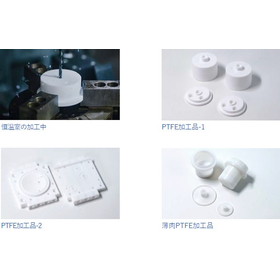
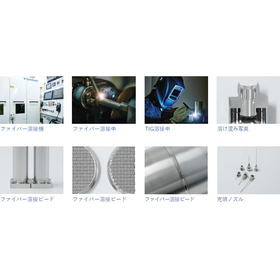
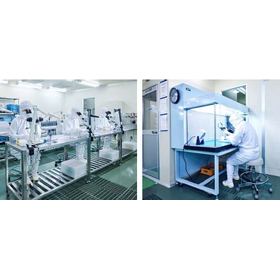
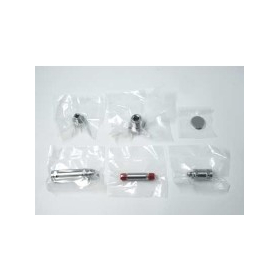
- Processing Contract
- Other powder equipment
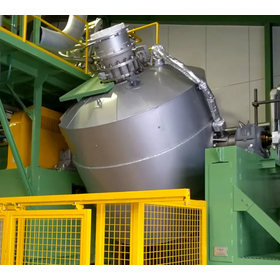

In a situation where securing capacity in a limited space is necessary, consideration for work safety is also required.
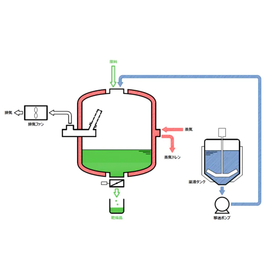
- Drying Equipment
- Heating device
- Mechanical Design
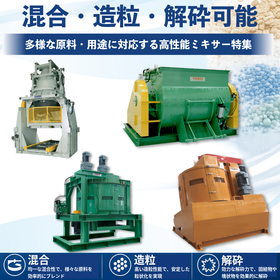

Introducing a product equipped with a mechanism that allows for diverse applications and easy internal cleaning!
- Mixer/agitator
- mixer
- mixer


It is possible to form micro-patterns on diverse surface shapes in a wide range, at high speed, and at low cost.
- Other surface treatment equipment
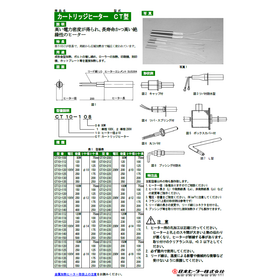

A heater with high power density, long lifespan, and high insulation properties.
- Heating device
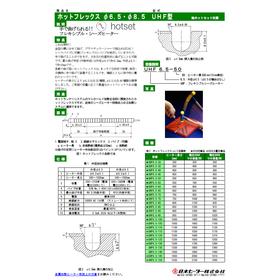
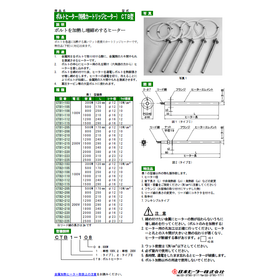
Heater for heating bolts and increasing tightening.
- Heating device
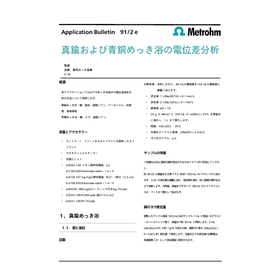

Application of potentiometric titration device for component analysis of brass and copper plating baths.
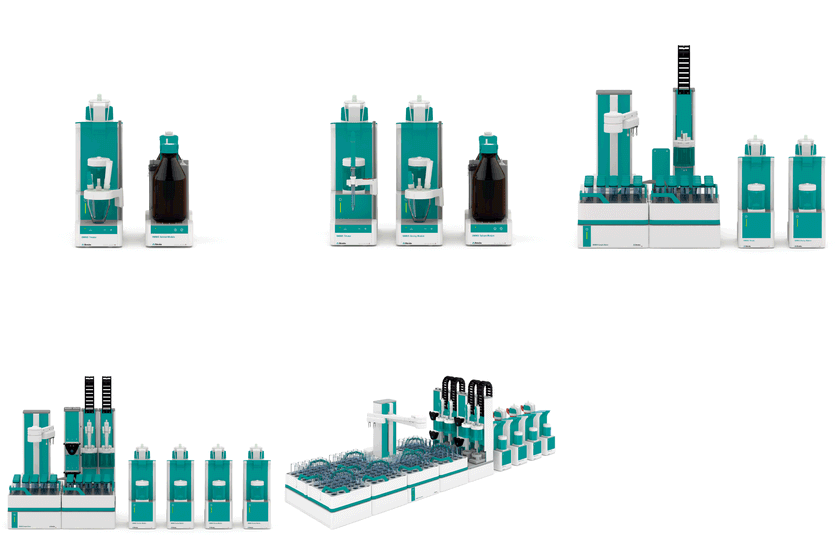
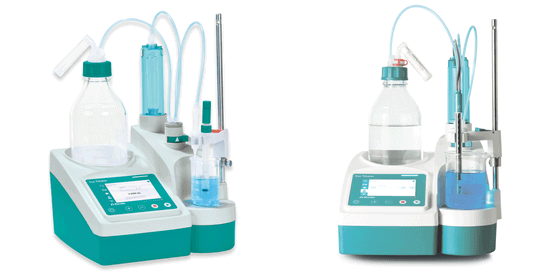
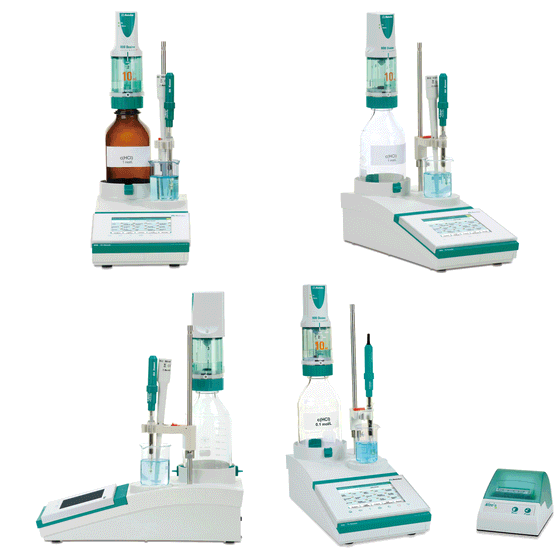
- Electrotitrator
- Plating Equipment
- alloy


[2026 Latest Edition] Understand the latest trends and alternative technologies for PFAS in one book! Free guide for manufacturers on PFAS countermeasures.
- Surface treatment contract service
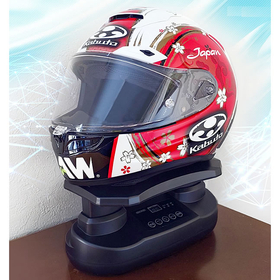

Deodorizing and drying helmet dryer
- Stainless steel container

With cutting-edge battery technology, while maintaining high suction performance,
- Stainless steel container
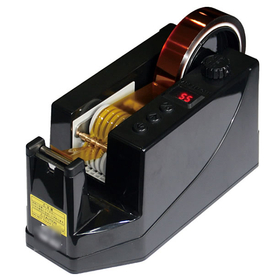
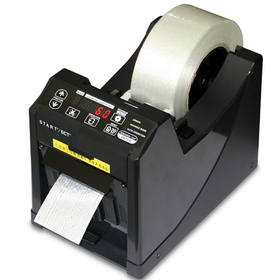
Electric assist tape cutter. Compatible with thin film adhesive tapes up to 24mm wide.
- Stainless steel container
High-end model with enhanced standard features.
- Stainless steel container
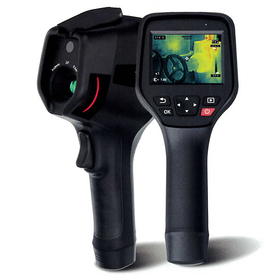
The infrared thermal imaging camera M4504TGL-711CR, equipped with a high-sensitivity, high-spatial-resolution non-cooled VOx detector, is
- Stainless steel container
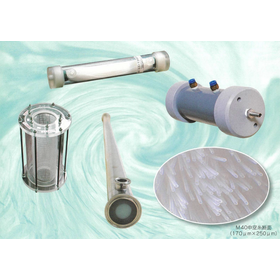

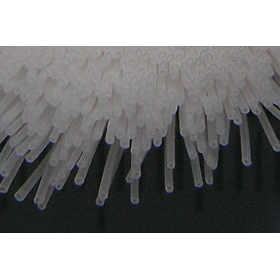
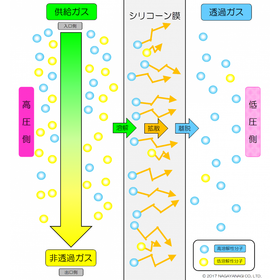
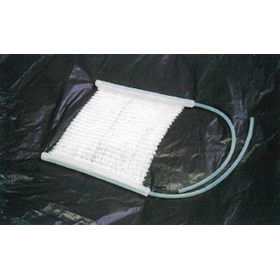
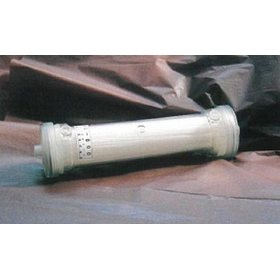
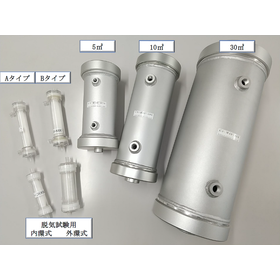
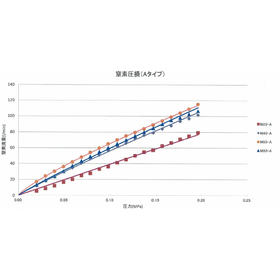
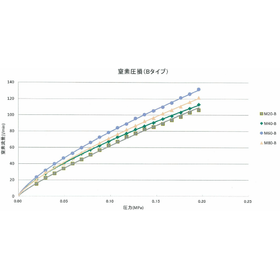
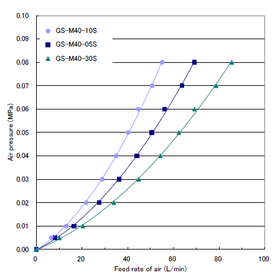
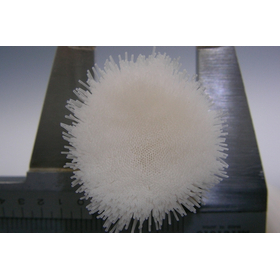
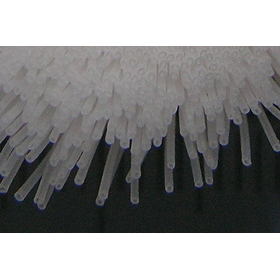
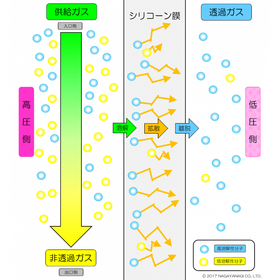
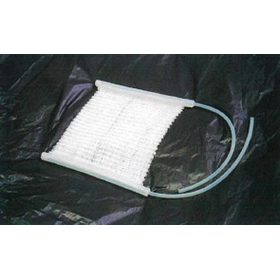
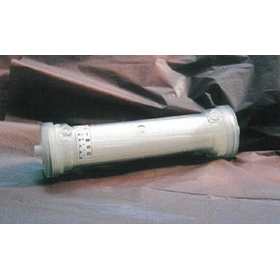
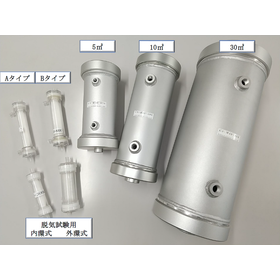
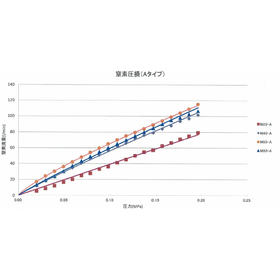
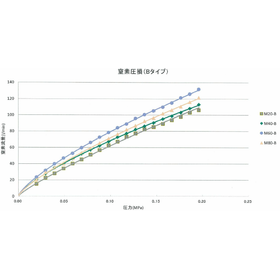
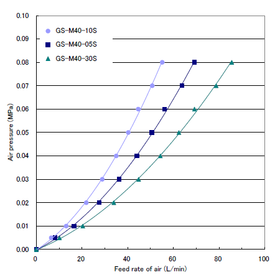
A gas separation membrane with excellent flexibility and bend resistance. It can be designed according to specific applications. Controls dissolved gases for degassing and gas supply applications.
- Other separation and analysis equipment
- Deaeration device
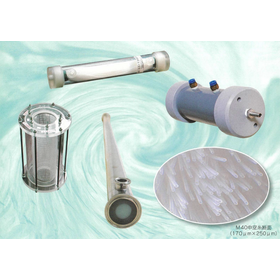
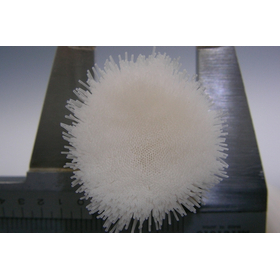
Excellent flexibility and bending resistance, adaptable to various shapes. For methane recovery from biogas.
- Other separation and analysis equipment
- Deaeration device


【Primer and Binder Applications】By using it as a base material on substrates that repel paint, it facilitates painting and printing.


- paint
- Surface treatment contract service
- Chemicals


Improving the performance of EVs in cold climates. Contributing to extended driving range and maintaining charging capacity [Exhibiting at the 2025 Automotive Technology Exhibition].
- Other heaters
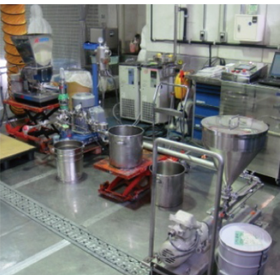

Quality changes with dispersion. Pre-validation of the reproducibility of resin materials through testing.
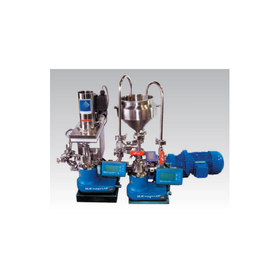
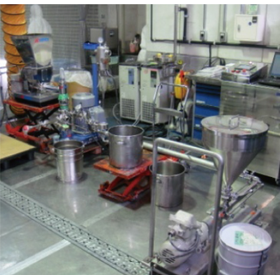
- Emulsifier/Disperser
- Vacuum degassing machine
- Dispersion/emulsification equipment/homogenizer
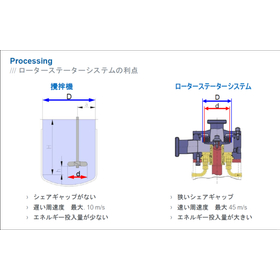
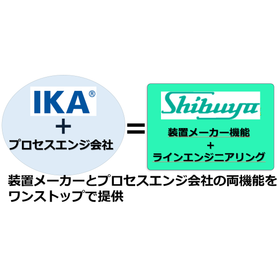
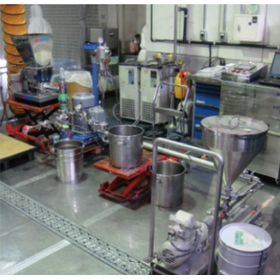
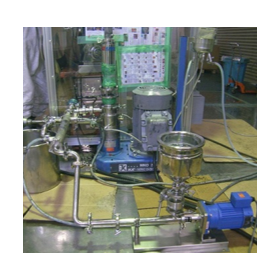
What are the reasons for changes in results from the lab to mass production? Causes and countermeasures for the deterioration of distributed quality during scale-up.
Despite obtaining good dispersion results in the lab, the challenge of unstable quality upon mass production occurs in many settings. The main cause of this is that the dispersion conditions are not replicated due to differences in scale. In lab equipment, the smaller size leads to higher energy density, making shear and flow more uniform, while in mass production equipment, the larger scale often results in insufficient dispersion energy at the same rotational speed and processing time. Additionally, differences in equipment structure and flow patterns can cause variations in the shear history and residence time experienced by particles, leading to differences in the dispersion state. Furthermore, simple scale-up does not ensure that critical parameters such as flow rate, residence time, and shear intensity match, making it difficult to reproduce the same results as in the lab. To address these challenges, it is essential to focus on process design based on dispersion energy density and flow conditions rather than merely increasing equipment size. By designing the system so that particles pass through the processing area under consistent conditions, it is possible to achieve reproducible dispersion quality even when the scale changes, as seen in inline continuous processing.
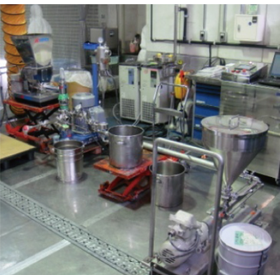
The strength is determined by the variance. Visualize quality variations through testing before mass production.
- Emulsifier/Disperser
- Vacuum degassing machine
- Dispersion/emulsification equipment/homogenizer
What are the reasons for changes in results from the lab to mass production? Causes and countermeasures for the deterioration of distributed quality during scale-up.
Despite obtaining good dispersion results in the lab, the challenge of unstable quality upon mass production occurs in many settings. The main cause of this is that the dispersion conditions are not replicated due to differences in scale. In lab equipment, the smaller size leads to higher energy density, making shear and flow more uniform, while in mass production equipment, the larger scale often results in insufficient dispersion energy at the same rotational speed and processing time. Additionally, differences in equipment structure and flow patterns can cause variations in the shear history and residence time experienced by particles, leading to differences in the dispersion state. Furthermore, simple scale-up does not ensure that critical parameters such as flow rate, residence time, and shear intensity match, making it difficult to reproduce the same results as in the lab. To address these challenges, it is essential to focus on process design based on dispersion energy density and flow conditions rather than merely increasing equipment size. By designing the system so that particles pass through the processing area under consistent conditions, it is possible to achieve reproducible dispersion quality even when the scale changes, as seen in inline continuous processing.
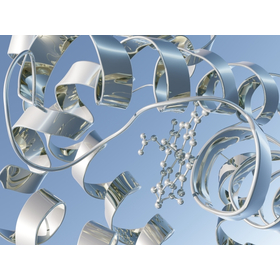
Resolve issues of not dissolving and clumping in advance. Test the dispersibility of the protein.
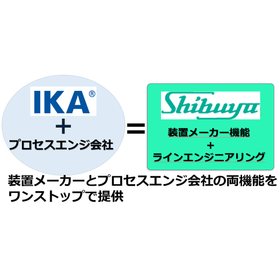
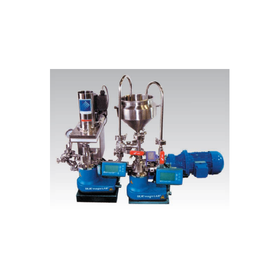
- Emulsifier/Disperser
- Vacuum degassing machine
- Dispersion/emulsification equipment/homogenizer
What are the reasons for changes in results from the lab to mass production? Causes and countermeasures for the deterioration of distributed quality during scale-up.
Despite obtaining good dispersion results in the lab, the challenge of unstable quality upon mass production occurs in many settings. The main cause of this is that the dispersion conditions are not replicated due to differences in scale. In lab equipment, the smaller size leads to higher energy density, making shear and flow more uniform, while in mass production equipment, the larger scale often results in insufficient dispersion energy at the same rotational speed and processing time. Additionally, differences in equipment structure and flow patterns can cause variations in the shear history and residence time experienced by particles, leading to differences in the dispersion state. Furthermore, simple scale-up does not ensure that critical parameters such as flow rate, residence time, and shear intensity match, making it difficult to reproduce the same results as in the lab. To address these challenges, it is essential to focus on process design based on dispersion energy density and flow conditions rather than merely increasing equipment size. By designing the system so that particles pass through the processing area under consistent conditions, it is possible to achieve reproducible dispersion quality even when the scale changes, as seen in inline continuous processing.

From October 29 (Tuesday) to 31 (Thursday), 2024! We will be exhibiting small ultrasonic dispersion devices and ultrasonic generators!
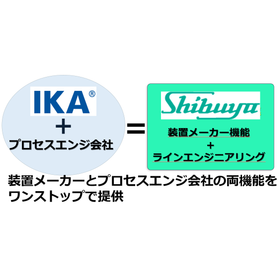


- Emulsifier/Disperser
- Powder Supply Device
- Dispersion/emulsification equipment/homogenizer
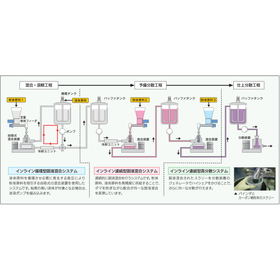
What is decentralized process design? Key points for stabilizing quality.
In dispersion engineering, stable quality cannot be achieved solely based on the performance of the equipment. What is important is the overall design of the process, taking into account material properties and process conditions. This is referred to as dispersion process design. Dispersion quality is determined not only by the strength of shear but also by multiple factors such as flow state, residence time, and method of input. If these conditions are not properly designed, localized agglomeration or variation can occur, making it difficult to maintain stable quality. For example, poor wetting during powder input or the occurrence of stagnant areas due to flow bias can lead to clumping or dispersion issues. Additionally, even if the shear energy is sufficient, if it does not act uniformly on all particles, differences in dispersion state will arise. Therefore, in dispersion processes, it is crucial to design "flow," "shear," and "processing time" as an integrated system. This allows for all particles to receive the same dispersion history, achieving uniform and highly reproducible dispersion quality. In particular, inline continuous processing has the advantage of maintaining consistent conditions within the flow, making it easier to ensure reproducibility in process design. Dispersion process design is a key concept for stabilizing quality and successfully scaling up.
![[PH Case Study] Optimizing Surface ...](https://image.mono.ipros.com/public/product/image/347234/IPROS14864001458542702032.png?w=280&h=280)

The adhesion strength is further improved compared to the composite treatment of nitriding and coating! It also suppresses the decrease in lifespan during re-surfacing.
- Surface treatment contract service
![[PH Case Study] Reduction of Sand M...](https://image.mono.ipros.com/public/product/image/347234/IPROS3555598123223654288.png?w=280&h=280)
Solve your problems related to mold wear with composite surface treatment plasma hardening!
- Surface treatment contract service
![[PH Case Study] Coating with Wear R...](https://image.mono.ipros.com/public/product/image/347234/IPROS4717343884681326685.png?w=280&h=280)
Coating disposable molds allows for reprocessing and reuse multiple times! This leads to cost reduction and high praise.
- Surface treatment contract service
![[PH Case Study] Extending the Lifes...](https://image.mono.ipros.com/public/product/image/347234/IPROS10524968794499590698.png?w=280&h=280)
Solving the issue of increased mold replacement frequency due to heat cracks and melting!
- Surface treatment contract service