
List of Experiment bench/storage room products
- classification:Experiment bench/storage room
16~30 item / All 371 items


It won't break even after 1 million repetitions! A mat switch with reliable operation, high durability, and low price. Suitable for options in machine tools as well. Please consult us about delivery t...
- Sensors


We can accommodate high resistance over 10,000 ohms, with diameters ranging from approximately 30 mm to 8 inches, and we also offer thinning and chip processing arrangements!
- Other semiconductors
- Processing Contract
- Wafer
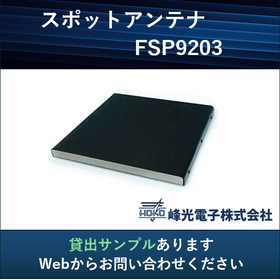

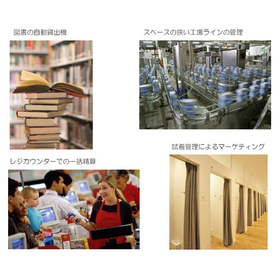
Read only the targeted RFID tags! Reduce misreading in process management.
- antenna
- Document and Data Management
- Storage shelves

A clear explanation of how to obtain a technical standards conformity certification!
To sell and use products that utilize wireless technology in Japan, it is necessary to obtain a national certification called "Technical Standards Conformity Certification (Giteki)." So, "how do you obtain Giteki?" 【Step 1】 What products require Giteki? Devices that communicate using wireless technology that emits radio waves are subject to this requirement, such as smartphones, Wi-Fi routers, Bluetooth earphones, wireless mice, wireless transceivers, IoT devices, etc. 【Step 2】 Where can you get the assessment done? The assessment for Giteki is conducted by a third-party organization recognized by the government, called a "Registered Certification Body." Examples include the Telecommunications Engineering Center (TELEC) and the Japan Maritime Bureau (JCI). 【Step 3】 What do you need to submit? For the assessment, you need to submit documents and samples such as the following, to check for "signal strength," "frequency accuracy," and "radio interference": Product technical specifications (such as frequency and output), circuit diagrams or design drawings, and the actual product (or prototype). 【Step 4】 If you pass the test, you will receive the "Giteki mark"! 【Step 5】 After that, you can freely sell and use the product!
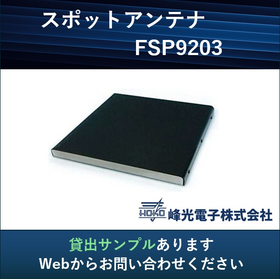
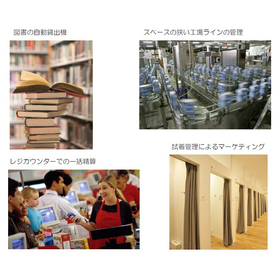
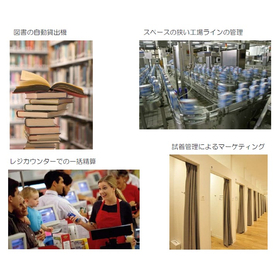
For library collection management! Accurately reads only the targeted RFID tags.
- antenna
- Document and Data Management
- Storage shelves
A clear explanation of how to obtain a technical standards conformity certification!
To sell and use products that utilize wireless technology in Japan, it is necessary to obtain a national certification called "Technical Standards Conformity Certification (Giteki)." So, "how do you obtain Giteki?" 【Step 1】 What products require Giteki? Devices that communicate using wireless technology that emits radio waves are subject to this requirement, such as smartphones, Wi-Fi routers, Bluetooth earphones, wireless mice, wireless transceivers, IoT devices, etc. 【Step 2】 Where can you get the assessment done? The assessment for Giteki is conducted by a third-party organization recognized by the government, called a "Registered Certification Body." Examples include the Telecommunications Engineering Center (TELEC) and the Japan Maritime Bureau (JCI). 【Step 3】 What do you need to submit? For the assessment, you need to submit documents and samples such as the following, to check for "signal strength," "frequency accuracy," and "radio interference": Product technical specifications (such as frequency and output), circuit diagrams or design drawings, and the actual product (or prototype). 【Step 4】 If you pass the test, you will receive the "Giteki mark"! 【Step 5】 After that, you can freely sell and use the product!
![[For Defense] UHF Band RFID Spot An...](https://image.mono.ipros.com/public/product/image/2057660/IPROS14749625728690540458.jpg?w=280&h=280)
Accurately identify only the targeted equipment! Contributing to the efficiency of defense equipment management.
- antenna
- Document and Data Management
- Storage shelves
A clear explanation of how to obtain a technical standards conformity certification!
To sell and use products that utilize wireless technology in Japan, it is necessary to obtain a national certification called "Technical Standards Conformity Certification (Giteki)." So, "how do you obtain Giteki?" 【Step 1】 What products require Giteki? Devices that communicate using wireless technology that emits radio waves are subject to this requirement, such as smartphones, Wi-Fi routers, Bluetooth earphones, wireless mice, wireless transceivers, IoT devices, etc. 【Step 2】 Where can you get the assessment done? The assessment for Giteki is conducted by a third-party organization recognized by the government, called a "Registered Certification Body." Examples include the Telecommunications Engineering Center (TELEC) and the Japan Maritime Bureau (JCI). 【Step 3】 What do you need to submit? For the assessment, you need to submit documents and samples such as the following, to check for "signal strength," "frequency accuracy," and "radio interference": Product technical specifications (such as frequency and output), circuit diagrams or design drawings, and the actual product (or prototype). 【Step 4】 If you pass the test, you will receive the "Giteki mark"! 【Step 5】 After that, you can freely sell and use the product!
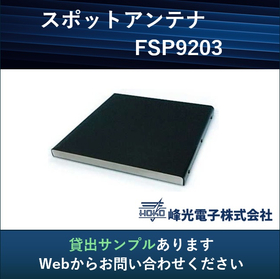
For managing aircraft maintenance records! Accurately read only the targeted RFID tags.
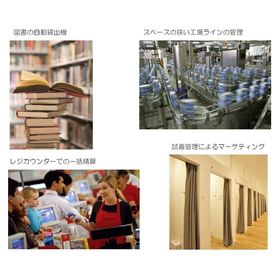
- antenna
- Document and Data Management
- Storage shelves
A clear explanation of how to obtain a technical standards conformity certification!
To sell and use products that utilize wireless technology in Japan, it is necessary to obtain a national certification called "Technical Standards Conformity Certification (Giteki)." So, "how do you obtain Giteki?" 【Step 1】 What products require Giteki? Devices that communicate using wireless technology that emits radio waves are subject to this requirement, such as smartphones, Wi-Fi routers, Bluetooth earphones, wireless mice, wireless transceivers, IoT devices, etc. 【Step 2】 Where can you get the assessment done? The assessment for Giteki is conducted by a third-party organization recognized by the government, called a "Registered Certification Body." Examples include the Telecommunications Engineering Center (TELEC) and the Japan Maritime Bureau (JCI). 【Step 3】 What do you need to submit? For the assessment, you need to submit documents and samples such as the following, to check for "signal strength," "frequency accuracy," and "radio interference": Product technical specifications (such as frequency and output), circuit diagrams or design drawings, and the actual product (or prototype). 【Step 4】 If you pass the test, you will receive the "Giteki mark"! 【Step 5】 After that, you can freely sell and use the product!
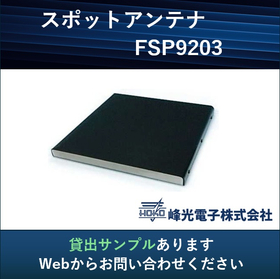
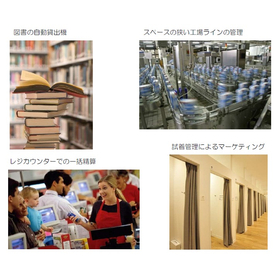
Read only the targeted medical device tags! Limit the reading range to reduce misreads.
- antenna
- Document and Data Management
- Storage shelves
A clear explanation of how to obtain a technical standards conformity certification!
To sell and use products that utilize wireless technology in Japan, it is necessary to obtain a national certification called "Technical Standards Conformity Certification (Giteki)." So, "how do you obtain Giteki?" 【Step 1】 What products require Giteki? Devices that communicate using wireless technology that emits radio waves are subject to this requirement, such as smartphones, Wi-Fi routers, Bluetooth earphones, wireless mice, wireless transceivers, IoT devices, etc. 【Step 2】 Where can you get the assessment done? The assessment for Giteki is conducted by a third-party organization recognized by the government, called a "Registered Certification Body." Examples include the Telecommunications Engineering Center (TELEC) and the Japan Maritime Bureau (JCI). 【Step 3】 What do you need to submit? For the assessment, you need to submit documents and samples such as the following, to check for "signal strength," "frequency accuracy," and "radio interference": Product technical specifications (such as frequency and output), circuit diagrams or design drawings, and the actual product (or prototype). 【Step 4】 If you pass the test, you will receive the "Giteki mark"! 【Step 5】 After that, you can freely sell and use the product!
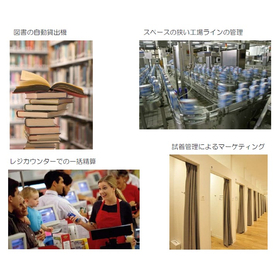
Accurately read only the targeted parts and transported items! Improving the accuracy of process management.
- antenna
- Document and Data Management
- Storage shelves
A clear explanation of how to obtain a technical standards conformity certification!
To sell and use products that utilize wireless technology in Japan, it is necessary to obtain a national certification called "Technical Standards Conformity Certification (Giteki)." So, "how do you obtain Giteki?" 【Step 1】 What products require Giteki? Devices that communicate using wireless technology that emits radio waves are subject to this requirement, such as smartphones, Wi-Fi routers, Bluetooth earphones, wireless mice, wireless transceivers, IoT devices, etc. 【Step 2】 Where can you get the assessment done? The assessment for Giteki is conducted by a third-party organization recognized by the government, called a "Registered Certification Body." Examples include the Telecommunications Engineering Center (TELEC) and the Japan Maritime Bureau (JCI). 【Step 3】 What do you need to submit? For the assessment, you need to submit documents and samples such as the following, to check for "signal strength," "frequency accuracy," and "radio interference": Product technical specifications (such as frequency and output), circuit diagrams or design drawings, and the actual product (or prototype). 【Step 4】 If you pass the test, you will receive the "Giteki mark"! 【Step 5】 After that, you can freely sell and use the product!
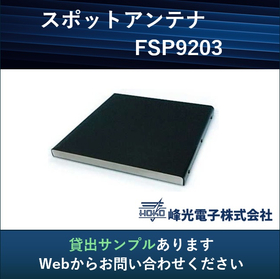
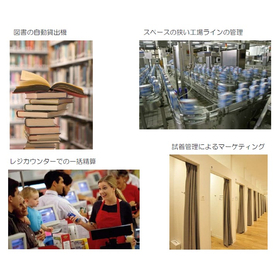
Read only the targeted RFID tags! Reduce misreading in automotive parts management.
- antenna
- Document and Data Management
- Storage shelves
A clear explanation of how to obtain a technical standards conformity certification!
To sell and use products that utilize wireless technology in Japan, it is necessary to obtain a national certification called "Technical Standards Conformity Certification (Giteki)." So, "how do you obtain Giteki?" 【Step 1】 What products require Giteki? Devices that communicate using wireless technology that emits radio waves are subject to this requirement, such as smartphones, Wi-Fi routers, Bluetooth earphones, wireless mice, wireless transceivers, IoT devices, etc. 【Step 2】 Where can you get the assessment done? The assessment for Giteki is conducted by a third-party organization recognized by the government, called a "Registered Certification Body." Examples include the Telecommunications Engineering Center (TELEC) and the Japan Maritime Bureau (JCI). 【Step 3】 What do you need to submit? For the assessment, you need to submit documents and samples such as the following, to check for "signal strength," "frequency accuracy," and "radio interference": Product technical specifications (such as frequency and output), circuit diagrams or design drawings, and the actual product (or prototype). 【Step 4】 If you pass the test, you will receive the "Giteki mark"! 【Step 5】 After that, you can freely sell and use the product!
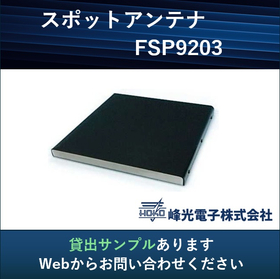
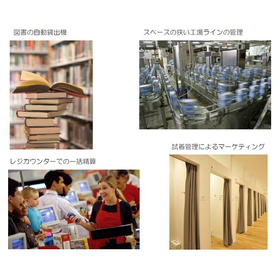
Perfect for managing display items! Accurately reads only the targeted RFID tags.
- antenna
- Document and Data Management
- Storage shelves
A clear explanation of how to obtain a technical standards conformity certification!
To sell and use products that utilize wireless technology in Japan, it is necessary to obtain a national certification called "Technical Standards Conformity Certification (Giteki)." So, "how do you obtain Giteki?" 【Step 1】 What products require Giteki? Devices that communicate using wireless technology that emits radio waves are subject to this requirement, such as smartphones, Wi-Fi routers, Bluetooth earphones, wireless mice, wireless transceivers, IoT devices, etc. 【Step 2】 Where can you get the assessment done? The assessment for Giteki is conducted by a third-party organization recognized by the government, called a "Registered Certification Body." Examples include the Telecommunications Engineering Center (TELEC) and the Japan Maritime Bureau (JCI). 【Step 3】 What do you need to submit? For the assessment, you need to submit documents and samples such as the following, to check for "signal strength," "frequency accuracy," and "radio interference": Product technical specifications (such as frequency and output), circuit diagrams or design drawings, and the actual product (or prototype). 【Step 4】 If you pass the test, you will receive the "Giteki mark"! 【Step 5】 After that, you can freely sell and use the product!
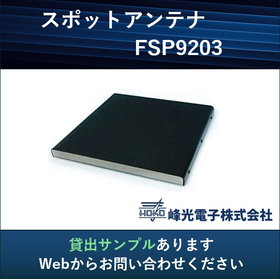
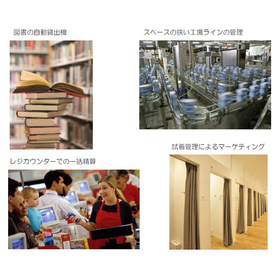
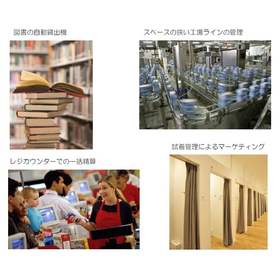
Accurately read only the targeted membership cards and product tags! Improving the accuracy of authentication operations.
- antenna
- Document and Data Management
- Storage shelves
A clear explanation of how to obtain a technical standards conformity certification!
To sell and use products that utilize wireless technology in Japan, it is necessary to obtain a national certification called "Technical Standards Conformity Certification (Giteki)." So, "how do you obtain Giteki?" 【Step 1】 What products require Giteki? Devices that communicate using wireless technology that emits radio waves are subject to this requirement, such as smartphones, Wi-Fi routers, Bluetooth earphones, wireless mice, wireless transceivers, IoT devices, etc. 【Step 2】 Where can you get the assessment done? The assessment for Giteki is conducted by a third-party organization recognized by the government, called a "Registered Certification Body." Examples include the Telecommunications Engineering Center (TELEC) and the Japan Maritime Bureau (JCI). 【Step 3】 What do you need to submit? For the assessment, you need to submit documents and samples such as the following, to check for "signal strength," "frequency accuracy," and "radio interference": Product technical specifications (such as frequency and output), circuit diagrams or design drawings, and the actual product (or prototype). 【Step 4】 If you pass the test, you will receive the "Giteki mark"! 【Step 5】 After that, you can freely sell and use the product!
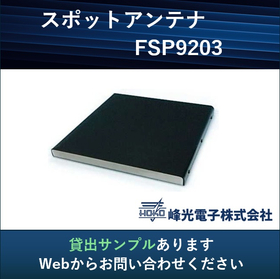
Read only the targeted RFID tags! Reduces misreading in inventory management.
- antenna
- Document and Data Management
- Storage shelves
A clear explanation of how to obtain a technical standards conformity certification!
To sell and use products that utilize wireless technology in Japan, it is necessary to obtain a national certification called "Technical Standards Conformity Certification (Giteki)." So, "how do you obtain Giteki?" 【Step 1】 What products require Giteki? Devices that communicate using wireless technology that emits radio waves are subject to this requirement, such as smartphones, Wi-Fi routers, Bluetooth earphones, wireless mice, wireless transceivers, IoT devices, etc. 【Step 2】 Where can you get the assessment done? The assessment for Giteki is conducted by a third-party organization recognized by the government, called a "Registered Certification Body." Examples include the Telecommunications Engineering Center (TELEC) and the Japan Maritime Bureau (JCI). 【Step 3】 What do you need to submit? For the assessment, you need to submit documents and samples such as the following, to check for "signal strength," "frequency accuracy," and "radio interference": Product technical specifications (such as frequency and output), circuit diagrams or design drawings, and the actual product (or prototype). 【Step 4】 If you pass the test, you will receive the "Giteki mark"! 【Step 5】 After that, you can freely sell and use the product!
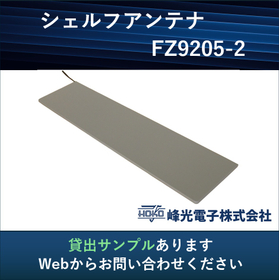
Streamlining high-value item management. Achieving real-time visualization at the shelf level.

- antenna
- Document and Data Management
- Storage shelves
What is an anechoic chamber? Is it really necessary?
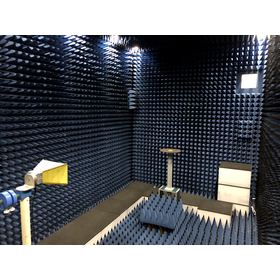
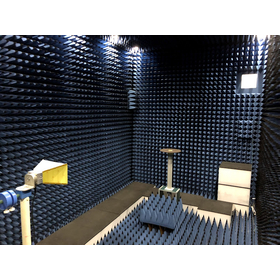
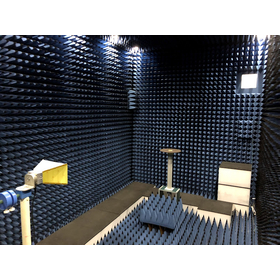
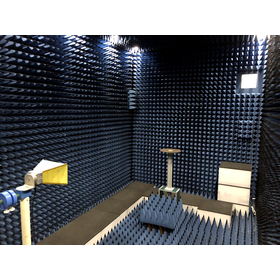
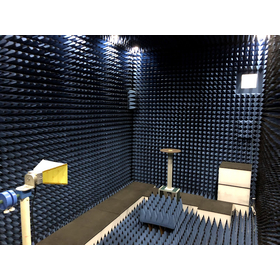
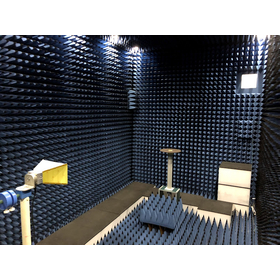
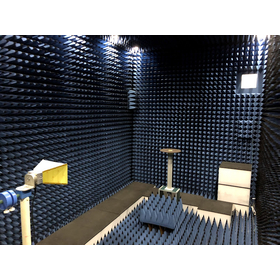
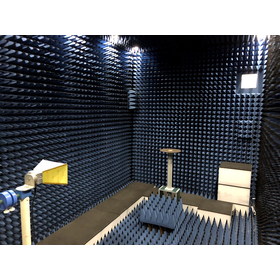
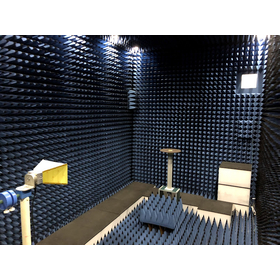
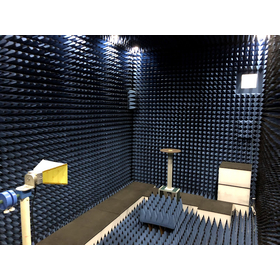
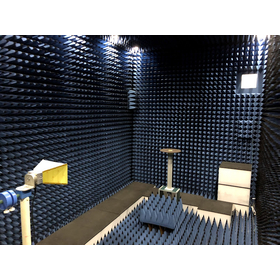
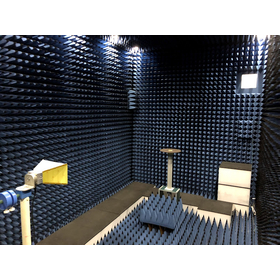
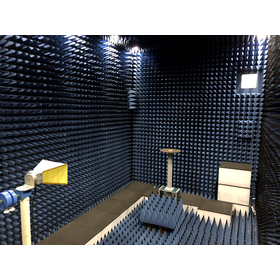
An anechoic chamber is a "special room" used to test the performance and safety of wireless devices. In a regular room, invisible waves from smartphones, Wi-Fi, and televisions are present, making it impossible to conduct accurate tests on devices. Therefore, an anechoic chamber is a special space that "completely shuts out external waves" and also ensures that "waves inside do not leak outside." When is it used? - Testing and inspection of wireless devices - Testing for obtaining technical standard conformity certification (Giteki) - Confirming that there is no interference from waves to other devices In other words, it is "an essential place for creating accurate and reliable wireless devices." What is the inside of the room like? - The walls, ceiling, and floor are covered with "sponge-like materials that absorb waves (wave-absorbing panels)." - The entire room is covered with a metal shield to prevent external waves from entering. Why is it so important? Wireless devices can significantly impact medical equipment, airplanes, and fire department radios, depending on where they are used. That is why it is crucial to thoroughly verify that they emit waves correctly and safely in a place free from external influences, which is the anechoic chamber.
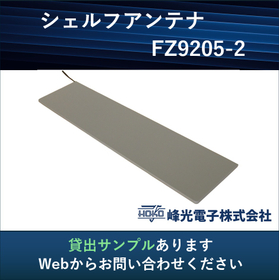
Real-time visualization of shelf management to prevent the loss of tools and hardware.

- antenna
- Document and Data Management
- Storage shelves
What is an anechoic chamber? Is it really necessary?
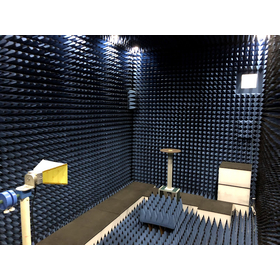
An anechoic chamber is a "special room" used to test the performance and safety of wireless devices. In a regular room, invisible waves from smartphones, Wi-Fi, and televisions are present, making it impossible to conduct accurate tests on devices. Therefore, an anechoic chamber is a special space that "completely shuts out external waves" and also ensures that "waves inside do not leak outside." When is it used? - Testing and inspection of wireless devices - Testing for obtaining technical standard conformity certification (Giteki) - Confirming that there is no interference from waves to other devices In other words, it is "an essential place for creating accurate and reliable wireless devices." What is the inside of the room like? - The walls, ceiling, and floor are covered with "sponge-like materials that absorb waves (wave-absorbing panels)." - The entire room is covered with a metal shield to prevent external waves from entering. Why is it so important? Wireless devices can significantly impact medical equipment, airplanes, and fire department radios, depending on where they are used. That is why it is crucial to thoroughly verify that they emit waves correctly and safely in a place free from external influences, which is the anechoic chamber.
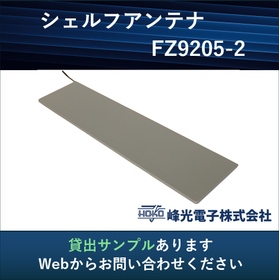
Streamlining pharmaceutical management with real-time visualization at the shelf unit level.

- antenna
- Storage shelves
- Document and Data Management
What is an anechoic chamber? Is it really necessary?
An anechoic chamber is a "special room" used to test the performance and safety of wireless devices. In a regular room, invisible waves from smartphones, Wi-Fi, and televisions are present, making it impossible to conduct accurate tests on devices. Therefore, an anechoic chamber is a special space that "completely shuts out external waves" and also ensures that "waves inside do not leak outside." When is it used? - Testing and inspection of wireless devices - Testing for obtaining technical standard conformity certification (Giteki) - Confirming that there is no interference from waves to other devices In other words, it is "an essential place for creating accurate and reliable wireless devices." What is the inside of the room like? - The walls, ceiling, and floor are covered with "sponge-like materials that absorb waves (wave-absorbing panels)." - The entire room is covered with a metal shield to prevent external waves from entering. Why is it so important? Wireless devices can significantly impact medical equipment, airplanes, and fire department radios, depending on where they are used. That is why it is crucial to thoroughly verify that they emit waves correctly and safely in a place free from external influences, which is the anechoic chamber.
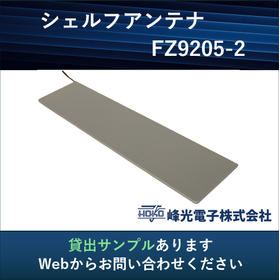
Streamlining equipment and inventory management through real-time visualization at the shelf level.

- antenna
- Document and Data Management
- Storage shelves
What is an anechoic chamber? Is it really necessary?
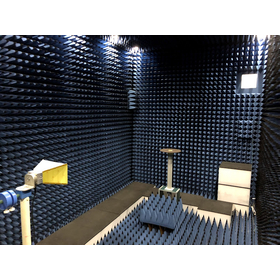
An anechoic chamber is a "special room" used to test the performance and safety of wireless devices. In a regular room, invisible waves from smartphones, Wi-Fi, and televisions are present, making it impossible to conduct accurate tests on devices. Therefore, an anechoic chamber is a special space that "completely shuts out external waves" and also ensures that "waves inside do not leak outside." When is it used? - Testing and inspection of wireless devices - Testing for obtaining technical standard conformity certification (Giteki) - Confirming that there is no interference from waves to other devices In other words, it is "an essential place for creating accurate and reliable wireless devices." What is the inside of the room like? - The walls, ceiling, and floor are covered with "sponge-like materials that absorb waves (wave-absorbing panels)." - The entire room is covered with a metal shield to prevent external waves from entering. Why is it so important? Wireless devices can significantly impact medical equipment, airplanes, and fire department radios, depending on where they are used. That is why it is crucial to thoroughly verify that they emit waves correctly and safely in a place free from external influences, which is the anechoic chamber.
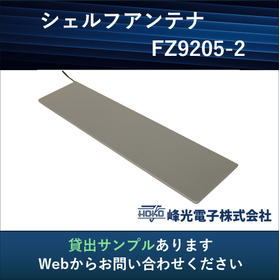
Streamlining cargo management with real-time visualization at the shelf unit level.

- antenna
- Document and Data Management
- Storage shelves
What is an anechoic chamber? Is it really necessary?
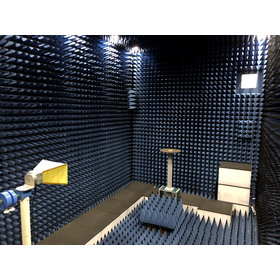
An anechoic chamber is a "special room" used to test the performance and safety of wireless devices. In a regular room, invisible waves from smartphones, Wi-Fi, and televisions are present, making it impossible to conduct accurate tests on devices. Therefore, an anechoic chamber is a special space that "completely shuts out external waves" and also ensures that "waves inside do not leak outside." When is it used? - Testing and inspection of wireless devices - Testing for obtaining technical standard conformity certification (Giteki) - Confirming that there is no interference from waves to other devices In other words, it is "an essential place for creating accurate and reliable wireless devices." What is the inside of the room like? - The walls, ceiling, and floor are covered with "sponge-like materials that absorb waves (wave-absorbing panels)." - The entire room is covered with a metal shield to prevent external waves from entering. Why is it so important? Wireless devices can significantly impact medical equipment, airplanes, and fire department radios, depending on where they are used. That is why it is crucial to thoroughly verify that they emit waves correctly and safely in a place free from external influences, which is the anechoic chamber.