
List of antenna products
- classification:antenna
16~30 item / All 690 items


It won't break even after 1 million repetitions! A mat switch with reliable operation, high durability, and low price. Suitable for options in machine tools as well. Please consult us about delivery t...
- Sensors


We can accommodate high resistance over 10,000 ohms, with diameters ranging from approximately 30 mm to 8 inches, and we also offer thinning and chip processing arrangements!
- Other semiconductors
- Processing Contract
- Wafer
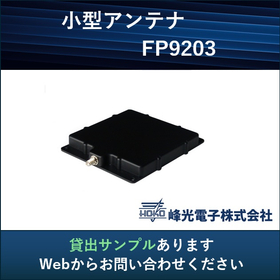

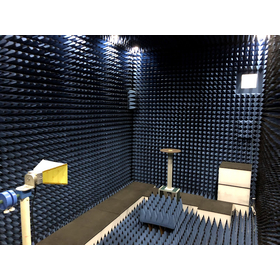
Compact left-handed circularly polarized antenna ideal for product certification!
- antenna
- Document and Data Management
- Entrance and exit control system

A clear explanation of how to obtain a technical standards conformity certification!
To sell and use products that utilize wireless technology in Japan, it is necessary to obtain a national certification called "Technical Standards Conformity Certification (Giteki)." So, "how do you obtain Giteki?" 【Step 1】 What products require Giteki? Devices that communicate using wireless technology that emits radio waves are subject to this requirement, such as smartphones, Wi-Fi routers, Bluetooth earphones, wireless mice, wireless transceivers, IoT devices, etc. 【Step 2】 Where can you get the assessment done? The assessment for Giteki is conducted by a third-party organization recognized by the government, called a "Registered Certification Body." Examples include the Telecommunications Engineering Center (TELEC) and the Japan Maritime Bureau (JCI). 【Step 3】 What do you need to submit? For the assessment, you need to submit documents and samples such as the following, to check for "signal strength," "frequency accuracy," and "radio interference": Product technical specifications (such as frequency and output), circuit diagrams or design drawings, and the actual product (or prototype). 【Step 4】 If you pass the test, you will receive the "Giteki mark"! 【Step 5】 After that, you can freely sell and use the product!


A vehicle-mounted IP radio that enables simultaneous calls with clear sound quality like a telephone, featuring a robust aluminum die-cast chassis designed for strength during emergencies such as disa...
- antenna
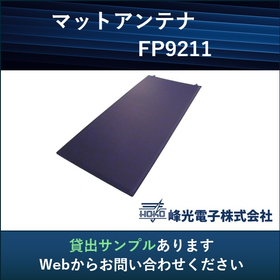
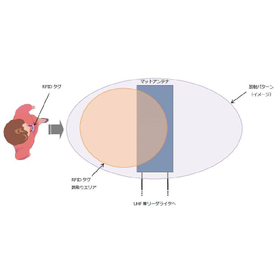
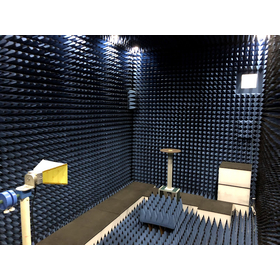
Ensure accurate recording of people and assets with a slim mat! Manage entry and exit smartly.
- antenna
- Entrance and exit control system
- Personal authentication
A clear explanation of how to obtain a technical standards conformity certification!
To sell and use products that utilize wireless technology in Japan, it is necessary to obtain a national certification called "Technical Standards Conformity Certification (Giteki)." So, "how do you obtain Giteki?" 【Step 1】 What products require Giteki? Devices that communicate using wireless technology that emits radio waves are subject to this requirement, such as smartphones, Wi-Fi routers, Bluetooth earphones, wireless mice, wireless transceivers, IoT devices, etc. 【Step 2】 Where can you get the assessment done? The assessment for Giteki is conducted by a third-party organization recognized by the government, called a "Registered Certification Body." Examples include the Telecommunications Engineering Center (TELEC) and the Japan Maritime Bureau (JCI). 【Step 3】 What do you need to submit? For the assessment, you need to submit documents and samples such as the following, to check for "signal strength," "frequency accuracy," and "radio interference": Product technical specifications (such as frequency and output), circuit diagrams or design drawings, and the actual product (or prototype). 【Step 4】 If you pass the test, you will receive the "Giteki mark"! 【Step 5】 After that, you can freely sell and use the product!
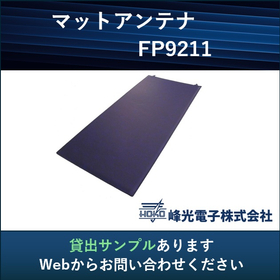
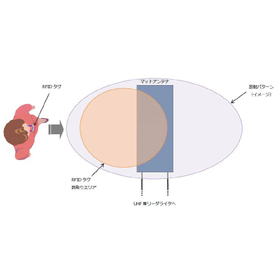
Slim, lightweight, and easy to install! RFID antenna that can be placed under carpets.
- antenna
- Entrance and exit control system
- Personal authentication
A clear explanation of how to obtain a technical standards conformity certification!
To sell and use products that utilize wireless technology in Japan, it is necessary to obtain a national certification called "Technical Standards Conformity Certification (Giteki)." So, "how do you obtain Giteki?" 【Step 1】 What products require Giteki? Devices that communicate using wireless technology that emits radio waves are subject to this requirement, such as smartphones, Wi-Fi routers, Bluetooth earphones, wireless mice, wireless transceivers, IoT devices, etc. 【Step 2】 Where can you get the assessment done? The assessment for Giteki is conducted by a third-party organization recognized by the government, called a "Registered Certification Body." Examples include the Telecommunications Engineering Center (TELEC) and the Japan Maritime Bureau (JCI). 【Step 3】 What do you need to submit? For the assessment, you need to submit documents and samples such as the following, to check for "signal strength," "frequency accuracy," and "radio interference": Product technical specifications (such as frequency and output), circuit diagrams or design drawings, and the actual product (or prototype). 【Step 4】 If you pass the test, you will receive the "Giteki mark"! 【Step 5】 After that, you can freely sell and use the product!
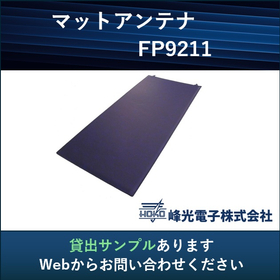
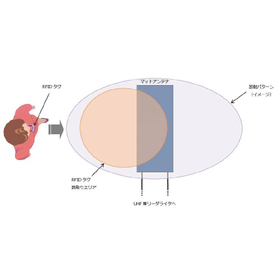
A super-thin mat antenna with a thickness of 5mm that facilitates the tracking of harvested goods.
- antenna
- Entrance and exit control system
- Personal authentication
A clear explanation of how to obtain a technical standards conformity certification!
To sell and use products that utilize wireless technology in Japan, it is necessary to obtain a national certification called "Technical Standards Conformity Certification (Giteki)." So, "how do you obtain Giteki?" 【Step 1】 What products require Giteki? Devices that communicate using wireless technology that emits radio waves are subject to this requirement, such as smartphones, Wi-Fi routers, Bluetooth earphones, wireless mice, wireless transceivers, IoT devices, etc. 【Step 2】 Where can you get the assessment done? The assessment for Giteki is conducted by a third-party organization recognized by the government, called a "Registered Certification Body." Examples include the Telecommunications Engineering Center (TELEC) and the Japan Maritime Bureau (JCI). 【Step 3】 What do you need to submit? For the assessment, you need to submit documents and samples such as the following, to check for "signal strength," "frequency accuracy," and "radio interference": Product technical specifications (such as frequency and output), circuit diagrams or design drawings, and the actual product (or prototype). 【Step 4】 If you pass the test, you will receive the "Giteki mark"! 【Step 5】 After that, you can freely sell and use the product!
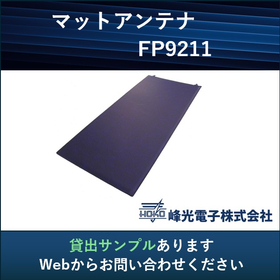
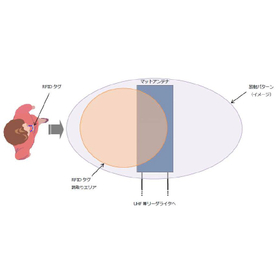
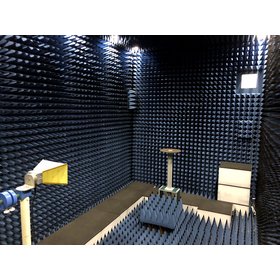
Slim and lightweight, easy to install! Streamlining material management at construction sites.
- antenna
- Entrance and exit control system
- Personal authentication
A clear explanation of how to obtain a technical standards conformity certification!
To sell and use products that utilize wireless technology in Japan, it is necessary to obtain a national certification called "Technical Standards Conformity Certification (Giteki)." So, "how do you obtain Giteki?" 【Step 1】 What products require Giteki? Devices that communicate using wireless technology that emits radio waves are subject to this requirement, such as smartphones, Wi-Fi routers, Bluetooth earphones, wireless mice, wireless transceivers, IoT devices, etc. 【Step 2】 Where can you get the assessment done? The assessment for Giteki is conducted by a third-party organization recognized by the government, called a "Registered Certification Body." Examples include the Telecommunications Engineering Center (TELEC) and the Japan Maritime Bureau (JCI). 【Step 3】 What do you need to submit? For the assessment, you need to submit documents and samples such as the following, to check for "signal strength," "frequency accuracy," and "radio interference": Product technical specifications (such as frequency and output), circuit diagrams or design drawings, and the actual product (or prototype). 【Step 4】 If you pass the test, you will receive the "Giteki mark"! 【Step 5】 After that, you can freely sell and use the product!
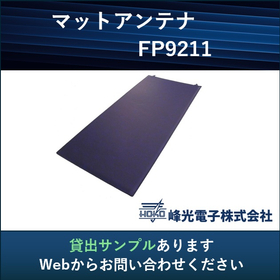
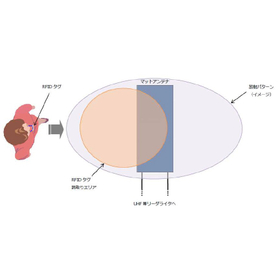
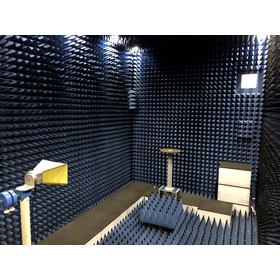
Streamline equipment and material passage management with a slim mat! RFID antenna that can be installed anywhere.
- antenna
- Entrance and exit control system
- Personal authentication
A clear explanation of how to obtain a technical standards conformity certification!
To sell and use products that utilize wireless technology in Japan, it is necessary to obtain a national certification called "Technical Standards Conformity Certification (Giteki)." So, "how do you obtain Giteki?" 【Step 1】 What products require Giteki? Devices that communicate using wireless technology that emits radio waves are subject to this requirement, such as smartphones, Wi-Fi routers, Bluetooth earphones, wireless mice, wireless transceivers, IoT devices, etc. 【Step 2】 Where can you get the assessment done? The assessment for Giteki is conducted by a third-party organization recognized by the government, called a "Registered Certification Body." Examples include the Telecommunications Engineering Center (TELEC) and the Japan Maritime Bureau (JCI). 【Step 3】 What do you need to submit? For the assessment, you need to submit documents and samples such as the following, to check for "signal strength," "frequency accuracy," and "radio interference": Product technical specifications (such as frequency and output), circuit diagrams or design drawings, and the actual product (or prototype). 【Step 4】 If you pass the test, you will receive the "Giteki mark"! 【Step 5】 After that, you can freely sell and use the product!
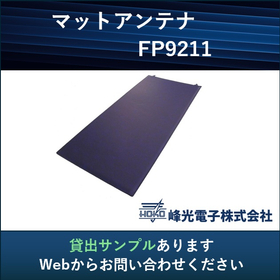
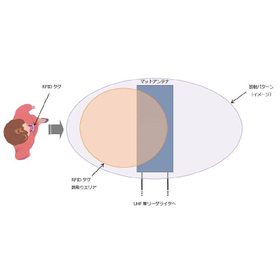
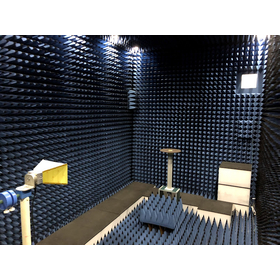
Slim, lightweight, and easy to install! Smart process tracking.
- antenna
- Entrance and exit control system
- Personal authentication
A clear explanation of how to obtain a technical standards conformity certification!
To sell and use products that utilize wireless technology in Japan, it is necessary to obtain a national certification called "Technical Standards Conformity Certification (Giteki)." So, "how do you obtain Giteki?" 【Step 1】 What products require Giteki? Devices that communicate using wireless technology that emits radio waves are subject to this requirement, such as smartphones, Wi-Fi routers, Bluetooth earphones, wireless mice, wireless transceivers, IoT devices, etc. 【Step 2】 Where can you get the assessment done? The assessment for Giteki is conducted by a third-party organization recognized by the government, called a "Registered Certification Body." Examples include the Telecommunications Engineering Center (TELEC) and the Japan Maritime Bureau (JCI). 【Step 3】 What do you need to submit? For the assessment, you need to submit documents and samples such as the following, to check for "signal strength," "frequency accuracy," and "radio interference": Product technical specifications (such as frequency and output), circuit diagrams or design drawings, and the actual product (or prototype). 【Step 4】 If you pass the test, you will receive the "Giteki mark"! 【Step 5】 After that, you can freely sell and use the product!
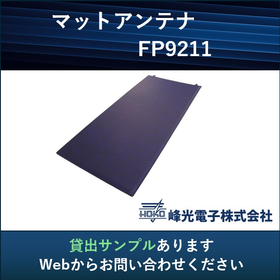
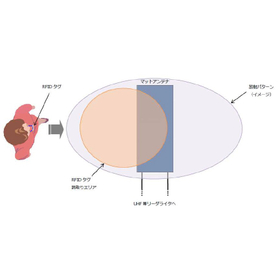
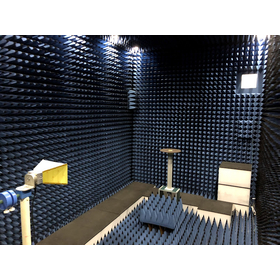
Streamline exhibit management with a thin mat! Can be installed under carpets.
- antenna
- Entrance and exit control system
- Personal authentication
A clear explanation of how to obtain a technical standards conformity certification!
To sell and use products that utilize wireless technology in Japan, it is necessary to obtain a national certification called "Technical Standards Conformity Certification (Giteki)." So, "how do you obtain Giteki?" 【Step 1】 What products require Giteki? Devices that communicate using wireless technology that emits radio waves are subject to this requirement, such as smartphones, Wi-Fi routers, Bluetooth earphones, wireless mice, wireless transceivers, IoT devices, etc. 【Step 2】 Where can you get the assessment done? The assessment for Giteki is conducted by a third-party organization recognized by the government, called a "Registered Certification Body." Examples include the Telecommunications Engineering Center (TELEC) and the Japan Maritime Bureau (JCI). 【Step 3】 What do you need to submit? For the assessment, you need to submit documents and samples such as the following, to check for "signal strength," "frequency accuracy," and "radio interference": Product technical specifications (such as frequency and output), circuit diagrams or design drawings, and the actual product (or prototype). 【Step 4】 If you pass the test, you will receive the "Giteki mark"! 【Step 5】 After that, you can freely sell and use the product!
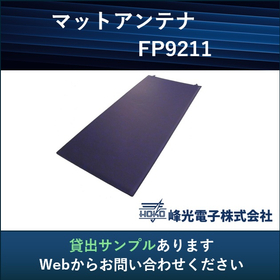
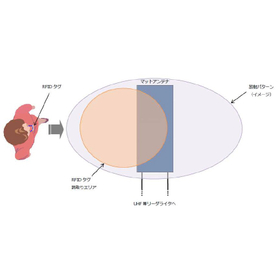
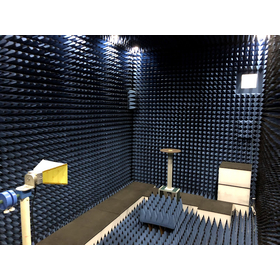
Ensure accurate recording of important asset passage with a slim mat! Highly flexible installation RFID antenna.
- antenna
- Entrance and exit control system
- Personal authentication
A clear explanation of how to obtain a technical standards conformity certification!
To sell and use products that utilize wireless technology in Japan, it is necessary to obtain a national certification called "Technical Standards Conformity Certification (Giteki)." So, "how do you obtain Giteki?" 【Step 1】 What products require Giteki? Devices that communicate using wireless technology that emits radio waves are subject to this requirement, such as smartphones, Wi-Fi routers, Bluetooth earphones, wireless mice, wireless transceivers, IoT devices, etc. 【Step 2】 Where can you get the assessment done? The assessment for Giteki is conducted by a third-party organization recognized by the government, called a "Registered Certification Body." Examples include the Telecommunications Engineering Center (TELEC) and the Japan Maritime Bureau (JCI). 【Step 3】 What do you need to submit? For the assessment, you need to submit documents and samples such as the following, to check for "signal strength," "frequency accuracy," and "radio interference": Product technical specifications (such as frequency and output), circuit diagrams or design drawings, and the actual product (or prototype). 【Step 4】 If you pass the test, you will receive the "Giteki mark"! 【Step 5】 After that, you can freely sell and use the product!
![[Medical Use] UHF Band RFID Mat Ant...](https://image.mono.ipros.com/public/product/image/2057660/IPROS12729632903460045977.jpg?w=280&h=280)
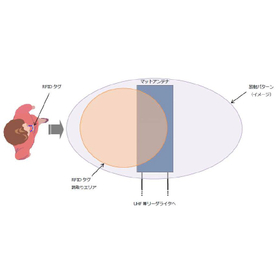
A thin, lightweight, and easy-to-install mat antenna for medical device management.
- antenna
- Entrance and exit control system
- Personal authentication
A clear explanation of how to obtain a technical standards conformity certification!
To sell and use products that utilize wireless technology in Japan, it is necessary to obtain a national certification called "Technical Standards Conformity Certification (Giteki)." So, "how do you obtain Giteki?" 【Step 1】 What products require Giteki? Devices that communicate using wireless technology that emits radio waves are subject to this requirement, such as smartphones, Wi-Fi routers, Bluetooth earphones, wireless mice, wireless transceivers, IoT devices, etc. 【Step 2】 Where can you get the assessment done? The assessment for Giteki is conducted by a third-party organization recognized by the government, called a "Registered Certification Body." Examples include the Telecommunications Engineering Center (TELEC) and the Japan Maritime Bureau (JCI). 【Step 3】 What do you need to submit? For the assessment, you need to submit documents and samples such as the following, to check for "signal strength," "frequency accuracy," and "radio interference": Product technical specifications (such as frequency and output), circuit diagrams or design drawings, and the actual product (or prototype). 【Step 4】 If you pass the test, you will receive the "Giteki mark"! 【Step 5】 After that, you can freely sell and use the product!
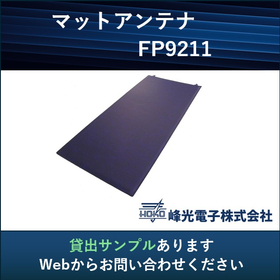
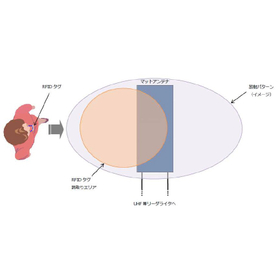
Detect transported items reliably with a thin mat! Flexible support for automated lines with floor installation.
- antenna
- Entrance and exit control system
- Personal authentication
A clear explanation of how to obtain a technical standards conformity certification!
To sell and use products that utilize wireless technology in Japan, it is necessary to obtain a national certification called "Technical Standards Conformity Certification (Giteki)." So, "how do you obtain Giteki?" 【Step 1】 What products require Giteki? Devices that communicate using wireless technology that emits radio waves are subject to this requirement, such as smartphones, Wi-Fi routers, Bluetooth earphones, wireless mice, wireless transceivers, IoT devices, etc. 【Step 2】 Where can you get the assessment done? The assessment for Giteki is conducted by a third-party organization recognized by the government, called a "Registered Certification Body." Examples include the Telecommunications Engineering Center (TELEC) and the Japan Maritime Bureau (JCI). 【Step 3】 What do you need to submit? For the assessment, you need to submit documents and samples such as the following, to check for "signal strength," "frequency accuracy," and "radio interference": Product technical specifications (such as frequency and output), circuit diagrams or design drawings, and the actual product (or prototype). 【Step 4】 If you pass the test, you will receive the "Giteki mark"! 【Step 5】 After that, you can freely sell and use the product!
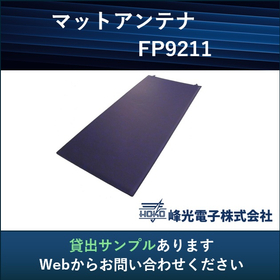
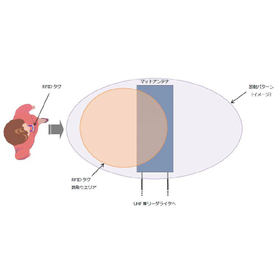
Easy to install with a slim mat! It streamlines the management of automotive parts.
- antenna
- Entrance and exit control system
- Personal authentication
A clear explanation of how to obtain a technical standards conformity certification!
To sell and use products that utilize wireless technology in Japan, it is necessary to obtain a national certification called "Technical Standards Conformity Certification (Giteki)." So, "how do you obtain Giteki?" 【Step 1】 What products require Giteki? Devices that communicate using wireless technology that emits radio waves are subject to this requirement, such as smartphones, Wi-Fi routers, Bluetooth earphones, wireless mice, wireless transceivers, IoT devices, etc. 【Step 2】 Where can you get the assessment done? The assessment for Giteki is conducted by a third-party organization recognized by the government, called a "Registered Certification Body." Examples include the Telecommunications Engineering Center (TELEC) and the Japan Maritime Bureau (JCI). 【Step 3】 What do you need to submit? For the assessment, you need to submit documents and samples such as the following, to check for "signal strength," "frequency accuracy," and "radio interference": Product technical specifications (such as frequency and output), circuit diagrams or design drawings, and the actual product (or prototype). 【Step 4】 If you pass the test, you will receive the "Giteki mark"! 【Step 5】 After that, you can freely sell and use the product!
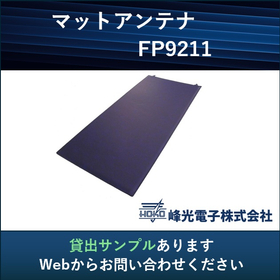
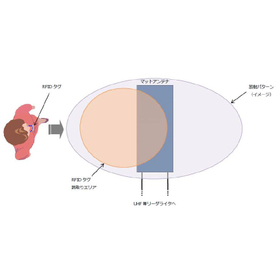
Can be installed under the carpet! Slim and lightweight for efficient book management.
- antenna
- Entrance and exit control system
- Personal authentication
A clear explanation of how to obtain a technical standards conformity certification!
To sell and use products that utilize wireless technology in Japan, it is necessary to obtain a national certification called "Technical Standards Conformity Certification (Giteki)." So, "how do you obtain Giteki?" 【Step 1】 What products require Giteki? Devices that communicate using wireless technology that emits radio waves are subject to this requirement, such as smartphones, Wi-Fi routers, Bluetooth earphones, wireless mice, wireless transceivers, IoT devices, etc. 【Step 2】 Where can you get the assessment done? The assessment for Giteki is conducted by a third-party organization recognized by the government, called a "Registered Certification Body." Examples include the Telecommunications Engineering Center (TELEC) and the Japan Maritime Bureau (JCI). 【Step 3】 What do you need to submit? For the assessment, you need to submit documents and samples such as the following, to check for "signal strength," "frequency accuracy," and "radio interference": Product technical specifications (such as frequency and output), circuit diagrams or design drawings, and the actual product (or prototype). 【Step 4】 If you pass the test, you will receive the "Giteki mark"! 【Step 5】 After that, you can freely sell and use the product!
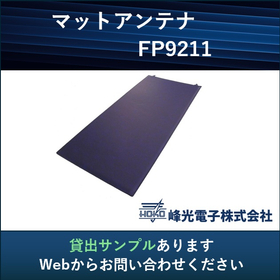
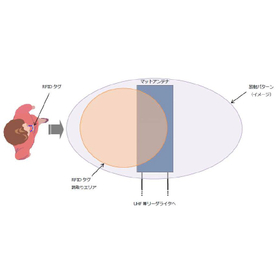
Smooth time measurement with a thin mat! Installation under the carpet is also possible.
- antenna
- Entrance and exit control system
- Personal authentication
A clear explanation of how to obtain a technical standards conformity certification!
To sell and use products that utilize wireless technology in Japan, it is necessary to obtain a national certification called "Technical Standards Conformity Certification (Giteki)." So, "how do you obtain Giteki?" 【Step 1】 What products require Giteki? Devices that communicate using wireless technology that emits radio waves are subject to this requirement, such as smartphones, Wi-Fi routers, Bluetooth earphones, wireless mice, wireless transceivers, IoT devices, etc. 【Step 2】 Where can you get the assessment done? The assessment for Giteki is conducted by a third-party organization recognized by the government, called a "Registered Certification Body." Examples include the Telecommunications Engineering Center (TELEC) and the Japan Maritime Bureau (JCI). 【Step 3】 What do you need to submit? For the assessment, you need to submit documents and samples such as the following, to check for "signal strength," "frequency accuracy," and "radio interference": Product technical specifications (such as frequency and output), circuit diagrams or design drawings, and the actual product (or prototype). 【Step 4】 If you pass the test, you will receive the "Giteki mark"! 【Step 5】 After that, you can freely sell and use the product!