
List of Entrance and exit control system products
- classification:Entrance and exit control system
136~180 item / All 1231 items


It won't break even after 1 million repetitions! A mat switch with reliable operation, high durability, and low price. Suitable for options in machine tools as well. Please consult us about delivery t...
- Sensors


We can accommodate high resistance over 10,000 ohms, with diameters ranging from approximately 30 mm to 8 inches, and we also offer thinning and chip processing arrangements!
- Other semiconductors
- Processing Contract
- Wafer


IoT transformation with EdgeAI smart devices! Achieving digital transformation in offices, factories, and schools with flexible access control.
- Entrance and exit control system


Achieving cost reduction for management companies and ensuring safety and convenience for residents in two modes!
- Entrance and exit control system
- Other security
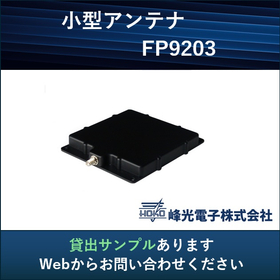

A space-saving left-handed circularly polarized antenna that contributes to expiration date management.
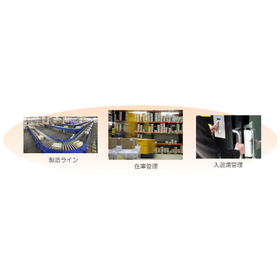
- antenna
- Document and Data Management
- Entrance and exit control system

A clear explanation of how to obtain a technical standards conformity certification!
To sell and use products that utilize wireless technology in Japan, it is necessary to obtain a national certification called "Technical Standards Conformity Certification (Giteki)." So, "how do you obtain Giteki?" 【Step 1】 What products require Giteki? Devices that communicate using wireless technology that emits radio waves are subject to this requirement, such as smartphones, Wi-Fi routers, Bluetooth earphones, wireless mice, wireless transceivers, IoT devices, etc. 【Step 2】 Where can you get the assessment done? The assessment for Giteki is conducted by a third-party organization recognized by the government, called a "Registered Certification Body." Examples include the Telecommunications Engineering Center (TELEC) and the Japan Maritime Bureau (JCI). 【Step 3】 What do you need to submit? For the assessment, you need to submit documents and samples such as the following, to check for "signal strength," "frequency accuracy," and "radio interference": Product technical specifications (such as frequency and output), circuit diagrams or design drawings, and the actual product (or prototype). 【Step 4】 If you pass the test, you will receive the "Giteki mark"! 【Step 5】 After that, you can freely sell and use the product!
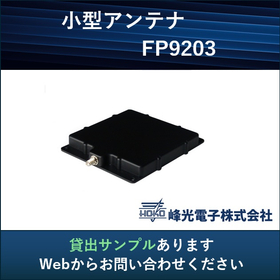
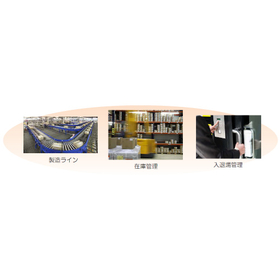
Ideal for agricultural machinery management! RFID antenna that can be installed in a space-saving manner.
- antenna
- Document and Data Management
- Entrance and exit control system
A clear explanation of how to obtain a technical standards conformity certification!
To sell and use products that utilize wireless technology in Japan, it is necessary to obtain a national certification called "Technical Standards Conformity Certification (Giteki)." So, "how do you obtain Giteki?" 【Step 1】 What products require Giteki? Devices that communicate using wireless technology that emits radio waves are subject to this requirement, such as smartphones, Wi-Fi routers, Bluetooth earphones, wireless mice, wireless transceivers, IoT devices, etc. 【Step 2】 Where can you get the assessment done? The assessment for Giteki is conducted by a third-party organization recognized by the government, called a "Registered Certification Body." Examples include the Telecommunications Engineering Center (TELEC) and the Japan Maritime Bureau (JCI). 【Step 3】 What do you need to submit? For the assessment, you need to submit documents and samples such as the following, to check for "signal strength," "frequency accuracy," and "radio interference": Product technical specifications (such as frequency and output), circuit diagrams or design drawings, and the actual product (or prototype). 【Step 4】 If you pass the test, you will receive the "Giteki mark"! 【Step 5】 After that, you can freely sell and use the product!
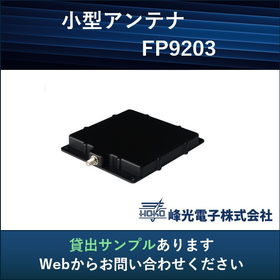
A compact left-handed circularly polarized antenna that streamlines the management of equipment and maintenance materials!
- antenna
- Document and Data Management
- Entrance and exit control system
A clear explanation of how to obtain a technical standards conformity certification!
To sell and use products that utilize wireless technology in Japan, it is necessary to obtain a national certification called "Technical Standards Conformity Certification (Giteki)." So, "how do you obtain Giteki?" 【Step 1】 What products require Giteki? Devices that communicate using wireless technology that emits radio waves are subject to this requirement, such as smartphones, Wi-Fi routers, Bluetooth earphones, wireless mice, wireless transceivers, IoT devices, etc. 【Step 2】 Where can you get the assessment done? The assessment for Giteki is conducted by a third-party organization recognized by the government, called a "Registered Certification Body." Examples include the Telecommunications Engineering Center (TELEC) and the Japan Maritime Bureau (JCI). 【Step 3】 What do you need to submit? For the assessment, you need to submit documents and samples such as the following, to check for "signal strength," "frequency accuracy," and "radio interference": Product technical specifications (such as frequency and output), circuit diagrams or design drawings, and the actual product (or prototype). 【Step 4】 If you pass the test, you will receive the "Giteki mark"! 【Step 5】 After that, you can freely sell and use the product!
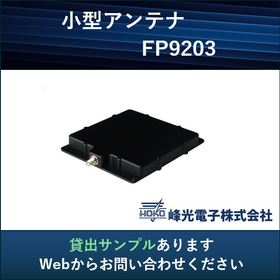
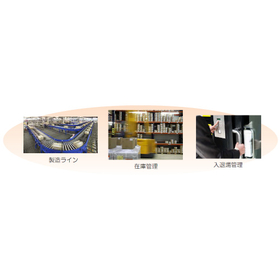
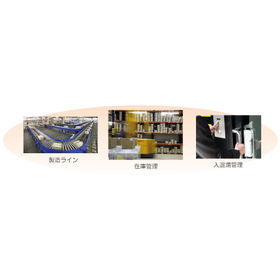
Streamlining process management with a compact RFID antenna that achieves space-saving.
- antenna
- Document and Data Management
- Entrance and exit control system
A clear explanation of how to obtain a technical standards conformity certification!
To sell and use products that utilize wireless technology in Japan, it is necessary to obtain a national certification called "Technical Standards Conformity Certification (Giteki)." So, "how do you obtain Giteki?" 【Step 1】 What products require Giteki? Devices that communicate using wireless technology that emits radio waves are subject to this requirement, such as smartphones, Wi-Fi routers, Bluetooth earphones, wireless mice, wireless transceivers, IoT devices, etc. 【Step 2】 Where can you get the assessment done? The assessment for Giteki is conducted by a third-party organization recognized by the government, called a "Registered Certification Body." Examples include the Telecommunications Engineering Center (TELEC) and the Japan Maritime Bureau (JCI). 【Step 3】 What do you need to submit? For the assessment, you need to submit documents and samples such as the following, to check for "signal strength," "frequency accuracy," and "radio interference": Product technical specifications (such as frequency and output), circuit diagrams or design drawings, and the actual product (or prototype). 【Step 4】 If you pass the test, you will receive the "Giteki mark"! 【Step 5】 After that, you can freely sell and use the product!
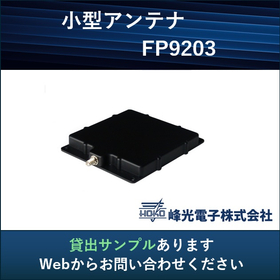
A small left-handed circularly polarized antenna that supports the individual management of important components!
- antenna
- Document and Data Management
- Entrance and exit control system
A clear explanation of how to obtain a technical standards conformity certification!
To sell and use products that utilize wireless technology in Japan, it is necessary to obtain a national certification called "Technical Standards Conformity Certification (Giteki)." So, "how do you obtain Giteki?" 【Step 1】 What products require Giteki? Devices that communicate using wireless technology that emits radio waves are subject to this requirement, such as smartphones, Wi-Fi routers, Bluetooth earphones, wireless mice, wireless transceivers, IoT devices, etc. 【Step 2】 Where can you get the assessment done? The assessment for Giteki is conducted by a third-party organization recognized by the government, called a "Registered Certification Body." Examples include the Telecommunications Engineering Center (TELEC) and the Japan Maritime Bureau (JCI). 【Step 3】 What do you need to submit? For the assessment, you need to submit documents and samples such as the following, to check for "signal strength," "frequency accuracy," and "radio interference": Product technical specifications (such as frequency and output), circuit diagrams or design drawings, and the actual product (or prototype). 【Step 4】 If you pass the test, you will receive the "Giteki mark"! 【Step 5】 After that, you can freely sell and use the product!
![[Medical Use] UHF Band RFID Small A...](https://image.mono.ipros.com/public/product/image/2057660/IPROS643542527839897612.jpg?w=280&h=280)
Space-saving left-handed circularly polarized antenna contributing to medical device management.
- antenna
- Document and Data Management
- Entrance and exit control system
A clear explanation of how to obtain a technical standards conformity certification!
To sell and use products that utilize wireless technology in Japan, it is necessary to obtain a national certification called "Technical Standards Conformity Certification (Giteki)." So, "how do you obtain Giteki?" 【Step 1】 What products require Giteki? Devices that communicate using wireless technology that emits radio waves are subject to this requirement, such as smartphones, Wi-Fi routers, Bluetooth earphones, wireless mice, wireless transceivers, IoT devices, etc. 【Step 2】 Where can you get the assessment done? The assessment for Giteki is conducted by a third-party organization recognized by the government, called a "Registered Certification Body." Examples include the Telecommunications Engineering Center (TELEC) and the Japan Maritime Bureau (JCI). 【Step 3】 What do you need to submit? For the assessment, you need to submit documents and samples such as the following, to check for "signal strength," "frequency accuracy," and "radio interference": Product technical specifications (such as frequency and output), circuit diagrams or design drawings, and the actual product (or prototype). 【Step 4】 If you pass the test, you will receive the "Giteki mark"! 【Step 5】 After that, you can freely sell and use the product!
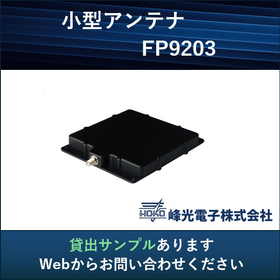
A compact left-handed circularly polarized antenna ideal for identification and process management within equipment!
- antenna
- Document and Data Management
- Entrance and exit control system
A clear explanation of how to obtain a technical standards conformity certification!
To sell and use products that utilize wireless technology in Japan, it is necessary to obtain a national certification called "Technical Standards Conformity Certification (Giteki)." So, "how do you obtain Giteki?" 【Step 1】 What products require Giteki? Devices that communicate using wireless technology that emits radio waves are subject to this requirement, such as smartphones, Wi-Fi routers, Bluetooth earphones, wireless mice, wireless transceivers, IoT devices, etc. 【Step 2】 Where can you get the assessment done? The assessment for Giteki is conducted by a third-party organization recognized by the government, called a "Registered Certification Body." Examples include the Telecommunications Engineering Center (TELEC) and the Japan Maritime Bureau (JCI). 【Step 3】 What do you need to submit? For the assessment, you need to submit documents and samples such as the following, to check for "signal strength," "frequency accuracy," and "radio interference": Product technical specifications (such as frequency and output), circuit diagrams or design drawings, and the actual product (or prototype). 【Step 4】 If you pass the test, you will receive the "Giteki mark"! 【Step 5】 After that, you can freely sell and use the product!
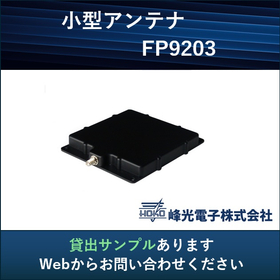
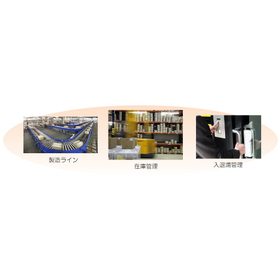
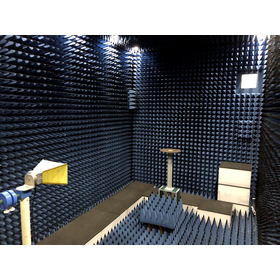
Compact RFID antenna that achieves space-saving! Ideal for parts management.
- antenna
- Document and Data Management
- Entrance and exit control system
A clear explanation of how to obtain a technical standards conformity certification!
To sell and use products that utilize wireless technology in Japan, it is necessary to obtain a national certification called "Technical Standards Conformity Certification (Giteki)." So, "how do you obtain Giteki?" 【Step 1】 What products require Giteki? Devices that communicate using wireless technology that emits radio waves are subject to this requirement, such as smartphones, Wi-Fi routers, Bluetooth earphones, wireless mice, wireless transceivers, IoT devices, etc. 【Step 2】 Where can you get the assessment done? The assessment for Giteki is conducted by a third-party organization recognized by the government, called a "Registered Certification Body." Examples include the Telecommunications Engineering Center (TELEC) and the Japan Maritime Bureau (JCI). 【Step 3】 What do you need to submit? For the assessment, you need to submit documents and samples such as the following, to check for "signal strength," "frequency accuracy," and "radio interference": Product technical specifications (such as frequency and output), circuit diagrams or design drawings, and the actual product (or prototype). 【Step 4】 If you pass the test, you will receive the "Giteki mark"! 【Step 5】 After that, you can freely sell and use the product!
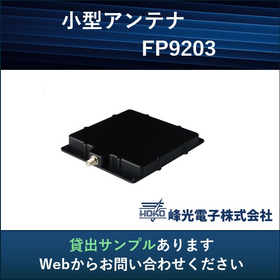
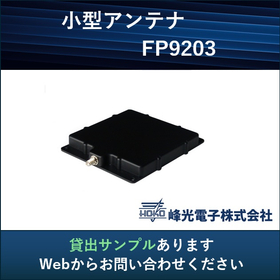
A compact left-handed circularly polarized antenna that streamlines member management and item authentication!
- antenna
- Document and Data Management
- Entrance and exit control system
A clear explanation of how to obtain a technical standards conformity certification!
To sell and use products that utilize wireless technology in Japan, it is necessary to obtain a national certification called "Technical Standards Conformity Certification (Giteki)." So, "how do you obtain Giteki?" 【Step 1】 What products require Giteki? Devices that communicate using wireless technology that emits radio waves are subject to this requirement, such as smartphones, Wi-Fi routers, Bluetooth earphones, wireless mice, wireless transceivers, IoT devices, etc. 【Step 2】 Where can you get the assessment done? The assessment for Giteki is conducted by a third-party organization recognized by the government, called a "Registered Certification Body." Examples include the Telecommunications Engineering Center (TELEC) and the Japan Maritime Bureau (JCI). 【Step 3】 What do you need to submit? For the assessment, you need to submit documents and samples such as the following, to check for "signal strength," "frequency accuracy," and "radio interference": Product technical specifications (such as frequency and output), circuit diagrams or design drawings, and the actual product (or prototype). 【Step 4】 If you pass the test, you will receive the "Giteki mark"! 【Step 5】 After that, you can freely sell and use the product!
Compact left-handed circularly polarized antenna ideal for product certification!
- antenna
- Document and Data Management
- Entrance and exit control system
A clear explanation of how to obtain a technical standards conformity certification!
To sell and use products that utilize wireless technology in Japan, it is necessary to obtain a national certification called "Technical Standards Conformity Certification (Giteki)." So, "how do you obtain Giteki?" 【Step 1】 What products require Giteki? Devices that communicate using wireless technology that emits radio waves are subject to this requirement, such as smartphones, Wi-Fi routers, Bluetooth earphones, wireless mice, wireless transceivers, IoT devices, etc. 【Step 2】 Where can you get the assessment done? The assessment for Giteki is conducted by a third-party organization recognized by the government, called a "Registered Certification Body." Examples include the Telecommunications Engineering Center (TELEC) and the Japan Maritime Bureau (JCI). 【Step 3】 What do you need to submit? For the assessment, you need to submit documents and samples such as the following, to check for "signal strength," "frequency accuracy," and "radio interference": Product technical specifications (such as frequency and output), circuit diagrams or design drawings, and the actual product (or prototype). 【Step 4】 If you pass the test, you will receive the "Giteki mark"! 【Step 5】 After that, you can freely sell and use the product!
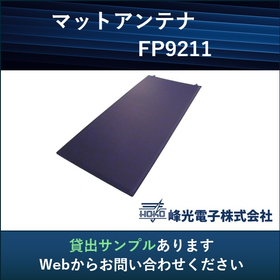
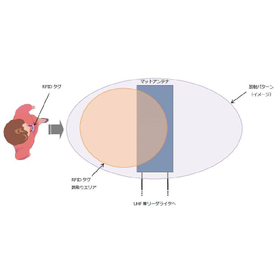
Ensure accurate recording of people and assets with a slim mat! Manage entry and exit smartly.
- antenna
- Entrance and exit control system
- Personal authentication
A clear explanation of how to obtain a technical standards conformity certification!
To sell and use products that utilize wireless technology in Japan, it is necessary to obtain a national certification called "Technical Standards Conformity Certification (Giteki)." So, "how do you obtain Giteki?" 【Step 1】 What products require Giteki? Devices that communicate using wireless technology that emits radio waves are subject to this requirement, such as smartphones, Wi-Fi routers, Bluetooth earphones, wireless mice, wireless transceivers, IoT devices, etc. 【Step 2】 Where can you get the assessment done? The assessment for Giteki is conducted by a third-party organization recognized by the government, called a "Registered Certification Body." Examples include the Telecommunications Engineering Center (TELEC) and the Japan Maritime Bureau (JCI). 【Step 3】 What do you need to submit? For the assessment, you need to submit documents and samples such as the following, to check for "signal strength," "frequency accuracy," and "radio interference": Product technical specifications (such as frequency and output), circuit diagrams or design drawings, and the actual product (or prototype). 【Step 4】 If you pass the test, you will receive the "Giteki mark"! 【Step 5】 After that, you can freely sell and use the product!
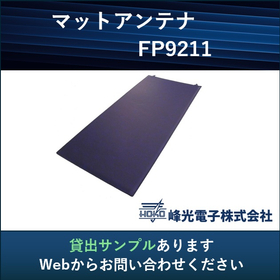
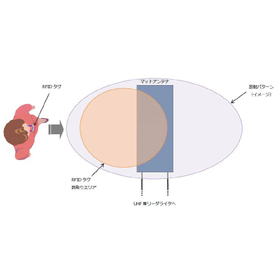
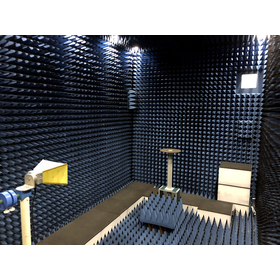
Slim, lightweight, and easy to install! RFID antenna that can be placed under carpets.
- antenna
- Entrance and exit control system
- Personal authentication
A clear explanation of how to obtain a technical standards conformity certification!
To sell and use products that utilize wireless technology in Japan, it is necessary to obtain a national certification called "Technical Standards Conformity Certification (Giteki)." So, "how do you obtain Giteki?" 【Step 1】 What products require Giteki? Devices that communicate using wireless technology that emits radio waves are subject to this requirement, such as smartphones, Wi-Fi routers, Bluetooth earphones, wireless mice, wireless transceivers, IoT devices, etc. 【Step 2】 Where can you get the assessment done? The assessment for Giteki is conducted by a third-party organization recognized by the government, called a "Registered Certification Body." Examples include the Telecommunications Engineering Center (TELEC) and the Japan Maritime Bureau (JCI). 【Step 3】 What do you need to submit? For the assessment, you need to submit documents and samples such as the following, to check for "signal strength," "frequency accuracy," and "radio interference": Product technical specifications (such as frequency and output), circuit diagrams or design drawings, and the actual product (or prototype). 【Step 4】 If you pass the test, you will receive the "Giteki mark"! 【Step 5】 After that, you can freely sell and use the product!
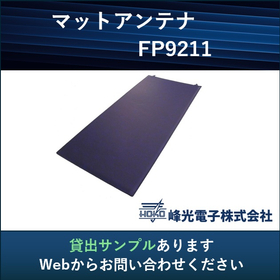
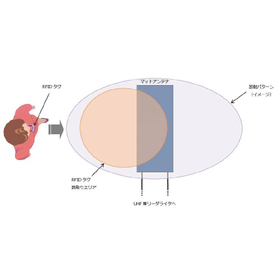
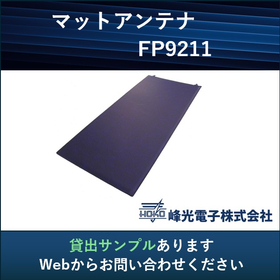
A super-thin mat antenna with a thickness of 5mm that facilitates the tracking of harvested goods.
- antenna
- Entrance and exit control system
- Personal authentication
A clear explanation of how to obtain a technical standards conformity certification!
To sell and use products that utilize wireless technology in Japan, it is necessary to obtain a national certification called "Technical Standards Conformity Certification (Giteki)." So, "how do you obtain Giteki?" 【Step 1】 What products require Giteki? Devices that communicate using wireless technology that emits radio waves are subject to this requirement, such as smartphones, Wi-Fi routers, Bluetooth earphones, wireless mice, wireless transceivers, IoT devices, etc. 【Step 2】 Where can you get the assessment done? The assessment for Giteki is conducted by a third-party organization recognized by the government, called a "Registered Certification Body." Examples include the Telecommunications Engineering Center (TELEC) and the Japan Maritime Bureau (JCI). 【Step 3】 What do you need to submit? For the assessment, you need to submit documents and samples such as the following, to check for "signal strength," "frequency accuracy," and "radio interference": Product technical specifications (such as frequency and output), circuit diagrams or design drawings, and the actual product (or prototype). 【Step 4】 If you pass the test, you will receive the "Giteki mark"! 【Step 5】 After that, you can freely sell and use the product!
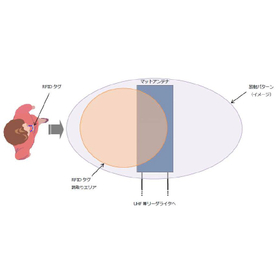
Slim and lightweight, easy to install! Streamlining material management at construction sites.
- antenna
- Entrance and exit control system
- Personal authentication
A clear explanation of how to obtain a technical standards conformity certification!
To sell and use products that utilize wireless technology in Japan, it is necessary to obtain a national certification called "Technical Standards Conformity Certification (Giteki)." So, "how do you obtain Giteki?" 【Step 1】 What products require Giteki? Devices that communicate using wireless technology that emits radio waves are subject to this requirement, such as smartphones, Wi-Fi routers, Bluetooth earphones, wireless mice, wireless transceivers, IoT devices, etc. 【Step 2】 Where can you get the assessment done? The assessment for Giteki is conducted by a third-party organization recognized by the government, called a "Registered Certification Body." Examples include the Telecommunications Engineering Center (TELEC) and the Japan Maritime Bureau (JCI). 【Step 3】 What do you need to submit? For the assessment, you need to submit documents and samples such as the following, to check for "signal strength," "frequency accuracy," and "radio interference": Product technical specifications (such as frequency and output), circuit diagrams or design drawings, and the actual product (or prototype). 【Step 4】 If you pass the test, you will receive the "Giteki mark"! 【Step 5】 After that, you can freely sell and use the product!
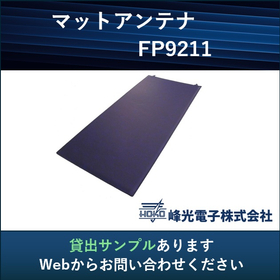
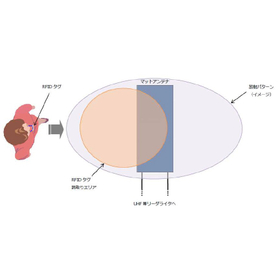
Streamline equipment and material passage management with a slim mat! RFID antenna that can be installed anywhere.
- antenna
- Entrance and exit control system
- Personal authentication
A clear explanation of how to obtain a technical standards conformity certification!
To sell and use products that utilize wireless technology in Japan, it is necessary to obtain a national certification called "Technical Standards Conformity Certification (Giteki)." So, "how do you obtain Giteki?" 【Step 1】 What products require Giteki? Devices that communicate using wireless technology that emits radio waves are subject to this requirement, such as smartphones, Wi-Fi routers, Bluetooth earphones, wireless mice, wireless transceivers, IoT devices, etc. 【Step 2】 Where can you get the assessment done? The assessment for Giteki is conducted by a third-party organization recognized by the government, called a "Registered Certification Body." Examples include the Telecommunications Engineering Center (TELEC) and the Japan Maritime Bureau (JCI). 【Step 3】 What do you need to submit? For the assessment, you need to submit documents and samples such as the following, to check for "signal strength," "frequency accuracy," and "radio interference": Product technical specifications (such as frequency and output), circuit diagrams or design drawings, and the actual product (or prototype). 【Step 4】 If you pass the test, you will receive the "Giteki mark"! 【Step 5】 After that, you can freely sell and use the product!
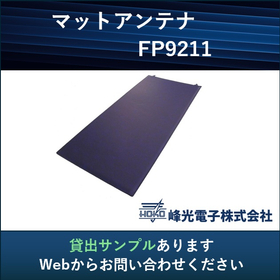
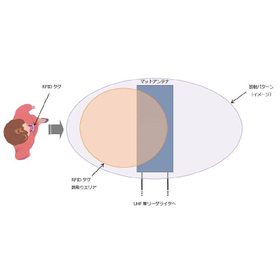
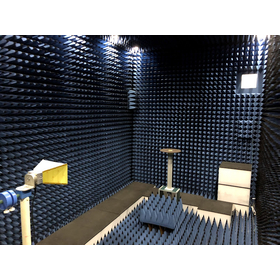
Slim, lightweight, and easy to install! Smart process tracking.
- antenna
- Entrance and exit control system
- Personal authentication
A clear explanation of how to obtain a technical standards conformity certification!
To sell and use products that utilize wireless technology in Japan, it is necessary to obtain a national certification called "Technical Standards Conformity Certification (Giteki)." So, "how do you obtain Giteki?" 【Step 1】 What products require Giteki? Devices that communicate using wireless technology that emits radio waves are subject to this requirement, such as smartphones, Wi-Fi routers, Bluetooth earphones, wireless mice, wireless transceivers, IoT devices, etc. 【Step 2】 Where can you get the assessment done? The assessment for Giteki is conducted by a third-party organization recognized by the government, called a "Registered Certification Body." Examples include the Telecommunications Engineering Center (TELEC) and the Japan Maritime Bureau (JCI). 【Step 3】 What do you need to submit? For the assessment, you need to submit documents and samples such as the following, to check for "signal strength," "frequency accuracy," and "radio interference": Product technical specifications (such as frequency and output), circuit diagrams or design drawings, and the actual product (or prototype). 【Step 4】 If you pass the test, you will receive the "Giteki mark"! 【Step 5】 After that, you can freely sell and use the product!
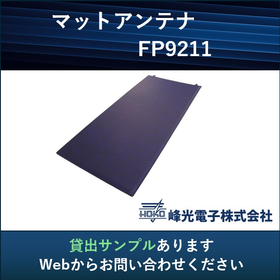
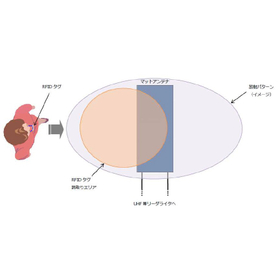
Streamline exhibit management with a thin mat! Can be installed under carpets.
- antenna
- Entrance and exit control system
- Personal authentication
A clear explanation of how to obtain a technical standards conformity certification!
To sell and use products that utilize wireless technology in Japan, it is necessary to obtain a national certification called "Technical Standards Conformity Certification (Giteki)." So, "how do you obtain Giteki?" 【Step 1】 What products require Giteki? Devices that communicate using wireless technology that emits radio waves are subject to this requirement, such as smartphones, Wi-Fi routers, Bluetooth earphones, wireless mice, wireless transceivers, IoT devices, etc. 【Step 2】 Where can you get the assessment done? The assessment for Giteki is conducted by a third-party organization recognized by the government, called a "Registered Certification Body." Examples include the Telecommunications Engineering Center (TELEC) and the Japan Maritime Bureau (JCI). 【Step 3】 What do you need to submit? For the assessment, you need to submit documents and samples such as the following, to check for "signal strength," "frequency accuracy," and "radio interference": Product technical specifications (such as frequency and output), circuit diagrams or design drawings, and the actual product (or prototype). 【Step 4】 If you pass the test, you will receive the "Giteki mark"! 【Step 5】 After that, you can freely sell and use the product!
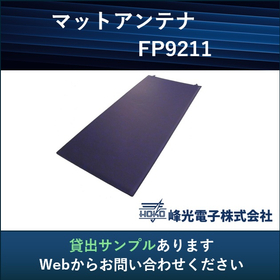
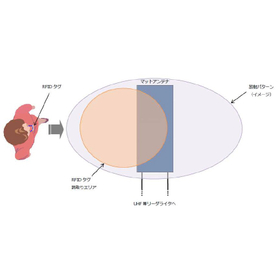
Ensure accurate recording of important asset passage with a slim mat! Highly flexible installation RFID antenna.
- antenna
- Entrance and exit control system
- Personal authentication
A clear explanation of how to obtain a technical standards conformity certification!
To sell and use products that utilize wireless technology in Japan, it is necessary to obtain a national certification called "Technical Standards Conformity Certification (Giteki)." So, "how do you obtain Giteki?" 【Step 1】 What products require Giteki? Devices that communicate using wireless technology that emits radio waves are subject to this requirement, such as smartphones, Wi-Fi routers, Bluetooth earphones, wireless mice, wireless transceivers, IoT devices, etc. 【Step 2】 Where can you get the assessment done? The assessment for Giteki is conducted by a third-party organization recognized by the government, called a "Registered Certification Body." Examples include the Telecommunications Engineering Center (TELEC) and the Japan Maritime Bureau (JCI). 【Step 3】 What do you need to submit? For the assessment, you need to submit documents and samples such as the following, to check for "signal strength," "frequency accuracy," and "radio interference": Product technical specifications (such as frequency and output), circuit diagrams or design drawings, and the actual product (or prototype). 【Step 4】 If you pass the test, you will receive the "Giteki mark"! 【Step 5】 After that, you can freely sell and use the product!
![[Medical Use] UHF Band RFID Mat Ant...](https://image.mono.ipros.com/public/product/image/2057660/IPROS12729632903460045977.jpg?w=280&h=280)
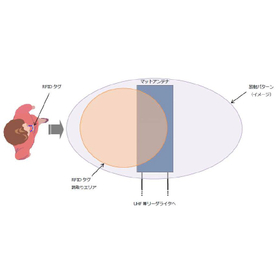
A thin, lightweight, and easy-to-install mat antenna for medical device management.
- antenna
- Entrance and exit control system
- Personal authentication
A clear explanation of how to obtain a technical standards conformity certification!
To sell and use products that utilize wireless technology in Japan, it is necessary to obtain a national certification called "Technical Standards Conformity Certification (Giteki)." So, "how do you obtain Giteki?" 【Step 1】 What products require Giteki? Devices that communicate using wireless technology that emits radio waves are subject to this requirement, such as smartphones, Wi-Fi routers, Bluetooth earphones, wireless mice, wireless transceivers, IoT devices, etc. 【Step 2】 Where can you get the assessment done? The assessment for Giteki is conducted by a third-party organization recognized by the government, called a "Registered Certification Body." Examples include the Telecommunications Engineering Center (TELEC) and the Japan Maritime Bureau (JCI). 【Step 3】 What do you need to submit? For the assessment, you need to submit documents and samples such as the following, to check for "signal strength," "frequency accuracy," and "radio interference": Product technical specifications (such as frequency and output), circuit diagrams or design drawings, and the actual product (or prototype). 【Step 4】 If you pass the test, you will receive the "Giteki mark"! 【Step 5】 After that, you can freely sell and use the product!
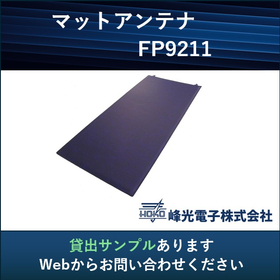
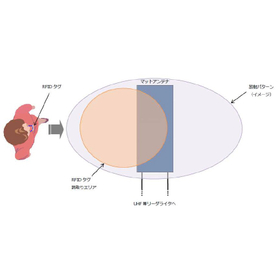
Detect transported items reliably with a thin mat! Flexible support for automated lines with floor installation.
- antenna
- Entrance and exit control system
- Personal authentication
A clear explanation of how to obtain a technical standards conformity certification!
To sell and use products that utilize wireless technology in Japan, it is necessary to obtain a national certification called "Technical Standards Conformity Certification (Giteki)." So, "how do you obtain Giteki?" 【Step 1】 What products require Giteki? Devices that communicate using wireless technology that emits radio waves are subject to this requirement, such as smartphones, Wi-Fi routers, Bluetooth earphones, wireless mice, wireless transceivers, IoT devices, etc. 【Step 2】 Where can you get the assessment done? The assessment for Giteki is conducted by a third-party organization recognized by the government, called a "Registered Certification Body." Examples include the Telecommunications Engineering Center (TELEC) and the Japan Maritime Bureau (JCI). 【Step 3】 What do you need to submit? For the assessment, you need to submit documents and samples such as the following, to check for "signal strength," "frequency accuracy," and "radio interference": Product technical specifications (such as frequency and output), circuit diagrams or design drawings, and the actual product (or prototype). 【Step 4】 If you pass the test, you will receive the "Giteki mark"! 【Step 5】 After that, you can freely sell and use the product!
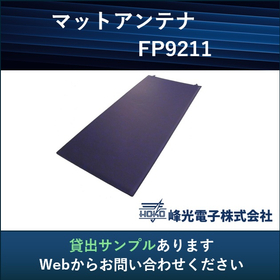
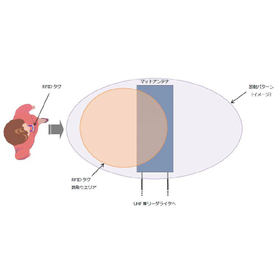
Easy to install with a slim mat! It streamlines the management of automotive parts.
- antenna
- Entrance and exit control system
- Personal authentication
A clear explanation of how to obtain a technical standards conformity certification!
To sell and use products that utilize wireless technology in Japan, it is necessary to obtain a national certification called "Technical Standards Conformity Certification (Giteki)." So, "how do you obtain Giteki?" 【Step 1】 What products require Giteki? Devices that communicate using wireless technology that emits radio waves are subject to this requirement, such as smartphones, Wi-Fi routers, Bluetooth earphones, wireless mice, wireless transceivers, IoT devices, etc. 【Step 2】 Where can you get the assessment done? The assessment for Giteki is conducted by a third-party organization recognized by the government, called a "Registered Certification Body." Examples include the Telecommunications Engineering Center (TELEC) and the Japan Maritime Bureau (JCI). 【Step 3】 What do you need to submit? For the assessment, you need to submit documents and samples such as the following, to check for "signal strength," "frequency accuracy," and "radio interference": Product technical specifications (such as frequency and output), circuit diagrams or design drawings, and the actual product (or prototype). 【Step 4】 If you pass the test, you will receive the "Giteki mark"! 【Step 5】 After that, you can freely sell and use the product!
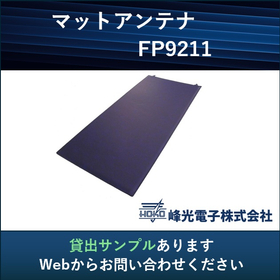
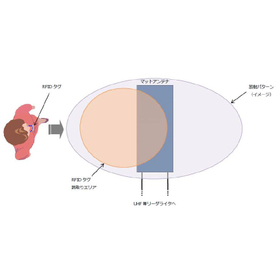
Can be installed under the carpet! Slim and lightweight for efficient book management.
- antenna
- Entrance and exit control system
- Personal authentication
A clear explanation of how to obtain a technical standards conformity certification!
To sell and use products that utilize wireless technology in Japan, it is necessary to obtain a national certification called "Technical Standards Conformity Certification (Giteki)." So, "how do you obtain Giteki?" 【Step 1】 What products require Giteki? Devices that communicate using wireless technology that emits radio waves are subject to this requirement, such as smartphones, Wi-Fi routers, Bluetooth earphones, wireless mice, wireless transceivers, IoT devices, etc. 【Step 2】 Where can you get the assessment done? The assessment for Giteki is conducted by a third-party organization recognized by the government, called a "Registered Certification Body." Examples include the Telecommunications Engineering Center (TELEC) and the Japan Maritime Bureau (JCI). 【Step 3】 What do you need to submit? For the assessment, you need to submit documents and samples such as the following, to check for "signal strength," "frequency accuracy," and "radio interference": Product technical specifications (such as frequency and output), circuit diagrams or design drawings, and the actual product (or prototype). 【Step 4】 If you pass the test, you will receive the "Giteki mark"! 【Step 5】 After that, you can freely sell and use the product!
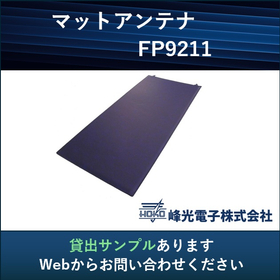
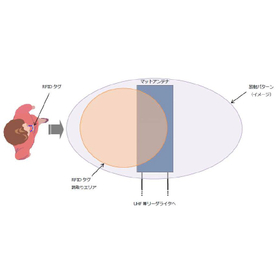
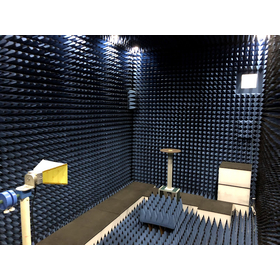
Smooth time measurement with a thin mat! Installation under the carpet is also possible.
- antenna
- Entrance and exit control system
- Personal authentication
A clear explanation of how to obtain a technical standards conformity certification!
To sell and use products that utilize wireless technology in Japan, it is necessary to obtain a national certification called "Technical Standards Conformity Certification (Giteki)." So, "how do you obtain Giteki?" 【Step 1】 What products require Giteki? Devices that communicate using wireless technology that emits radio waves are subject to this requirement, such as smartphones, Wi-Fi routers, Bluetooth earphones, wireless mice, wireless transceivers, IoT devices, etc. 【Step 2】 Where can you get the assessment done? The assessment for Giteki is conducted by a third-party organization recognized by the government, called a "Registered Certification Body." Examples include the Telecommunications Engineering Center (TELEC) and the Japan Maritime Bureau (JCI). 【Step 3】 What do you need to submit? For the assessment, you need to submit documents and samples such as the following, to check for "signal strength," "frequency accuracy," and "radio interference": Product technical specifications (such as frequency and output), circuit diagrams or design drawings, and the actual product (or prototype). 【Step 4】 If you pass the test, you will receive the "Giteki mark"! 【Step 5】 After that, you can freely sell and use the product!
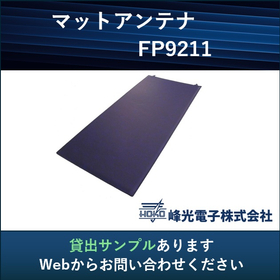
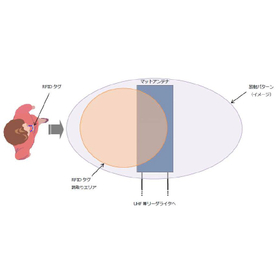
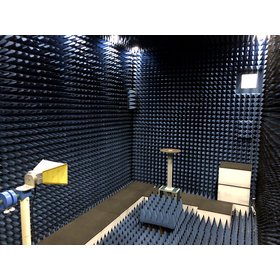
Smooth product certification with a slim mat! Easy to install and move.
- antenna
- Entrance and exit control system
- Personal authentication
A clear explanation of how to obtain a technical standards conformity certification!
To sell and use products that utilize wireless technology in Japan, it is necessary to obtain a national certification called "Technical Standards Conformity Certification (Giteki)." So, "how do you obtain Giteki?" 【Step 1】 What products require Giteki? Devices that communicate using wireless technology that emits radio waves are subject to this requirement, such as smartphones, Wi-Fi routers, Bluetooth earphones, wireless mice, wireless transceivers, IoT devices, etc. 【Step 2】 Where can you get the assessment done? The assessment for Giteki is conducted by a third-party organization recognized by the government, called a "Registered Certification Body." Examples include the Telecommunications Engineering Center (TELEC) and the Japan Maritime Bureau (JCI). 【Step 3】 What do you need to submit? For the assessment, you need to submit documents and samples such as the following, to check for "signal strength," "frequency accuracy," and "radio interference": Product technical specifications (such as frequency and output), circuit diagrams or design drawings, and the actual product (or prototype). 【Step 4】 If you pass the test, you will receive the "Giteki mark"! 【Step 5】 After that, you can freely sell and use the product!


Switching is possible in case of paper jams or malfunctions! Achieve labor-saving reception operations with an unmanned two-dimensional code issuing machine.
- Other security
- Entrance and exit control system

Utilizing a reservation system and QR codes! Achieving significant labor reduction in reception tasks.
- Other security
- Entrance and exit control system

Supporting work style reform! Introducing a case study on the implementation of license plate vehicle number recognition.
- Other security
- Entrance and exit control system

Real-time aggregation and confirmation of entry and exit management! Building an entry and exit management system tailored to customer needs.
- Other security
- Entrance and exit control system

In celebration of the launch of our new product, we are offering a free rental service for RFID sample and verification machines. The rental period for the verification machine is two weeks. First com...
- Entrance and exit control system
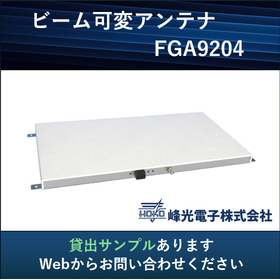
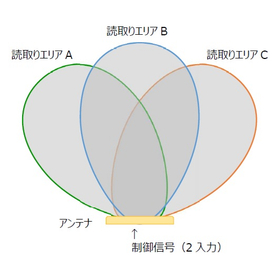
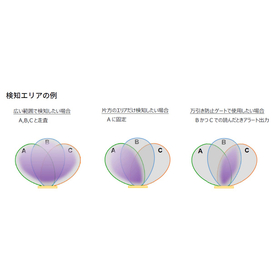
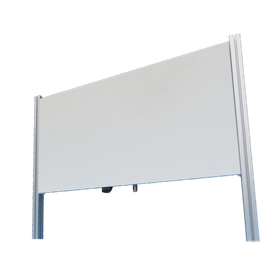
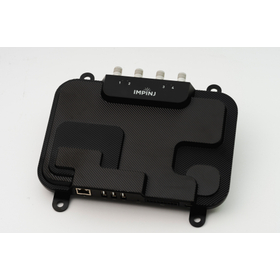
Electronically control the beam radiation direction! High-precision RFID management of important areas.
- antenna
- Entrance and exit control system
- RFID related products and IC tag services
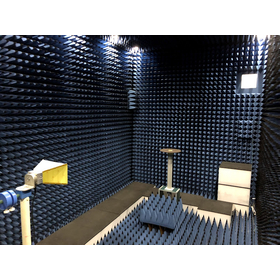
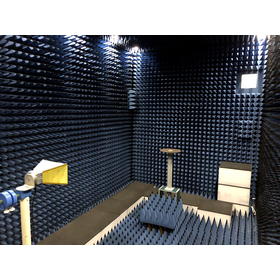
What is an anechoic chamber? Is it really necessary?
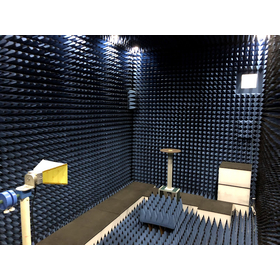
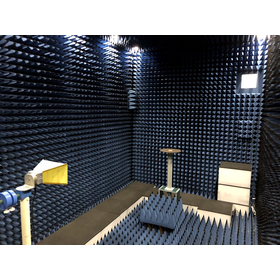
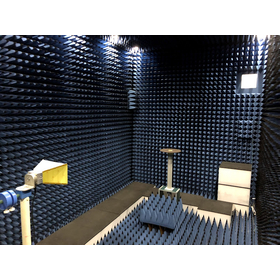
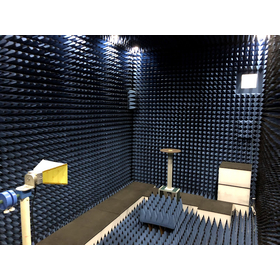
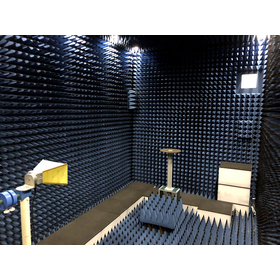
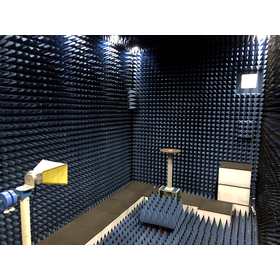
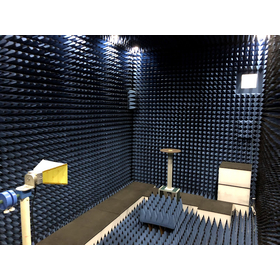
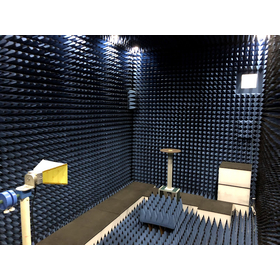
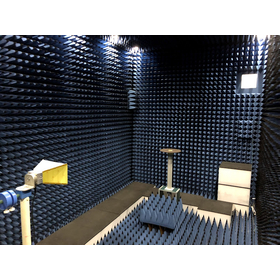
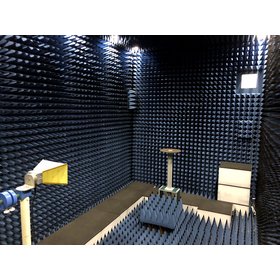
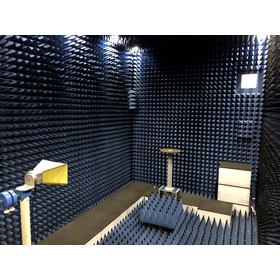
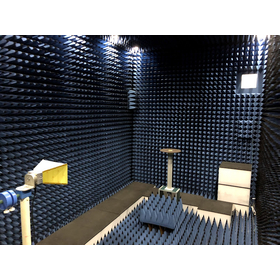
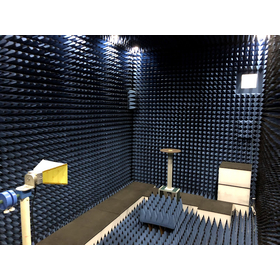
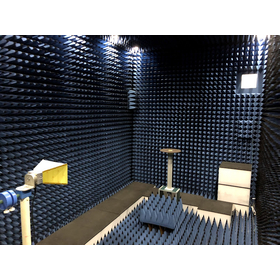
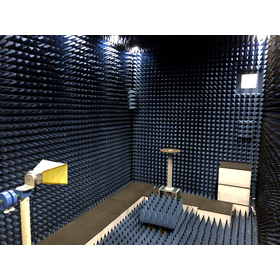
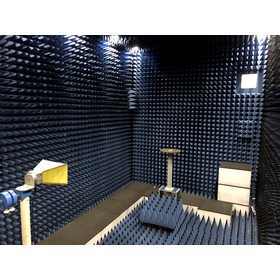
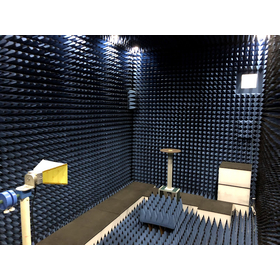
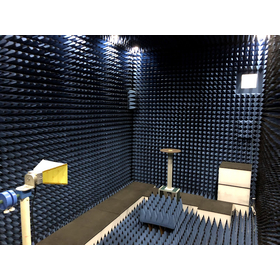
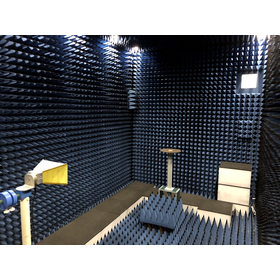
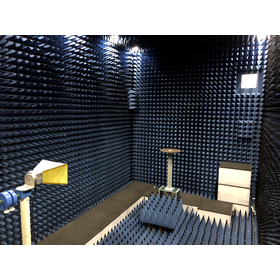
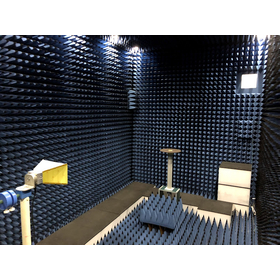
An anechoic chamber is a "special room" used to test the performance and safety of wireless devices. In a regular room, invisible waves from smartphones, Wi-Fi, and televisions are present, making it impossible to conduct accurate tests on devices. Therefore, an anechoic chamber is a special space that "completely shuts out external waves" and also ensures that "waves inside do not leak outside." When is it used? - Testing and inspection of wireless devices - Testing for obtaining technical standard conformity certification (Giteki) - Confirming that there is no interference from waves to other devices In other words, it is "an essential place for creating accurate and reliable wireless devices." What is the inside of the room like? - The walls, ceiling, and floor are covered with "sponge-like materials that absorb waves (wave-absorbing panels)." - The entire room is covered with a metal shield to prevent external waves from entering. Why is it so important? Wireless devices can significantly impact medical equipment, airplanes, and fire department radios, depending on where they are used. That is why it is crucial to thoroughly verify that they emit waves correctly and safely in a place free from external influences, which is the anechoic chamber.
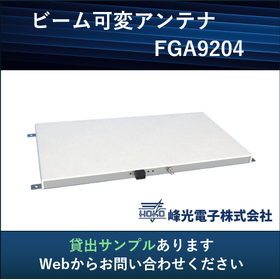
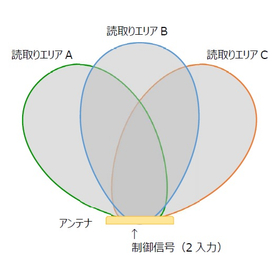
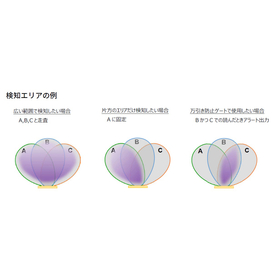
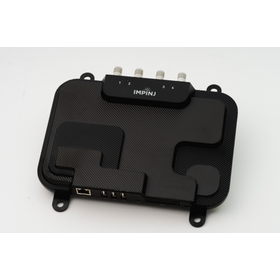
Electronically control the beam radiation direction! Reduces misreading of RFID tags.
- antenna
- Entrance and exit control system
- RFID related products and IC tag services
What is an anechoic chamber? Is it really necessary?
An anechoic chamber is a "special room" used to test the performance and safety of wireless devices. In a regular room, invisible waves from smartphones, Wi-Fi, and televisions are present, making it impossible to conduct accurate tests on devices. Therefore, an anechoic chamber is a special space that "completely shuts out external waves" and also ensures that "waves inside do not leak outside." When is it used? - Testing and inspection of wireless devices - Testing for obtaining technical standard conformity certification (Giteki) - Confirming that there is no interference from waves to other devices In other words, it is "an essential place for creating accurate and reliable wireless devices." What is the inside of the room like? - The walls, ceiling, and floor are covered with "sponge-like materials that absorb waves (wave-absorbing panels)." - The entire room is covered with a metal shield to prevent external waves from entering. Why is it so important? Wireless devices can significantly impact medical equipment, airplanes, and fire department radios, depending on where they are used. That is why it is crucial to thoroughly verify that they emit waves correctly and safely in a place free from external influences, which is the anechoic chamber.
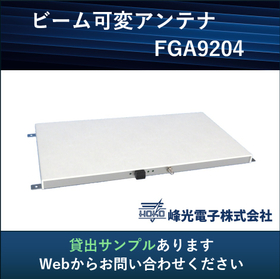
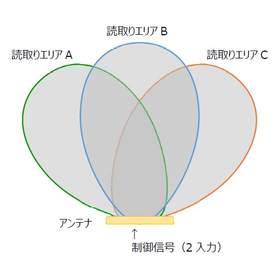
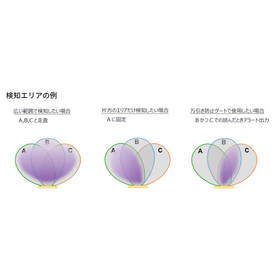
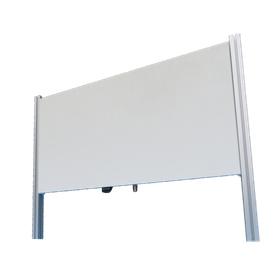
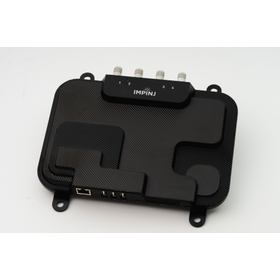
An RFID antenna to control the detection area for agricultural machinery management.
- antenna
- Entrance and exit control system
- RFID related products and IC tag services
What is an anechoic chamber? Is it really necessary?
An anechoic chamber is a "special room" used to test the performance and safety of wireless devices. In a regular room, invisible waves from smartphones, Wi-Fi, and televisions are present, making it impossible to conduct accurate tests on devices. Therefore, an anechoic chamber is a special space that "completely shuts out external waves" and also ensures that "waves inside do not leak outside." When is it used? - Testing and inspection of wireless devices - Testing for obtaining technical standard conformity certification (Giteki) - Confirming that there is no interference from waves to other devices In other words, it is "an essential place for creating accurate and reliable wireless devices." What is the inside of the room like? - The walls, ceiling, and floor are covered with "sponge-like materials that absorb waves (wave-absorbing panels)." - The entire room is covered with a metal shield to prevent external waves from entering. Why is it so important? Wireless devices can significantly impact medical equipment, airplanes, and fire department radios, depending on where they are used. That is why it is crucial to thoroughly verify that they emit waves correctly and safely in a place free from external influences, which is the anechoic chamber.
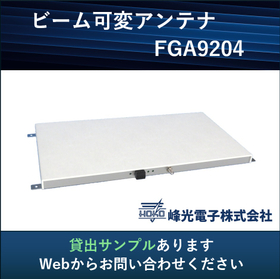
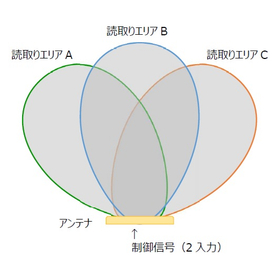
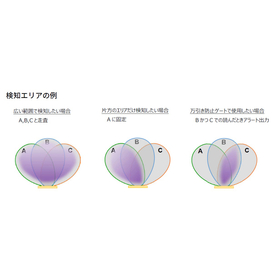
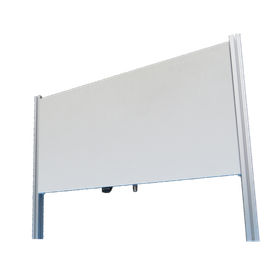
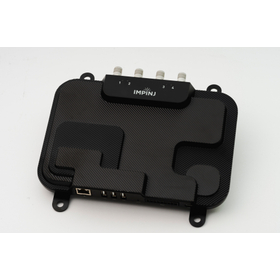
Supporting the efficiency of equipment inspections! Beam-variable antennas that reduce RFID tag misreads.
- antenna
- RFID related products and IC tag services
- Entrance and exit control system
What is an anechoic chamber? Is it really necessary?
An anechoic chamber is a "special room" used to test the performance and safety of wireless devices. In a regular room, invisible waves from smartphones, Wi-Fi, and televisions are present, making it impossible to conduct accurate tests on devices. Therefore, an anechoic chamber is a special space that "completely shuts out external waves" and also ensures that "waves inside do not leak outside." When is it used? - Testing and inspection of wireless devices - Testing for obtaining technical standard conformity certification (Giteki) - Confirming that there is no interference from waves to other devices In other words, it is "an essential place for creating accurate and reliable wireless devices." What is the inside of the room like? - The walls, ceiling, and floor are covered with "sponge-like materials that absorb waves (wave-absorbing panels)." - The entire room is covered with a metal shield to prevent external waves from entering. Why is it so important? Wireless devices can significantly impact medical equipment, airplanes, and fire department radios, depending on where they are used. That is why it is crucial to thoroughly verify that they emit waves correctly and safely in a place free from external influences, which is the anechoic chamber.
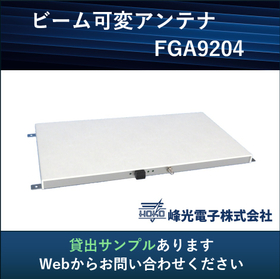
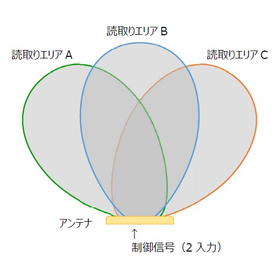
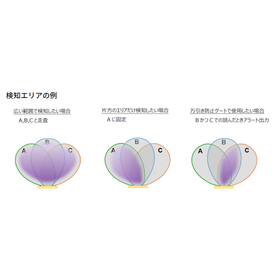
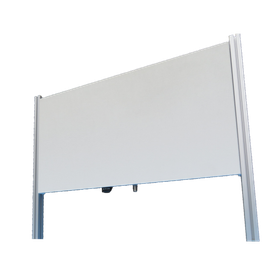
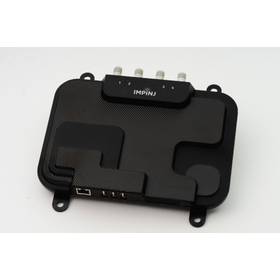
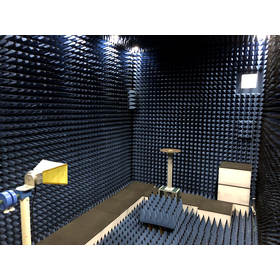
Electronically control the beam radiation direction! It enhances the accuracy of equipment and component management.
- antenna
- Entrance and exit control system
- RFID related products and IC tag services
What is an anechoic chamber? Is it really necessary?
An anechoic chamber is a "special room" used to test the performance and safety of wireless devices. In a regular room, invisible waves from smartphones, Wi-Fi, and televisions are present, making it impossible to conduct accurate tests on devices. Therefore, an anechoic chamber is a special space that "completely shuts out external waves" and also ensures that "waves inside do not leak outside." When is it used? - Testing and inspection of wireless devices - Testing for obtaining technical standard conformity certification (Giteki) - Confirming that there is no interference from waves to other devices In other words, it is "an essential place for creating accurate and reliable wireless devices." What is the inside of the room like? - The walls, ceiling, and floor are covered with "sponge-like materials that absorb waves (wave-absorbing panels)." - The entire room is covered with a metal shield to prevent external waves from entering. Why is it so important? Wireless devices can significantly impact medical equipment, airplanes, and fire department radios, depending on where they are used. That is why it is crucial to thoroughly verify that they emit waves correctly and safely in a place free from external influences, which is the anechoic chamber.
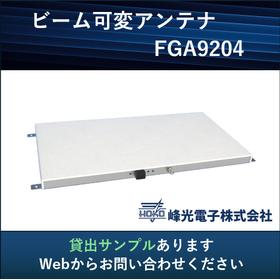
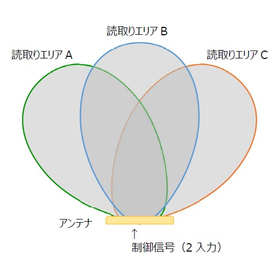
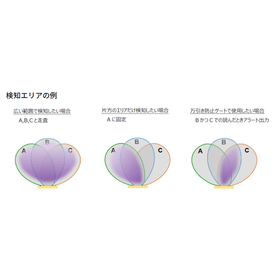
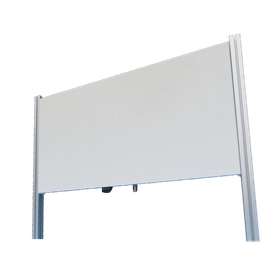
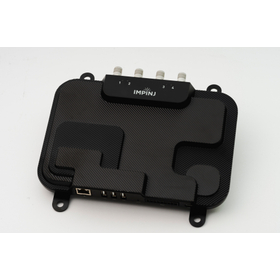
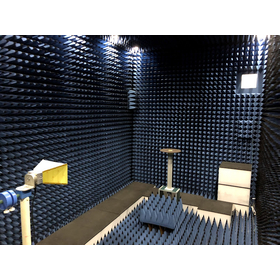
Electronically control the beam radiation direction! Reduces misreading of RFID tags.
- antenna
- Entrance and exit control system
- RFID related products and IC tag services
What is an anechoic chamber? Is it really necessary?
An anechoic chamber is a "special room" used to test the performance and safety of wireless devices. In a regular room, invisible waves from smartphones, Wi-Fi, and televisions are present, making it impossible to conduct accurate tests on devices. Therefore, an anechoic chamber is a special space that "completely shuts out external waves" and also ensures that "waves inside do not leak outside." When is it used? - Testing and inspection of wireless devices - Testing for obtaining technical standard conformity certification (Giteki) - Confirming that there is no interference from waves to other devices In other words, it is "an essential place for creating accurate and reliable wireless devices." What is the inside of the room like? - The walls, ceiling, and floor are covered with "sponge-like materials that absorb waves (wave-absorbing panels)." - The entire room is covered with a metal shield to prevent external waves from entering. Why is it so important? Wireless devices can significantly impact medical equipment, airplanes, and fire department radios, depending on where they are used. That is why it is crucial to thoroughly verify that they emit waves correctly and safely in a place free from external influences, which is the anechoic chamber.
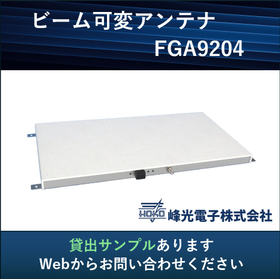
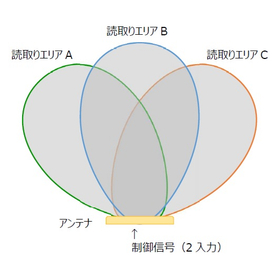
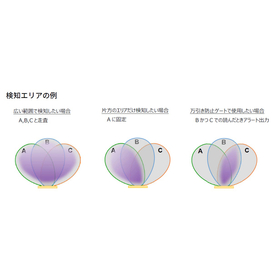
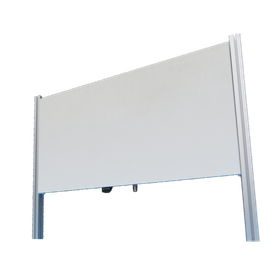
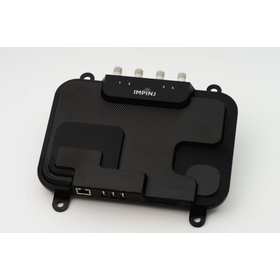
RFID antenna supporting the efficiency of library management.
- antenna
- Entrance and exit control system
- RFID related products and IC tag services
What is an anechoic chamber? Is it really necessary?
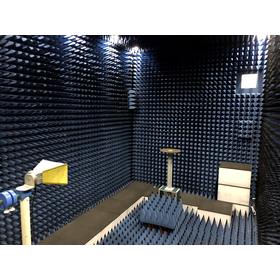
An anechoic chamber is a "special room" used to test the performance and safety of wireless devices. In a regular room, invisible waves from smartphones, Wi-Fi, and televisions are present, making it impossible to conduct accurate tests on devices. Therefore, an anechoic chamber is a special space that "completely shuts out external waves" and also ensures that "waves inside do not leak outside." When is it used? - Testing and inspection of wireless devices - Testing for obtaining technical standard conformity certification (Giteki) - Confirming that there is no interference from waves to other devices In other words, it is "an essential place for creating accurate and reliable wireless devices." What is the inside of the room like? - The walls, ceiling, and floor are covered with "sponge-like materials that absorb waves (wave-absorbing panels)." - The entire room is covered with a metal shield to prevent external waves from entering. Why is it so important? Wireless devices can significantly impact medical equipment, airplanes, and fire department radios, depending on where they are used. That is why it is crucial to thoroughly verify that they emit waves correctly and safely in a place free from external influences, which is the anechoic chamber.
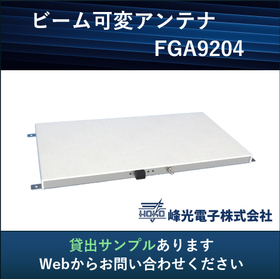
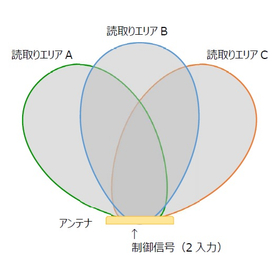
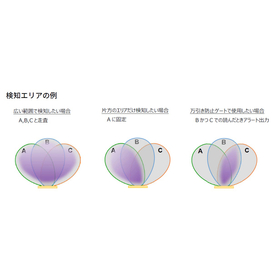
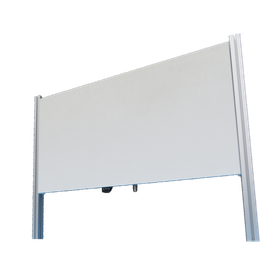
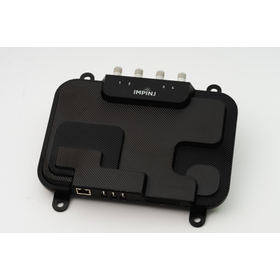
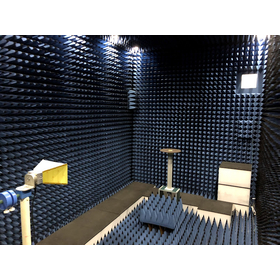
For important parts management! Reducing RFID tag misreads with beam control.
- antenna
- Entrance and exit control system
- RFID related products and IC tag services
What is an anechoic chamber? Is it really necessary?
An anechoic chamber is a "special room" used to test the performance and safety of wireless devices. In a regular room, invisible waves from smartphones, Wi-Fi, and televisions are present, making it impossible to conduct accurate tests on devices. Therefore, an anechoic chamber is a special space that "completely shuts out external waves" and also ensures that "waves inside do not leak outside." When is it used? - Testing and inspection of wireless devices - Testing for obtaining technical standard conformity certification (Giteki) - Confirming that there is no interference from waves to other devices In other words, it is "an essential place for creating accurate and reliable wireless devices." What is the inside of the room like? - The walls, ceiling, and floor are covered with "sponge-like materials that absorb waves (wave-absorbing panels)." - The entire room is covered with a metal shield to prevent external waves from entering. Why is it so important? Wireless devices can significantly impact medical equipment, airplanes, and fire department radios, depending on where they are used. That is why it is crucial to thoroughly verify that they emit waves correctly and safely in a place free from external influences, which is the anechoic chamber.
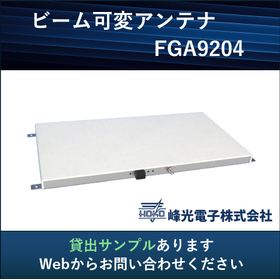
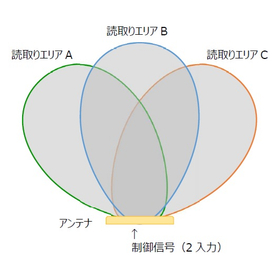
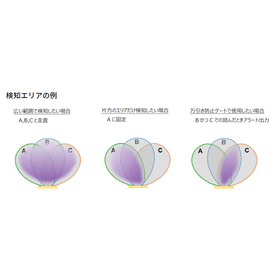
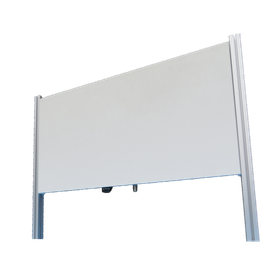
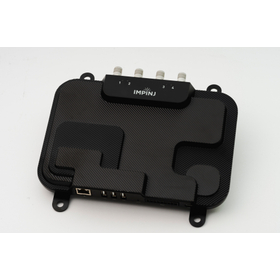
Ideal for medical device tracking! An antenna that reduces RFID tag misreads.
- antenna
- Entrance and exit control system
- RFID related products and IC tag services
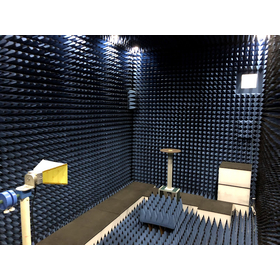
What is an anechoic chamber? Is it really necessary?
An anechoic chamber is a "special room" used to test the performance and safety of wireless devices. In a regular room, invisible waves from smartphones, Wi-Fi, and televisions are present, making it impossible to conduct accurate tests on devices. Therefore, an anechoic chamber is a special space that "completely shuts out external waves" and also ensures that "waves inside do not leak outside." When is it used? - Testing and inspection of wireless devices - Testing for obtaining technical standard conformity certification (Giteki) - Confirming that there is no interference from waves to other devices In other words, it is "an essential place for creating accurate and reliable wireless devices." What is the inside of the room like? - The walls, ceiling, and floor are covered with "sponge-like materials that absorb waves (wave-absorbing panels)." - The entire room is covered with a metal shield to prevent external waves from entering. Why is it so important? Wireless devices can significantly impact medical equipment, airplanes, and fire department radios, depending on where they are used. That is why it is crucial to thoroughly verify that they emit waves correctly and safely in a place free from external influences, which is the anechoic chamber.