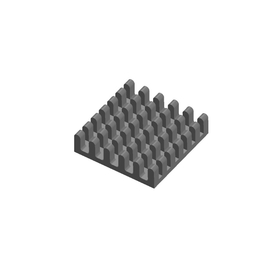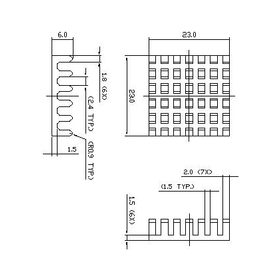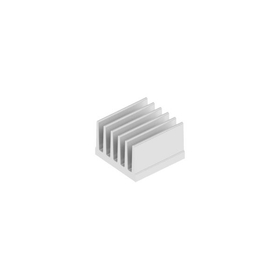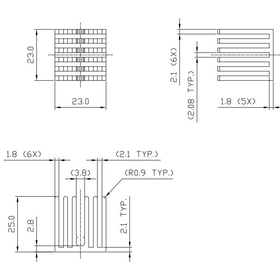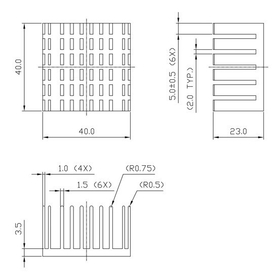
We have compiled a list of manufacturers, distributors, product information, reference prices, and rankings for Heat sink.
ipros is IPROS GMS IPROS One of the largest technical database sites in Japan that collects information on.

Heat sink Product List and Ranking from 62 Manufacturers, Suppliers and Companies

Last Updated: Aggregation Period:Dec 24, 2025~Jan 20, 2026
This ranking is based on the number of page views on our site.

Heat sink Manufacturer, Suppliers and Company Rankings

Last Updated: Aggregation Period:Dec 24, 2025~Jan 20, 2026
This ranking is based on the number of page views on our site.

  1. Axuas Co., Ltd. Aichi//Consumer Electronics
  2. ザワード Tokyo//Trading company/Wholesale
  3. LSIクーラー Tokyo//Industrial Electrical Equipment
  4. 4 三協サーモテック 東京事務所 Tokyo//Other manufacturing

  5. 5 リーダー Osaka//others

Heat sink Product ranking

Last Updated: Aggregation Period:Dec 24, 2025~Jan 20, 2026
This ranking is based on the number of page views on our site.

  1. Flexible heat sink LSIクーラー
  2. Aluminum Water-Cooled Heat Sink "YC Series" LSIクーラー
  3. Heat Sink for Printed Circuit Board - Product Catalog 三協サーモテック 東京事務所
  4. 4 Power semiconductor fan and heat sink integrated forced air cooling unit Axuas Co., Ltd.
  5. 5 Water-cooled heat sink 高木製作所

Heat sink Product List

286~300 item / All 736 items

Displayed results

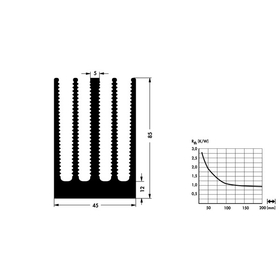
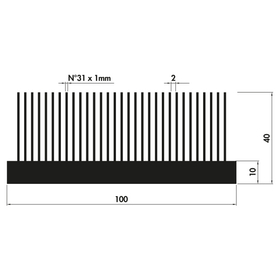
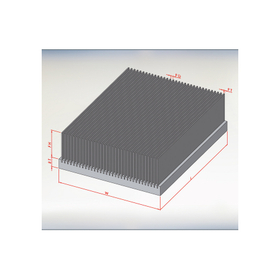
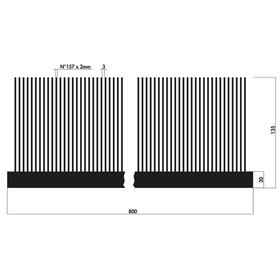
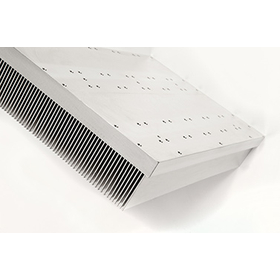
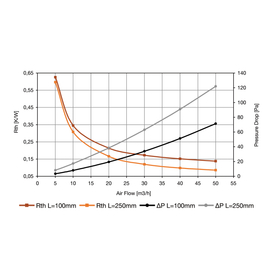
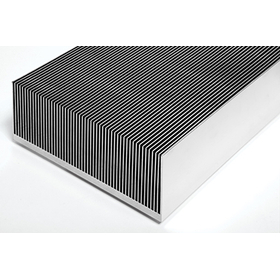
Large heat sink for power modules W400mm H85mm

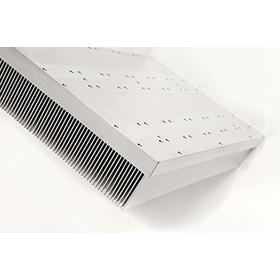
High-performance heat sink PM (Profilmecc) series for power electronics

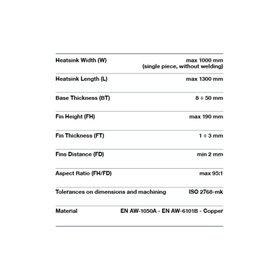
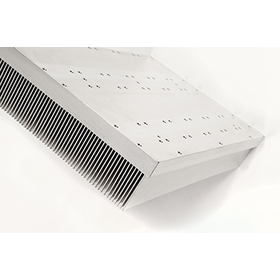
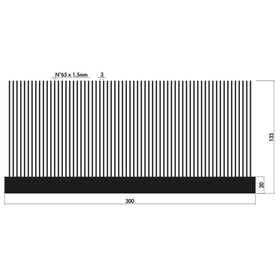
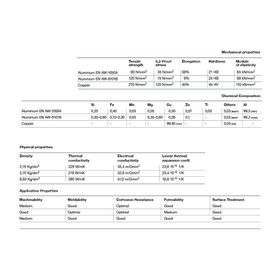
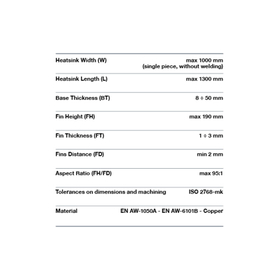
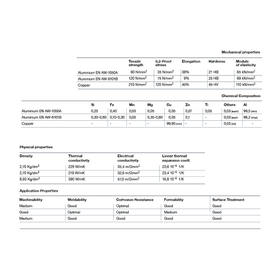
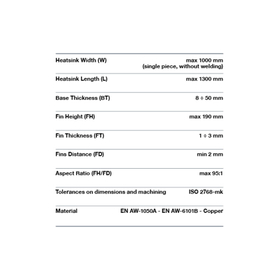
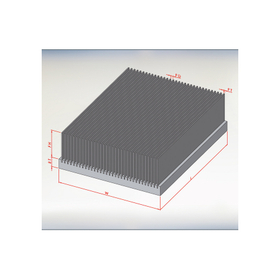
The PM (Profilmecc) series provided by Meccal (Italy) is an innovative product. It is a fully custom-made heat sink while also offering standard solution specifications. Manufactured using a unique patented technology for the mechanical assembly of the base and fins, Profilmecc guarantees excellent mechanical specifications. * Width, length, height, and fin shape can be designed according to application. * Designable dimension range: Width: MAX 1000mm, Length: MAX 1300mm, Base height: 8 - 50mm, Fin height: MAX 190mm * Supports hole processing and surface treatment (anodizing, etc.).

  • profilmecc-01.jpg
  • profilmecc-02.jpg
  • profilmecc-03.jpg
  • foto-pagina-profilmecc.jpg
  • logo.png
  • Other electronic parts
Added to bookmarks

Bookmarks list

Bookmark has been removed

Bookmarks list

You can't add any more bookmarks

By registering as a member, you can increase the number of bookmarks you can save and organize them with labels.

Free membership registration

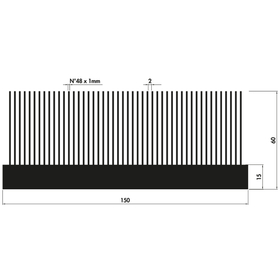
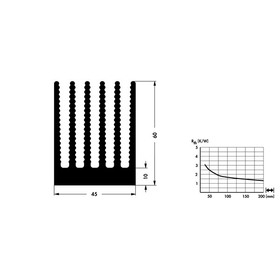
Large heat sink for power module W500mm H100mm

High-performance heat sink series for power electronics PM (Profilmecc)

The PM (Profilmecc) series provided by Meccal (Italy) is an innovative product. It is a fully custom-made heat sink while also offering standard solution specifications. Manufactured using a unique patented technology for the mechanical assembly of the base and fins, Profilmecc guarantees excellent mechanical specifications. * Width, length, height, and fin shape can be designed according to application. * Designable dimension range: Width: MAX 1000mm, Length: MAX 1300mm, Base height: 8 - 50mm, Fin height: MAX 190mm * Also supports hole processing and surface treatment (anodizing, etc.).

  • profilmecc-01.jpg
  • profilmecc-02.jpg
  • profilmecc-03.jpg
  • foto-pagina-profilmecc.jpg
  • logo.png
  • Other electronic parts
Added to bookmarks

Bookmarks list

Bookmark has been removed

Bookmarks list

You can't add any more bookmarks

By registering as a member, you can increase the number of bookmarks you can save and organize them with labels.

Free membership registration

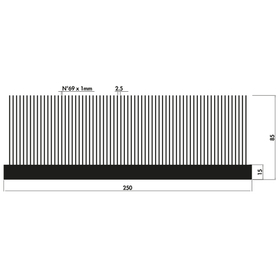
Large heat sink for power modules W600mm H85mm
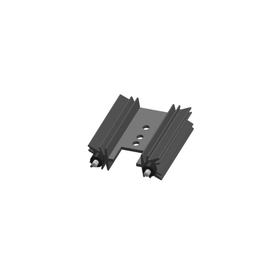
High-Performance Heat Sink Series for Power Electronics PM (Profilmecc)

The PM (Profilmecc) series provided by Meccal (Italy) is an innovative product. It is a completely custom-made heat sink while also offering standard solution specifications. Manufactured using a unique patented technology for the mechanical assembly of the base and fins, Profilmecc ensures excellent mechanical specifications. * Width, length, height, and fin shape can be designed according to application. * Designable dimension range: Width: MAX 1000mm, Length: MAX 1300mm, Base height: 8 - 50mm, Fin height: MAX 190mm * Also supports hole processing and surface treatment (anodizing, etc.).

  • profilmecc-01.jpg
  • profilmecc-02.jpg
  • profilmecc-03.jpg
  • foto-pagina-profilmecc.jpg
  • logo.png
  • Other electronic parts
Added to bookmarks

Bookmarks list

Bookmark has been removed

Bookmarks list

You can't add any more bookmarks

By registering as a member, you can increase the number of bookmarks you can save and organize them with labels.

Free membership registration

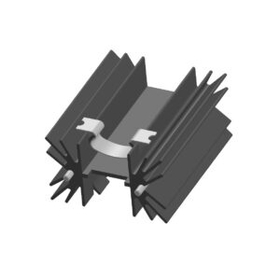
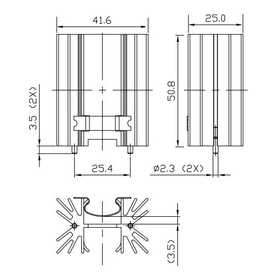
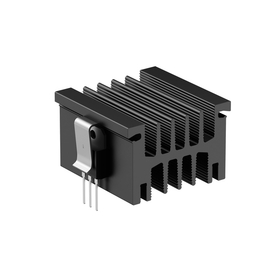
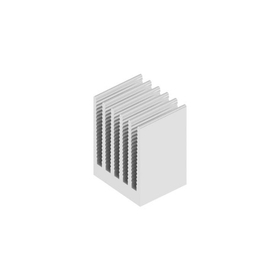
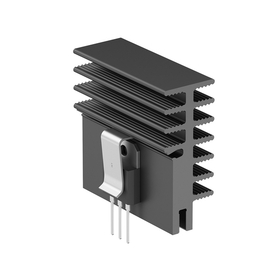
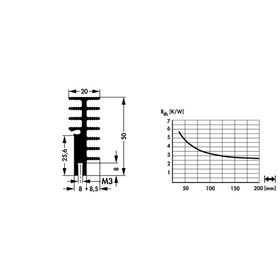
SK-703 Transistor Clip Compatible Aluminum Heat Sink

Aluminum heat sink for board mounting that can secure a transistor without screws (W15 mm x H45 mm)

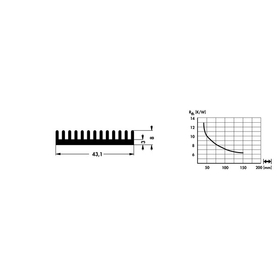
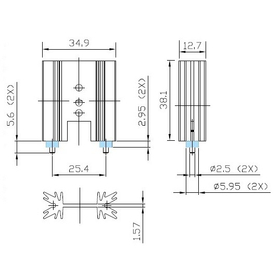
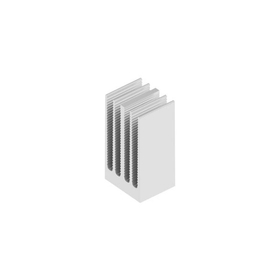
Our company, Aquas, is the official domestic distributor of the German global manufacturer Fischer Elektronik. SK-703 Extruded heat sink with a width of 15mm and a height of 45mm. Transistors can be secured using a separately sold retaining spring (spring clip). There are variations in length available. In addition to standard products, we can also manufacture custom products tailored to your specified length. *Please feel free to contact us for more details.

  • sk703-アルミ押出ヒートシンク-トランジスタ固定スプリング用 (1).jpg
  • sk70350sa.jpg
  • csm_1zeilMag_weiss_E_b78887b03c.jpg
  • Other semiconductors
Added to bookmarks

Bookmarks list

Bookmark has been removed

Bookmarks list

You can't add any more bookmarks

By registering as a member, you can increase the number of bookmarks you can save and organize them with labels.

Free membership registration

CPC heat sink (Cu, Cu-Mo, Cu composite material)

High heat dissipation that maximizes the performance of semiconductor devices! Stable mass supply is possible through rolling and punching processes.

We handle "CPC Heat Sinks (Cu, Cu-Mo, Cu Composites)." They have high thermal conductivity that maximizes the performance of semiconductor devices and can be supplied in large quantities stably through rolling and punching processes. These products can be applied to wireless communication in mobile phone base stations. 【Features】 ■ High thermal conductivity that maximizes the performance of semiconductor devices ■ Stable supply in large quantities through rolling and punching processes ■ A lineup of materials with various thermal conductivities and thermal expansion rates *For more details, please refer to the PDF document or feel free to contact us.

Added to bookmarks

Bookmarks list

Bookmark has been removed

Bookmarks list

You can't add any more bookmarks

By registering as a member, you can increase the number of bookmarks you can save and organize them with labels.

Free membership registration

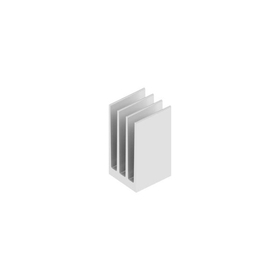
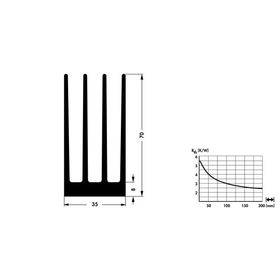
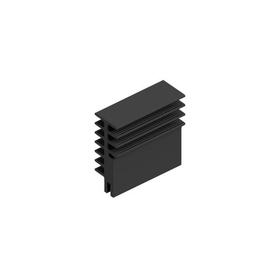
Heat sink

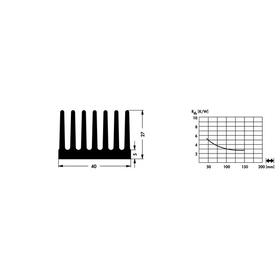
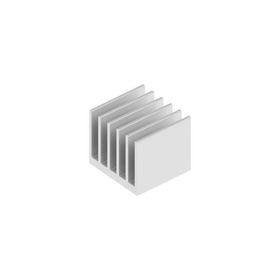
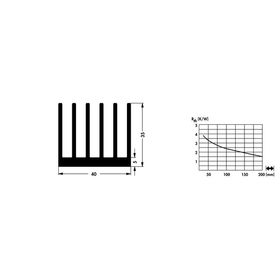
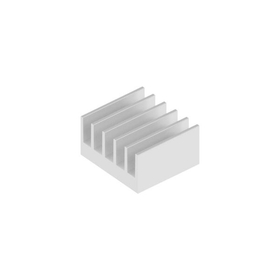
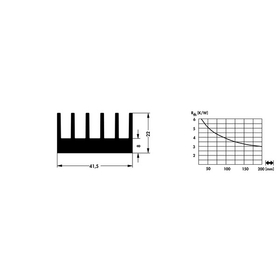
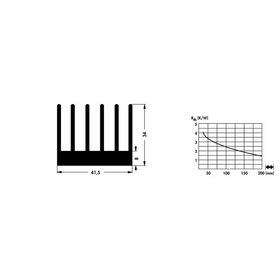
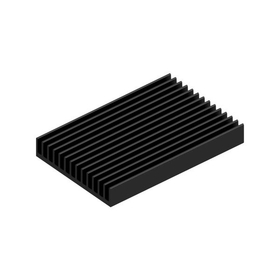
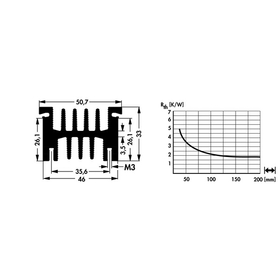
Compatible with TO-218, TO-220, TO-252, and TO-263 transistor packages.

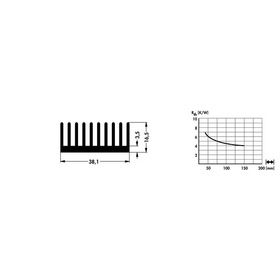
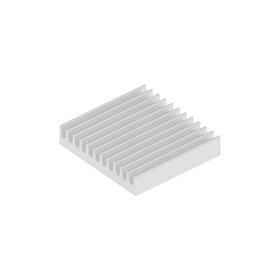
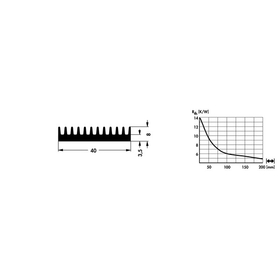
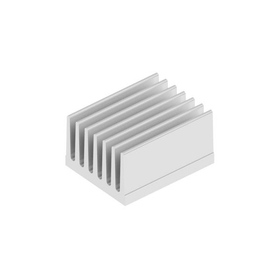
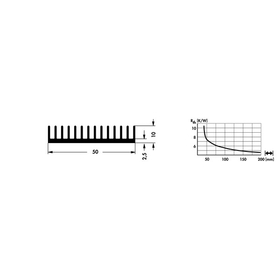
Press extrusion processing to improve heat dissipation in applications Our press extrusion processing heat sink line is an ideal solution for enhancing heat dissipation in low and high power board-level designs. It is compatible with TO-218, TO-220, TO-252, and TO-263 transistor package types and is available in various standard shapes and sizes. Our aluminum heat sinks can be easily measured under four conditions of thermal resistance, making it easy to select the best extrusion or press for natural convection or forced air cooling systems.

  • Other electronic parts
Added to bookmarks

Bookmarks list

Bookmark has been removed

Bookmarks list

You can't add any more bookmarks

By registering as a member, you can increase the number of bookmarks you can save and organize them with labels.

Free membership registration

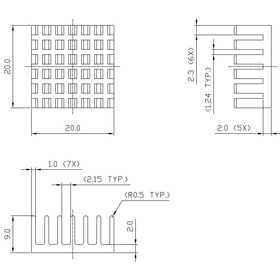
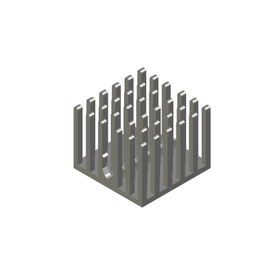
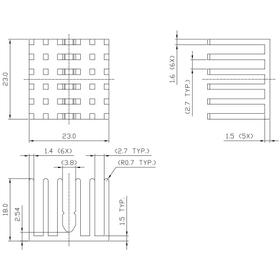
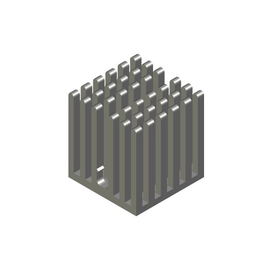
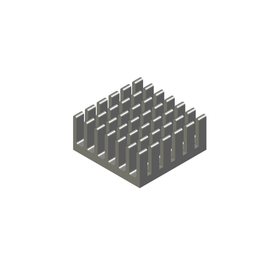
<New Product Category> BGA Heat Sink HSB Series

A new product group, BGA type, has been added to the lineup of heat sinks.

We have prepared 23 models in a wide range of sizes, with areas from 8.5 x 8.5mm to 60 x 60mm and thicknesses from 6mm to 25mm.

  • Other electronic parts
  • Cooling system

Added to bookmarks

Bookmarks list

Bookmark has been removed

Bookmarks list

You can't add any more bookmarks

By registering as a member, you can increase the number of bookmarks you can save and organize them with labels.

Free membership registration

[Processing Example] Heat Sink Machining Stainless Steel

We can handle the production of various parts starting from just one piece! Here are examples of heat sinks that have been machined.

At Antak Co., Ltd., we manage a wide range of processes comprehensively and promise to reduce total costs. In the processing department, we handle various parts from single items. We strive to meet our customers' processing requests and maximize cost efficiency. 【Example】 ■ Processing Category: Cutting Processing - Stainless Steel ■ Product Name: Heat Sink ■ Processing Details: MC Processing - Wire Discharge ■ Material: SUS304 ■ Surface Treatment: - ■ Heat Treatment: - *For more details, please refer to the PDF document or feel free to contact us.

  • Processing Contract

Added to bookmarks

Bookmarks list

Bookmark has been removed

Bookmarks list

You can't add any more bookmarks

By registering as a member, you can increase the number of bookmarks you can save and organize them with labels.

Free membership registration

Turbulent heat sink

Heat sink for forced air cooling with improved heat dissipation performance.

Improvement of heat exchange performance due to increased surface area.

  • Switching Power Supply

Added to bookmarks

Bookmarks list

Bookmark has been removed

Bookmarks list

You can't add any more bookmarks

By registering as a member, you can increase the number of bookmarks you can save and organize them with labels.

Free membership registration

[Technical Adoption Case] High Tongue Heat Sink Extruded Material

By using performance analysis through simulation, we can provide proposals tailored to your needs!

We would like to introduce a case where our aluminum technology has been adopted for "high tong heat sink extruded profiles." Heat sinks are heat dissipation materials that utilize the high thermal conductivity of aluminum and are used for cooling semiconductor devices in communication equipment and various control devices. The temperature rise of semiconductor devices can lead to issues such as decreased reliability, reduced performance, and destruction, making the use of heat exchangers essential. Aluminum heat sinks, which excel in cooling performance and cost, are utilized. Proposals tailored to your needs can be made through performance analysis using simulations. 【Case Overview】 ■ Application: Cooling of semiconductor devices in communication equipment and various control devices ■ Manufacturing Range ・Outer diameter of profile (φ): 200mm or less ・Tong support width (W): 3mm or more *For more details, please refer to the related links or feel free to contact us.

Added to bookmarks

Bookmarks list

Bookmark has been removed

Bookmarks list

You can't add any more bookmarks

By registering as a member, you can increase the number of bookmarks you can save and organize them with labels.

Free membership registration

[Data] Free Download of Excel for Manufacturing Sites (Pivot Table Edition)

"I want to be able to use pivot tables." "I want to know how to use them in the factory." If you are such a person, please read on!

"I have learned to use the SUM function and IF function in Excel. What should I study next?" "It seems that pivot tables are convenient, but I don't know how to use them specifically." "How are pivot tables used in manufacturing sites?" This document has been created for those who have such concerns. Once you can use pivot tables, you can freely summarize individual data. In this document, we will introduce a case study using daily sales quantity data for each product to aggregate the sales quantity for the month using a pivot table. The examples in this document are basic, but for those using pivot tables for the first time, practicing according to this document will help you easily visualize the overall concept of pivot tables. I hope the content of this document will be helpful to you.

Added to bookmarks

Bookmarks list

Bookmark has been removed

Bookmarks list

You can't add any more bookmarks

By registering as a member, you can increase the number of bookmarks you can save and organize them with labels.

Free membership registration

[Material] Quality Control for Factories (Control Charts) (Free Download)

"I learned a bit about control charts for the QC certification, but how are they actually used in practice?" I will explain using specific examples from metal processing!

When you start studying quality management, you will come across something called the "7 QC Tools." These are (1) check sheets, (2) Pareto charts, (3) cause-and-effect diagrams, (4) graphs, (5) scatter diagrams, (6) histograms, and (7) stratification. In this document, we will explain what control charts, which are one of the 7 QC tools, are, along with specific methods for creating and interpreting them.

Added to bookmarks

Bookmarks list

Bookmark has been removed

Bookmarks list

You can't add any more bookmarks

By registering as a member, you can increase the number of bookmarks you can save and organize them with labels.

Free membership registration

[Information] Points to Note in Quality Control - Revision Work Edition (Free Download Available)

Isn't it possible that something that shouldn't have defects actually does? I will introduce and explain a specific example.

In the factory, various products are produced, and the "work instruction sheet," which outlines the work processes in order, is used in situations such as the following: - As educational material when a new person joins and needs to perform tasks - To ensure that there are no omissions when an order comes in after a long time - To clarify changes and prevent incorrect work from being done It is also used when experienced workers confirm familiar work procedures, but I believe its significance is particularly great during what are referred to as the 3 Hs (first time, changes, long time). While the "work instruction sheet" may describe what to do when work proceeds smoothly, there are likely few that include details on how to handle defective products, such as "if a defect occurs in this process, handle it this way." Even if such information exists, does it align with the actual processes? In this document, I would like to introduce cases where "defects occur even though we are supposed to be following the work instruction sheet."

Added to bookmarks

Bookmarks list

Bookmark has been removed

Bookmarks list

You can't add any more bookmarks

By registering as a member, you can increase the number of bookmarks you can save and organize them with labels.

Free membership registration

[Material] Basic Series on Geometric Tolerances 1 - Straightness - (Free Download)

"What is 'straightness'?" This is a document that also mentions usage examples and measurement methods!

When performing turning or milling operations, traces of the cutting tool may remain on the workpiece, and due to the effects of distortion or deflection during processing, there may be some deviation from the ideal shape. Geometric tolerances are used to indicate how much deviation from the ideal shape is acceptable. By understanding geometric tolerances, one can discern the designer's intentions behind the drawings. It also clarifies how to establish reference points and conduct processing and inspection. This document explains "straightness," a type of geometric tolerance. It will cover not only the definition but also when it is used and the measurement methods associated with it.

Added to bookmarks

Bookmarks list

Bookmark has been removed

Bookmarks list

You can't add any more bookmarks

By registering as a member, you can increase the number of bookmarks you can save and organize them with labels.

Free membership registration

[Material] Basic Series on Geometric Tolerances 9 - Concentricity and Coaxiality - (Free Download)

"What are 'concentricity' and 'coaxiality'?" This is a document that also mentions usage examples and measurement methods!

When performing turning or milling operations, traces of the cutting tool may remain on the workpiece, and due to the effects of distortion or deflection during processing, there may be some deviation from the ideal shape. Geometric tolerances are used to indicate how much deviation from the ideal shape is acceptable. By understanding geometric tolerances, one can discern the designer's intent behind the drawings. It also clarifies how to establish references and conduct processing or inspection. This document explains two types of geometric tolerances: "concentricity" and "coaxiality." It will cover not only their definitions but also when they are used and the methods of measurement.

Added to bookmarks

Bookmarks list

Bookmark has been removed

Bookmarks list

You can't add any more bookmarks

By registering as a member, you can increase the number of bookmarks you can save and organize them with labels.

Free membership registration