
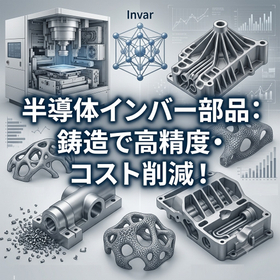
【For the Semiconductor Industry】 Casting vs. Machining, Optimal Manufacturing Methods for Inverter Parts
Achieving cost reduction and high precision. A comparison of construction method selection based on shape, lot size, etc., that design and purchasing should be aware of.
Are you unsure about the selection of methods for the exposure and inspection process equipment parts? The "total cutting" of expensive inverter materials leads to significant material loss, which drives up costs. These challenges can be addressed through casting, which allows for near-net shape (forming close to the final shape). ■ Criteria for Judging Casting Shape: Complex shapes that produce a lot of chips (hollow, uneven, ribs, internal piping, etc.) can achieve significant cost reductions through integrated molding. Lot Size: The following sizes and quantities are indicators of benefits: - Up to 200mm: More than 100 pieces per month - φ200 to 1,000mm: More than 10 pieces per month - φ1,000mm and above: More than 5 pieces per month For complex shapes or medium lots, there are cases where total costs have been reduced by "approximately 30%." Lightweighting through topology optimization and rapid prototyping considerations using 3D printed sand molds with "zero mold cost and as little as 5 days" are also possible. "If precision cannot be compromised but costs need to be lowered," please consider the casting solutions from the Hinode Group, which re-evaluate materials and shapes. For more details, please download the catalog from the link below.
- Company:日之出水道機器 産業機械マーケティング
- Price:Other






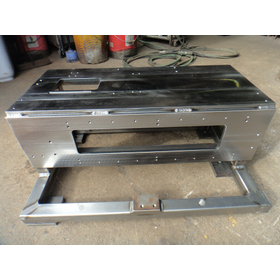
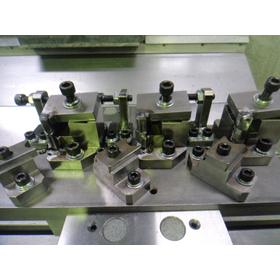
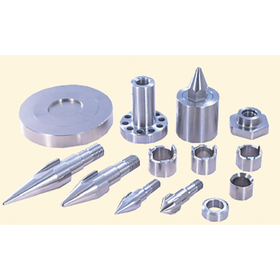
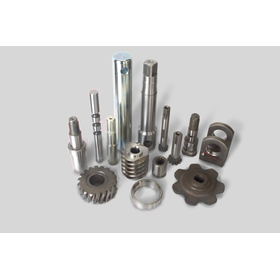
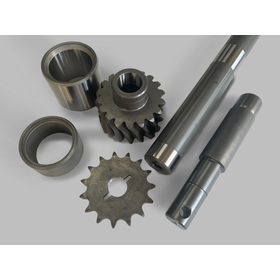
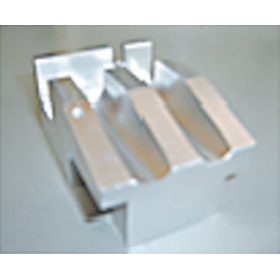
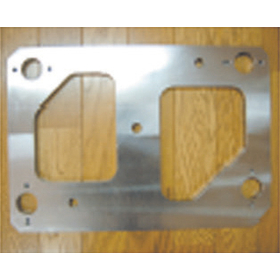
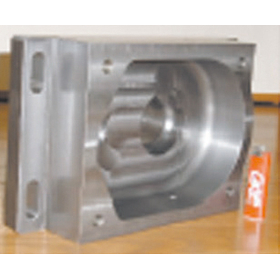
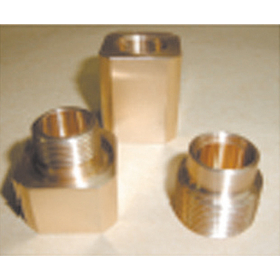


![[Processing Examples] Machining of mechanical parts, jigs, prototypes, and other components.](https://image.mono.ipros.com/public/product/image/0cb/2000825692/IPROS74715041708020919922.png?w=280&h=280)


