We have compiled a list of manufacturers, distributors, product information, reference prices, and rankings for Pretreatment.
ipros is IPROS GMS IPROS One of the largest technical database sites in Japan that collects information on.

Pretreatment Product List and Ranking from 20 Manufacturers, Suppliers and Companies | IPROS GMS

Last Updated: Aggregation Period:May 20, 2026~Jun 16, 2026
This ranking is based on the number of page views on our site.

Pretreatment Manufacturer, Suppliers and Company Rankings

Last Updated: Aggregation Period:May 20, 2026~Jun 16, 2026
This ranking is based on the number of page views on our site.

  1. 永和工芸 Osaka//Ferrous/Non-ferrous metals
  2. null/null
  3. DIAM Chiba//Manufacturing and processing contract
  4. 4 三進製作所 Aichi//Industrial Machinery
  5. 5 バイオタージ・ジャパン Tokyo//Testing, Analysis and Measurement

Pretreatment Product ranking

Last Updated: Aggregation Period:May 20, 2026~Jun 16, 2026
This ranking is based on the number of page views on our site.

  1. Oil-water separator pre-treatment (degreasing) total system "Filtretao" 三進製作所
  2. [Case Study of Conductive Diamond Technology] Pre-treatment for Plating on PPS Resin DIAM
  3. The Importance of Sample Preparation in Polymer Analysis: ICP and Atomic Absorption
  4. 4 Pre-treatment for plating ABS resin with electrolytic sulfuric acid DIAM
  5. 5 Insufficient degreasing is the root cause of all painting defects and reduced adhesion. 永和工芸

Pretreatment Product List

1~30 item / All 53 items

Displayed results

Product Information: Preprocessing and Additional Processing

Product Information: Preprocessing and Additional Processing

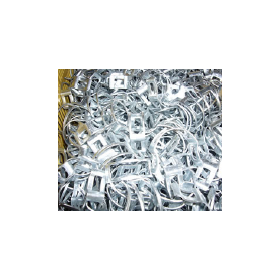
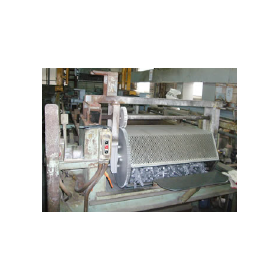
The technology that Kyokuro has developed as a comprehensive company in metal surface treatment has been recognized for its long-standing achievements and has been adopted in various manufacturing sectors. These technologies cannot be realized without a deep understanding of the metal itself, which is our fundamental stance. We believe that the development of technology to utilize the characteristics of metal materials, carefully considering the locations, purposes, and applications, requires both scientific technical skills and a creative perspective that envisions commercialization in the manufacturing industry. 【Features】 - Quality assurance. We aim for zero defective products. - We respond quickly with a 24-hour system. - We have been proactive in environmental conservation activities in the plating industry. *For more details, please contact us or refer to our catalog.

  • Processing Contract
  • Pretreatment

Added to bookmarks

Bookmarks list

Bookmark has been removed

Bookmarks list

You can't add any more bookmarks

By registering as a member, you can increase the number of bookmarks you can save and organize them with labels.

Free membership registration

Oil-water separator pre-treatment (degreasing) total system "Filtretao"

Significantly reduce plating defects! An oil-water separation device that maintains the pretreatment bath at the same clarity as new liquid.

We would like to introduce the oil-water separation device from Sanjin Manufacturing, the total pre-treatment (degreasing) system "Filtrator-O." This device separates oil and suspended solids (SS) mixed in liquids through the functions of floating, adsorption, and filtration. It can separate floating oil from degreasing baths used in metal surface treatment processes such as plating and painting, filter out suspended substances to maintain clarity, and reduce plating defects. 【Applications】 Various plating pre-treatment liquids (degreasing liquids) / Pre-treatment baths for various painting processes / Wastewater treatment in car wash facilities / Miscellaneous wastewater in machine factories (rainwater measures, etc.) / Oil-containing wastewater such as cutting oils / Aluminum die-casting wastewater / Various rolling wastewater (cooling water) / Others 【Features】 ● Reduces plating defects and total costs ● Alleviates the burden of wastewater treatment (COD measures) ● Maintains clarity similar to new liquid through circulation filtration with OZ and OY series 【Series】 - OZ type: Optimal for initial degreasing liquids with floating oil and grease separation - OY type: Optimal for initial degreasing liquids and electrolytic degreasing liquids with floating oil and grease separation, adsorption removal of dispersed oil and grease, and filtration removal of solid impurities *For more details, please refer to the PDF document or feel free to contact us.

  • Oil-water separator
  • Filtration Equipment
  • Water treatment equipment
  • Pretreatment

Added to bookmarks

Bookmarks list

Bookmark has been removed

Bookmarks list

You can't add any more bookmarks

By registering as a member, you can increase the number of bookmarks you can save and organize them with labels.

Free membership registration

【Printing Talk #3】What pre-treatment is necessary for printing on PP/PE?

For printed ink to adhere to the object for a certain period, the compatibility between the ink and the material is crucial!

PP (polypropylene) and PE (polyethylene) are attractive for their excellent resistance and low cost. They are widely used in products around us. When you look at the back of plastic products, you often see these two materials. You may want to print on PP or PE products, but have you ever been told, "This material is difficult to adhere to"? Even though they are the same type of plastic, why are some easy to adhere to while others are not? This blog discusses this theme. [Contents] ■ Have you ever had the experience of "Sorry, we can't print on PP"? ■ Is choosing the right ink the solution? ■ How does ink adhere? ■ So, how can we improve adhesion? ■ Summary *You can view the detailed content of the blog through the related links. For more information, please feel free to contact us.

  • Printing Machinery
  • Pretreatment

Added to bookmarks

Bookmarks list

Bookmark has been removed

Bookmarks list

You can't add any more bookmarks

By registering as a member, you can increase the number of bookmarks you can save and organize them with labels.

Free membership registration

Cross-sectional observation pre-treatment (sample cutting and resin embedding)

We will introduce the pre-treatment for cross-sectional observation using devices for sample cutting, such as band saws!

We would like to introduce the sample preparation (sample cutting and resin embedding) for cross-sectional observation conducted by Aites Co., Ltd. We use cutting equipment suitable for cutting large substrates and thick components, such as the band saw "HOZAN K-100" and the IsoMet "Buehler Low Speed Saw." With the "HOZAN K-100," samples up to approximately X150mm, Y230mm, and Z70mm in size can be cut. Additionally, after cutting, the samples are embedded in epoxy resin or similar materials, but it is also possible to embed in resin before cutting. 【Product Lineup】 ■ Band Saw ■ IsoMet ■ Multifunctional Diamond Wire Saw *For more details, please refer to the PDF document or feel free to contact us.

  • image_02.png
  • image_03.png
  • image_04.png
  • others
  • Pretreatment

Added to bookmarks

Bookmarks list

Bookmark has been removed

Bookmarks list

You can't add any more bookmarks

By registering as a member, you can increase the number of bookmarks you can save and organize them with labels.

Free membership registration

What processes are necessary for plating? How can you achieve a clean plating?

Introduction to emulsion degreasing, alkaline immersion degreasing, and electrolytic degreasing!

The plating film will precipitate when reacted in the plating solution. However, simply having a processing step is not enough to achieve a plating that does not peel off cleanly. By ensuring that the surface of the item is properly cleaned through appropriate pre-treatment processes, a beautiful plating can be achieved. It is often said that "the quality of plating is determined by the pre-treatment," highlighting the importance of the pre-treatment process. On our company website, we introduce various methods including solvent degreasing, emulsion degreasing, alkaline immersion degreasing, and electrolytic degreasing. Please take a look at the related links below. [Content Included] ■ Pre-treatment is essential for beautiful plating ■ One important pre-treatment process - degreasing ・Solvent degreasing, emulsion degreasing ・Alkaline immersion degreasing ・Electrolytic degreasing *For more details, please refer to the PDF materials or feel free to contact us.

  • Other metal materials
  • Surface treatment contract service
  • Pretreatment

Added to bookmarks

Bookmarks list

Bookmark has been removed

Bookmarks list

You can't add any more bookmarks

By registering as a member, you can increase the number of bookmarks you can save and organize them with labels.

Free membership registration

[Application Note] Sample Preparation for Catecholamine Metabolites in Plasma

Pre-treatment for the analysis of plasma acidic catecholamine metabolites using LC-MS/MS with EVOLUTE EXPRESS ABN.

This application note describes a sample preparation protocol using solid-phase extraction for the detection of three catecholamine metabolites in plasma (vanillylmandelic acid, homovanillic acid, and 5-hydroxyindoleacetic acid) by LC-MS/MS. The method used here achieves high recovery rates with good reproducibility for many common catecholamines in plasma. The EVOLUTE EXPRESS SPE products dramatically improve flow characteristics and enhance the productivity of sample preparation. *You can download the English version of the catalog. *For more details, please refer to the PDF document or feel free to contact us.

  • Other physicochemical equipment
  • Pretreatment

Added to bookmarks

Bookmarks list

Bookmark has been removed

Bookmarks list

You can't add any more bookmarks

By registering as a member, you can increase the number of bookmarks you can save and organize them with labels.

Free membership registration

[Application Note] Pre-treatment for the Analysis of Desmopressin in Serum

Pre-treatment for the analysis of desmopressin in serum using LC-MS/MS with EVOLUTE EXPRESS WCX.

This application note describes a sample preparation protocol for the LC-MS/MS detection of the peptide desmopressin in human serum using solid-phase extraction (SPE). Desmopressin is an antidiuretic hormone and a synthetic vasopressin analog. It is clinically used for the treatment of nocturnal enuresis and diabetes insipidus, as well as for coagulation disorders. The method used here achieves reproducible and high recovery rates for desmopressin peptides in serum while minimizing co-elution of proteins, lipids, and phospholipids. The extraction from serum was performed using the EVOLUTE EXPRESS WCX96 well plate. EVOLUTE EXPRESS SPE products provide a robust and efficient high-throughput automated extraction solution. *You can download the English version of the catalog. *For more details, please refer to the PDF document or feel free to contact us.

  • Other physicochemical equipment
  • Pretreatment

Added to bookmarks

Bookmarks list

Bookmark has been removed

Bookmarks list

You can't add any more bookmarks

By registering as a member, you can increase the number of bookmarks you can save and organize them with labels.

Free membership registration

[Application Note] Pre-treatment for Tobacco-Specific Nitrosamines in Urine

Pre-treatment for the analysis of tobacco-specific nitrosamines in urine using UPLC/MS/MS with ISOLUTE SLE+.

TSNA, or tobacco-specific nitrosamines, are carcinogenic substances found in tobacco products, including electronic cigarettes and smokeless tobacco. TSNA may show false positives due to secondary and tertiary contamination, similar to nicotine. In methods with sufficiently high detection sensitivity, secondary contamination or passive smoking can cause non-smokers to test positive for TSNA. Tertiary contamination arises from various instruments used throughout the sample pretreatment and analysis process, such as test tubes, solid-phase extraction, pipette tips, and more. ISOLUTE SLE+ retention liquid extraction plates and columns provide an efficient alternative for bioanalytical sample pretreatment, replacing traditional liquid-liquid extraction (LLE). High recovery rates can be achieved without the formation of emulsions, significantly reducing the effort required for sample pretreatment. *You can download the English version of the catalog. *For more details, please refer to the PDF materials or feel free to contact us.

  • Other physicochemical equipment
  • Pretreatment

Added to bookmarks

Bookmarks list

Bookmark has been removed

Bookmarks list

You can't add any more bookmarks

By registering as a member, you can increase the number of bookmarks you can save and organize them with labels.

Free membership registration

[Application Note] Sample Preparation for Peptide Hormones in Serum

Pre-treatment for the analysis of oxytocin and vasopressin using LC-MS/MS with EVOLUTE EXPRESS ABN.

The method described in this application note achieves reproducible and high recovery rates in the analysis of the peptide hormones oxytocin and vasopressin in serum, using the rapid and simple EVOLUTE EXPRESS Load-Wash-Elute protocol. Extraction from serum was performed using the EVOLUTE EXPRESS ABN 96-well plate, and by using a water-rich solvent as the elution solvent, co-elution of proteins, lipids, and phospholipids was minimized. *You can download the English version of the catalog. *For more details, please refer to the PDF materials or feel free to contact us.

  • Other physicochemical equipment
  • Pretreatment

Added to bookmarks

Bookmarks list

Bookmark has been removed

Bookmarks list

You can't add any more bookmarks

By registering as a member, you can increase the number of bookmarks you can save and organize them with labels.

Free membership registration

[Application Note] Pre-treatment for Vitamin B7 in Serum

Pre-treatment for the analysis of vitamin B7 in serum using LC-MS/MS with EVOLUTE EXPRESS ABN.

Vitamin B7 (biotin) is a water-soluble vitamin necessary for cell proliferation. This application note describes a method to achieve reproducible extraction recovery of vitamin B7 in serum while minimizing the co-elution of proteins, lipids, and phospholipids using the EVOLUTE EXPRESS ABN96 well plate. EVOLUTE EXPRESS SPE products dramatically improve flow characteristics, enhance the productivity of sample preparation, and enable clean and robust sample pretreatment. This method can be automated using the Biotage Extrahera. *You can download the English version of the catalog. *For more details, please refer to the PDF document or feel free to contact us.

  • Other physicochemical equipment
  • Pretreatment

Added to bookmarks

Bookmarks list

Bookmark has been removed

Bookmarks list

You can't add any more bookmarks

By registering as a member, you can increase the number of bookmarks you can save and organize them with labels.

Free membership registration

[Application Note] Sample Preparation for Phosphatidylethanol in Whole Blood

Pre-treatment for the analysis of three types of PEth in whole blood using ISOLUTE SLE+ liquid extraction method with LS-MS/MS.

Phosphatidylethanol is a highly specific alcohol biomarker, and the concentration of PEth in the blood correlates with alcohol consumption. This application note describes a sample preparation method for three types of PEth in whole blood using the ISOLUTE SLE+ liquid extraction method targeted for LC-MS/MS analysis. ISOLUTE SLE+ liquid extraction plates and columns provide an efficient alternative for the sample preparation of bioanalytical samples compared to traditional liquid-liquid extraction (LLE). High recovery rates are achieved without the formation of emulsions, significantly reducing the effort required for sample preparation. The simple sample preparation operation using ISOLUTE SLE+ allows for clean extracts to be obtained with high reproducibility and good recovery rates. This achieves a lower limit of quantification below 20 ng/mL. This method can be automated using the Biotage Extrahera. *You can download the English version of the catalog. *For more details, please refer to the PDF document or feel free to contact us.

  • Other physicochemical equipment
  • Pretreatment

Added to bookmarks

Bookmarks list

Bookmark has been removed

Bookmarks list

You can't add any more bookmarks

By registering as a member, you can increase the number of bookmarks you can save and organize them with labels.

Free membership registration

PPC service

Because we have done the painting! We can meet all quality, performance, and budget requirements.

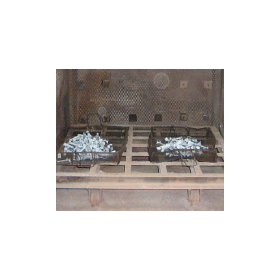
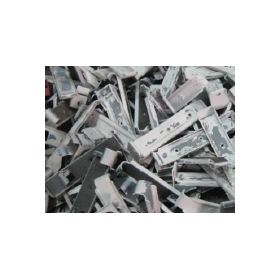
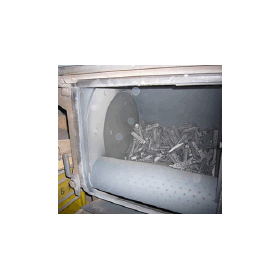
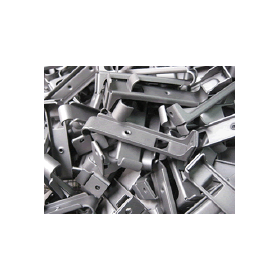
"PPC" refers to a service that means Peeling, Paint, and Cleaning. We offer proposals for pretreatment and paint stripping. In pretreatment, we perform zinc phosphate treatment in barrels, accommodating mass production of iron products in palm-sized units, ranging from 1,000 to 10,000 pieces. We contribute to addressing challenges such as searching for subcontractors due to the lack of in-house facilities. For stripping, we carry out chemical treatment with ultrasound and stripping solution, heating treatment with micro-heaters, and polishing treatment with blast equipment. This removes paint accumulated on in-house jigs, leading to cost reduction. Please feel free to contact us when you need our services. 【Processing Methods】 ■ Zinc phosphate treatment in barrels ■ Chemical treatment with ultrasound and stripping solution ■ Heating treatment with micro-heaters ■ Polishing treatment with blast equipment *For more details, please download the PDF or feel free to contact us.

  • ?PPC 画像2.png
  • ?PPC 画像3.png
  • ?PPC 画像4.png
  • ?PPC 画像5.png
  • ?PPC 画像6.png
  • ?PPC 画像7.png
  • ?PPC 画像8.png
  • Surface treatment contract service
  • Pretreatment

Added to bookmarks

Bookmarks list

Bookmark has been removed

Bookmarks list

You can't add any more bookmarks

By registering as a member, you can increase the number of bookmarks you can save and organize them with labels.

Free membership registration

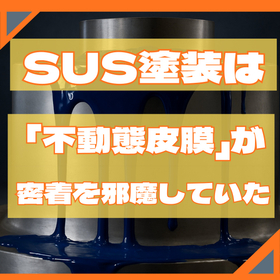
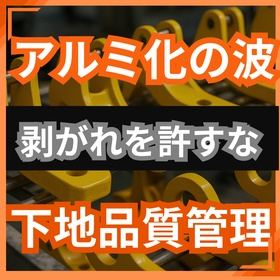
The SUS coating was hindered by the "passivation film" from adhering properly.

Explanation of measures against poor adhesion and peeling due to the unique passive film of stainless steel.

Stainless steel has high corrosion resistance, but it is a material that is difficult for paint to adhere to. There are cases where the passive film on the surface repels the coating. Sandblasting or a special primer may be required. Pre-treatment specifically for stainless steel is important. We also provide detailed examples of improvements in publicly available materials.

  • others
  • Pretreatment

Added to bookmarks

Bookmarks list

Bookmark has been removed

Bookmarks list

You can't add any more bookmarks

By registering as a member, you can increase the number of bookmarks you can save and organize them with labels.

Free membership registration

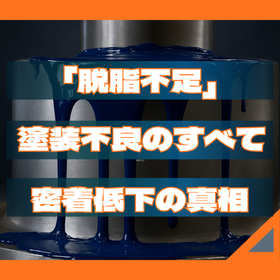
Insufficient degreasing is the root cause of all painting defects and reduced adhesion.

The reason for the persistent paint peeling and pinholes may be the invisible residue of oil.

Degreasing is an important process in the pre-painting stage that greatly affects the adhesion of the paint film. If the removal of oil, dust, and oxide films is insufficient, the adhesion of the paint film will decrease, leading to many defects such as paint peeling, pinholes, and variations in film thickness.

  • others
  • Pretreatment

Added to bookmarks

Bookmarks list

Bookmark has been removed

Bookmarks list

You can't add any more bookmarks

By registering as a member, you can increase the number of bookmarks you can save and organize them with labels.

Free membership registration

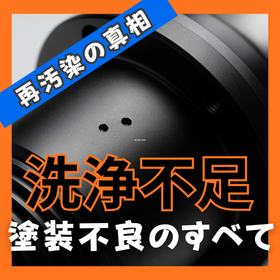
Insufficient cleaning is the cause of all painting defects and the truth behind recontamination.

The peeling paint and pinholes are not decreasing. The cause may not be due to degreasing, but rather residual chemicals from insufficient cleaning or recontamination.

The cleaning process is a crucial step that removes residual chemicals and fine dirt left after degreasing. However, in practice, there are many cases where it is judged that "there is no problem because we are rinsing with water." In reality, insufficient cleaning can lead to the residual chemical components remaining on the material's surface, which can vaporize during curing, resulting in pinholes or paint film lifting. This is particularly likely to occur with complex-shaped parts, where defects due to liquid pooling can easily arise. This is actually a point that is often overlooked. There are cases where the cleaning water itself is contaminated. Furthermore, in some cases, the final rinse water is managed based on a conductivity standard of 50 microsiemens per centimeter or less. Deterioration of water quality can lead to adhesion failures or whitening phenomena. A common misunderstanding in the field is the belief that "as long as degreasing is done, there is no problem." By reviewing the cleaning conditions, there are many cases where the defect rate can be improved. Actual improvement cases are also detailed in publicly available materials.

  • others
  • Pretreatment

Added to bookmarks

Bookmarks list

Bookmark has been removed

Bookmarks list

You can't add any more bookmarks

By registering as a member, you can increase the number of bookmarks you can save and organize them with labels.

Free membership registration

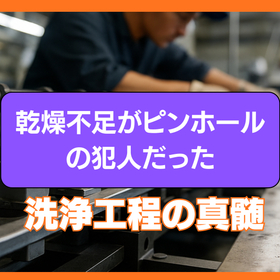
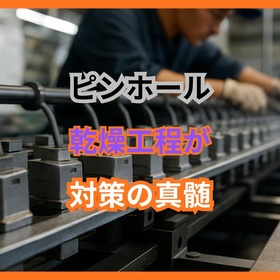
Insufficient drying was the culprit behind the pinholes, the essence of the cleaning process.

Are you overlooking the drying process after cleaning? In fact, residual moisture may be causing pinholes and blisters.

The drying process after cleaning is an important management item that affects painting quality. However, on-site, there are often cases where it is judged that "there is no problem because it looks dry." In reality, there may be fine moisture remaining on the surface of the material or inside gaps. If painting is done in this state, moisture can evaporate during curing, leading to pinholes, blisters, or delamination of the paint film. This is actually a point that is often overlooked. Complex-shaped parts tend to retain moisture inside. Furthermore, in drying ovens, temperatures are often managed at around 80 to 120 degrees, but there may be cases where the oven temperature does not match the product temperature. A common misconception on-site is the belief that "it's safe because it has passed through the drying oven." By reviewing the drying conditions, there are many cases where quality can be stabilized. Actual improvement cases are also detailed in publicly available materials.

  • others
  • Pretreatment

Added to bookmarks

Bookmarks list

Bookmark has been removed

Bookmarks list

You can't add any more bookmarks

By registering as a member, you can increase the number of bookmarks you can save and organize them with labels.

Free membership registration

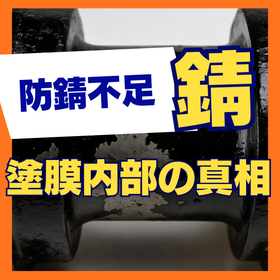
Insufficient rust prevention is the cause of all rust reoccurrence: the truth within the coating.

Has rust reappeared after a while since painting? The cause may not be the paint film, but rather corrosion of the substrate due to insufficient rust prevention treatment.

Rust that reappears after painting may not be due to the paint film itself, but rather insufficient anti-corrosion treatment. However, on-site, it is often mistakenly judged that "since it has been painted, it won't rust." In reality, if fine red rust or corrosion components remain on the surface of the material, corrosion can progress inside the paint film and manifest as reappearing rust months later. This is especially significant at welded joints and cut surfaces, where the effects of insufficient anti-corrosion treatment are more pronounced. This is actually a point that is often overlooked. Even if it looks clean on the outside, corrosion reactions are progressing inside the paint film. Furthermore, if anti-corrosion primer is not applied after blast treatment and left unattended, reappearing rust can rapidly progress in conditions of over 60 percent humidity. A common misconception on-site is the belief that "if the topcoat is thick enough, there will be no problem." By reviewing the anti-corrosion process, there are cases where reappearing rust can be significantly improved. Actual improvement cases are also detailed in publicly available materials.

  • others
  • Pretreatment

Added to bookmarks

Bookmarks list

Bookmark has been removed

Bookmarks list

You can't add any more bookmarks

By registering as a member, you can increase the number of bookmarks you can save and organize them with labels.

Free membership registration

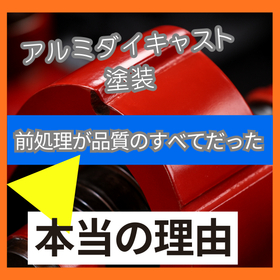
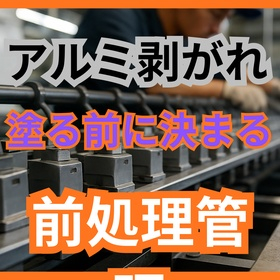
Aluminum die casting coating's pre-treatment was everything for quality.

The quality of the pre-treatment greatly affects adhesion. What processes should be checked before the paint and equipment?

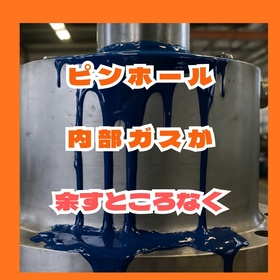
In aluminum die casting painting, it is not an exaggeration to say that the pre-treatment determines the quality. No matter how high-performance the paint used is, if the pre-treatment is insufficient, it can lead to poor adhesion and paint film peeling. One often overlooked factor is the specific contaminants of the material. Aluminum die casting tends to retain release agents and processing oils, and if painting is done without adequate degreasing, the paint film will not adhere properly. Additionally, the oxide film can also cause a decrease in adhesion. Furthermore, in baked coatings, heating to around 180°C can cause internal gases to expand, potentially leading to blisters and pinholes. Therefore, gas countermeasures during the pre-treatment stage are also important. On-site, there is often a tendency to focus solely on the painting process, but many issues arise before painting. By properly performing degreasing, surface adjustment, and chemical treatment, adhesion and durability can be improved. To stabilize quality, it is necessary to manage not only the painting conditions but the entire pre-treatment process. We have published materials summarizing cases where improvements were made by reviewing the pre-treatment process. If you have similar challenges, please refer to them.

  • others
  • Pretreatment

Added to bookmarks

Bookmarks list

Bookmark has been removed

Bookmarks list

You can't add any more bookmarks

By registering as a member, you can increase the number of bookmarks you can save and organize them with labels.

Free membership registration

[Development Product] Adhesive for Dissimilar Material Applications - Thin Film Adhesion Coating Agent / Plating Pretreatment

Achieve adhesion of dissimilar materials with resin through the anchor effect of surface shape! Can be applied as a pre-treatment primer for electroless plating!

It has good adhesion to metals and glass with a thin film of several hundred nanometers, and achieves bonding of dissimilar materials with resin through the anchoring effect of the surface shape. It can also be applied as a pre-treatment primer for electroless plating. *For more details, please refer to the catalog or feel free to contact us.

  • 接着剤.png
  • 接着C.jpg
  • plastic
  • Glass
  • Other polymer materials
  • Pretreatment

Added to bookmarks

Bookmarks list

Bookmark has been removed

Bookmarks list

You can't add any more bookmarks

By registering as a member, you can increase the number of bookmarks you can save and organize them with labels.

Free membership registration

Change the surface to one that allows paint to "adhere" | Pre-treatment for painting using atmospheric pressure plasma.

Atmospheric pressure plasma pre-treatment for coating

To maximize the performance of coatings, surface preparation (surface modification) is essential. Our atmospheric pressure plasma equipment modifies the surface of materials in a non-contact manner at atmospheric pressure, significantly improving the adhesion, durability, and uniformity of coatings. It accommodates a wide range of materials, including resins, metals, glass, and ceramics, and realizes surface preparation that allows coatings to exhibit their inherent performance without the use of chemicals and in a non-contact manner. *The effectiveness may vary depending on the compatibility with the material and coating. To confirm the optimal effects for your products and processing targets, we conduct preliminary tests. Upon request, we can also provide on-site testing at our lab or rental services for test equipment. Please verify the reliable effects of atmospheric pressure plasma at your location.

  • Plasma surface treatment equipment
  • Pretreatment

Added to bookmarks

Bookmarks list

Bookmark has been removed

Bookmarks list

You can't add any more bookmarks

By registering as a member, you can increase the number of bookmarks you can save and organize them with labels.

Free membership registration

What is the best method for scale removal from fine parts?

[Trouble Resolution] This explains an efficient method for scale removal of fine parts.

The removal of black scale and heat treatment scale affects the corrosion resistance of the product and the finish of surface treatments such as plating. Generally, scale removal is performed using methods such as: - Shot blasting (for mass-produced items or large parts) - Grinding and polishing (for localized removal or small parts, in small quantities) - Chemical treatments such as pickling (regardless of quantity, size, or shape). Mechanical methods like shot blasting and grinding can be challenging for fine parts. Scale removal for fine parts is often done through chemical treatment; however, unlike mechanical methods that physically grind away the material, there may be residual strong scale or impurities left behind, which can result in an uneven finish in plating. Our "acid barrel polishing" combines the effects of chemical dissolution using acid and physical polishing through barrel polishing, making it a scale removal method suitable for fine parts. This method allows for efficient scale removal, burr removal, and pre-treatment for plating of fine parts, leading to a reduction in processing time. Prototyping is also possible, so please feel free to contact us.

Added to bookmarks

Bookmarks list

Bookmark has been removed

Bookmarks list

You can't add any more bookmarks

By registering as a member, you can increase the number of bookmarks you can save and organize them with labels.

Free membership registration

Openair-Plasma Pretreatment in the Digital Printing Industry

Perfect quality automation and cost management with Openair-Plasma!

By performing cleaning and pretreatment using "Openair-Plasma," it is possible to achieve perfect quality at high speed with high-performance inkjet print heads and UV-curing inks. It enables clear printing down to the finest details while significantly reducing substrate costs. 【Features】 ■ Deep cleaning through physical cleaning (sandblasting + ion) utilizing Openair-Plasma ■ Enhances surface tension, optimizes paint adhesion and wettability, and achieves long-term stabilization ■ Does not generate wastewater containing chemical residues or solvents ■ Completely dry process ■ Fully automated inline solution with automatic monitoring functions *For more details, please refer to the PDF document or feel free to contact us.

  • Plasma Generator
  • Plasma surface treatment equipment
  • Printing Machinery
  • Pretreatment

Added to bookmarks

Bookmarks list

Bookmark has been removed

Bookmarks list

You can't add any more bookmarks

By registering as a member, you can increase the number of bookmarks you can save and organize them with labels.

Free membership registration

Automatic press machine, maximum 35 tons, fluorescent X-ray analysis, pretreatment.

[Video available] Compact and can be placed on a desk! Ideal for use in laboratories! Apply a hydraulic pressure of up to 35 tons to create highly uniform pellets from powdered samples!

The Cole-Parmer automatic press machine 'X-Press 3636' is a device that produces highly uniform pellets suitable for fluorescent X-ray analysis and infrared spectroscopy by applying a maximum pressure of 35 tons through an automatic hydraulic press. With program settings via a touch panel, it is easy to set detailed parameters for weight pressure, pressure holding time, and pressure release time. This allows for the creation of uniform samples. By using a dedicated die set, it ensures even pressure application on the samples, enabling appropriate sample molding for analytical measurements. Die set sample sizes: 13mm, 31mm, 35mm, 40mm.

  • スクリーンショット 2022-02-04 16.30.06.png
  • スクリーンショット 2022-06-02 11.00.22.png
  • スクリーンショット 2022-06-02 11.00.36.png
  • スクリーンショット 2022-06-02 11.00.54.png
  • スクリーンショット 2022-06-02 11.01.07.png
  • スクリーンショット 2022-06-02 11.01.24.png
  • スクリーンショット 2022-06-02 11.01.44.png
  • スクリーンショット 2022-06-02 11.02.25.png
  • スクリーンショット 2022-06-02 11.03.17.png
  • Other physicochemical equipment
  • Powder Molding Machine
  • Pretreatment

Added to bookmarks

Bookmarks list

Bookmark has been removed

Bookmarks list

You can't add any more bookmarks

By registering as a member, you can increase the number of bookmarks you can save and organize them with labels.

Free membership registration

[Application Note] Sample Preparation for Catecholamine Metabolites in Plasma

Sample preparation for the analysis of acidic catecholamine metabolites in plasma using LC-MS/MS with ISOLUTE SLE+.

This application note describes a sample preparation protocol using a liquid extraction method for the detection of three types of acidic catecholamine metabolites in plasma (vanillylmandelic acid, homovanillic acid, and 5-hydroxyindoleacetic acid) by LC-MS/MS. The method described in this application note demonstrates high linearity (greater than 0.995) in the range of 2 to 200 ng/mL for these target analytes, along with good reproducibility and high recovery rates (over 80%, RSD below 5%). ISOLUTE SLE+ liquid extraction plates and columns provide an efficient alternative for sample preparation in bioanalysis, replacing traditional liquid-liquid extraction (LLE). By using ISOLUTE SLE+, high recovery rates can be achieved without the formation of emulsions, significantly reducing the effort required for sample preparation. *You can download the English version of the catalog. *For more details, please refer to the PDF document or feel free to contact us.

  • Other physicochemical equipment
  • Pretreatment

Added to bookmarks

Bookmarks list

Bookmark has been removed

Bookmarks list

You can't add any more bookmarks

By registering as a member, you can increase the number of bookmarks you can save and organize them with labels.

Free membership registration

[Application Note] Pre-treatment for Thyroid Hormones in Serum

Sample preparation for the analysis of thyroid hormones in serum using LS-MS/MS with EVOLUTE EXPRESS AX.

This application note describes a sample preparation method using polymer-based strong anion exchange mixed-mode solid-phase extraction for the analysis of thyroid hormones T3, rT3, and T4 in serum by LC-MS/MS. Using the EVOLUTE EXPRESS AX 30 mg fixed well plate format, thyroid hormones (T3, rT3, and T4) were extracted from 200 μL of serum. A high recovery rate with good reproducibility was achieved, while minimizing the co-elution of phospholipids, resulting in a quantification limit of less than 50 pg/mL. *You can download the English version of the catalog. *For more details, please refer to the PDF document or feel free to contact us.

  • Other physicochemical equipment
  • Pretreatment

Added to bookmarks

Bookmarks list

Bookmark has been removed

Bookmarks list

You can't add any more bookmarks

By registering as a member, you can increase the number of bookmarks you can save and organize them with labels.

Free membership registration

[Application Note] Sample Preparation for Catecholamines and Metanephrines

Pre-treatment for the analysis of catecholamines and metanephrines in plasma using LC-MS/MS with EVOLUTE EXPRESS WCX.

This application note describes a sample preparation method using mixed-mode weak cation exchange solid-phase extraction for the analysis of three catecholamines (epinephrine, norepinephrine, dopamine) and three metanephrine metabolites (metanephrine, normetanephrine, 3-methoxytyramine) in plasma by LC-MS/MS. The method used here achieves reproducibility and high recovery rates for many common catecholamines in plasma. The EVOLUTE EXPRESS SPE products dramatically improve flow-through properties and enhance the productivity of sample preparation. A simple and rapid Load-Wash-Elute protocol is available for sample preparation, eliminating the steps of column conditioning and equilibration. *You can download the English version of the catalog. *For more details, please refer to the PDF materials or feel free to contact us.

  • Other physicochemical equipment
  • Pretreatment

Added to bookmarks

Bookmarks list

Bookmark has been removed

Bookmarks list

You can't add any more bookmarks

By registering as a member, you can increase the number of bookmarks you can save and organize them with labels.

Free membership registration

Chromate treatment (pre-treatment for painting) .com @ Eiwa Kogei Co., Ltd.

Pre-treatment for painting aluminum (aluminum die casting) and zinc die casting, which are difficult for paint to adhere to.

When high quality and adhesion are required for the painting of aluminum (die-cast) and zinc die-cast products, we adopt "chromate treatment," which is a pre-treatment for painting aluminum (zinc). By applying "chromate treatment" to aluminum materials and zinc die-cast products, which are considered difficult for paint to adhere to, we can impart "high adhesion" and "high corrosion resistance." These non-ferrous metal materials often encounter adhesion issues during painting. It is necessary to align the required quality and painting specifications during the design phase of the painting process.

  • others
  • Pretreatment

Added to bookmarks

Bookmarks list

Bookmark has been removed

Bookmarks list

You can't add any more bookmarks

By registering as a member, you can increase the number of bookmarks you can save and organize them with labels.

Free membership registration