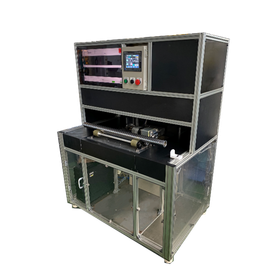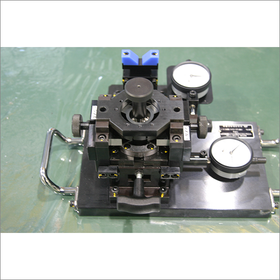
Standardization of painting conditions to prevent color unevenness.
Color unevenness is not just a visual issue. Quality differences arise from four conditions: stirring, dilution, film thickness, and curing.
Color variations and differences between lots can easily lead to complaints when compared by customers. The cause is not only the color of the paint. Slight deviations in four factors—paint stirring, dilution ratio, film thickness, and curing conditions—can change the appearance even with the same color number. Areas with thinner film thickness have reduced rust resistance, while thicker areas can lead to runs or poor drying, making color variations a sign of quality inconsistency. Initially, we check the differences from the standard sample, the lot in question, the orientation of the painted surface, and the film thickness measurements. The countermeasures involve standardizing stirring time, dilution conditions, measurement locations, and curing temperature, as well as keeping records for each lot. Additionally, using standard samples can reduce judgment discrepancies among workers. Addressing color variations not only improves appearance but also helps prevent film thickness issues and runs. Please utilize process verification materials for reviewing condition management. Relying on sensory judgment for color can lead to recurrence. It is important to use numerical records alongside standard samples and share the criteria for pass/fail on-site.
- Company:永和工芸
- Price:Other

![[Blog] International Standardization of Energy Storage Devices such as Lithium-Ion Batteries](https://image.mono.ipros.com/public/product/image/037/2000715926/IPROS64827606055110474655.png?w=280&h=280)






![Pro Manual! [PDF Version - On-Site Procedure Manual] For Standardization of On-Site Work](https://image.mono.ipros.com/public/product/image/e19/2000658434/IPROS45987967169010395691.jpeg?w=280&h=280)






![[Mechatronics Control] Standardizing Procedures with i-ShareDX](https://image.mono.ipros.com/public/product/image/385453/IPROS10243388204297528435.jpg?w=280&h=280)