Damage from ransomware infections is steadily increasing. A slight improvement in convenience can lead to unexpected risks. Let's be mindful of implementing multi-layered intrusion prevention and information leakage countermeasures.
When faced with a ransomware attack, it is crucial to take measures to suppress horizontal expansion and further incursions after internal infiltration in order to mitigate damage.
- Establishing checkpoints
- Registering administrators
Therefore, it is important to designate risk points and knowledgeable individuals, and to categorize the system so that these individuals can decide whether or not to allow data access or tasks to be performed.
Some say, "With zero trust, boundary control measures against intrusions are outdated," but...
Zero trust prevents "horizontal expansion" and "authentication acquisition," and the protection of critical and essential infrastructure requires the premise of "not being connected."
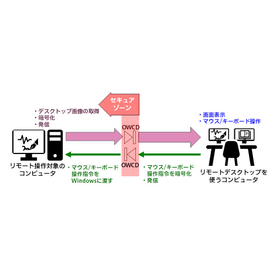
The physical data diode OWCD provides hassle-free "not connected" boundary control. Even with the same boundary control, systems like firewalls that require authentication settings can lead to mistakes or forgetfulness. Each time personnel or systems change, and each time a virus protection patch is released, reconfiguration is necessary, and mistakes can happen at any time... AI is also targeting this, making management and costs challenging.
Users who skillfully combine OWCD to strengthen defenses while improving convenience are rapidly increasing, as are the SIers providing these solutions.
Please refer to our company website for more information, including video explanations. Also, check out the related links below, including contact information.