1~45 item / All 58 items
Displayed results
Filter by category

Added to bookmarks
Bookmarks listBookmark has been removed
Bookmarks listYou can't add any more bookmarks
By registering as a member, you can increase the number of bookmarks you can save and organize them with labels.
Free membership registration
Contact this company
Inquiry FormBefore making an inquiry
Download Profile1~45 item / All 58 items
Filter by category


In this series, we have delivered information about the "development background" and "three core differences in types." In this fourth installment, we will delve into the "TSK Bellows Type Operation Explanation," which may not be very familiar to everyone. We have compiled hints that overturn "unique energy-saving structures" and "assumptions on site." *For more details, please feel free to contact us.*
Added to bookmarks
Bookmarks listBookmark has been removed
Bookmarks listYou can't add any more bookmarks
By registering as a member, you can increase the number of bookmarks you can save and organize them with labels.
Free membership registration
In this series, we have previously delivered information on the "Development Background" and "Operating Principles." In this third installment, we will delve into the "Core Differences Among the Three Main Types of Steam Traps," which are directly related to on-site costs and efforts. We have compiled hints to answer the question, "Which one is the most suitable for our factory?" *For more details, please feel free to contact us.*
Added to bookmarks
Bookmarks listBookmark has been removed
Bookmarks listYou can't add any more bookmarks
By registering as a member, you can increase the number of bookmarks you can save and organize them with labels.
Free membership registration
A steam trap is a device that automatically discharges condensate (drain) generated in steam piping, heat exchangers, dryers, heating equipment, and so on. After steam transfers heat in the process, it turns into condensate. If this condensate remains inside the piping or equipment, it can lead to reduced heat transfer efficiency, water hammer, pipe corrosion, equipment damage, and decreased process quality. Therefore, the basic purposes of a steam trap are as follows: - To properly discharge condensate. - To minimize the loss of live steam. - To prevent excessive accumulation of condensate inside piping and equipment. - To reduce the loss of steam energy. - To ensure stable operation of the equipment. In other words, a steam trap is not just a valve for draining water; it is a device that distinguishes between steam and condensate, discharging only the condensate to minimize steam loss. *For more details, please feel free to contact us.
Added to bookmarks
Bookmarks listBookmark has been removed
Bookmarks listYou can't add any more bookmarks
By registering as a member, you can increase the number of bookmarks you can save and organize them with labels.
Free membership registration
Suddenly, may I ask how often your factory conducts "steam trap inspections"? - Do you have an accurate understanding of the "steam usage" within the factory? - Are "steam trap inspections" carried out regularly? - Are you aware of how much "steam leakage" is occurring, even if it's not visible? If you find yourself thinking, "Hmm, I'm not sure about that..." regarding any of these questions, there may still be significant potential for "cost reduction" in your factory. We would like to introduce the bellows-type steam trap developed by TSK in Korea, which has a unique design that minimizes energy loss compared to traditional disc and float types. It is specifically designed to reduce steam leakage. This can help your company save on costs and reduce CO2 emissions by conserving steam energy loss from the boiler. Would you like to try it, especially on the lines where steam loss is significant? Significant effects can be expected. We have documented examples of energy-saving effects, so please take a look. *For more details, please feel free to contact us.
Added to bookmarks
Bookmarks listBookmark has been removed
Bookmarks listYou can't add any more bookmarks
By registering as a member, you can increase the number of bookmarks you can save and organize them with labels.
Free membership registration
The TSK steam trap is specially designed to reduce steam energy loss, resulting in remarkable differences in "energy efficiency" and "maintainability." TSK is equipped with its own testing facilities in accordance with ISO 7841 standards (ISO 5117:2023). The items measured in the test bed include header or supply steam temperature, temperature on the steam trap side, pressure, tank weight (for discharge drain measurement), and temperature inside the tank. The testing method involves collecting the drain and steam mixture discharged from the steam trap in a tank and comparing the differences in energy loss through temperature rise and weight increase. Would you like to compare the steam energy loss between the steam trap you are currently using and TSK products? Please fill out the hearing sheet in the downloadable materials and feel free to contact us.
Added to bookmarks
Bookmarks listBookmark has been removed
Bookmarks listYou can't add any more bookmarks
By registering as a member, you can increase the number of bookmarks you can save and organize them with labels.
Free membership registration
We would like to introduce a case where our "SYITT OilWater" was implemented to improve productivity in the manufacturing site. The issue was that the heat generated during processing led to a deterioration in tool life and negatively impacted product accuracy. With the introduction of this product, cooling and penetration properties were enhanced. In an environment where similar steel types and difficult-to-machine materials are processed continuously, we achieved a significant improvement in tool life. [Case Overview] ■ Issue: Heat generated during processing leads to deterioration in tool life and negatively impacts product accuracy. ■ Cause: High heat and pressure occur simultaneously due to friction. ■ Previous Specifications: Measures were taken to avoid generating excess processing heat, such as slowing down the processing speed. *For more details, please feel free to contact us.
Added to bookmarks
Bookmarks listBookmark has been removed
Bookmarks listYou can't add any more bookmarks
By registering as a member, you can increase the number of bookmarks you can save and organize them with labels.
Free membership registration
We would like to introduce a case study of our "SYITT OilWater" being implemented for SDGs compliance in manufacturing sites. Traditionally, we replaced processing oil 1 to 3 times a year to improve dirt and odor, which posed a challenge due to CO2 emissions from waste oil disposal. With the introduction of this product, it has become possible to operate without issues with oil changes every 1 to 2 years, leading to a reduction in CO2 emissions associated with waste oil disposal and a decrease in costs. [Case Overview] ■Challenge: CO2 emissions from waste oil disposal ■Cause: A chemical reaction occurs when carbon combines with oxygen in the air during incineration ■Previous Specification: Oil changes were conducted 1 to 3 times a year to improve dirt and odor *For more details, please feel free to contact us.
Added to bookmarks
Bookmarks listBookmark has been removed
Bookmarks listYou can't add any more bookmarks
By registering as a member, you can increase the number of bookmarks you can save and organize them with labels.
Free membership registration
We would like to introduce a case where our "SYITT OilWater" was implemented to improve the working environment in the manufacturing site. Previously, we were troubled by the occurrence of oil mist, unpleasant odors, and stickiness caused by mineral oil, and we addressed this with mist collectors to prevent dispersion and daily cleaning. After implementation, there was no oil mist generated, and the working environment was significantly improved. The mist collector became unnecessary, leading to successful reductions in installation costs and operational expenses. 【Case Overview】 ■ Issue: Occurrence of oil mist, unpleasant odors, and stickiness caused by mineral oil ■ Cause: Mineral oil causes evaporation and thermal decomposition due to processing heat ■ Previous Specification: Use of mist collectors to prevent dispersion to the surroundings ■ Solution: Use of "SYITT OilWater" *For more details, please feel free to contact us.
Added to bookmarks
Bookmarks listBookmark has been removed
Bookmarks listYou can't add any more bookmarks
By registering as a member, you can increase the number of bookmarks you can save and organize them with labels.
Free membership registration
This document is an operational explanation diagram of the "TSK Bellows Steam Trap," which can continuously control the opening and flow rate according to temperature conditions. It provides a clear explanation of the trap installation piping diagram and the continuous control concept of the bellows trap in response to temperature changes, using diagrams and illustrations. It also introduces the state during normal operation and cases that require inspection, so please take a moment to read it. [Contents] ■ Trap installation piping diagram and temperature-responsive flow adjustment concept ■ Continuous control concept of the bellows trap in response to temperature changes ■ Normal operation ■ Inspection required *For more details, please download the PDF or feel free to contact us.
Added to bookmarks
Bookmarks listBookmark has been removed
Bookmarks listYou can't add any more bookmarks
By registering as a member, you can increase the number of bookmarks you can save and organize them with labels.
Free membership registration
We would like to introduce the demonstration and verification tests of the Bellrose-type steam trap in the Koron Industry. In conventional steam traps, issues such as steam leakage and failure frequency have been problematic, leading to the need for reducing steam leakage, maintenance frequency, and replacement work, as well as ensuring long-term stable operation. As a solution, we proposed replacing the existing disc-type and ball float-type traps with the TSK Bellrose type. Demonstration and verification tests were conducted from January 21, 2025, to June 12, 2026, and particularly good results were confirmed in the Process line (20 bar). [Case Summary] ■Challenges - Steam leakage and failure frequency - Steam leakage is often not recognized as a loss, making maintenance easily postponed ■Effects - Satisfactory results were obtained, especially in the Process line (20 bar) - The project has moved to the order waiting stage *For more details, please feel free to contact us.
Added to bookmarks
Bookmarks listBookmark has been removed
Bookmarks listYou can't add any more bookmarks
By registering as a member, you can increase the number of bookmarks you can save and organize them with labels.
Free membership registration
1. Differences in Operating Standards and Emission Types - Disk Type: Operates based on changes in pressure and flow rate. Discharges intermittently in one go, the most familiar type. - Float Type: Operates based on changes in drain water level. Discharges relatively continuously according to the water level. - TSK Bellows Type: Operates based on "temperature changes" of the fluid. Automatically adjusts for small continuous to periodic discharges according to the set temperature. 2. [Attention] Differences in Energy Loss (Energy Efficiency) - Disk Type / Float Type: Due to their structure, they tend to have issues with heat loss from live steam, discharge of flash steam, or discharging high-temperature drain too quickly, leading to sensible heat loss (energy loss). - TSK Bellows Type: Since it discharges drain according to the set temperature, it significantly reduces heat loss discarded to the outside. It also has major advantages in terms of lifespan and replacement cycle. 3. Differences in Maintainability - Disk Type / Float Type: In case of failure, it often requires "replacement of the entire unit" or "disassembly of piping," which can increase the workload and costs. - TSK Bellows Type: The piping remains as is; just open the upper cover and replace the internal parts. The body can be cleaned and reused, dramatically reducing maintenance costs and time.
Added to bookmarks
Bookmarks listBookmark has been removed
Bookmarks listYou can't add any more bookmarks
By registering as a member, you can increase the number of bookmarks you can save and organize them with labels.
Free membership registration
Improvement of the working environment... Reduces the occurrence of oil smoke, odors, and stickiness. Eliminates the need for mist collectors, reducing power costs and cleaning efforts. Contribution to SDGs... Zero preservatives and mineral oils. Zero sulfur, phosphorus, chlorine, and boron. Reduces waste oil generation, lowering waste oil disposal costs and CO2 emissions. Increased productivity... Improves processing efficiency with high cooling, cleaning, and lubrication properties. Reduces wear and extends tool life. Materials: Special steel, stainless steel, carbide, titanium, nickel, cobalt, etc. Processing: Turning, cutting, sawing, robotic drilling, machining, threading, etc. You can view application collections and comparison videos with mineral-based cutting fluids at the following URL: https://youtu.be/3TRZpZ2NokM
Added to bookmarks
Bookmarks listBookmark has been removed
Bookmarks listYou can't add any more bookmarks
By registering as a member, you can increase the number of bookmarks you can save and organize them with labels.
Free membership registration
We compared the cooling performance during cutting processes between general water-soluble cutting oils and temperature. By improving cooling performance, we enhance processing efficiency and extend tool life. 1. Improvement of the working environment… Reduces the occurrence of oil mist, odors, and stickiness. Eliminates the need for mist collectors, reducing cleaning efforts and easing the burden on workers. 2. SDGs compliance… Zero preservatives and mineral oils. Reduces waste oil generation, lowering waste oil disposal costs and CO2 emissions. 3. Increased productivity… Enhances processing efficiency with high cooling, cleaning, and lubricating properties. Reduces wear and extends tool life. Materials: Special steel, stainless steel, carbide, titanium, nickel, cobalt, etc. Processing: Turning, cutting, sawing, robotic drilling, machining, threading, etc. You can view application collections and comparison videos with mineral-based cutting fluids on the following special website.
Added to bookmarks
Bookmarks listBookmark has been removed
Bookmarks listYou can't add any more bookmarks
By registering as a member, you can increase the number of bookmarks you can save and organize them with labels.
Free membership registration
Improvement of the working environment... Reduces the occurrence of oil mist, odors, and stickiness. Eliminates the need for mist collectors, reducing power costs and cleaning efforts. Contribution to SDGs... Zero preservatives and mineral oils. Zero sulfur, phosphorus, chlorine, and boron. Reduces waste oil generation, lowering waste oil treatment costs and CO2 emissions. Increased productivity... Improves processing efficiency with high cooling, cleaning, and lubrication properties. Reduces wear and extends tool life. Materials: Special steel, stainless steel, carbide, titanium, nickel, cobalt, etc. Processing: Turning, cutting, sawing, robotic drilling, machining, threading, etc. You can view application collections and comparison videos with mineral-based cutting fluids at the following URL.
Added to bookmarks
Bookmarks listBookmark has been removed
Bookmarks listYou can't add any more bookmarks
By registering as a member, you can increase the number of bookmarks you can save and organize them with labels.
Free membership registration
Improvement of the working environment... Reduces the occurrence of oil smoke, odors, and stickiness. Eliminates the need for mist collectors, reducing power costs and cleaning efforts. Contribution to SDGs... Zero preservatives and mineral oils. Zero sulfur, phosphorus, chlorine, and boron. Reduces waste oil generation, lowering waste oil disposal costs and CO2 emissions. Increased productivity... Improves processing efficiency with high cooling, cleaning, and lubrication properties. Reduces wear and extends tool life. Materials: Special steel, stainless steel, carbide, titanium, nickel, cobalt, etc. Processing: Turning, cutting, sawing, robotic drilling, machining, threading, etc. You can view application collections and comparison videos with mineral-based cutting fluids at the following URL: https://youtu.be/3TRZpZ2NokM
Added to bookmarks
Bookmarks listBookmark has been removed
Bookmarks listYou can't add any more bookmarks
By registering as a member, you can increase the number of bookmarks you can save and organize them with labels.
Free membership registration
Improvement of the working environment... Reduces the occurrence of oil mist, odors, and stickiness. Eliminates the need for mist collectors, reducing power costs and cleaning efforts. Contribution to SDGs... Zero preservatives and mineral oils. Zero sulfur, phosphorus, chlorine, and boron. Reduces waste oil generation, lowering waste oil treatment costs and CO2 emissions. Increased productivity... Improves processing efficiency with high cooling, cleaning, and lubrication properties. Reduces wear and extends tool life. Materials: Special steel, stainless steel, carbide, titanium, nickel, cobalt, etc. Processing: Turning, cutting, sawing, robotic drilling, machining, threading, etc. You can view application collections and comparison videos with mineral-based cutting fluids at the following URL: https://youtu.be/3TRZpZ2NokM
Added to bookmarks
Bookmarks listBookmark has been removed
Bookmarks listYou can't add any more bookmarks
By registering as a member, you can increase the number of bookmarks you can save and organize them with labels.
Free membership registration
Improvement of working environment... Reduces the occurrence of oil mist, odors, and stickiness. Eliminates the need for mist collectors, reducing power costs and cleaning efforts. Contribution to SDGs... Zero preservatives and mineral oils. Zero sulfur, phosphorus, chlorine, and boron. Reduces waste oil generation, lowering waste oil treatment costs and CO2 emissions. Increased productivity... Improves processing efficiency with high cooling, cleaning, and lubrication properties. Reduces wear and extends tool life. Materials: Special steel, stainless steel, carbide, titanium, nickel, cobalt, etc. Processing: Turning, cutting, sawing, robotic drilling, machining, threading, etc. You can view application collections and comparison videos with mineral-based cutting fluids at the following URL: https://youtu.be/3TRZpZ2NokM
Added to bookmarks
Bookmarks listBookmark has been removed
Bookmarks listYou can't add any more bookmarks
By registering as a member, you can increase the number of bookmarks you can save and organize them with labels.
Free membership registration
We would like to introduce a case study where the introduction of the cutting fluid "SYITT OilWater" at a spring manufacturing factory solved various issues. Previously, water-soluble cutting fluids were used, which caused liquid deterioration leading to product rust. This required frequent liquid changes and cleaning, costing approximately 200,000 yen annually. After the introduction of our product, only topping up is necessary, significantly reducing the workload. There is no strong unpleasant odor like with conventional cutting fluids, making the workspace much more comfortable. We have received feedback that it remains odorless over time, which is appreciated by female workers. 【Case Overview】 ■Challenges - Frequent liquid changes and cleaning were necessary with water-soluble cutting fluids - Cleaning costs amounted to approximately 200,000 yen annually ■Effects - Workload has been significantly reduced - The workspace has become much more comfortable without strong unpleasant odors *For more details, please download the PDF or feel free to contact us.
Added to bookmarks
Bookmarks listBookmark has been removed
Bookmarks listYou can't add any more bookmarks
By registering as a member, you can increase the number of bookmarks you can save and organize them with labels.
Free membership registration
We would like to introduce a case where the introduction of the cutting fluid "SYITT OilWater" at a machining factory solved various issues. The work environment deteriorated due to oil mist, leading to increased waste oil disposal costs and shorter tool life, which pressured productivity and management. There were also challenges in maintaining hygiene standards for medical-grade wire materials. After the introduction, there was no oil mist at all, and a significant benefit was that workers no longer had odors on their hair or clothing. We received feedback that this led to substantial cost reductions, including the elimination of the need for mist collectors and the implementation of store-type air conditioning instead of industrial units. [Challenges] - Deterioration of the work environment due to oil mist, increased waste oil disposal costs, and shorter tool life, all of which pressured productivity and management. - Difficulties in hygiene compliance for medical-grade wire materials. *For more details, please download the PDF or feel free to contact us.*
Added to bookmarks
Bookmarks listBookmark has been removed
Bookmarks listYou can't add any more bookmarks
By registering as a member, you can increase the number of bookmarks you can save and organize them with labels.
Free membership registration
In the food manufacturing industry, there is a demand for improving energy efficiency in the heating process. Particularly in processes where temperature control is crucial, it is important to eliminate steam waste and achieve stable heating. Steam leaks and energy losses can lead to a decline in product quality and increased costs. Our steam traps utilize the sensible heat of condensate and prevent steam leaks, contributing to improved heating efficiency. 【Application Scenarios】 - Heating, sterilization, drying, and fermentation processes of food - Manufacturing lines where temperature control is important - Factories aiming to reduce energy costs 【Benefits of Implementation】 - Reduction of steam energy loss and stabilization of processes - Reduction of CO2 emissions - Achievement of energy savings
Added to bookmarks
Bookmarks listBookmark has been removed
Bookmarks listYou can't add any more bookmarks
By registering as a member, you can increase the number of bookmarks you can save and organize them with labels.
Free membership registration
In the chemical plant industry, improving the efficiency of reaction processes and reducing energy costs are important challenges. In particular, efficient use of steam energy is required in heat recovery from reactions. The performance of steam traps significantly impacts the stability and economy of the process. Steam leaks and energy losses are factors that decrease the overall efficiency of the plant. Our steam traps contribute to improving plant efficiency by eliminating waste of steam energy through the utilization of sensible heat from condensate. 【Application Scenarios】 - Reaction heat recovery processes - Steam piping systems - Heat exchangers, tracing 【Benefits of Implementation】 - Savings on steam energy - Reduction in CO2 emissions - Decrease in plant operating costs
Added to bookmarks
Bookmarks listBookmark has been removed
Bookmarks listYou can't add any more bookmarks
By registering as a member, you can increase the number of bookmarks you can save and organize them with labels.
Free membership registration
In the pharmaceutical industry, efficient use of steam energy in the sterilization process is essential to maintain product quality. In particular, steam leaks and energy losses during the sterilization process not only lead to increased costs but also contribute to environmental burdens. Our steam traps help eliminate waste of steam energy by maximizing the sensible heat of condensate, thereby contributing to the reduction of sterilization costs. They are made of stainless steel and are suitable for clean steam applications. They are classified as safe substances on the MSDS (Material Safety Data Sheet). 【Usage Scenarios】 - Sterilization equipment in pharmaceutical factories - Research facilities - Clean rooms 【Benefits of Implementation】 - Reduction in steam usage - Reduction in CO2 emissions - Reduction in running costs
Added to bookmarks
Bookmarks listBookmark has been removed
Bookmarks listYou can't add any more bookmarks
By registering as a member, you can increase the number of bookmarks you can save and organize them with labels.
Free membership registration
In the pulp and paper industry, the efficient use of steam energy in the drying process is key to improving productivity and reducing costs. In particular, uneven drying and energy loss can lead to a decline in product quality and an increase in energy costs. Our steam traps enhance drying efficiency by maximizing the sensible heat of condensate, thereby reducing waste of steam energy. 【Application Scenarios】 - Drying process in pulp and paper mills - Drying section of paper machines - Steam piping for drying equipment 【Benefits of Implementation】 - Reduction in steam energy costs - Improvement in drying efficiency - Reduction in CO2 emissions
Added to bookmarks
Bookmarks listBookmark has been removed
Bookmarks listYou can't add any more bookmarks
By registering as a member, you can increase the number of bookmarks you can save and organize them with labels.
Free membership registration
In the petroleum refining industry, the efficiency of the distillation process is crucial for cost reduction and minimizing environmental impact. The efficient use of steam energy affects the performance of distillation columns and contributes to the stabilization of product quality. Steam traps help eliminate waste of steam energy by maximizing the use of the latent heat of condensate, supporting the optimization of the distillation process. 【Application Scenarios】 - Distillation columns - Heat exchangers - Reboilers 【Benefits of Implementation】 - Reduction in steam usage - Reduction in energy costs - Reduction in CO2 emissions
Added to bookmarks
Bookmarks listBookmark has been removed
Bookmarks listYou can't add any more bookmarks
By registering as a member, you can increase the number of bookmarks you can save and organize them with labels.
Free membership registration
In the textile dyeing process, temperature management is a crucial factor that affects quality. Temperature variations can compromise the uniformity of dyeing and lead to a decline in product quality. In particular, the efficiency of the steam supply system greatly impacts the stability of temperature management. The performance of steam traps is essential to prevent energy loss due to steam leakage and to enable stable temperature supply. Our steam traps improve energy efficiency by utilizing the sensible heat of condensate, thereby supporting stable temperature management. 【Usage Scenarios】 - Temperature management of dyeing machines - Temperature management in the drying process - Steam supply lines from boilers 【Benefits of Implementation】 - Savings on steam energy - Stabilization of temperature management - Reduction of CO2 emissions
Added to bookmarks
Bookmarks listBookmark has been removed
Bookmarks listYou can't add any more bookmarks
By registering as a member, you can increase the number of bookmarks you can save and organize them with labels.
Free membership registration
In the hotel's hot water supply system, efficient energy use is crucial. In particular, hot water supply in guest rooms and restaurants is a significant factor that puts pressure on utility costs. Malfunctions in steam traps can lead to energy loss due to steam leaks, resulting in increased costs. Our steam traps improve energy efficiency by utilizing the sensible heat of condensate, contributing to cost reduction. 【Usage Scenarios】 - Guest room hot water supply system - Restaurant kitchen - Laundry 【Benefits of Implementation】 - Reduction of steam energy loss and suppression of noise generated by steam traps (below 72dB) - Reduction of CO2 emissions - Achievement of energy savings
Added to bookmarks
Bookmarks listBookmark has been removed
Bookmarks listYou can't add any more bookmarks
By registering as a member, you can increase the number of bookmarks you can save and organize them with labels.
Free membership registration
In university research facilities, a stable steam supply is essential. To ensure the accuracy of experiments and the safety of equipment, efficient use of steam energy and trouble-free operation are required. The performance of steam traps can impact the quality of research. Our steam traps contribute to the stable operation of research facilities by reducing waste of steam energy through the utilization of the sensible heat of condensate. They operate normally without damage even if high-pressure steam is accidentally supplied during low-pressure testing. (In this case, the drainage discharge cycle will be longer.) 【Usage Scenarios】 - Laboratory experimental equipment - Air conditioning systems - Heat supply systems 【Benefits of Implementation】 - Savings on steam energy - Stable operation of equipment - Reduction in CO2 emissions
Added to bookmarks
Bookmarks listBookmark has been removed
Bookmarks listYou can't add any more bookmarks
By registering as a member, you can increase the number of bookmarks you can save and organize them with labels.
Free membership registration
In the air conditioning system of data centers, energy efficiency is a crucial issue. Particularly in air conditioning equipment that utilizes steam, the loss of steam energy becomes a factor that increases operational costs. Steam traps help reduce this steam energy loss and contribute to alleviating the air conditioning load. 【Usage Scenarios】 - Air conditioning equipment in data centers - Humidifiers that utilize steam - Heat exchangers 【Benefits of Implementation】 - Savings on steam energy - Reduction in CO2 emissions - Decrease in operational costs
Added to bookmarks
Bookmarks listBookmark has been removed
Bookmarks listYou can't add any more bookmarks
By registering as a member, you can increase the number of bookmarks you can save and organize them with labels.
Free membership registration
In the shipbuilding industry's painting and drying process, efficient heat source supply and reduction of energy costs are required. In particular, temperature management, which affects painting quality, and energy loss due to steam leaks are significant challenges. Our steam traps improve energy efficiency and reduce running costs by reusing the latent heat of condensate. 【Usage Scenarios】 - Painting and drying booths at shipyards - Temperature management in the painting process - Measures against energy loss from steam piping 【Effects of Implementation】 - Reduction of energy costs - Stabilization of painting quality - Reduction of CO2 emissions
Added to bookmarks
Bookmarks listBookmark has been removed
Bookmarks listYou can't add any more bookmarks
By registering as a member, you can increase the number of bookmarks you can save and organize them with labels.
Free membership registration
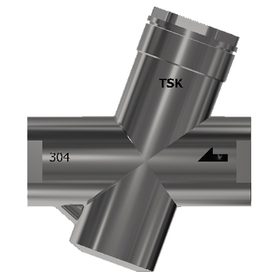
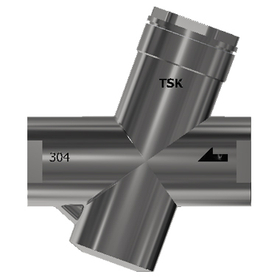
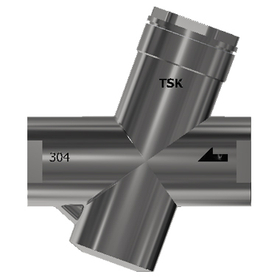
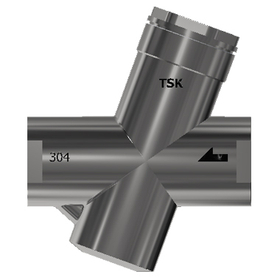
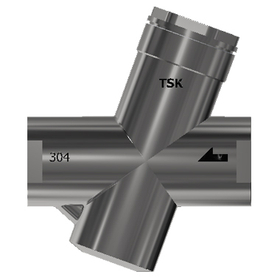
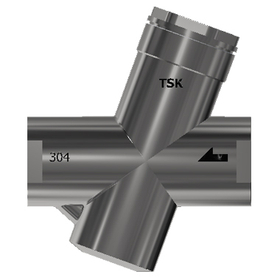
The TS-S40A has a diameter of 40A (1-1/2") and is made of stainless steel for both the body and internal components, providing excellent corrosion resistance. It fundamentally incorporates a bellows and strainer that expand and contract according to temperature, preventing steam leakage and allowing for the utilization of sensible heat from condensate, making it the best steam-saving product. ◎ Since it is temperature adjustable, a control valve is not necessary. ◎ Its structure prevents freezing, allowing for outdoor installation as well as vertical and horizontal placement. ◎ It is possible to conduct comparative tests of the steam trap currently in use at your company and the amount of steam energy loss using the TEST BENCH system developed by TSK in collaboration with Yokogawa Electric (Korea), in accordance with KS B ISO7841 standards.
Added to bookmarks
Bookmarks listBookmark has been removed
Bookmarks listYou can't add any more bookmarks
By registering as a member, you can increase the number of bookmarks you can save and organize them with labels.
Free membership registration
In the automotive parts cleaning field, efficient cleaning and cost reduction are required. In particular, the efficiency of steam energy utilization in the cleaning process significantly impacts running costs. Steam leaks and energy losses not only lead to increased costs but also contribute to environmental burdens. Our steam traps maximize the sensible heat of condensate and eliminate waste of steam energy. 【Application Scenarios】 - Automotive parts cleaning process - Pre-treatment process for painting - Degreasing process for metal parts 【Effects of Implementation】 - Reduction in steam usage - Reduction in running costs - Reduction in CO2 emissions
Added to bookmarks
Bookmarks listBookmark has been removed
Bookmarks listYou can't add any more bookmarks
By registering as a member, you can increase the number of bookmarks you can save and organize them with labels.
Free membership registration
We have published a specification, dimensions, and price list for our special steel and some stainless steel scrap materials.
Added to bookmarks
Bookmarks listBookmark has been removed
Bookmarks listYou can't add any more bookmarks
By registering as a member, you can increase the number of bookmarks you can save and organize them with labels.
Free membership registration
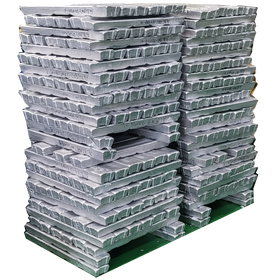
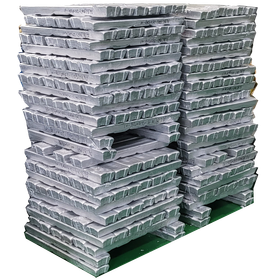
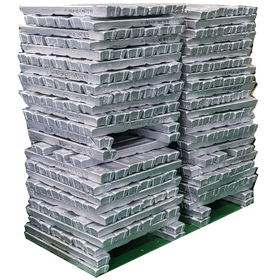
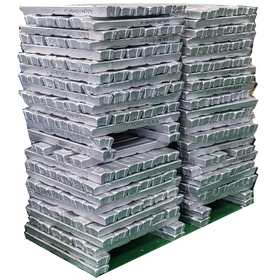
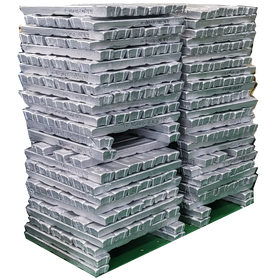
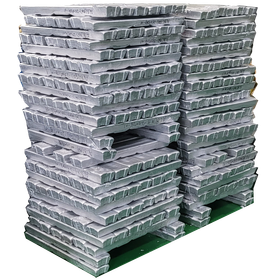
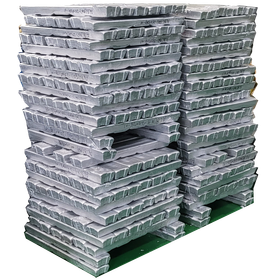
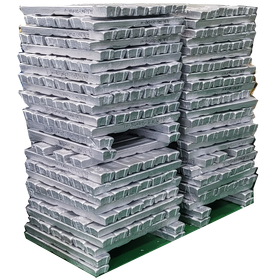
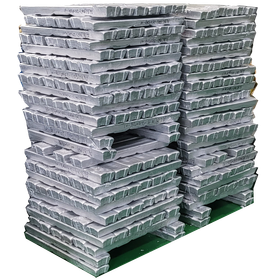
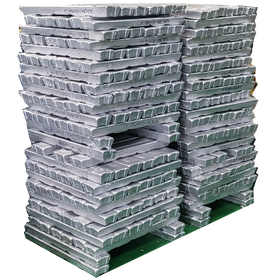
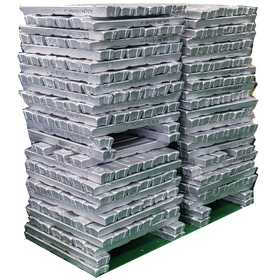
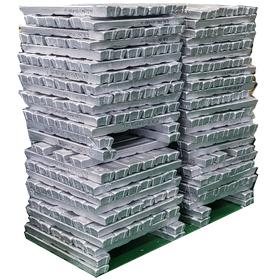
Features of GAM AL8 1. High strength & ultra-high ductility & low specific gravity (2.51g/cm³) TS 299–372 MPa YS 165–195 MPa Elongation 11–17% *Test specimen: ASTM E8 Casting method: Die casting 2. High corrosion resistance Complies with PFAS regulations without copper 3. Non-heat-treated, allowing for total cost reduction. 1) Heat treatment costs 2) Labor costs 3) Reduced material costs through weight reduction 4) Shortened production time 5) Does not contain harmful elements or expensive rare metals 4. Environmentally friendly 1) Reduction of CO2 emissions through non-heat treatment 2) Reduced electricity consumption 3) Carbon tax reduction 5. Good fluidity
Added to bookmarks
Bookmarks listBookmark has been removed
Bookmarks listYou can't add any more bookmarks
By registering as a member, you can increase the number of bookmarks you can save and organize them with labels.
Free membership registration
Features of GAM AL7 1. High Strength High tensile strength, yield strength, and fatigue strength. 2. Non-heat treatment allows for total cost reduction. 1) Heat treatment costs 2) Labor costs 3) Reduced material costs through weight reduction 4) Shortened production time 5) Does not contain harmful elements or expensive rare metals. 3. Environmentally friendly 1) Reduction of CO2 emissions due to non-heat treatment 2) Decreased electricity usage 3) Reduction in carbon tax. 4. Good fluidity (equivalent to ADC12) AL7 is in stock, so trials can be conducted in small quantities. Please contact us.
Added to bookmarks
Bookmarks listBookmark has been removed
Bookmarks listYou can't add any more bookmarks
By registering as a member, you can increase the number of bookmarks you can save and organize them with labels.
Free membership registration
In the field of drones, it is important to achieve both lightweight airframes and ensure the strength of structural components. GAM AL7 has high strength and fatigue characteristics, contributing to the durability of structural components. Additionally, the non-heat treatment process also contributes to improved production efficiency. 【Application Scenarios】 - Structural components of drone airframes - Parts used under high load conditions - Parts that require durability 【Effects of Implementation】 - Improved structural stability - Compatibility with lightweight structural design - Increased productivity through non-heat treatment
Added to bookmarks
Bookmarks listBookmark has been removed
Bookmarks listYou can't add any more bookmarks
By registering as a member, you can increase the number of bookmarks you can save and organize them with labels.
Free membership registration
In the automotive industry, reducing vehicle weight is a crucial challenge for improving fuel efficiency and reducing CO2 emissions. The adoption of high-strength, lightweight materials is essential for addressing this issue. GAM AL7 does not require heat treatment, allowing for reduced manufacturing costs while achieving high strength. This contributes to the lightweighting and durability enhancement of automotive parts. 【Application Scenarios】 - Automotive parts (e.g., engine components, chassis components) - Improved fuel efficiency through weight reduction - Reduction of CO2 emissions 【Benefits of Implementation】 - Reduction in material costs - Shortened production time - Decreased environmental impact
Added to bookmarks
Bookmarks listBookmark has been removed
Bookmarks listYou can't add any more bookmarks
By registering as a member, you can increase the number of bookmarks you can save and organize them with labels.
Free membership registration
In the field of power tools and industrial equipment, high strength and durability that can withstand repeated loads and impacts are required. GAM AL7 ensures high strength even in a non-heat-treated state, contributing to the reliability of structural components. Additionally, it allows for the omission of heat treatment processes, thereby contributing to increased productivity and cost reduction. [Application Scenarios] - Power tool housings - Structural components of industrial equipment - Parts subjected to high loads and repeated use [Effects of Implementation] - Improved product durability and lifespan - Reduced manufacturing costs due to non-heat treatment - Shortened production lead times
Added to bookmarks
Bookmarks listBookmark has been removed
Bookmarks listYou can't add any more bookmarks
By registering as a member, you can increase the number of bookmarks you can save and organize them with labels.
Free membership registration
In the robotics industry, the rigidity of structural components and durability against repetitive motion are important factors. GAM AL7 has high strength and fatigue characteristics, contributing to the stability of structural components. Additionally, being a non-heat-treated material, it also contributes to the simplification of the manufacturing process. 【Application Scenes】 - Robot frames and structural components - Arms and housings - Parts requiring high strength 【Effects of Introduction】 - Improvement of structural rigidity and stability - Assurance of durability against repeated loads - Increased manufacturing efficiency due to non-heat treatment
Added to bookmarks
Bookmarks listBookmark has been removed
Bookmarks listYou can't add any more bookmarks
By registering as a member, you can increase the number of bookmarks you can save and organize them with labels.
Free membership registration
Features of GAM AL8 1. High strength & ultra-high ductility & low specific gravity (2.65g/cm³) TS 299–372 MPa YS 165–195 MPa Elongation 11–17% 2. High corrosion resistance Complies with PFAS regulations without copper 3. Reduces total costs due to non-heat treatment. 1) Heat treatment costs 2) Labor costs 3) Reduced material costs through weight reduction 4) Shortened production time 5) Does not contain harmful elements or expensive rare metals 4. Environmentally friendly 1) Reduction of CO2 emissions due to non-heat treatment 2) Reduced electricity consumption 3) Carbon tax reduction 5. Good fluidity
Added to bookmarks
Bookmarks listBookmark has been removed
Bookmarks listYou can't add any more bookmarks
By registering as a member, you can increase the number of bookmarks you can save and organize them with labels.
Free membership registration
In the railway industry, materials that can maintain stable performance under repeated loads and vibration environments over long periods are required. GAM AL7 has high strength and fatigue characteristics, contributing to the reliability of structural components. Additionally, the non-heat treatment process also contributes to improved manufacturing efficiency. 【Application Scenarios】 - Body structural components - Brackets and support parts - Parts subjected to repeated loads and vibrations 【Effects of Implementation】 - Improved structural safety and durability - Reduced maintenance burden due to longer lifespan - Reduced manufacturing costs through non-heat treatment
Added to bookmarks
Bookmarks listBookmark has been removed
Bookmarks listYou can't add any more bookmarks
By registering as a member, you can increase the number of bookmarks you can save and organize them with labels.
Free membership registration
In the automotive industry, reducing vehicle weight and improving productivity are important challenges. Particularly for structural components, there is a demand for balancing strength and ductility while also simplifying processes. GAM AL8 is a material that combines high strength, high elongation, and low density (2.51 g/cm³), making it suitable for application in structural components. Additionally, as a non-heat-treated material, it contributes to total cost reduction. 【Application Scenarios】 - Body structural components (such as giga-cast parts) - Battery cases, subframes - Parts requiring high strength and lightweight design 【Benefits of Implementation】 - Improved energy efficiency through weight reduction - Simplification of processes and cost reduction due to non-heat treatment - Enhanced corrosion resistance and compliance with environmental regulations due to being copper-free
Added to bookmarks
Bookmarks listBookmark has been removed
Bookmarks listYou can't add any more bookmarks
By registering as a member, you can increase the number of bookmarks you can save and organize them with labels.
Free membership registration
In the motorcycle industry, improving running performance and efficiency through weight reduction is a crucial factor. GAM AL8 combines high strength, high elongation, and low density, contributing to the lightweighting of the body and structural components. It is also a material that considers both durability and productivity. 【Application Scenes】 - Motorcycle frames - Engine and structural components - Parts that require weight reduction 【Effects of Introduction】 - Improved running performance due to weight reduction - Enhanced durability of components - Reduced manufacturing costs through non-heat treatment
Added to bookmarks
Bookmarks listBookmark has been removed
Bookmarks listYou can't add any more bookmarks
By registering as a member, you can increase the number of bookmarks you can save and organize them with labels.
Free membership registration
In the aerospace field, reducing the weight of structural components while ensuring strength is an important challenge. GAM AL8 is a material that combines high strength, high elongation, and low density, making it a candidate for various structural components. 【Application Scenarios】 - Aircraft structural components - Drone airframe structures - Parts requiring weight reduction 【Benefits of Implementation】 - Improved efficiency through weight reduction - Ensured strength of structural components - Simplification of processes due to non-heat treatment
Added to bookmarks
Bookmarks listBookmark has been removed
Bookmarks listYou can't add any more bookmarks
By registering as a member, you can increase the number of bookmarks you can save and organize them with labels.
Free membership registration
In the robotics industry, the lightweight design of movable parts and structural rigidity are crucial factors that influence performance. GAM AL8 features high strength, high elongation, and low density, contributing to the lightweight design and durability of structural components. It is also a material that easily accommodates complex shapes. 【Application Scenes】 - Robot frames and structural components - Arms and housings - Lightweight structural components 【Effects of Implementation】 - Improved operational efficiency through weight reduction - Enhanced structural rigidity and durability - Simplification of the manufacturing process due to non-heat treatment
Added to bookmarks
Bookmarks listBookmark has been removed
Bookmarks listYou can't add any more bookmarks
By registering as a member, you can increase the number of bookmarks you can save and organize them with labels.
Free membership registration
In the field of power tools, materials that can maintain stable performance under repeated impacts and various environmental conditions are required. GAM AL8 is equipped with high strength and corrosion resistance, contributing to the durability of products. Additionally, the non-heat treatment process also contributes to improved production efficiency. 【Application Scenes】 - Power tool housings - Structural frames - Parts requiring durability 【Effects of Introduction】 - Improved product lifespan - Cost reduction through non-heat treatment - Compliance with environmental regulations due to being copper-free
Added to bookmarks
Bookmarks listBookmark has been removed
Bookmarks listYou can't add any more bookmarks
By registering as a member, you can increase the number of bookmarks you can save and organize them with labels.
Free membership registration