46~90 item / All 147 items
Displayed results
Filter by category

Added to bookmarks
Bookmarks listBookmark has been removed
Bookmarks listYou can't add any more bookmarks
By registering as a member, you can increase the number of bookmarks you can save and organize them with labels.
Free membership registration
Contact this company
Inquiry FormBefore making an inquiry
Download Profile46~90 item / All 147 items
Filter by category

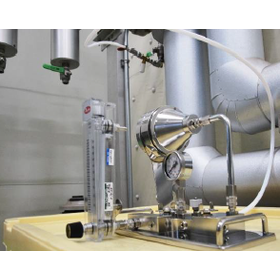
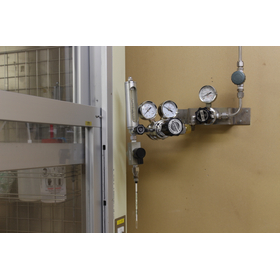
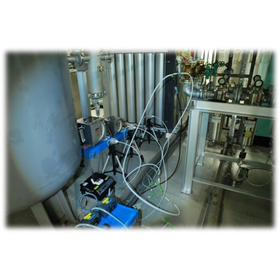
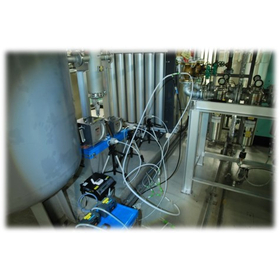
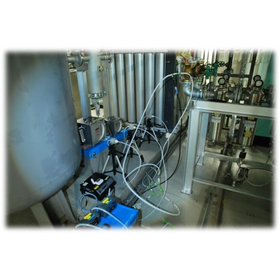
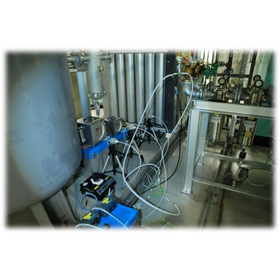
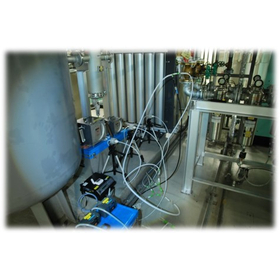
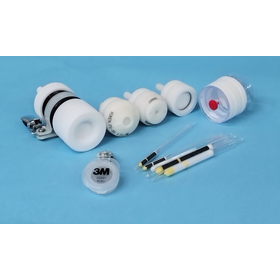
In the cosmetics industry, managing microbial contamination in the manufacturing environment is crucial to ensure product quality and safety. In particular, microbial contamination in compressed air, which affects product stability, can lead to product deterioration and quality degradation. Our testing for microbial contamination in compressed air uses the VWR SA sampler, which is also employed in GMP pharmaceutical factories, to evaluate microorganisms in compressed air. This helps assess the cleanliness of the manufacturing environment and contributes to maintaining product quality. 【Usage Scenarios】 - Compressed air systems in cosmetics manufacturing plants - Compressed air supply lines in clean rooms - Quality control departments for products 【Benefits of Implementation】 - Reduced risk of product quality degradation - Improved cleanliness of the manufacturing environment - Enhanced product stability
Added to bookmarks
Bookmarks listBookmark has been removed
Bookmarks listYou can't add any more bookmarks
By registering as a member, you can increase the number of bookmarks you can save and organize them with labels.
Free membership registration
In the semiconductor manufacturing industry, improving product quality and yield is the most important challenge. In the manufacturing process under cleanroom conditions, microbial contamination in compressed air can lead to product defects and performance degradation. Particularly in semiconductor manufacturing, which deals with fine circuits, even slight contaminants can have a significant impact and worsen yield. Our testing of microbial contamination levels in compressed air supports quality control by evaluating the microorganisms present in compressed air and gases using VWR's SA sampler. 【Usage Scenarios】 * Compressed air supply lines within cleanrooms * Points of compressed air supply to semiconductor manufacturing equipment * Regular microbial contamination assessments * Investigation of contamination sources 【Benefits of Implementation】 * Improved product yield * Strengthened quality control systems * Stabilization of manufacturing processes * Reduction of defective products
Added to bookmarks
Bookmarks listBookmark has been removed
Bookmarks listYou can't add any more bookmarks
By registering as a member, you can increase the number of bookmarks you can save and organize them with labels.
Free membership registration
In the electronics industry, a cleanroom environment is essential for maintaining product quality. In particular, microbial contaminants in the compressed air used during the manufacturing process can lead to product defects and performance degradation. Our testing of microbial contamination levels in compressed air contributes to maintaining the cleanliness of the cleanroom environment and improving product quality. [Application Scenarios] - Compressed air supply lines in cleanrooms - Semiconductor manufacturing processes - Electronic component manufacturing processes [Benefits of Implementation] - Improved product quality - Increased yield - Stabilization of the manufacturing process
Added to bookmarks
Bookmarks listBookmark has been removed
Bookmarks listYou can't add any more bookmarks
By registering as a member, you can increase the number of bookmarks you can save and organize them with labels.
Free membership registration
In the beverage industry, measures to prevent microbial contamination in the manufacturing environment are crucial for maintaining product flavor and safety. Microbial contamination in compressed air and gases can lead to product quality deterioration and off-odors, potentially undermining consumer trust. Our testing of microbial contamination levels in compressed air uses VWR's SA sampler to evaluate microorganisms present in compressed air and gases, and it is also suitable for assessments in highly clean environments. We conduct origin investigations aimed at identifying the sources of contamination to support problem resolution. 【Application Scenarios】 - Regular microbial contamination assessments of compressed air and gas systems in beverage manufacturing plants - Identification of sources of microbial contamination on production lines - Investigation of causes when product quality abnormalities occur 【Benefits of Implementation】 - Suppression of product flavor deterioration and off-odor occurrences - Increased consumer trust - Stabilization of manufacturing processes and improvement in quality
Added to bookmarks
Bookmarks listBookmark has been removed
Bookmarks listYou can't add any more bookmarks
By registering as a member, you can increase the number of bookmarks you can save and organize them with labels.
Free membership registration
In the pharmaceutical industry, strict sterility of the manufacturing environment is required to ensure product quality and safety. In particular, compressed air can come into direct contact with the product during the manufacturing process, making it important to manage the risk of microbial contamination. Our testing of microbial contamination levels in compressed air evaluates microorganisms in the compressed air using the SA sampler from VWR, which has a proven track record in GMP pharmaceutical factories. Designed for use in clean rooms, it is ideal for assessments in environments that require high cleanliness. It also contributes to the establishment of new compressed air and gas systems, as well as regular microbial contamination evaluations and identification of contamination sources. 【Usage Scenarios】 - Quality control of compressed air in the aseptic pharmaceutical manufacturing process - Regular microbial monitoring of compressed air systems in clean rooms - Investigation of contamination sources when microbial contamination from compressed air is suspected 【Benefits of Implementation】 - Reduction of microbial contamination risks in aseptic pharmaceutical manufacturing - Improvement of product quality and safety - Increased reliability of the manufacturing process
Added to bookmarks
Bookmarks listBookmark has been removed
Bookmarks listYou can't add any more bookmarks
By registering as a member, you can increase the number of bookmarks you can save and organize them with labels.
Free membership registration
In the food industry, measures to prevent microbial contamination in the manufacturing environment are essential to maintain product quality and ensure consumer safety. In particular, compressed air can come into direct contact with food, and its cleanliness significantly affects product quality. Contaminated compressed air can lead to product spoilage and foreign matter contamination, potentially compromising food safety and reliability. Our testing of microbial contamination levels in compressed air is necessary to assess the risk of microbial contamination in food manufacturing and strengthen quality control. 【Application Scenarios】 - Food manufacturing lines - Cleanroom environments - Quality control departments 【Benefits of Implementation】 - Preservation of product quality - Assurance of consumer safety - Optimization of manufacturing processes
Added to bookmarks
Bookmarks listBookmark has been removed
Bookmarks listYou can't add any more bookmarks
By registering as a member, you can increase the number of bookmarks you can save and organize them with labels.
Free membership registrationIn the pharmaceutical industry, ensuring sterility in the manufacturing process is extremely important. Compressed air is one of the key factors that affect product quality, and maintaining its cleanliness is essential for guaranteeing the safety and efficacy of the products. Impurities in compressed air can lead to product contamination and quality degradation. Our simplified measurement service for compressed air impurities provides a quick and easy way to assess the quality of compressed air, serving as a first step in maintaining sterility. 【Usage Scenarios】 - Pharmaceutical manufacturing plants - Use of compressed air in clean rooms - Aseptic filling lines 【Benefits of Implementation】 - Improved quality management of compressed air - Assurance of product quality - Compliance with regulations
Added to bookmarks
Bookmarks listBookmark has been removed
Bookmarks listYou can't add any more bookmarks
By registering as a member, you can increase the number of bookmarks you can save and organize them with labels.
Free membership registrationIn the electronics industry, quality control of the manufacturing environment is crucial for improving product yield. In particular, impurities in compressed air can lead to product quality degradation and the occurrence of defective products. A decrease in yield can result in increased costs, making the quality management of compressed air an important issue. Our simple measurement service for impurities in compressed air measures oil mist, moisture, carbon monoxide, carbon dioxide, and oxygen in compressed air, supporting quality control. This contributes to improving yield. 【Usage Scenarios】 - Electronic component manufacturing plants - Semiconductor manufacturing plants - Cleanroom environments 【Benefits of Implementation】 - Visualization of compressed air quality - Reduction in defect occurrence rate - Improvement in yield - Cost reduction
Added to bookmarks
Bookmarks listBookmark has been removed
Bookmarks listYou can't add any more bookmarks
By registering as a member, you can increase the number of bookmarks you can save and organize them with labels.
Free membership registrationIn the automotive industry, product durability is a very important factor. In particular, the quality of compressed air used in the manufacturing process directly affects product quality. Impurities in compressed air can cause corrosion of parts and performance degradation, potentially shortening the product's lifespan. Our simple measurement service for compressed air impurities allows for easy assessment of air quality, enabling early detection of issues. This contributes to improving product durability. 【Usage Scenarios】 - Automotive parts manufacturing process - Painting process - Quality control department 【Benefits of Implementation】 - Visualization of compressed air quality - Improvement of product quality - Reduction of defective products - Cost reduction
Added to bookmarks
Bookmarks listBookmark has been removed
Bookmarks listYou can't add any more bookmarks
By registering as a member, you can increase the number of bookmarks you can save and organize them with labels.
Free membership registrationIn the semiconductor industry, the cleanliness of compressed air is crucial for maintaining the quality of the manufacturing process. Fine impurities can reduce product yield and lead to the occurrence of defects. Our simple measurement service for compressed air impurities measures oil mist, moisture, carbon monoxide, carbon dioxide, and oxygen in the compressed air, providing a straightforward assessment of cleanliness. This supports quality control in semiconductor manufacturing. 【Usage Scenarios】 - Clean rooms in semiconductor manufacturing plants - Various manufacturing processes that use compressed air - Routine monitoring in quality control departments 【Benefits of Implementation】 - Visualizes the quality of compressed air and enables early detection of abnormalities - Contributes to improving product quality and yield - Acts as a screening measurement prior to the JIS method for assessing compressed air cleanliness
Added to bookmarks
Bookmarks listBookmark has been removed
Bookmarks listYou can't add any more bookmarks
By registering as a member, you can increase the number of bookmarks you can save and organize them with labels.
Free membership registrationIn the beverage industry, the cleanliness of the compressed air used in the manufacturing process is crucial for maintaining product quality. In particular, the contamination of impurities that could affect taste may lead to product quality deterioration and health risks for consumers. Our simple measurement service for compressed air impurities measures oil mist, moisture, carbon monoxide, carbon dioxide, and oxygen in the compressed air, supporting quality control. 【Usage Scenarios】 - Quality control of compressed air in beverage manufacturing lines - Screening to assess the impact on product taste - Identifying sources of impurities in the compressed air supply 【Benefits of Implementation】 - Maintenance and improvement of product quality - Reduction of health risks for consumers - Increased efficiency in the manufacturing process
Added to bookmarks
Bookmarks listBookmark has been removed
Bookmarks listYou can't add any more bookmarks
By registering as a member, you can increase the number of bookmarks you can save and organize them with labels.
Free membership registrationIn the precision machinery industry, the cleanliness of compressed air is extremely important for maintaining product quality and performance. Particularly in equipment that requires fine parts and precise operations, impurities in compressed air can reduce product accuracy and potentially lead to failures. Our simple measurement service for compressed air impurities allows for easy assessment of air quality and early detection of issues, contributing to the maintenance of product quality. 【Usage Scenarios】 - Quality control of compressed air in precision machinery manufacturing - Monitoring of compressed air in clean rooms - Quality checks of compressed air in painting processes 【Benefits of Implementation】 - Improved product yield - Reduction of defective products - Increased reliability from customers
Added to bookmarks
Bookmarks listBookmark has been removed
Bookmarks listYou can't add any more bookmarks
By registering as a member, you can increase the number of bookmarks you can save and organize them with labels.
Free membership registrationIn the seafood industry, quality control of compressed air is crucial for maintaining product freshness. Particularly in the processing and storage of seafood, impurities in compressed air can lead to product quality deterioration and off-odors, potentially compromising freshness. Our simple measurement service for compressed air impurities measures oil mist, moisture, carbon monoxide, carbon dioxide, and oxygen in compressed air, allowing for an easy assessment of air quality to support freshness management. This service is ideal for customers who do not require compressed air cleanliness evaluation according to JIS standards, those who want to understand their current situation, and customers considering screening measurements. 【Usage Scenarios】 * Seafood processing plants * Refrigerated and frozen warehouses * During the transportation of seafood 【Benefits of Implementation】 * Preservation of freshness through improved compressed air quality * Enhancement of product quality * Gaining trust from customers
Added to bookmarks
Bookmarks listBookmark has been removed
Bookmarks listYou can't add any more bookmarks
By registering as a member, you can increase the number of bookmarks you can save and organize them with labels.
Free membership registration
In the aerospace industry, the safety and reliability of products are the top priorities. Compressed air is an essential element in the manufacturing and inspection processes, and its cleanliness directly affects product quality. Particularly in the manufacturing and maintenance of aircraft components, it is necessary to eliminate the risk of fine contaminants leading to serious accidents. Our compressed air cleanliness measurement evaluates contaminants such as dust, moisture, oil, and microorganisms in detail based on standards like JIS B 8392. This contributes to maintaining product quality, ensuring safety, and reducing risks. 【Application Scenarios】 - Aircraft component manufacturing processes - Aircraft engine maintenance - Work in cleanroom environments 【Benefits of Implementation】 - Improvement in product quality - Assurance of safety - Reduction of risks - Proof of compliance with standards
Added to bookmarks
Bookmarks listBookmark has been removed
Bookmarks listYou can't add any more bookmarks
By registering as a member, you can increase the number of bookmarks you can save and organize them with labels.
Free membership registration
In the chemical industry, the purity of reactants and the cleanliness of the reaction environment significantly influence the quality and safety of the products. In particular, compressed air plays a crucial role in the reaction process, making its cleanliness management essential. Contaminants in compressed air can inhibit reactions and lead to the formation of by-products, potentially resulting in decreased product quality and unexpected accidents. Our company measures and evaluates the cleanliness of compressed air based on standards such as JIS B 8392, contributing to the stabilization of our customers' reaction control processes. 【Application Scenarios】 - Air supply to reaction vessels - Mixing and stirring of reactants - Drying and cooling of products 【Benefits of Implementation】 - Stabilization of the reaction process - Improvement of product quality - Assurance of safety
Added to bookmarks
Bookmarks listBookmark has been removed
Bookmarks listYou can't add any more bookmarks
By registering as a member, you can increase the number of bookmarks you can save and organize them with labels.
Free membership registration
In the beverage industry, it is essential to thoroughly prevent the contamination of pollutants during the manufacturing process to maintain the flavor and quality of products. In particular, compressed air is important because it may come into direct contact with the product, making its cleanliness crucial. Contaminated compressed air can compromise the flavor of the product or cause off-odors. Our compressed air cleanliness measurement is essential for addressing these issues and ensuring product quality. 【Usage Scenarios】 - Beverage manufacturing lines - Filling processes - Quality control departments 【Benefits of Implementation】 - Preservation of product flavor - Prevention of off-odor occurrences - Reduction of quality complaints
Added to bookmarks
Bookmarks listBookmark has been removed
Bookmarks listYou can't add any more bookmarks
By registering as a member, you can increase the number of bookmarks you can save and organize them with labels.
Free membership registration
In the semiconductor industry, the presence of minute foreign substances during the manufacturing process significantly affects product yield. In particular, compressed air is often used in clean rooms, and its cleanliness directly impacts product quality. Contaminants such as fine particles, moisture, oil, and microorganisms can lead to performance degradation of semiconductor devices and the occurrence of defective products. Our company conducts cleanliness measurement and evaluation of compressed air based on standards such as JIS B 8392, supporting yield improvement in semiconductor manufacturing. 【Usage Scenarios】 - Compressed air supply sources in clean rooms - Compressed air supply lines to semiconductor manufacturing equipment - Air blowing on product surfaces 【Benefits of Implementation】 - Reduction in defect rates due to foreign substance contamination - Improvement in product quality - Stabilization of the manufacturing process
Added to bookmarks
Bookmarks listBookmark has been removed
Bookmarks listYou can't add any more bookmarks
By registering as a member, you can increase the number of bookmarks you can save and organize them with labels.
Free membership registration
In the automotive industry, the cleanliness of compressed air is extremely important for quality control. Compressed air is used in various processes, such as painting and assembly of parts, and it directly affects product quality. In particular, foreign matter contamination can lead to painting defects or malfunctioning parts. Our company conducts measurement and evaluation of compressed air cleanliness based on standards such as JIS B 8392, supporting quality control in automotive manufacturing. 【Usage Scenarios】 - Quality control of painting in spray booths - Prevention of foreign matter contamination in the parts assembly process - Use of compressed air in clean rooms 【Benefits of Implementation】 - Reduction of risks related to product quality degradation due to painting defects and foreign matter contamination - Cost reduction through the decrease of defective products - Increased reliability from customers
Added to bookmarks
Bookmarks listBookmark has been removed
Bookmarks listYou can't add any more bookmarks
By registering as a member, you can increase the number of bookmarks you can save and organize them with labels.
Free membership registration
In the electronics and precision components industry, managing minute contaminants in the manufacturing environment is essential to ensure product quality and reliability. In particular, compressed air is often used directly or indirectly in the product manufacturing process, and its cleanliness significantly affects product performance. Contamination can lead to product defects or performance degradation. Our company conducts cleanliness measurement and evaluation of compressed air based on standards such as JIS B 8392, supporting our customers' quality management. 【Usage Scenarios】 - Electronic component manufacturing factories - Precision component manufacturing in clean rooms - Various manufacturing processes utilizing compressed air 【Benefits of Implementation】 - Reduced risk of contaminant adhesion to product surfaces - Decreased defective products in the manufacturing process - Improved product quality and ensured reliability
Added to bookmarks
Bookmarks listBookmark has been removed
Bookmarks listYou can't add any more bookmarks
By registering as a member, you can increase the number of bookmarks you can save and organize them with labels.
Free membership registration
In the pharmaceutical industry, maintaining sterility in the manufacturing environment is crucial to ensure product quality and safety. In particular, compressed air can come into direct contact with products, and contamination can lead to a deterioration in product quality and health risks for patients. Our company measures contaminants such as dust, moisture, oil, and microorganisms in compressed air based on standards like JIS B 8392, supporting the assurance of sterility. By understanding the cleanliness of compressed air, we reduce the risk of contamination in products and contribute to improved quality control. 【Usage Scenarios】 - Pharmaceutical manufacturing lines - Use of compressed air in clean rooms - Air injection into products using air guns, etc. 【Benefits of Implementation】 - Preservation of product quality - Increased reliability of manufacturing processes - Compliance with regulations
Added to bookmarks
Bookmarks listBookmark has been removed
Bookmarks listYou can't add any more bookmarks
By registering as a member, you can increase the number of bookmarks you can save and organize them with labels.
Free membership registration
In the food industry, measures to prevent foreign matter contamination are extremely important to ensure product safety. The compressed air used in the manufacturing process must meet high cleanliness standards, as it comes into direct or indirect contact with the products. Contaminants such as dust, moisture, oil, and microorganisms in compressed air can lead to foreign matter contamination of the products. Our measurement of compressed air cleanliness is essential to reduce these risks and improve product quality and safety. 【Application Scenarios】 - Confirming the cleanliness of air discharged from air guns on food production lines - Checking for contamination in machinery powered by compressed air - Verifying contamination of compressed air in clean rooms 【Benefits of Implementation】 - Reduced risk of foreign matter contamination in products - Strengthened quality control system - Increased reliability from customers
Added to bookmarks
Bookmarks listBookmark has been removed
Bookmarks listYou can't add any more bookmarks
By registering as a member, you can increase the number of bookmarks you can save and organize them with labels.
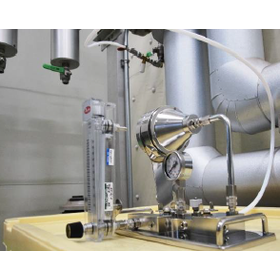
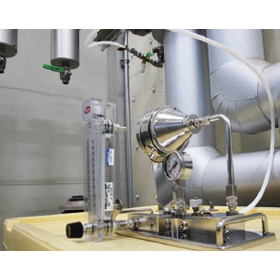
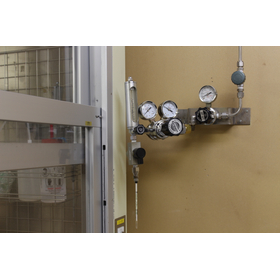
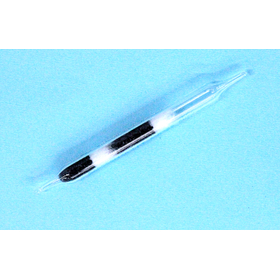
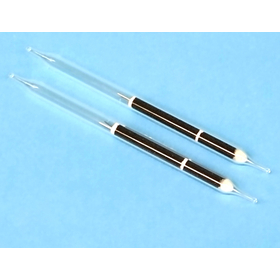
Free membership registrationWe would like to introduce our "Compressed Air Impurity Simple Measurement Service." This is a simple impurity measurement service aimed at maintaining and ensuring the quality of compressed air. Measurements are conducted using a compressed air impurity measurement set (detection tube method). Please feel free to contact us if you have any requests. 【Benefits】 ■ An affordable service for customers who do not require compressed air cleanliness evaluation according to JIS standards. ■ A service for customers who would like to conduct a simple measurement to understand the current state of the compressed air they are using. ■ A service for customers considering screening measurements before conducting a compressed air cleanliness evaluation according to JIS standards. *For more details, please download the PDF or feel free to contact us.
Added to bookmarks
Bookmarks listBookmark has been removed
Bookmarks listYou can't add any more bookmarks
By registering as a member, you can increase the number of bookmarks you can save and organize them with labels.
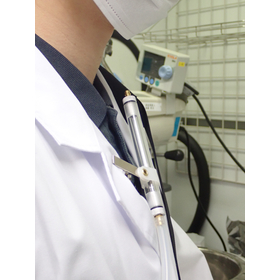
Free membership registrationWe would like to introduce our "Personal Exposure Measurement of Iodine" that we conduct. It is possible to prevent health disorders in workers caused by harmful factors present in the work environment and to maintain the work environment in an appropriate condition. When the work environment is good, workers can concentrate on their tasks with peace of mind. As a result, workers' motivation increases, and improvements in productivity and quality control can be expected. 【Features】 ■ A sampler (activated carbon) is attached near the worker's breathing zone to collect iodine from the air. ■ The collected iodine is extracted into a sodium carbonate solution and then measured using an ion chromatography analyzer (IC). *For more details, please download the PDF or feel free to contact us.
Added to bookmarks
Bookmarks listBookmark has been removed
Bookmarks listYou can't add any more bookmarks
By registering as a member, you can increase the number of bookmarks you can save and organize them with labels.
Free membership registration
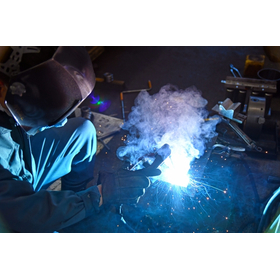
We would like to introduce the measurement of welding fumes (manganese) during metal arc welding operations conducted in our indoor workspaces. We carry out measurements of the concentration of welding fumes in the air during metal arc welding operations to verify compliance with standard values. In cases where the values exceed the standards, we utilize the concentration data to select appropriate respiratory protective equipment. A work environment measurement specialist will develop a plan after hearing from the business operator about the work conditions and will carry out the measurements. A personal sampler will be attached to the breathing zone of the workers to collect welding fumes (manganese) from the air. **Benefits** - Health management for employees - Selection of respiratory protective equipment *For more details, please download the PDF or feel free to contact us.*
Added to bookmarks
Bookmarks listBookmark has been removed
Bookmarks listYou can't add any more bookmarks
By registering as a member, you can increase the number of bookmarks you can save and organize them with labels.
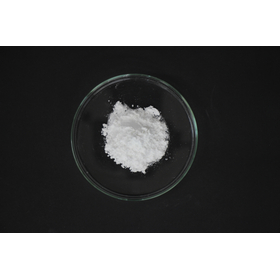
Free membership registrationWe would like to introduce our "Boron Nitride Pharmaceutical and Quasi-Drug Raw Material Standard Analysis." To maintain and guarantee the quality of boron nitride, we conduct analyses of each item based on testing methods in accordance with the quasi-drug raw material standards and perform conformity evaluations. We provide highly reliable data backed by extensive experience, achievements, and high technical capabilities. 【Benefits】 ■ Boron nitride is mainly used in cosmetics and industrial products. ■ You can confirm whether it meets the quasi-drug raw material standards. *For more details, please download the PDF or feel free to contact us.
Added to bookmarks
Bookmarks listBookmark has been removed
Bookmarks listYou can't add any more bookmarks
By registering as a member, you can increase the number of bookmarks you can save and organize them with labels.
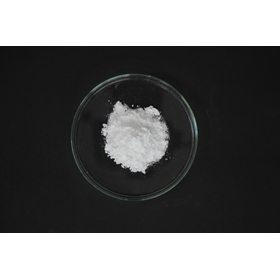
Free membership registrationWe analyze the hydrated silica contained in our products to confirm that it meets the standards for quasi-drug ingredients. Hydrated silica is commonly used in everyday products such as body care products like scrubs, toothpaste, makeup primers, sunscreen products, and concealers. Hydrated silica is regulated by the Ministry of Health, Labour and Welfare, which mandates the establishment of safety standards. 【Test Items and Standards (Partial)】 ■ Color and Appearance: White to light bluish-white powder ■ Odor: Odorless ■ Heavy Metal Test: Below 30 ppm ■ Fluorine: Below 5 ppm ■ Arsenic: Below 30 ppm *For more details, please download the PDF or feel free to contact us.
Added to bookmarks
Bookmarks listBookmark has been removed
Bookmarks listYou can't add any more bookmarks
By registering as a member, you can increase the number of bookmarks you can save and organize them with labels.
Free membership registrationWe would like to introduce our "Personal Exposure Measurement (N-Methyl-2-pyrrolidone)." In personal exposure measurement, sampling equipment (personal samplers) is attached near the breathing zone of workers to measure the concentration of harmful substances in the air and assess risks. This allows for the prevention of health hazards to workers from harmful factors present in the work environment and helps maintain the work environment in an appropriate condition. When the work environment is good, workers can concentrate on their tasks with peace of mind. As a result, their motivation to work increases, and improvements in productivity and quality control can be expected. 【Features】 ■ Evaluation based on OSHA (Occupational Safety and Health Administration) Method Number PV2043 ■ A dedicated sampler is attached near the worker's breathing zone to collect N-Methyl-2-pyrrolidone (NMP) from the air. *For more details, please download the PDF or feel free to contact us.
Added to bookmarks
Bookmarks listBookmark has been removed
Bookmarks listYou can't add any more bookmarks
By registering as a member, you can increase the number of bookmarks you can save and organize them with labels.
Free membership registration
Our company offers indoor air quality measurements as a countermeasure against sick house syndrome, which occurs when the concentration of chemical substances is high. By understanding the concentration of volatile organic compounds present in indoor air based on measurement data from GCMS and LC, we can ensure the health and safety of residents. In past case studies, it was confirmed that the indoor concentration met the guideline values based on the measurement results, and we received feedback that the indoor environment was safe for residents to live comfortably. 【Symptoms of Sick House Syndrome】 ■ Eyes feel irritated ■ Throat feels scratchy ■ Dizziness or nausea *For more details, please download the PDF or feel free to contact us.
Added to bookmarks
Bookmarks listBookmark has been removed
Bookmarks listYou can't add any more bookmarks
By registering as a member, you can increase the number of bookmarks you can save and organize them with labels.
Free membership registrationOur company offers "personal exposure measurement," which involves attaching sampling equipment (personal samplers) near the breathing zone of workers to measure the concentration of harmful substances in the air and assess risks. By utilizing measurement data obtained from GCMS, it is possible to prevent health disorders in workers caused by harmful factors present in the work environment and maintain the work environment in an appropriate condition. Customers who previously implemented this have reported that they were able to accurately grasp the exposure situation of workers to bromopropane and confirmed that there were no issues with the current work procedures or environment. 【Features】 ■ Prevents health disorders in workers ■ Maintains the work environment in an appropriate condition ■ Increases workers' motivation, leading to improvements in productivity and quality control *For more details, please download the PDF or feel free to contact us.
Added to bookmarks
Bookmarks listBookmark has been removed
Bookmarks listYou can't add any more bookmarks
By registering as a member, you can increase the number of bookmarks you can save and organize them with labels.
Free membership registration
We would like to introduce our "Modified Asphalt Type Identification" service. Modified asphalt has polymers and other additives to enhance properties such as flow resistance and wear resistance. By using Pyrolysis-Gas Chromatography Mass Spectrometry (Py-GC/MS), we can identify the types of polymers. This allows for the estimation of unknown polymer components and comparisons with products from other companies. 【Features】 ■ Estimation of unknown polymer components already added to modified asphalt is possible. ■ Comparison of modified asphalt and polymer components with those of other companies is possible. *For more details, please download the PDF or feel free to contact us.
Added to bookmarks
Bookmarks listBookmark has been removed
Bookmarks listYou can't add any more bookmarks
By registering as a member, you can increase the number of bookmarks you can save and organize them with labels.
Free membership registration
We would like to introduce the "Investigation into the Causes of Flooring Material Degradation" conducted by our company. In residential flooring, warping of the floor material occurred, and the insulation material inside had turned yellow, prompting an investigation into the cause. The degradation of the flooring material was not due to a malfunction of the floor heating system, but rather suggested to be related to the presence of pets. [Investigation Details] ■ Sample collection on-site ■ Urine stain test on the collected samples *For more details, please download the PDF or feel free to contact us.
Added to bookmarks
Bookmarks listBookmark has been removed
Bookmarks listYou can't add any more bookmarks
By registering as a member, you can increase the number of bookmarks you can save and organize them with labels.
Free membership registration
We would like to introduce our study on "Investigation of the Factors Causing Cracks in Vinyl Floor Tiles." Vinyl floor tiles (P tiles) used as flooring materials in buildings may develop cracks over long periods of use, and we have investigated the factors contributing to this issue. It is believed that the reduction of PVC content near the surface is related to the occurrence of cracks. [Investigation Details] ■ Cross-sectional observation using scanning electron microscopy on new and cracked products ■ Surface analysis using EPMA/EDS on new and cracked products *For more details, please download the PDF or feel free to contact us.
Added to bookmarks
Bookmarks listBookmark has been removed
Bookmarks listYou can't add any more bookmarks
By registering as a member, you can increase the number of bookmarks you can save and organize them with labels.
Free membership registration
"Risk assessment" refers to a series of procedures for identifying hazards and harmful effects, estimating risks, and implementing reduction measures. Based on the results, businesses need to take appropriate measures to prevent occupational accidents. According to the Occupational Safety and Health Act, regulations for the autonomous management of new chemical substances through risk assessment will begin in April of the 6th year of Reiwa. Chemicals subject to these regulations will be added sequentially, and broader management will be required in the future. 【Risk Assessment Procedures (Partial)】 ■ Risk Estimation - Identification of chemicals with hazards and harmful effects - Risk estimation using mathematical models such as Create Simple ■ Confirmation Measurement - Confirmation measurement of substances with concentration standard values through personal exposure measurement *For more details, please download the PDF or feel free to contact us.
Added to bookmarks
Bookmarks listBookmark has been removed
Bookmarks listYou can't add any more bookmarks
By registering as a member, you can increase the number of bookmarks you can save and organize them with labels.
Free membership registration
We would like to introduce a case study regarding a complaint from a product user about health issues caused by the product. This investigation focused on the odor components of the product using a Headspace Gas Chromatography Mass Spectrometry (HS-GC-MS) system. A portion of the product was sealed in a container and heated to release odor components. The released odor components in the container were measured, and the detected components were analyzed. It was found that the detected odor components were substances that can cause allergies (limonene and menthol). Our company proposes appropriate methods tailored to customer requests and the characteristics of samples, providing reliable data backed by extensive experience and technical expertise. [Case Overview] - Measurement and qualitative analysis of volatile organic compounds containing odor components in the sample - Identification of the main odor components - Clarification of the volatile organic compounds generated *For more details, please download the PDF or feel free to contact us.
Added to bookmarks
Bookmarks listBookmark has been removed
Bookmarks listYou can't add any more bookmarks
By registering as a member, you can increase the number of bookmarks you can save and organize them with labels.
Free membership registration
At the Analysis Center Co., Ltd., we conduct qualitative analysis of food-grade tar dyes in food products. Coloring agents can be divided into those extracted from plants and animals and those synthesized chemically. Among the chemically synthesized coloring agents, 12 types of tar dyes are designated as food additives. As a registered inspection organization under the Food Sanitation Act, we have been evaluating tar dyes contained in food for many years. Customers wishing to measure the coloring components of food additives are encouraged to contact us. [Overview] ■ Qualitative analysis of food-grade tar dyes in food ■ Analyzing the coloring components in samples to identify the used coloring agents *For more details, please download the PDF or feel free to contact us.
Added to bookmarks
Bookmarks listBookmark has been removed
Bookmarks listYou can't add any more bookmarks
By registering as a member, you can increase the number of bookmarks you can save and organize them with labels.
Free membership registration
Our company measures trihalomethanes in drinking water using headspace gas chromatography-mass spectrometry (HS-GC/MS). We conduct quantitative analysis of trihalomethanes contained in water products and environmental samples. Trihalomethanes are a general term for organic halogenated compounds that are derivatives of methane, and the water quality standards for drinking water target four types, including chloroform. It is also possible to estimate the origin of water quality from the data of the contained components. 【Water Quality Standards for Trihalomethanes】 ■ Total Trihalomethanes: 0.1 mg/L or less ■ Chloroform (CHCl3): 0.06 mg/L or less ■ Dibromodichloromethane (CBr2Cl2): 0.1 mg/L or less ■ Bromodichloromethane (CHBrCl2): 0.03 mg/L or less ■ Bromoform (CHBr3): 0.09 mg/L or less *For more details, please download the PDF or feel free to contact us.
Added to bookmarks
Bookmarks listBookmark has been removed
Bookmarks listYou can't add any more bookmarks
By registering as a member, you can increase the number of bookmarks you can save and organize them with labels.
Free membership registration
We would like to introduce the water quality analysis of cooling water, chilled water, hot water, and makeup water that our company conducts. For cooling water, chilled water, hot water, and makeup water used in cooling towers and refrigeration units, we can perform analyses based on the water quality guidelines for refrigeration and air conditioning equipment. We have confirmed that there are no abnormalities in the cooling water currently in use, providing peace of mind. There have also been cases where it was determined that scale formation in the piping was caused by high calcium hardness in the cooling water, which resulted in customer satisfaction. [Analysis Benefits] ■ Ability to confirm whether the standards of the water quality guidelines for refrigeration and air conditioning equipment are met ■ Investigation of causes of piping corrosion, deposits, slime, etc. ■ Confirmation of the effectiveness of chemicals injected into the piping *For more details, please download the PDF or feel free to contact us.
Added to bookmarks
Bookmarks listBookmark has been removed
Bookmarks listYou can't add any more bookmarks
By registering as a member, you can increase the number of bookmarks you can save and organize them with labels.
Free membership registration
We would like to introduce the component analysis of trace liquids that our company conducts. Analysis of trace liquid components found in products. Even when the sample amount is small, it is possible to perform component analysis using dedicated sampling tools and thermal decomposition GC/MS. Our company provides highly reliable data backed by extensive experience, proven results, and high technical capabilities. Please feel free to contact us. 【Analysis Benefits】 ■ It is possible to understand the components of contaminants and investigate their origins. *For more details, please download the PDF or feel free to contact us.
Added to bookmarks
Bookmarks listBookmark has been removed
Bookmarks listYou can't add any more bookmarks
By registering as a member, you can increase the number of bookmarks you can save and organize them with labels.
Free membership registration
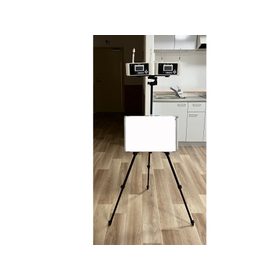
We would like to introduce the measurement of temperature and humidity in residential homes conducted by our company. As part of the investigation into the causes of "mold" growth, we measured the temperature and humidity within the residence. In this case, the results showed that the humidity in the living spaces was generally below 70%, while the humidity under the floor was found to be almost 80% or higher. Continuous measurement of temperature and humidity is an effective method for understanding the current conditions of the residential environment. Additionally, the measurement period can be conducted over several months depending on the conditions. 【Measurement Benefits】 ■ By conducting temperature and humidity measurements, we can understand the conditions within the residence. ■ We can confirm whether the environment was conducive to mold growth. *For more details, please download the PDF or feel free to contact us.
Added to bookmarks
Bookmarks listBookmark has been removed
Bookmarks listYou can't add any more bookmarks
By registering as a member, you can increase the number of bookmarks you can save and organize them with labels.
Free membership registration
We would like to introduce our personal exposure measurement of chemical substances. Personal exposure measurement and workplace environment measurement are recommended as practical methods for risk assessment to understand the exposure levels of hazardous substances. In personal exposure measurement, sampling equipment is attached near the breathing zone of workers to measure the concentration of hazardous substances in the air and evaluate the risk. This helps prevent health hazards for workers from hazardous factors present in the work environment and maintains the workplace in an appropriate condition. [Main examples of personal exposure measurement (partial)] ■ Metal arc welding work: Manganese ■ Dust emission work: Dust ■ Degreasing and cleaning of metal products: 1-Bromopropane ■ Stripping of lead-containing paint: Lead *For more details, please download the PDF or feel free to contact us.
Added to bookmarks
Bookmarks listBookmark has been removed
Bookmarks listYou can't add any more bookmarks
By registering as a member, you can increase the number of bookmarks you can save and organize them with labels.
Free membership registration
We would like to introduce the impurity analysis of talc that we conduct. By using appropriate acids for acid decomposition and alkaline fusion to dissolve talc, we can measure the impurity elements in talc using an ICP emission spectrometer. Simultaneously measuring other elements allows us to reduce analysis costs, and knowing the impurity elements and their concentrations enables us to supply customers with stable quality. 【Recommended for】 ■ Talc manufacturers ■ Cosmetics companies ■ Food companies ■ Construction companies *For more details, please download the PDF or feel free to contact us.
Added to bookmarks
Bookmarks listBookmark has been removed
Bookmarks listYou can't add any more bookmarks
By registering as a member, you can increase the number of bookmarks you can save and organize them with labels.
Free membership registration
We will introduce the quantitative analysis of sulfur in rubber using the "Flask Combustion-ICP Method." A predetermined amount of absorbent solution is placed in the flask, which is then filled with oxygen. The rubber is burned, and the flask is shaken well to absorb the sulfur oxides generated by the combustion into the absorbent solution, followed by quantification using the ICP method. Adding sulfur to rubber can enhance its elasticity and strength, so confirming the amount of sulfur contained is helpful in the development and improvement of products. Please feel free to contact us if you have any inquiries. 【For such concerns】 ■ I want to conduct quality control of the rubber being manufactured. ■ I want to confirm whether the quality meets my expectations due to a change in the ordering source. *For more details, please download the PDF or feel free to contact us.
Added to bookmarks
Bookmarks listBookmark has been removed
Bookmarks listYou can't add any more bookmarks
By registering as a member, you can increase the number of bookmarks you can save and organize them with labels.
Free membership registration
We would like to introduce a case where we used a digital microscope (DMS) to measure the dimensions of cutter blades. Since there are no standardized sizes for cutter blades, we measured them to check for differences among manufacturers and to confirm the ability to identify variations. The comparison of cutter blades using our product suggested that the cutting edge angle, slit depth, cutting edge width, and blade cross-section angle are useful for product identification. We can provide highly reliable data with our advanced technology, so please feel free to contact us. 【Measurement Details (Partial)】 ■ Cutting Edge Angle ■ Cutting Edge Width ■ Slit Depth ■ Blade Width *For more details, please download the PDF or feel free to contact us.
Added to bookmarks
Bookmarks listBookmark has been removed
Bookmarks listYou can't add any more bookmarks
By registering as a member, you can increase the number of bookmarks you can save and organize them with labels.
Free membership registration
Our company conducts various tests as part of a "chemical investigation" to assist in appropriate responses, determining the types of inorganic fibers with unknown materials. By analyzing inorganic fibers used in insulation materials, it is possible to qualitatively identify types of man-made mineral fibers such as rock wool, glass wool, AES, and RCF. Additionally, we can investigate whether RCF, which is subject to the Specific Chemical Substance Hazard Prevention Regulations, is being used, and whether the product is made with materials as specified. [Example of Determination] ■ XRD Analysis ■ EPMA/WDS Analysis ■ Microscopic Observation *For more details, please download the PDF or feel free to contact us.
Added to bookmarks
Bookmarks listBookmark has been removed
Bookmarks listYou can't add any more bookmarks
By registering as a member, you can increase the number of bookmarks you can save and organize them with labels.
Free membership registration
We can create cross-sectional observation samples of solder joints on electronic substrates and visually confirm the soldering conditions and the elemental distribution inside the solder joints through surface analysis to check for segregation of soldering constituent elements. This allows us to provide data for your evaluation to ensure that the soldering is done correctly. As part of defect investigation, we can confirm the adhesion conditions of the solder and the presence of voids from cross-sections, as well as any bias in the components within the solder. Please feel free to contact us when you need our services. 【Features】 ■ Ability to confirm the adhesion conditions of solder and voids from cross-sections as part of defect investigation ■ Ability to confirm bias in the components within the solder *For more details, please download the PDF or feel free to contact us.
Added to bookmarks
Bookmarks listBookmark has been removed
Bookmarks listYou can't add any more bookmarks
By registering as a member, you can increase the number of bookmarks you can save and organize them with labels.
Free membership registration