91~135 item / All 136 items
Displayed results
Filter by category

Added to bookmarks
Bookmarks listBookmark has been removed
Bookmarks listYou can't add any more bookmarks
By registering as a member, you can increase the number of bookmarks you can save and organize them with labels.
Free membership registration
Contact this company
Inquiry Form91~135 item / All 136 items
Filter by category

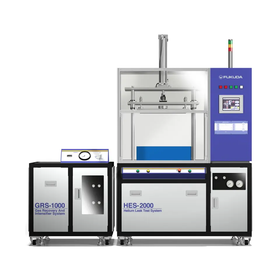
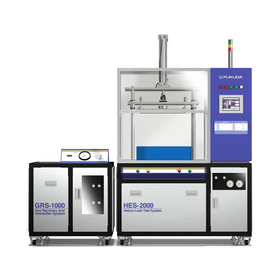
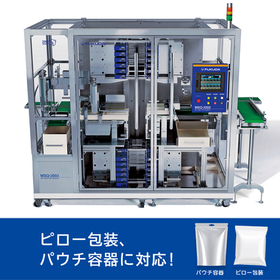
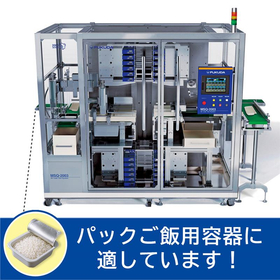
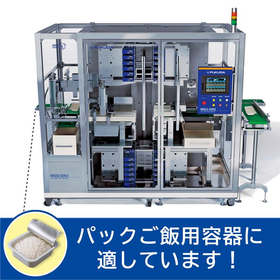
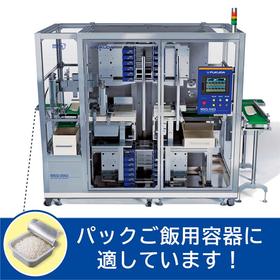
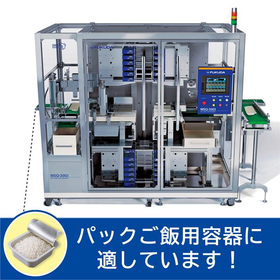
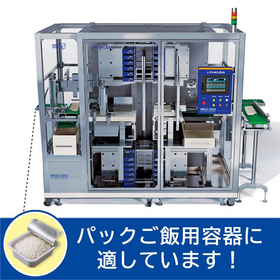
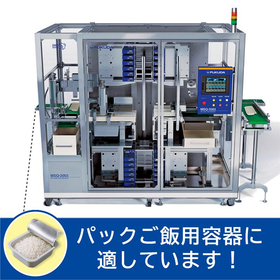
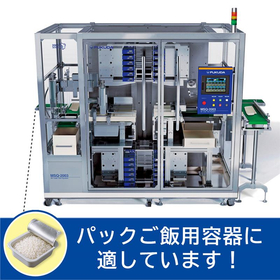
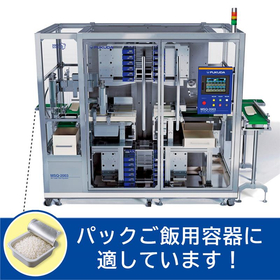
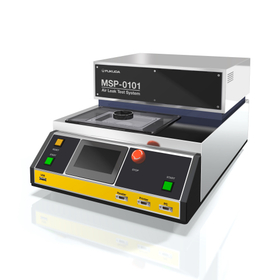
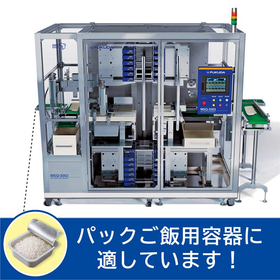
The pinhole inspection for packaging engineering is fully automated, eliminating packaging defects based on consistent quality standards. The judgment results and operational status can be managed via a monitor screen. - Example of target work: Ideal for packaged rice (packaged cooked rice). - Quantitative management of quality standards in the pinhole inspection process. - Ensures the quality of the product's shelf life. - Establishes evaluation criteria for the manufacturing process, achieving quantitative quality assurance. - Can be connected to existing production lines in a slim, space-saving design. - Changeovers for variety switching can be handled quickly by exchanging the chamber. - Since it is completely produced domestically, maintenance and troubleshooting can be addressed promptly. *Please consult us regarding the use of this product for pharmaceuticals.
Added to bookmarks
Bookmarks listBookmark has been removed
Bookmarks listYou can't add any more bookmarks
By registering as a member, you can increase the number of bookmarks you can save and organize them with labels.
Free membership registration
The "MS series" is a leak test system for small electronic components that require airtightness, including: - Crystal devices - Ceramic oscillators - Optical devices - Power semiconductors - CAN devices - Laser diodes - Capacitors Leak testing of sealed products may involve both gross leak and fine leak inspections, depending on product specifications and characteristics. We offer a lineup that includes fully automatic machines capable of performing the entire process in one unit, custom-built dedicated machines, and convenient tabletop types for sampling inspections. 【Lineup (excerpt)】 <Fully Automatic Devices> ■ Gross Leak Test System - MSZ-6200 - MS-6086 ■ Bombing Gross and Fine Leak Test System - MSX-6110 - MSX-6200 - MSX-7000 *For more details, please refer to the PDF document or feel free to contact us.
Added to bookmarks
Bookmarks listBookmark has been removed
Bookmarks listYou can't add any more bookmarks
By registering as a member, you can increase the number of bookmarks you can save and organize them with labels.
Free membership registration
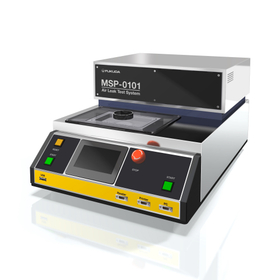
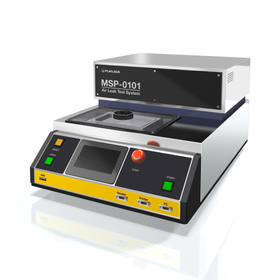
The "MSX-0101 series" is a compact leak testing device specifically designed for electronic components such as MEMS, crystal devices, and SMDs. It is fully equipped with helium filling, gross leak testing, and fine leak testing in a single system. By managing the filling time and waiting time, it allows for proper gross and fine leak testing. 【Features】 ■ Ideal for leak testing of electronic components such as MEMS and SMDs ■ Quantifies gross and fine leak amounts while managing filling time and waiting time ■ Capable of performing both gross leak testing and fine leak testing with one device ■ Enables highly accurate fine leak measurement by appropriately setting bonding conditions and gross leak conditions *For more details, please refer to the PDF document or feel free to contact us.
Added to bookmarks
Bookmarks listBookmark has been removed
Bookmarks listYou can't add any more bookmarks
By registering as a member, you can increase the number of bookmarks you can save and organize them with labels.
Free membership registration
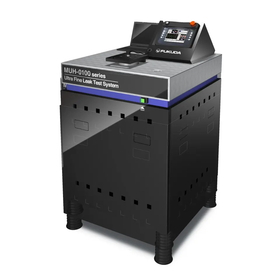
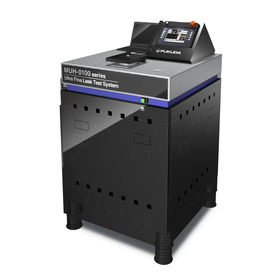
In the underwater equipment industry, high airtightness is essential to withstand high water pressure and protect internal functions over long periods. Even a slight leak can lead to a decline in equipment performance or failure, potentially causing serious accidents. Our Ultra Fine Leak Test System MUH-0100 contributes to improving the reliability of underwater equipment by detecting ultra-microscopic leaks with high precision. 【Usage Scenarios】 - Manufacturing processes for submarines, submersibles, and underwater survey robots - Quality control of diving equipment (regulators, dive computers, etc.) - Airtight testing of various sensors and electronic components 【Benefits of Implementation】 - Improved product reliability - Reduced risk of accidents - Enhanced efficiency in quality control - Gaining trust from customers
Added to bookmarks
Bookmarks listBookmark has been removed
Bookmarks listYou can't add any more bookmarks
By registering as a member, you can increase the number of bookmarks you can save and organize them with labels.
Free membership registration
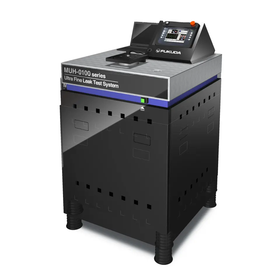
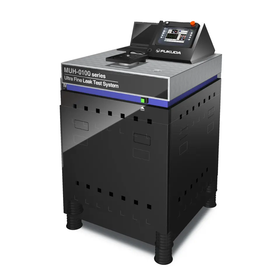
In the watch industry, waterproof performance is extremely important to ensure product reliability. The intrusion of moisture can cause corrosion and malfunction of the movement, significantly reducing the product's lifespan. Particularly in high-end watches and those used in special environments, high waterproof performance is required. The MUH-0100 series ensures the waterproof performance of watches by detecting ultra-micro leaks, contributing to the improvement of product quality. 【Usage Scenarios】 - Waterproof testing of watch cases - Air-tightness testing of movements - Waterproof performance testing 【Effects of Implementation】 - Improved product reliability - Reduced complaint occurrence rate - Increased customer satisfaction
Added to bookmarks
Bookmarks listBookmark has been removed
Bookmarks listYou can't add any more bookmarks
By registering as a member, you can increase the number of bookmarks you can save and organize them with labels.
Free membership registration
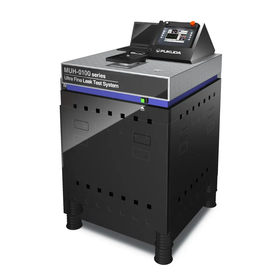
In the energy industry, long-term reliability and efficiency of products are essential. In particular, MEMS components and small electronic parts, such as angular velocity sensors and infrared image sensors, play a crucial role in determining energy efficiency. If the airtightness of these components is low, it can lead to performance degradation or failure, resulting in decreased energy efficiency. The MUH-0100 series contributes to improving energy efficiency by measuring ultra-micro leaks and ensuring the airtightness of products. 【Application Scenarios】 - Inspection of fuel cell components - Airtightness testing of various sensors - Inspection of components for energy-related equipment 【Benefits of Implementation】 - Improved product reliability - Enhanced energy efficiency - Maintenance of long-term product performance
Added to bookmarks
Bookmarks listBookmark has been removed
Bookmarks listYou can't add any more bookmarks
By registering as a member, you can increase the number of bookmarks you can save and organize them with labels.
Free membership registration
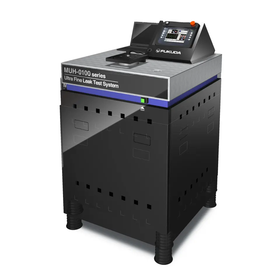
In the pharmaceutical industry, the sterility of containers is crucial for maintaining the quality of pharmaceuticals. Even a tiny leak in a container can allow contaminants from the outside to enter, potentially leading to product quality degradation and health risks for patients. The MUH-0100 series is a leak testing device specifically designed for ultra-micro leak measurement, capable of detecting leaks down to 4×10⁻¹⁵Pa·m³/s (He) using the capsule accumulation method. This ensures complete sealing of pharmaceutical containers and enhances product safety. 【Application Scenarios】 - Leak testing of pharmaceutical containers such as vials, syringes, and eye drop containers - Leak testing of packaging materials such as PTP packaging and pillow packaging - Quality control in pharmaceutical manufacturing processes that require sterility 【Benefits of Implementation】 - Improved product quality and safety - Reduced risk of foreign matter contamination - Enhanced reliability in the manufacturing process
Added to bookmarks
Bookmarks listBookmark has been removed
Bookmarks listYou can't add any more bookmarks
By registering as a member, you can increase the number of bookmarks you can save and organize them with labels.
Free membership registration
In the food packaging industry, the airtightness of packaging containers is crucial for maintaining product quality and providing safe food to consumers. In particular, to prevent the intrusion of oxygen and moisture and to delay food deterioration, even the smallest leaks are unacceptable. The MUH-0100 series supports quality control in food packaging by measuring ultra-microscopic leaks. 【Usage Scenarios】 - Leak testing of food packaging containers (bottles, pouches, etc.) - Sampling inspections on packaging lines - Inspections in quality control departments 【Benefits of Implementation】 - Ensures the sealing of packaging containers, maintaining food freshness - Extends the shelf life of products - Reduces the incidence of complaints - Contributes to the reduction of food waste
Added to bookmarks
Bookmarks listBookmark has been removed
Bookmarks listYou can't add any more bookmarks
By registering as a member, you can increase the number of bookmarks you can save and organize them with labels.
Free membership registration
In the electronics industry, the airtightness of components is crucial to ensure the long-term reliability of products. Particularly in MEMS components and small electronic parts, even tiny leaks can lead to performance degradation or failure of the product. The MUH-0100 series addresses these challenges by employing high-sensitivity helium leak detection technology known as the "capsule accumulation method," which measures ultra-micro leaks to support quality control of products. 【Application Scenarios】 - Leak testing of MEMS components such as angular velocity sensors and infrared image sensors - Quality control of small electronic parts like smartphones and keyless switches - Leak testing to ensure long-term reliability of products 【Benefits of Implementation】 - Detection of ultra-micro leaks down to 4×10⁻¹⁵Pa·m³/s (He) - Improvement in product quality and reliability - Cost reduction by preventing the outflow of defective products
Added to bookmarks
Bookmarks listBookmark has been removed
Bookmarks listYou can't add any more bookmarks
By registering as a member, you can increase the number of bookmarks you can save and organize them with labels.
Free membership registration
In the aerospace industry, high airtightness is required to ensure the safety and reliability of products. Components used in outer space or harsh environments can lead to serious accidents due to even the smallest leaks, making strict leak testing essential. MUH-0100 contributes to improving product reliability in the aerospace field by detecting ultra-micro leaks with high precision. 【Application Scenarios】 - Leak testing of aircraft components - Leak testing of spacecraft components - Leak testing of rocket engines 【Benefits of Implementation】 - Improved product safety - Strengthened quality control - Gaining customer trust
Added to bookmarks
Bookmarks listBookmark has been removed
Bookmarks listYou can't add any more bookmarks
By registering as a member, you can increase the number of bookmarks you can save and organize them with labels.
Free membership registration
In the automotive industry, high airtightness is essential for components that require long-term durability, such as engines and fuel cell (FC) parts. In harsh environments exposed to temperature changes and vibrations, even slight leaks can lead to performance degradation or failure. The MUH-0100 series contributes to improving the reliability of automotive parts by detecting ultra-micro leaks with high precision. 【Application Scenarios】 - Airtight testing of engine components - Leak testing of FC parts - Quality control of valves and piping 【Benefits of Implementation】 - Improvement in product quality - Assurance of long-term product lifespan - Gaining customer trust
Added to bookmarks
Bookmarks listBookmark has been removed
Bookmarks listYou can't add any more bookmarks
By registering as a member, you can increase the number of bookmarks you can save and organize them with labels.
Free membership registration
In the medical device industry, the safety and reliability of products are the top priorities. High airtightness is required to withstand long-term use and protect patients' health. Even minor leaks can lead to performance degradation and contamination, potentially resulting in serious issues. Our ultra-fine leak test system, 'MUH-0100', has been developed to ensure the safety of medical devices. 【Application Scenarios】 - Implant devices - Syringes - Catheters - Drug containers - Other medical devices requiring sealing 【Benefits of Implementation】 - Improvement in product quality - Assurance of patient safety - Compliance with regulations - Reduction in defect rates
Added to bookmarks
Bookmarks listBookmark has been removed
Bookmarks listYou can't add any more bookmarks
By registering as a member, you can increase the number of bookmarks you can save and organize them with labels.
Free membership registration
In the semiconductor industry, detecting minute leaks is crucial to ensure the long-term reliability of products. Particularly in MEMS components and small electronic parts, it is essential to maintain the sealing integrity within the product and prevent external influences. Minute leaks can lead to performance degradation or failure of the product, potentially resulting in decreased yield. The MUH-0100 series employs the "capsule accumulation method," capable of measuring up to 4×10⁻¹⁵Pa·m³/s (He), to detect ultra-small helium leaks, thereby contributing to the improvement of semiconductor product quality. 【Application Scenarios】 - MEMS components such as angular velocity sensors and infrared image sensors - Small electronic components 【Benefits of Implementation】 - Improved product reliability - Enhanced yield - Strengthened quality control
Added to bookmarks
Bookmarks listBookmark has been removed
Bookmarks listYou can't add any more bookmarks
By registering as a member, you can increase the number of bookmarks you can save and organize them with labels.
Free membership registration
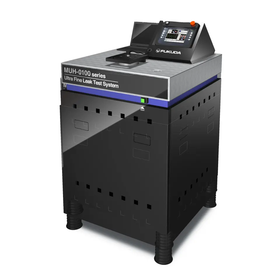
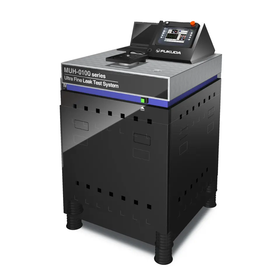
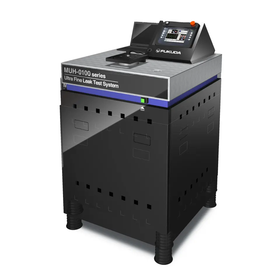
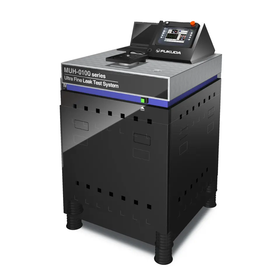
The "MUH-0100 series" is a leak testing device specifically designed for ultra-micro leak measurement that employs the "capsule accumulation method." Our company has developed a high-sensitivity helium leak detection technology called the "capsule accumulation method" for measuring ultra-micro leaks. MEMS components such as angular velocity sensors and infrared image sensors, as well as small electronic components, need to maintain their sealing properties over long periods, requiring high airtightness. 【Capsule Accumulation Method Features】 ■ Capable of measuring up to 4×10⁻¹⁵ Pa·m³/s (He) ■ Significantly reduces background noise ■ Capable of detecting ultra-micro helium leaks ■ Reduces the influence of gases other than helium, which can be sources of error ■ Eliminates the need for heaters or ultra-low temperature pumps, with startup maintenance times comparable to standard helium leak detectors ■ Commercially available standard leaks can be used for calibrating helium accumulation amounts *For more details, please refer to the PDF document or feel free to contact us.
Added to bookmarks
Bookmarks listBookmark has been removed
Bookmarks listYou can't add any more bookmarks
By registering as a member, you can increase the number of bookmarks you can save and organize them with labels.
Free membership registration
In the cosmetics industry, the integrity of packaging is crucial for maintaining product quality. In particular, deterioration or leakage of contents not only undermines the value of the product but also leads to a loss of consumer trust. Our packaging container air leak testing equipment detects peeling, tearing, and the presence of pinholes in packaging containers, ensuring product quality. This contributes to enhancing the reliability of cosmetics. 【Usage Scenarios】 - Offline manufacturing - CMC laboratories - Quality control testing laboratories - Stability testing 【Benefits of Implementation】 - Preservation of product quality - Gaining consumer trust - Reduction of complaints and returns
Added to bookmarks
Bookmarks listBookmark has been removed
Bookmarks listYou can't add any more bookmarks
By registering as a member, you can increase the number of bookmarks you can save and organize them with labels.
Free membership registration
In the pharmaceutical industry, the sterility of packaging containers is extremely important to ensure product quality and safety. Even slight leaks or pinholes in packaging containers can lead to product contamination and have serious effects on patient health. Our packaging container air leak testing equipment quickly and accurately inspects the sealing of packaging containers to ensure sterility. 【Usage Scenarios】 - Offline manufacturing - CMC laboratories - Quality control testing laboratories - Stability testing 【Benefits of Implementation】 - Improved reliability of formulations - Compliance with GMP/validation (IQ, OQ) - Compliance with data integrity (DI) - Adherence to USP<1207>, JIS Z 2332:2012, JP18 reference information (draft)
Added to bookmarks
Bookmarks listBookmark has been removed
Bookmarks listYou can't add any more bookmarks
By registering as a member, you can increase the number of bookmarks you can save and organize them with labels.
Free membership registration
In the food industry, the airtightness of packaging containers is extremely important for maintaining product quality and ensuring safety. The integrity of packaging containers is essential to preserve the flavor and freshness of food and to prevent foreign matter contamination. Poor sealing can lead to product deterioration and potential health risks for consumers. Our packaging container air leak testing equipment detects peeling, tearing, and the presence of pinholes in packaging containers, contributing to the preservation of food quality. 【Application Scenarios】 - Inspection of food packaging containers such as pillow packaging, PTP packaging, and gusset packaging - Inspections in manufacturing offline and quality control laboratories - Testing related to food expiration date labeling 【Benefits of Implementation】 - Improvement in food quality preservation and safety - Cost reduction through the reduction of defective products - Increased reliability from customers
Added to bookmarks
Bookmarks listBookmark has been removed
Bookmarks listYou can't add any more bookmarks
By registering as a member, you can increase the number of bookmarks you can save and organize them with labels.
Free membership registration
This is a leak testing device to confirm the airtightness of packaging containers. - Achieves improved reliability of formulations - Detects peeling, tearing, and the presence of pinholes in packaging containers, and displays differential pressure, leakage amount, graphs, etc. - Easy operation with a touch panel - Inspection targets: pillow packaging, PTP, three-side or four-side seals (packaged products), plastic bags (e.g., infusion bags), strip packaging (SP packaging), gusset packaging, stick packaging, jar containers, etc. - Usage locations: manufacturing offline, CMC laboratories, quality control testing laboratories, stability testing, etc.
Added to bookmarks
Bookmarks listBookmark has been removed
Bookmarks listYou can't add any more bookmarks
By registering as a member, you can increase the number of bookmarks you can save and organize them with labels.
Free membership registration
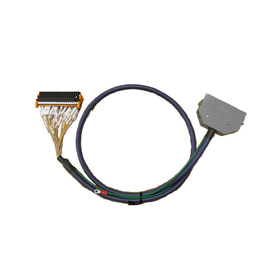
It is easy to replace products with other products. Replacing the product is a simple task of unplugging the connector from the current tester and plugging it into this product. It can be easily installed without the need for rewiring.
Added to bookmarks
Bookmarks listBookmark has been removed
Bookmarks listYou can't add any more bookmarks
By registering as a member, you can increase the number of bookmarks you can save and organize them with labels.
Free membership registration
In the machine tool industry, high precision positioning and stable operation are required. In particular, in drive systems such as air cylinders and hydraulic cylinders, subtle adjustments in pressure significantly impact product quality and production efficiency. Inadequate pressure control can lead to decreased machining accuracy and potential machine failures. The pilot regulator P-200 has high micro-pressure control capability, addressing the challenges of pressure control in machine tool drives. 【Usage Scenarios】 - Drive control for air cylinders and hydraulic cylinders - Precise positioning control - Workpiece clamping control 【Benefits of Implementation】 - Improved machining accuracy through high-precision pressure control - Increased production efficiency due to stable machine operation - Enhanced product quality
Added to bookmarks
Bookmarks listBookmark has been removed
Bookmarks listYou can't add any more bookmarks
By registering as a member, you can increase the number of bookmarks you can save and organize them with labels.
Free membership registration
In the shipbuilding industry's welding process, the precise supply of test pressure is essential to ensure welding quality. The strength and airtightness of the welds are greatly influenced by the stability of the test pressure, and fluctuations in pressure can lead to welding defects and a decline in product quality. The pilot regulator "P-200" has high micro-pressure control capability, achieving stable supply of test pressure and contributing to the improvement of welding quality. [Usage Scenarios] - Pressure adjustment in welding tests - Pressure management in the welding process [Effects of Implementation] - Improvement in welding quality - Reduction of defective products - Enhancement of work efficiency
Added to bookmarks
Bookmarks listBookmark has been removed
Bookmarks listYou can't add any more bookmarks
By registering as a member, you can increase the number of bookmarks you can save and organize them with labels.
Free membership registration
In the aerospace industry, tests require high precision, and the stable supply of test pressure is crucial. Minor pressure fluctuations can significantly impact test results. The pilot regulator P-200 has a high micro-pressure control capability and contributes to the stable supply of test pressure. 【Application Scenarios】 - Leak testing of aerospace components - Pressure testing of various sensors - Performance testing of engine parts 【Benefits of Implementation】 - Improved reliability of test results - Enhanced testing accuracy - Efficient testing through stable pressure supply
Added to bookmarks
Bookmarks listBookmark has been removed
Bookmarks listYou can't add any more bookmarks
By registering as a member, you can increase the number of bookmarks you can save and organize them with labels.
Free membership registration
In the automotive manufacturing painting process, uniform spray application of paint and stable application pressure are essential for achieving high-quality finishes. To eliminate paint unevenness and waste, and to enhance production efficiency, pressure control becomes crucial. The pilot regulator P-200 is specialized in micro-pressure control, allowing for subtle adjustments in pressure during the painting process. This contributes to improved painting quality, paint savings, and increased productivity. 【Application Scenarios】 - Painting of automotive bodies - Painting of bumpers and interior parts - Pressure control within the painting booth 【Benefits of Implementation】 - Stabilization of painting quality - Optimization of paint usage - Streamlining of the painting process
Added to bookmarks
Bookmarks listBookmark has been removed
Bookmarks listYou can't add any more bookmarks
By registering as a member, you can increase the number of bookmarks you can save and organize them with labels.
Free membership registration
In the water treatment industry, pressure control significantly affects the quality and efficiency of the filtration process. Particularly during precise filtration, pressure fluctuations can adversely impact filtration performance. A stable pressure supply is essential to prevent clogging of the filtration media and to maintain consistent product quality. The pilot regulator P-200 achieves stable pressure supply in the filtration process through its micro-pressure control capability, supporting optimal filtration efficiency. 【Application Scenarios】 - Precision filtration systems - Wastewater treatment plants - Pure water production processes 【Benefits of Implementation】 - Stabilization of filtration performance - Improvement in product quality - Reduction in running costs
Added to bookmarks
Bookmarks listBookmark has been removed
Bookmarks listYou can't add any more bookmarks
By registering as a member, you can increase the number of bookmarks you can save and organize them with labels.
Free membership registration
In the gas supply industry, precise pressure control is required. In particular, pressure adjustment in the low-pressure range is essential for maintaining equipment performance and ensuring safe operation. Pressure instability can lead to measurement errors and equipment failures. The pilot regulator P-200 has high low-pressure control capability and contributes to the stable supply of test pressure. 【Usage Scenarios】 - Adjustment of test pressure in gas supply systems - Various gas equipment requiring low-pressure control - Gas pressure control in research and development 【Benefits of Implementation】 - Improved measurement accuracy due to stable supply of test pressure - Enhanced work efficiency due to ease of pressure adjustment - Ability to meet diverse needs by accommodating a wide pressure range
Added to bookmarks
Bookmarks listBookmark has been removed
Bookmarks listYou can't add any more bookmarks
By registering as a member, you can increase the number of bookmarks you can save and organize them with labels.
Free membership registration
In the petroleum refining industry's distillation process, precise pressure control significantly affects product quality and efficiency. In particular, pressure fluctuations within the distillation column can lead to decreased separation efficiency and deterioration of product quality. The pilot regulator P-200 excels in micro-pressure control capabilities, contributing to the stable supply of pressure in the distillation process. This results in improved distillation efficiency, stabilization of product quality, and optimization of the process. 【Application Scenarios】 - Pressure control in distillation columns - Pressure adjustment in reaction processes - Stable supply of test pressure 【Effects of Implementation】 - Improved distillation efficiency - Stabilization of product quality - Optimization of the process
Added to bookmarks
Bookmarks listBookmark has been removed
Bookmarks listYou can't add any more bookmarks
By registering as a member, you can increase the number of bookmarks you can save and organize them with labels.
Free membership registration
In chemical plant reaction processes, precise pressure control is crucial for reaction efficiency and safety. In particular, pressure control in the low-pressure range significantly affects reaction rates and product quality. Pressure fluctuations can lead to reaction instability and the generation of unwanted by-products. The pilot regulator "P-200" has high low-pressure control capability and contributes to the stable supply of test pressure in reaction processes. 【Application Scenarios】 - Pressure control within reaction vessels - Pressure adjustment in catalytic reactions - Pressure stabilization in gas supply lines 【Benefits of Implementation】 - Stabilization of reactions - Improvement of product quality - Increased process efficiency
Added to bookmarks
Bookmarks listBookmark has been removed
Bookmarks listYou can't add any more bookmarks
By registering as a member, you can increase the number of bookmarks you can save and organize them with labels.
Free membership registration
In the pharmaceutical industry, precise control of the mixing process is essential to ensure product quality and safety. Particularly when mixing trace amounts of ingredients, fluctuations in pressure can affect the mixing ratio and potentially compromise product quality. The pilot regulator P-200 has high micro-pressure control capabilities and contributes to the stable supply of pressure in the mixing process. 【Application Scenarios】 - Mixing processes for pharmaceuticals - Mixing of reagents - Mixing experiments in research and development 【Benefits of Implementation】 - Improved accuracy of mixing ratios - Stabilization of product quality - Enhanced reliability of experimental data
Added to bookmarks
Bookmarks listBookmark has been removed
Bookmarks listYou can't add any more bookmarks
By registering as a member, you can increase the number of bookmarks you can save and organize them with labels.
Free membership registration
In the food processing industry, accurate pressure control is essential in the filling process to maintain product quality. In particular, precise pressure adjustments in the micro-pressure range are crucial to ensure the correct filling amount of contents and the airtightness of containers. Fluctuations in pressure can lead to errors in filling amounts or damage to containers, potentially reducing product yield. The pilot regulator P-200 has high micro-pressure control capabilities and contributes to the stable supply of test pressure in the filling process. 【Usage Scenarios】 - Filling contents into food containers - Air-tightness testing of packaging containers - Pressure adjustment for filling machines 【Benefits of Implementation】 - Stabilization of filling amounts - Improvement in product quality - Enhancement of yield
Added to bookmarks
Bookmarks listBookmark has been removed
Bookmarks listYou can't add any more bookmarks
By registering as a member, you can increase the number of bookmarks you can save and organize them with labels.
Free membership registration
In the semiconductor manufacturing industry, precise pressure control during the manufacturing process significantly affects product quality. Particularly in wafer manufacturing and various coating processes, even slight fluctuations in pressure can have a substantial impact on product yield and performance. The pilot regulator P-200 achieves stable pressure supply across a wide range of pressures, from low to micro-pressure, contributing to quality improvement in semiconductor manufacturing processes. 【Application Scenarios】 - Pressure control in wafer manufacturing processes - Pressure adjustment in various coating processes - Experiments and research requiring micro-pressure control 【Benefits of Implementation】 - Stabilization of quality through improved pressure reproducibility - Increased yield - High-precision process management through micro-pressure control
Added to bookmarks
Bookmarks listBookmark has been removed
Bookmarks listYou can't add any more bookmarks
By registering as a member, you can increase the number of bookmarks you can save and organize them with labels.
Free membership registration
In the energy industry, particularly in the power generation sector, efficient energy conversion and stable operation are required. To maximize the performance of power generation systems, precise pressure management through micro-pressure control is essential. Inadequate micro-pressure control can lead to decreased system efficiency and, in the worst case, failure. The pilot regulator "P-200" has high micro-pressure control capabilities and addresses these challenges by providing a stable supply of test pressure for power generation systems. 【Usage Scenarios】 - Various tests in power generation plants - Pressure regulation for fuel cell systems - Micro-pressure control for gas supply systems 【Benefits of Implementation】 - Improved test accuracy due to enhanced pressure reproducibility - A wide range of pressure adjustment from micro-pressure to low pressure - Maximization of system efficiency through stable pressure supply
Added to bookmarks
Bookmarks listBookmark has been removed
Bookmarks listYou can't add any more bookmarks
By registering as a member, you can increase the number of bookmarks you can save and organize them with labels.
Free membership registration
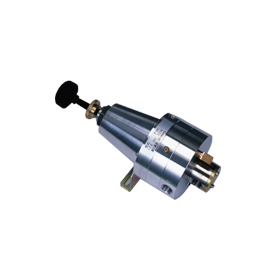
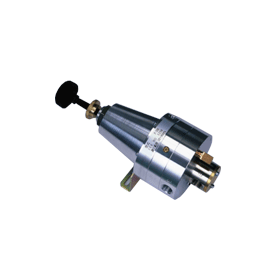
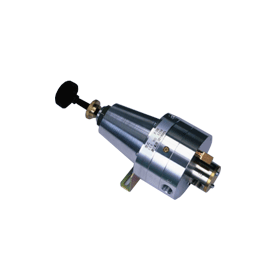
The pilot regulator "P-200" has high micro-pressure control capability and is a pressure reducing valve suitable for micro-pressure control. The controllable output pressure ranges from 0.1 kPa to the positive pressure side, and in the case of negative pressure specifications, it ranges from -0.1 kPa. The positive pressure specification has a function to maintain the set pressure constant by adjusting the flow rate that relieves from the output side to the atmospheric pressure side, while the negative pressure specification adjusts the flow rate that relieves from the atmospheric pressure side to the output side. 【Features】 - It uses a large diameter nozzle flapper method, providing excellent stability. - It has excellent pressure reproducibility. - It has a wide range of set pressure from micro-pressure to low pressure, making pressure adjustment easy. - Differential pressure (ΔP) control is also easy. - It has a relief structure, and the positive pressure specification can be used as a high-sensitivity relief valve.
Added to bookmarks
Bookmarks listBookmark has been removed
Bookmarks listYou can't add any more bookmarks
By registering as a member, you can increase the number of bookmarks you can save and organize them with labels.
Free membership registration
In the pharmaceutical industry, complete sealing of containers is essential for maintaining the quality of pharmaceuticals. Particularly in container inspections for vials and eye drop containers, high precision is required to detect even the smallest leaks. Inadequate containers can lead to degradation or contamination of pharmaceuticals, potentially compromising the safety and reliability of the products. Fukuda Pinholes (pseudo-defects/reference test pieces) can be utilized as positive controls (defective product samples) for standard setting and validation in pressure change leak testing and liquid immersion testing. They contribute to the evaluation of packaging integrity in accordance with JP18, the setting of "maximum allowable leak limits," and tests for the intrusion of water vapor, oxygen, and microorganisms, as well as quantification from qualitative testing methods (current leak standards converted to pore sizes). [Usage Scenarios] - Container inspections for vials, syringes, and eye drop containers - Leak testing for PTP packaging - Evaluation of packaging integrity [Effects of Implementation] - Improved quality control through accurate leak testing - Increased efficiency in standard setting and validation - Assurance of product safety and reliability
Added to bookmarks
Bookmarks listBookmark has been removed
Bookmarks listYou can't add any more bookmarks
By registering as a member, you can increase the number of bookmarks you can save and organize them with labels.
Free membership registration
In the food industry, it is important to minimize the risk of foreign matter contamination to ensure product safety. There is a possibility that foreign substances can enter through small gaps in packaging containers, which can lead to health hazards for consumers. Fukuda pinholes serve as pseudo-defects to evaluate leaks in packaging containers and reduce the risk of foreign matter contamination. By using them as positive controls, they also assist in standard setting and validation assessments. 【Usage Scenarios】 - Leak testing of food packaging containers - Quality evaluation of packaging materials - Reduction of foreign matter contamination risks 【Effects of Implementation】 - Prevention of complaints and recalls due to foreign matter contamination - Improvement in product quality and reliability - Streamlining of manufacturing processes
Added to bookmarks
Bookmarks listBookmark has been removed
Bookmarks listYou can't add any more bookmarks
By registering as a member, you can increase the number of bookmarks you can save and organize them with labels.
Free membership registration
In the medical device industry, evaluating the airtightness of joints is crucial to ensure product safety and reliability. Particularly in medical devices that are implanted in the body or in devices that handle pharmaceutical liquids, leaks at the joints can lead to serious issues. Our Fukuda Pinhole (pseudo-defect/reference test piece) is useful for standard setting and validity assessment in joint leakage testing. By using it as a positive control (defective sample), more accurate evaluations can be achieved. 【Application Scenarios】 - Evaluation of the airtightness of joints in medical devices - Leakage testing of pharmaceutical containers - Assessment of packaging integrity in accordance with JP18 【Benefits of Implementation】 - Reduced risk of joint leakage - Improved product quality - Assurance of compliance with standards
Added to bookmarks
Bookmarks listBookmark has been removed
Bookmarks listYou can't add any more bookmarks
By registering as a member, you can increase the number of bookmarks you can save and organize them with labels.
Free membership registration
In the electronics industry, it is important to accurately detect minute defects in substrates to ensure product quality and reliability. The quality of the substrate directly affects product performance, necessitating a strict inspection system. Fukuda pinholes (pseudo-defects/reference test specimens) assist in setting standards and validating leak tests in substrate inspections, contributing to improved inspection accuracy. 【Application Scenarios】 - Air-tightness testing of substrates - Quality evaluation of various electronic components - Evaluation of packaging integrity in accordance with JP18 【Benefits of Implementation】 - Streamlining of inspection processes - Improvement in product quality - Prevention of defective products from being released
Added to bookmarks
Bookmarks listBookmark has been removed
Bookmarks listYou can't add any more bookmarks
By registering as a member, you can increase the number of bookmarks you can save and organize them with labels.
Free membership registration
In the plant industry, early detection of damage due to corrosion is crucial for maintaining the safety and efficiency of equipment. In particular, corrosion in sealed systems such as pipes and tanks can lead to leaks and potentially serious accidents. Fukuda pinholes (pseudo-defects/reference test pieces) serve as positive controls in leak testing for corrosion assessment, contributing to standard setting and validity evaluation. This enhances the safety of plant equipment and supports stable operations. 【Usage Scenarios】 - Leak testing due to corrosion in pipes and tanks - Use in pressure change leak testing methods and liquid immersion testing methods - Testing for the intrusion of water vapor, oxygen, and microorganisms 【Effects of Implementation】 - Early detection and countermeasures for leaks due to corrosion - Improvement of equipment safety - Maintenance of stable plant operations
Added to bookmarks
Bookmarks listBookmark has been removed
Bookmarks listYou can't add any more bookmarks
By registering as a member, you can increase the number of bookmarks you can save and organize them with labels.
Free membership registration
In the bridge industry, non-destructive testing for defect detection is essential to ensure the long-term safety of structures. In particular, small damages caused by corrosion and fatigue can lead to serious accidents if not detected early and addressed appropriately. Fukuda pinholes (pseudo-defects/reference test pieces) contribute to improving the accuracy and reliability of non-destructive testing. By utilizing them as positive controls, it becomes easier to set testing standards and evaluate their validity, thereby enhancing the reliability of test results. 【Usage Scenarios】 - Calibration of testing equipment for crack and corrosion inspections - Validity evaluation of testing methods - Skill assessment of inspectors 【Effects of Implementation】 - Improved accuracy of inspections - Increased reliability of test results - Enhanced safety of structures
Added to bookmarks
Bookmarks listBookmark has been removed
Bookmarks listYou can't add any more bookmarks
By registering as a member, you can increase the number of bookmarks you can save and organize them with labels.
Free membership registration
In the railway industry, wheel inspections require thorough checks to ensure safety, leaving no small leaks overlooked. It is important to establish appropriate standards for evaluating the airtightness of wheels and to enhance the reliability of inspections. Fukuda pinholes (pseudo-defects/reference test pieces) serve as positive controls and contribute to standard setting and validity assessment. This allows for the improvement of inspection accuracy while ensuring safety. 【Usage Scenarios】 - Setting standards for wheel leak inspections - Performance evaluation of inspection equipment - Inspections during regular maintenance 【Effects of Implementation】 - Improved inspection accuracy - Enhanced safety - Streamlined inspection processes
Added to bookmarks
Bookmarks listBookmark has been removed
Bookmarks listYou can't add any more bookmarks
By registering as a member, you can increase the number of bookmarks you can save and organize them with labels.
Free membership registration
In the oil and gas industry, the safety of piping and efficient operation are essential. Leaks not only lead to environmental pollution and accidents but also result in economic losses due to operational shutdowns. It is particularly important to detect small leaks early in piping that is prone to corrosion and wear. Fukuda Pinholes (pseudo-defects/reference test pieces) contribute to improving the accuracy and efficiency of leak testing in piping inspections. 【Usage Scenarios】 - Leak testing for pressure changes in piping - Leak inspection through liquid immersion testing - Standard setting using positive controls (defective product samples) 【Effects of Implementation】 - Increased reliability of leak tests - Improved efficiency in standard setting - Enhanced safety
Added to bookmarks
Bookmarks listBookmark has been removed
Bookmarks listYou can't add any more bookmarks
By registering as a member, you can increase the number of bookmarks you can save and organize them with labels.
Free membership registration
In the automotive industry, the airtightness of welds is crucial. Particularly in areas where leaks are unacceptable, such as engine components and fuel tanks, high quality is required. Leaks due to welding defects can lead to decreased product performance and safety issues. Fukuda pinholes (pseudo-defects/reference test pieces) are used as positive controls in leak testing of welds, contributing to standard setting and validity assessment. 【Application Scenarios】 - Leak testing of welds - Pressure change leak testing method, liquid immersion testing method - Standard setting using positive controls (defective product samples) 【Effects of Implementation】 - Improvement in quality control of welds - Enhanced inspection accuracy - Reduction of defective products
Added to bookmarks
Bookmarks listBookmark has been removed
Bookmarks listYou can't add any more bookmarks
By registering as a member, you can increase the number of bookmarks you can save and organize them with labels.
Free membership registration
In the power generation industry, turbine inspections require early detection of leaks and accurate assessments to ensure safe operation and efficient energy supply. To prevent performance degradation and accidents in turbines, a sophisticated inspection system that does not overlook even the smallest leaks is essential. Fukuda Pinholes (pseudo-defects/reference test pieces) can be utilized for setting standards and validating leak tests, contributing to the reliability of turbine inspections. 【Usage Scenarios】 - Turbine airtightness testing - Leak testing of various components - Standard setting and evaluation 【Effects of Implementation】 - Improved accuracy of leak tests - Reduced inspection time - Enhanced safety
Added to bookmarks
Bookmarks listBookmark has been removed
Bookmarks listYou can't add any more bookmarks
By registering as a member, you can increase the number of bookmarks you can save and organize them with labels.
Free membership registration
In the shipbuilding industry, thickness measurement is crucial for ensuring the safety of structures. Accurate measurements are particularly required for evaluating the quality of welds and detecting thickness reduction due to corrosion. Inadequate measurements can lead to insufficient strength of the structures. Fukuda pinholes (pseudo-defects/reference test pieces) are useful for standard setting and validity assessment in leakage tests. 【Application Scenarios】 - Quality evaluation of welds - Detection of thickness reduction due to corrosion - Use in pressure change leakage testing methods and liquid immersion testing methods 【Effects of Implementation】 - Improved reliability of leakage tests - Increased efficiency in standard setting - Enhanced quality control
Added to bookmarks
Bookmarks listBookmark has been removed
Bookmarks listYou can't add any more bookmarks
By registering as a member, you can increase the number of bookmarks you can save and organize them with labels.
Free membership registration
In the aerospace industry, product reliability is the most critical issue in quality assurance. Particularly for components that require high safety and durability, even minor leaks or defects can lead to serious accidents. Fukuda pinholes (pseudo-defects/reference test specimens) support standard setting and validity assessment in addressing such challenges, contributing to the improvement of product quality. We provide solutions that meet the stringent quality standards of the aerospace field, accommodating various testing methods such as pressure change leak testing and liquid immersion testing. [Application Scenarios] - Leak testing of aerospace components - Standard setting in quality management - Evaluation testing in research and development [Effects of Implementation] - Improved product reliability - Increased efficiency in quality management - Enhanced testing accuracy
Added to bookmarks
Bookmarks listBookmark has been removed
Bookmarks listYou can't add any more bookmarks
By registering as a member, you can increase the number of bookmarks you can save and organize them with labels.
Free membership registration
This is a pseudo-defect (reference test piece) that specifies hole diameter and hole length. It can be used in pressure change leakage testing methods and liquid immersion testing methods. It can be utilized for standard setting and validity evaluation using positive controls (defective product samples). - Evaluation of packaging integrity in accordance with JP18 - Setting of "maximum allowable leakage limit" - Testing for the intrusion of water vapor, oxygen, and microorganisms - Quantification from qualitative testing methods (converting current leakage standards to hole diameter)
Added to bookmarks
Bookmarks listBookmark has been removed
Bookmarks listYou can't add any more bookmarks
By registering as a member, you can increase the number of bookmarks you can save and organize them with labels.
Free membership registration