1~45 item / All 45 items
Displayed results
Filter by category

Added to bookmarks
Bookmarks listBookmark has been removed
Bookmarks listYou can't add any more bookmarks
By registering as a member, you can increase the number of bookmarks you can save and organize them with labels.
Free membership registration
Contact this company
Contact Us Online1~45 item / All 45 items
Filter by category
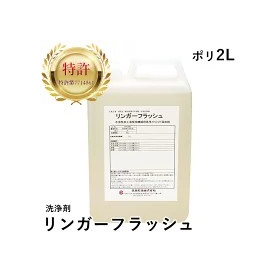
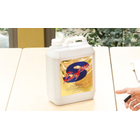
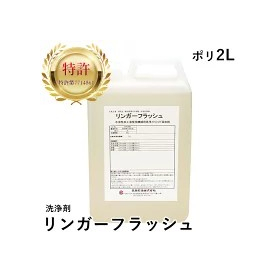
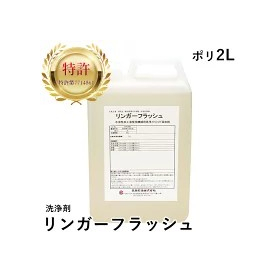
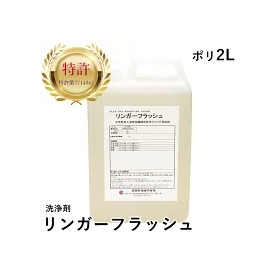
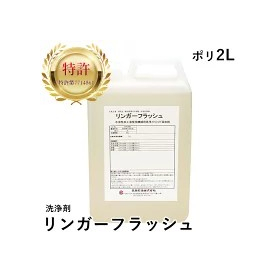
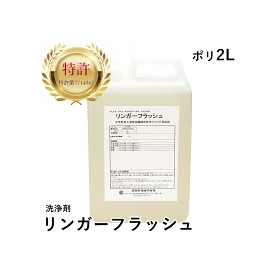
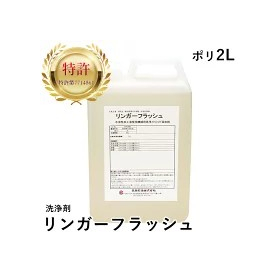
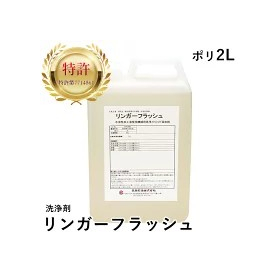
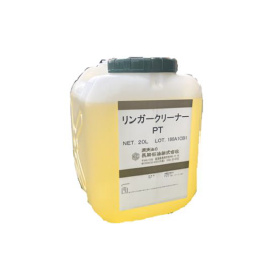
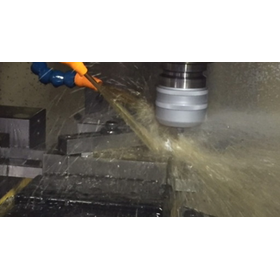
【Recommended for such environments】 - Flushing agents that do not fall under GHS classification standards are preferable. - Want to make flushing easier and more convenient. - Want to extend coolant life. 【What is Ringer Flush?】 "Ringer Flush" is a flushing additive effective for cleaning dirt attached to machine tools and coolant tanks using water-soluble processing fluids. 【Usage Instructions】 Add this product to the coolant tank at a concentration of 1% while stirring slowly, and then circulate the processing fluid for about a week before replacing the coolant. 【Features】 - Easy to use: You can continue processing without stopping the machinery after adding. - Low odor and low irritation: Usable for both ferrous and non-ferrous metals. No irritating smell. - Thorough cleaning: Completely cleans sludge and tarnish from castings and thoroughly cleans inside machines and pipes! - Reduction of waste liquid volume and working time: Reduces the time needed for tank cleaning, thereby decreasing waste liquid volume. - Patented: Holds patent No. 7714861 for the flushing method. 【Packaging】 Available in 2L and 5L bottles, and 20L cubitainer. For more details, please refer to the PDF document or feel free to contact us.
Added to bookmarks
Bookmarks listBookmark has been removed
Bookmarks listYou can't add any more bookmarks
By registering as a member, you can increase the number of bookmarks you can save and organize them with labels.
Free membership registration
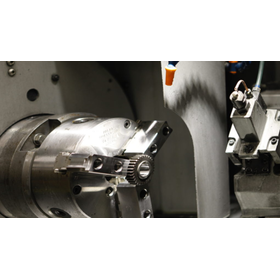
We would like to introduce a case where we successfully addressed the challenges of the Fire Service Act and improved the environment within a factory, based on a request from a company in Niigata Prefecture. This company, which primarily uses non-aqueous grinding oil in machinery manufacturing, was struggling with the designated quantity under the Fire Service Act. After implementation, they were able to freely arrange the factory layout, and by reducing the annual oil usage, they maintained a total running cost that was almost equivalent to that of conventional products. 【Case Overview】 ■Challenges - The use of non-aqueous grinding oil posed challenges regarding the designated quantity under the Fire Service Act. ■Implementation Effects - Successfully cleared the challenges of the Fire Service Act and improved the environment within the factory. *For more details, please download the PDF or feel free to contact us.
Added to bookmarks
Bookmarks listBookmark has been removed
Bookmarks listYou can't add any more bookmarks
By registering as a member, you can increase the number of bookmarks you can save and organize them with labels.
Free membership registration
We would like to introduce a case where we successfully shortened the process while complying with the Organic Solvent Poisoning Prevention Regulations, at the request of a company in Niigata Prefecture. The company was washing parts with trichloroethylene after machining, but due to instructions from their clients for green procurement, they decided to consider alternatives. We proposed the introduction of a vacuum ultrasonic cleaning and drying system along with a non-organic solvent cleaning agent, which not only maintained sufficient cleaning power but also allowed for automatic cleaning and drying. [Case Overview] ■ Issues - Trichloroethylene violated the Organic Solvent Poisoning Prevention Regulations ■ Benefits of Implementation - Successfully shortened the process while complying with legal regulations *For more details, please download the PDF or feel free to contact us.
Added to bookmarks
Bookmarks listBookmark has been removed
Bookmarks listYou can't add any more bookmarks
By registering as a member, you can increase the number of bookmarks you can save and organize them with labels.
Free membership registration
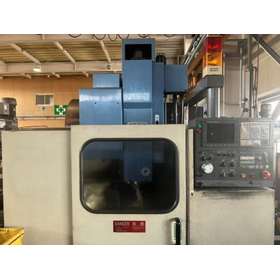
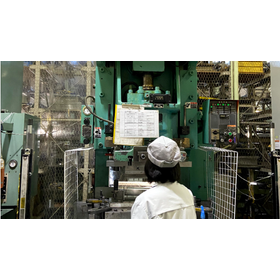
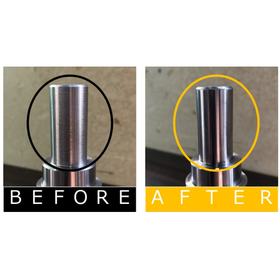
We would like to introduce a case where we developed a dedicated non-water-soluble cutting oil at the request of a company in Niigata Prefecture, which led to improvements in the working environment. This company was using a non-water-soluble cutting oil classified as a Class 4 hazardous material, Category 3 petroleum product. However, due to its quantity being close to the specified limit under the Fire Service Act, they were considering switching to Class 4 petroleum products. Although it took some time, we developed a dedicated oil that maintained low viscosity, which reduced the amount of mist generated. Consequently, the mist that floated in the factory during operations such as opening and closing machine windows also decreased. [Case Overview] ■ Issues - The non-water-soluble cutting oil classified as a Class 3 petroleum product was close to the specified limit under the Fire Service Act, prompting consideration of Class 4 petroleum products. ■ Implementation Effects - We developed a dedicated oil for Class 4 petroleum products, successfully improving the working environment by reducing the amount of mist generated. *For more details, please download the PDF or feel free to contact us.
Added to bookmarks
Bookmarks listBookmark has been removed
Bookmarks listYou can't add any more bookmarks
By registering as a member, you can increase the number of bookmarks you can save and organize them with labels.
Free membership registration
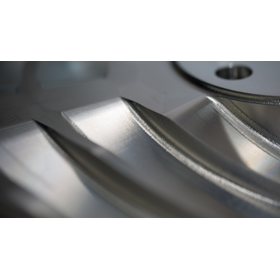
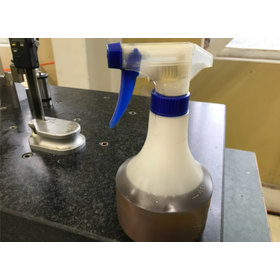
We would like to introduce a case of removing stubborn dirt that had accumulated around machinery used for mass production, based on a request from a company in Niigata Prefecture. The company performs cutting processing of cast iron on some of its manufacturing lines, and the iron shavings tend to become fine and disperse in the cutting oil, leading to a dirty environment around the machinery. In response, we proposed the introduction of a special alkaline cleaning agent. It demonstrated effective removal even against stubborn dirt that had dried and adhered due to the cutting oil, leaving them surprised by how well it worked despite the raw material being water. 【Case Overview】 ■ Issues - Dirt accumulated around the machinery affects not only appearance but also work efficiency. ■ Benefits of Introduction - Strong cleaning power while reducing cleaning time without the need for double wiping. *For more details, please download the PDF or feel free to contact us.
Added to bookmarks
Bookmarks listBookmark has been removed
Bookmarks listYou can't add any more bookmarks
By registering as a member, you can increase the number of bookmarks you can save and organize them with labels.
Free membership registration
We would like to introduce a case where the change to a non-water-soluble cutting oil significantly reduced oil mist, based on a consultation from a customer using oil-based cutting oil in a machining center. The generation of a large amount of mist was pointed out as deteriorating the working environment, and the oil mist generated during processing made the workers' hair and clothes sticky and gave off an oily smell. When we proposed a paraffin-rich oil-based cutting oil, the oil mist visibly decreased, and the adhesion and stickiness to the workers' hair and clothes were significantly reduced. [Case Summary] ■ Issues - A large amount of oil mist was generated, deteriorating the working environment. ■ Implementation Effects - Visible reduction in oil mist. - Significant decrease in adhesion and stickiness to workers' hair and clothes. *For more details, please download the PDF or feel free to contact us.
Added to bookmarks
Bookmarks listBookmark has been removed
Bookmarks listYou can't add any more bookmarks
By registering as a member, you can increase the number of bookmarks you can save and organize them with labels.
Free membership registration
We would like to introduce a case study where the introduction of low-mist water-soluble cutting oil improved the working environment and reduced the amount of cutting oil used. In a machining center using water-soluble cutting oil, operators reported that "the smell when opening the processing room door due to mist sometimes makes them feel unwell." After the introduction, we received feedback that "the mist has decreased and the smell is less than before," leading to less oil contamination on work clothes and around machines, which contributed to an improved working environment. [Case Overview] ■ Issues - Employees raised concerns about unpleasant odors caused by oil mist. ■ Effects of Implementation - Reduction of unpleasant odors and oil contamination due to decreased oil mist. - Led to a reduction in coolant usage. *For more details, please download the PDF or feel free to contact us.
Added to bookmarks
Bookmarks listBookmark has been removed
Bookmarks listYou can't add any more bookmarks
By registering as a member, you can increase the number of bookmarks you can save and organize them with labels.
Free membership registration
We would like to introduce a case where a company in Niigata Prefecture successfully improved processing accuracy and reduced total costs by switching cutting oils upon request from their client. This company had been using chlorine-based water-soluble cutting oil, but received a notice from their client requesting that they stop using cutting oils containing chlorine, prompting them to consider switching cutting oils. After the switch, not only did they manage to meet the client's request while improving processing accuracy, but the reduction in stickiness around the machines also made walking safer by decreasing the risk of slipping. 【Case Overview】 ■Challenges - A switch from chlorine-containing cutting oil was necessary due to a request from the client. ■Benefits of Implementation - Successfully improved processing accuracy and reduced total costs while responding to the client's request. *For more details, please download the PDF or feel free to contact us.
Added to bookmarks
Bookmarks listBookmark has been removed
Bookmarks listYou can't add any more bookmarks
By registering as a member, you can increase the number of bookmarks you can save and organize them with labels.
Free membership registration
We would like to introduce a case where we successfully increased the mold lifespan by 2.3 times and achieved an annual cost reduction of 200,000 yen at the request of a company in Niigata Prefecture. This company uses high-performance drawing processing oil for the swaging of construction scaffolding parts, but the molds were wearing out quickly, leading to product defects. After implementation, the number of mold replacements was reduced to less than half, resulting in less overall production downtime and improved production efficiency. 【Case Overview】 ■Challenges - Rapid mold wear leading to significant product defects and maintenance costs ■Implementation Effects - Improved production efficiency and successful cost reduction of 200,000 yen annually *For more details, please download the PDF or feel free to contact us.
Added to bookmarks
Bookmarks listBookmark has been removed
Bookmarks listYou can't add any more bookmarks
By registering as a member, you can increase the number of bookmarks you can save and organize them with labels.
Free membership registration
We would like to introduce a case where a company engaged in mass processing of automotive parts in Fukushima Prefecture successfully increased mold life by five times using an oil agent that met the processing conditions. With the currently used plastic processing oil, the molds only lasted for less than one-fifth of the target quantity, leading to frequent mold replacements, which resulted in time losses and poor production efficiency. We proposed an oil agent that could extend mold life, and by reviewing the oil, we were able to extend the mold life, reduce the frequency of mold replacements, and thereby lessen the burden on operators and reduce machine downtime. 【Case Overview】 ■ Issues - The molds only lasted for less than one-fifth of the target quantity, leading to frequent mold replacements and poor production efficiency. ■ Implementation Effects - Mold life extended to more than five times compared to current products, and there were no issues in the subsequent cleaning process, achieving the target quantity. *For more details, please download the PDF or feel free to contact us.
Added to bookmarks
Bookmarks listBookmark has been removed
Bookmarks listYou can't add any more bookmarks
By registering as a member, you can increase the number of bookmarks you can save and organize them with labels.
Free membership registration
We would like to introduce a case where we prevented clogging of grinding wheels and resolved the burning that occurred during grinding processes, based on a consultation from a company manufacturing tools in Niigata Prefecture. The company frequently experienced clogging of the grinding wheels, resulting in burning on the products. As a result, every time burning occurred, they had to perform maintenance on the grinding wheels and re-grind the products, leading to a situation of poor production efficiency. We proposed switching to a grinding oil with excellent rust prevention and cleaning properties. Even after three years of changing the grinding oil, it remained a clean, transparent liquid, and the burning issue was resolved. 【Case Summary】 ■ Challenges - Grinding wheels frequently clogged during flat grinding processes, causing burning on the products. ■ Implementation Effects - By switching the grinding oil and managing it with appropriate usage methods, the burning on the products was eliminated. *For more details, please download the PDF or feel free to contact us.
Added to bookmarks
Bookmarks listBookmark has been removed
Bookmarks listYou can't add any more bookmarks
By registering as a member, you can increase the number of bookmarks you can save and organize them with labels.
Free membership registration
We would like to introduce a case where we solved the warping issue of products generated during deep hole machining and reduced power consumption, based on a consultation from a company in Niigata Prefecture. The cutting performance of a competitor's product (non-water-soluble cutting oil) that was traditionally used for gun drilling was not satisfactory, leading to warping in the products. We introduced a non-water-soluble cutting oil with excellent machinability that can solve the warping problem for long workpieces, achieving a power consumption reduction effect of 12.33%. 【Case Overview】 ■ Challenges - Warping occurred in products during deep hole machining of long workpieces. ■ Implementation Effects - The warping issue was resolved by switching to a non-water-soluble cutting oil with excellent machinability. - Power consumption was also reduced. *For more details, please download the PDF or feel free to contact us.
Added to bookmarks
Bookmarks listBookmark has been removed
Bookmarks listYou can't add any more bookmarks
By registering as a member, you can increase the number of bookmarks you can save and organize them with labels.
Free membership registration
We would like to introduce a case where we switched to a machining oil that achieves the desired machining precision and tool life while complying with the revised REACH regulations. A company engaged in integrated production from mold design and manufacturing to mass production and assembly of precision metal press parts consulted us because the oil-based machining oil they had been using was added to the list of SVHC (Substances of Very High Concern) due to the revision of the REACH regulations, necessitating a response. We proposed switching to a chlorine-free machining oil suitable for tapping and conducted a series of test trials. As a result, we were able to achieve the target of 5,000 shots with one of the machining oil samples. 【Case Overview】 ■ Issues - The chlorine-based additives in the oil-based machining oil being used were added to the SVHC list due to the revision of the REACH regulations. ■ Benefits of Implementation - Achieved the desired machining precision and tool life while switching to a chlorine-free machining oil. *For more details, please download the PDF or feel free to contact us.
Added to bookmarks
Bookmarks listBookmark has been removed
Bookmarks listYou can't add any more bookmarks
By registering as a member, you can increase the number of bookmarks you can save and organize them with labels.
Free membership registration
We would like to introduce a case where a company manufacturing precision machined parts in Niigata Prefecture requested a change in cutting oil, resulting in a significant improvement in surface accuracy. The company faced challenges with unstable machining accuracy in turning and finishing processes for components such as shafts and nuts, leading to inconsistent surface accuracy depending on the material lot. After the implementation, the surface accuracy improved, tool life extended by approximately 1.3 times, and the frequency of cutting oil replenishment reduced from four times a week to just twice, contributing to increased production efficiency in many aspects. [Case Summary] ■ Challenges - Inconsistent surface accuracy in turning processes resulted in variations in product finish. ■ Implementation Effects - Significant improvement in surface accuracy, extension of tool life, reduction in usage, and improvement in skin irritation. *For more details, please download the PDF or feel free to contact us.
Added to bookmarks
Bookmarks listBookmark has been removed
Bookmarks listYou can't add any more bookmarks
By registering as a member, you can increase the number of bookmarks you can save and organize them with labels.
Free membership registration
We would like to introduce a case where a company in Nagano Prefecture switched to a rust-preventive oil, resulting in zero rust occurrence due to sweat adhesion. The company mass-produces automotive and machine tool parts using NC lathes, and there was a phenomenon where parts touched by workers' sweaty hands after processing would rust. After the implementation, not only were the labor and costs previously spent on rust removal reduced, but the need for measures to prevent sweat adhesion was also eliminated, leading to improved production efficiency. 【Case Overview】 ■ Issues - In summer, parts touched by workers' sweaty hands after processing would rust. ■ Implementation Effects - Rust occurrence due to sweat components was reduced to zero, improving production efficiency. *For more details, please download the PDF or feel free to contact us.
Added to bookmarks
Bookmarks listBookmark has been removed
Bookmarks listYou can't add any more bookmarks
By registering as a member, you can increase the number of bookmarks you can save and organize them with labels.
Free membership registration
We would like to introduce a case study from a company in Niigata Prefecture that successfully simplified the application of rust preventive oil, improving work efficiency and reducing the amount of rust preventive oil used. The company used a petroleum-based rust preventive oil. Due to the stickiness of the oil, it was difficult to handle, leading to issues such as adhesion to hands and the limitation of only being able to apply it with a brush, which made the application process time-consuming. They were searching for ways to improve work efficiency. After the introduction of a new method, the application that was previously done with a brush became possible with a spray, allowing for application without dirtying hands, while maintaining rust prevention effectiveness and improving production efficiency. 【Case Overview】 ■ Challenges - The stickiness of the rust preventive oil made it difficult to handle, resulting in a cumbersome application process. ■ Implementation Effects - By changing the rust preventive oil, costs and usage were reduced by approximately one-third. *For more details, please download the PDF or feel free to contact us.
Added to bookmarks
Bookmarks listBookmark has been removed
Bookmarks listYou can't add any more bookmarks
By registering as a member, you can increase the number of bookmarks you can save and organize them with labels.
Free membership registration
Here is a case study on eliminating rust on products that occurs after processing with water-soluble cutting oil. The background for this introduction is that after rust prevention treatment, rust appeared on several products, leading to an increase in the amount of rust prevention oil used and resulting in higher costs. By being able to remove the components of the water-soluble cutting oil down to minimal residues, the performance of the rust prevention oil began to act on the metal surface, resolving the rust issue. 【Case Summary】 ■Challenges - Rust on products, increased usage of rust prevention oil ■Benefits - Elimination of rust, annual cost reduction of 500,000 yen *For more details, please download the PDF or feel free to contact us.
Added to bookmarks
Bookmarks listBookmark has been removed
Bookmarks listYou can't add any more bookmarks
By registering as a member, you can increase the number of bookmarks you can save and organize them with labels.
Free membership registration
We would like to introduce a case where a company engaged in general cutting processing in Niigata Prefecture consulted us about selecting the appropriate oil agent to prevent discoloration of copper and stickiness of cutting oil. The company faced a problem where products were discolored after processing copper for new projects. To suppress the discoloration of copper caused by cutting oil, they were washing the products with a parts cleaner to prevent discoloration. After implementation, the copper no longer discolored after processing, eliminating the need to use the parts cleaner, which allowed them to reduce the labor involved in cleaning and save approximately 20,000 yen annually in costs. 【Case Summary】 ■Challenges - Processing copper resulted in discoloration of the material and discoloration and stickiness of water-soluble cutting oil, leading to inefficient production. ■Implementation Effects - Prevented discoloration of copper and discoloration and stickiness of cutting oil, reducing the labor and costs associated with product cleaning and cutting oil replacement. *For more details, please download the PDF or feel free to contact us.
Added to bookmarks
Bookmarks listBookmark has been removed
Bookmarks listYou can't add any more bookmarks
By registering as a member, you can increase the number of bookmarks you can save and organize them with labels.
Free membership registration
We would like to introduce a case where the review of rust prevention oil improved plating defects in the subsequent process. This company used to dip machined parts in rust prevention oil and let them air dry before shipping. However, they faced the issue of "plating not adhering properly in some areas despite washing the parts and performing surface treatment." After the implementation, there were no occurrences of rust, and the surface treatment contractor reported that "the plating has become cleaner than before, and the problem has been resolved." 【Case Overview】 ■ Issues - Plating defects occurred at the surface treatment contractor after applying rust prevention oil. ■ Implementation Effects - Improved ease of removing rust prevention oil, leading to the resolution of plating defects. *For more details, please download the PDF or feel free to contact us.
Added to bookmarks
Bookmarks listBookmark has been removed
Bookmarks listYou can't add any more bookmarks
By registering as a member, you can increase the number of bookmarks you can save and organize them with labels.
Free membership registration
We would like to introduce a case where the selection of suitable oils resolved discoloration of aluminum materials for our customers in Niigata Prefecture's optical equipment manufacturing. The company was using a water-soluble cutting oil recommended for aluminum processing of aircraft parts, but faced the issue of white stains appearing on the machined surfaces of the parts. Immediately after switching to a new cutting oil, and while continuing machining as usual for a while, there were no stains on the processed aluminum parts, resulting in zero defective products. 【Case Summary】 ■Challenge - Used water-soluble cutting oil recommended for aluminum processing, but white stains appeared on the machined surfaces of the parts. ■Implementation Effect - No stains appeared on the processed aluminum parts, achieving zero defective products. *For more details, please download the PDF or feel free to contact us.
Added to bookmarks
Bookmarks listBookmark has been removed
Bookmarks listYou can't add any more bookmarks
By registering as a member, you can increase the number of bookmarks you can save and organize them with labels.
Free membership registration
We would like to introduce a case that contributed to suppressing the discoloration of water-soluble cutting oil, improving production efficiency and enhancing the working environment. Previously, while processing cast parts with machining centers and NC lathes, the water-soluble cutting oil used would become brown and dirty within about 2 to 3 months after replacement. After the improvement, the cutting oil no longer became brown and dirty, allowing it to be used for 2 years without replacement, and there was no need to wash it with a parts cleaner. [Case Overview] ■ Issues - Water-soluble cutting oil becomes brown and dirty within about 2 to 3 months after replacement. - Cleaning products and fully replacing cutting oil is labor-intensive. ■ Benefits of Implementation - The frequency of cutting oil replacement was extended from 3 months to 2 years. - There was no longer a need to use parts cleaner for product cleaning. *For more details, please download the PDF or feel free to contact us.
Added to bookmarks
Bookmarks listBookmark has been removed
Bookmarks listYou can't add any more bookmarks
By registering as a member, you can increase the number of bookmarks you can save and organize them with labels.
Free membership registration
We would like to introduce a case where a 25% price reduction per drum was achieved compared to the price of new liquid. The company in this case faced the challenge of being unable to reduce the purchase costs of auxiliary materials due to the soaring prices of petrochemical products caused by high crude oil prices. By switching to the operation of recycled products extracted from waste liquids, we were able to achieve a 25% price reduction per drum compared to the price of new liquid, and we achieved an operational performance with a waste liquid yield of about 50% each month. [Challenges Before Implementation] ■ Unable to reduce the purchase costs of auxiliary materials due to soaring prices of petrochemical products caused by high crude oil prices. ■ There was resistance to using recycled products due to past experiences of cleaning failures and material corrosion issues caused by recycled products. *For more details, please download the PDF or feel free to contact us.
Added to bookmarks
Bookmarks listBookmark has been removed
Bookmarks listYou can't add any more bookmarks
By registering as a member, you can increase the number of bookmarks you can save and organize them with labels.
Free membership registration
We would like to introduce a case study on reducing electricity consumption due to the operation of machine tools, based on a request from a company in Niigata Prefecture. The company was concerned about electricity costs, but had no interest in managing lubricants or grease, and did not review these products unless there were issues. Data was collected over approximately one month using the current grease, after which it was replaced with "Ringer Eco Grease," and data was compared. After the implementation, operations continued as usual, resulting in a successful reduction of approximately 8% in electricity consumption. [Challenges Before Implementation] ■ Electricity consumption due to the operation of machine tools was increasing. ■ On the other hand, there was no interest in managing lubricants or grease, and they did not review these products unless there were issues. *For more details, please download the PDF or feel free to contact us.
Added to bookmarks
Bookmarks listBookmark has been removed
Bookmarks listYou can't add any more bookmarks
By registering as a member, you can increase the number of bookmarks you can save and organize them with labels.
Free membership registration
We received a request from a company in Niigata Prefecture and would like to introduce a case where we achieved a reduction in warm-up time during winter and a decrease in noise during startup. The company faced challenges such as high pump load during winter startups, which led to a deterioration of the working environment due to increased operating noise, as well as wasted time during warm-up. However, they had not been able to address these issues due to the perception that they were limited to the cold season. As a solution to the losses caused by warm-up time in winter and the increased noise during pump startup, we proposed the use of energy-efficient hydraulic oil. After the replacement, we achieved a significant reduction in warm-up time and a decrease in the increased noise during startup, which had been raised as a concern. [Challenges Before Implementation] ■ High pump load during winter startups ■ Deterioration of the working environment due to increased operating noise and waste of time during warm-up ■ Unable to address improvements due to the perception that these issues were limited to the cold season *For more details, please download the PDF or feel free to contact us.
Added to bookmarks
Bookmarks listBookmark has been removed
Bookmarks listYou can't add any more bookmarks
By registering as a member, you can increase the number of bookmarks you can save and organize them with labels.
Free membership registration
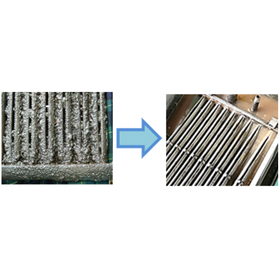
We would like to introduce a case from a company in Niigata Prefecture that is working on reducing the discharge of water-soluble waste liquids. The company had been outsourcing maintenance cleaning of its equipment, which was costly and labor-intensive, so they were exploring methods to clean in-house. After introducing a special water-based cleaning agent, the need for outsourced paid cleaning was eliminated, allowing them to achieve a total cost reduction of 1/10, even when considering the purchase costs. [Challenges Before Implementation] - Regular cleaning was necessary due to the accumulation of sludge and other contaminants on the heat transfer medium, which led to a decrease in performance. - The contaminants were so stubborn that they could not be removed even with a high-pressure cleaner at 7.5 MPa, so they were relying on outsourced paid cleaning. - When outsourcing, the challenges included the effort to package the contaminants to prevent spillage, a lead time of about one month, and costs related to shipping and cleaning expenses. *For more details, please download the PDF or feel free to contact us.*
Added to bookmarks
Bookmarks listBookmark has been removed
Bookmarks listYou can't add any more bookmarks
By registering as a member, you can increase the number of bookmarks you can save and organize them with labels.
Free membership registration
We would like to introduce a case where a company manufacturing engine parts in Niigata Prefecture consulted us about measures to address issues with foam and rust, assuming that they would not affect the subsequent painting process. The company faced a challenge where rust on cleaned parts and overflow caused by the foaming of the cleaning agent occurred during the parts cleaning process. We proposed a cleaning agent that excels in rust prevention and defoaming properties, with minimal residue that is unlikely to affect the subsequent painting process. By introducing a cleaning agent that demonstrates excellent defoaming and cleaning capabilities even at low liquid temperatures, they were able to resolve rust and foam issues while also reducing electricity costs. [Challenges Before Implementation] - Rust was occurring on the cleaned parts, and overflow due to the foaming of the cleaning agent was a problem. - As a countermeasure against foam, defoaming agents were regularly added, which also reduced the water volume in the tank. - If the water level decreased too much, the cleaning agent could not be pumped up, and if it increased too much, foam would overflow from the tank, leading to the hassle of managing the water level. *For more details, please download the PDF or feel free to contact us.*
Added to bookmarks
Bookmarks listBookmark has been removed
Bookmarks listYou can't add any more bookmarks
By registering as a member, you can increase the number of bookmarks you can save and organize them with labels.
Free membership registration
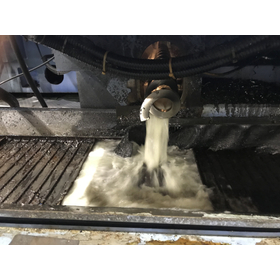
We received a request from a company in Niigata Prefecture to introduce a case where we prevented foaming of water-soluble cutting oil and reduced coolant usage by 15%. Upon inspecting the machine, we found that the filter inside the tank was clogged, which can cause foaming issues with the water-soluble cutting oil. We proposed a low-viscosity oil that would reduce the clogging of the filter. After implementation, we thoroughly cleaned the tank, including the filter, along with the coolant replacement work. As a result, the filter became less prone to clogging, and the overflow caused by foaming was eliminated. [Challenges Before Implementation] ■ Frequent occurrences of foaming of water-soluble cutting oil during processing, leading to leaks from the tank. ■ Operators had to stop the machine to clean around the tank and replenish the coolant, which resulted in significant time and cost for refilling, as well as excessive machine downtime, negatively impacting production efficiency. ■ Foaming increased the risk of reduced processing capability due to insufficient supply of cutting oil, leading to potential defects in parts, causing significant concern. *For more details, please download the PDF or feel free to contact us.*
Added to bookmarks
Bookmarks listBookmark has been removed
Bookmarks listYou can't add any more bookmarks
By registering as a member, you can increase the number of bookmarks you can save and organize them with labels.
Free membership registration
We would like to introduce a case where the simultaneous use of low-foaming oil agents and foam-resistant rust inhibitors resolved the risks of rust and foaming, based on a request from a company in Niigata Prefecture. The company faced the risk of liquid overflowing from tanks due to foaming caused by the addition of rust inhibitors to water-soluble processing fluids, which could lead to environmental pollution. In response, we proposed the application of low-foaming oil agents. By switching to a different type of oil agent, we were able to simultaneously eliminate the risks of rust and foaming, thereby eliminating the hassle of machine stoppages caused by overflow and contributing to improved production efficiency. [Case Overview] ■Challenges before implementation - The occurrence of foaming due to the addition of rust inhibitors to water-soluble processing fluids was a concern. ■Proposed solutions - Application of low-foaming oil agents - Selection of rust inhibitors that are less likely to foam even under high-pressure discharge *For more details, please download the PDF or feel free to contact us.
Added to bookmarks
Bookmarks listBookmark has been removed
Bookmarks listYou can't add any more bookmarks
By registering as a member, you can increase the number of bookmarks you can save and organize them with labels.
Free membership registration
We would like to introduce a case study regarding a company where the foam from the alkaline cleaning agent used in their high-pressure spray cleaning machine overflowed from the tank, making the floor wet. Since there was a request to avoid changing the cleaning agent if possible, we proposed a compatible "non-silicone additive" suitable for the current product type. After implementation, the defoaming effect lasted for about a month, so the customer decided to assign someone to ensure that the additive was added at least once a month during the winter, even when there was no foam. As a result, the foam from the cleaning agent no longer overflowed from the tank. [Case Overview] ■ Issues Before Implementation - The foam from the alkaline cleaning agent used in the high-pressure spray cleaning machine overflowed from the tank, making the floor wet. ■ Reason for Selection - Since there was a request not to change the cleaning agent, we proposed a compatible "non-silicone additive" based on the type of the current product. *For more details, please download the PDF or feel free to contact us.
Added to bookmarks
Bookmarks listBookmark has been removed
Bookmarks listYou can't add any more bookmarks
By registering as a member, you can increase the number of bookmarks you can save and organize them with labels.
Free membership registration
We would like to introduce a case where we implemented a water-soluble cutting oil with excellent defoaming properties to address high-pressure coolant requirements. The customer in this case faced the challenge of coolant easily foaming due to the machine structure, leading to cutting oil overflowing from the tank. After implementation, the defoaming effect lasted for about a month, so the customer decided to assign a duty to ensure that an additive was added at least once a month during the winter period, even when there was no foam. As a result, the foam from the cleaning agent no longer overflowed from the tank. 【Case Overview】 ■ Challenges Before Implementation - The machine structure caused coolant to easily foam, resulting in cutting oil overflowing from the tank. ■ Reason for Selection - Since there was a request not to change the cleaning agent, we proposed a compatible "non-silicone additive" suitable for the current product type. *For more details, please download the PDF or feel free to contact us.
Added to bookmarks
Bookmarks listBookmark has been removed
Bookmarks listYou can't add any more bookmarks
By registering as a member, you can increase the number of bookmarks you can save and organize them with labels.
Free membership registration
We would like to introduce a case in which we received a request from a company in Niigata Prefecture, achieving zero cost for the replacement of cleaning agents while simultaneously improving the working environment. The company faced a challenge where the alkaline cleaning agent in use would spoil in about three months, resulting in dirt adhering to parts despite cleaning due to the mold and scum that developed inside the cleaning machine. We proposed the introduction of a cleaning liquid disinfectant and a cleaning agent with separation properties. Even after more than a year since the replacement, there has been no occurrence of mold or scum, and the cleaning power has been maintained, eliminating any foul odors. As a result, the need for liquid replacement four times a year has been eliminated, successfully reducing the costs associated with purchasing cleaning agents and the disposal of 3200 liters of waste liquid. [Background of Implementation] - The alkaline cleaning agent in use spoiled in about three months, causing dirt to adhere to parts despite cleaning due to the mold and scum that developed inside the cleaning machine. - Odors were lingering in the factory, impacting the working environment. - The cleaning agent was being replaced four times a year, incurring significant labor and costs. *For more details, please download the PDF or feel free to contact us.*
Added to bookmarks
Bookmarks listBookmark has been removed
Bookmarks listYou can't add any more bookmarks
By registering as a member, you can increase the number of bookmarks you can save and organize them with labels.
Free membership registration
We received a request from a foundry processing company in Nagano Prefecture regarding the issue of water-soluble cutting oil deteriorating within six months, leading to a worsening work environment and frequent rust problems with the products. We proposed using a "micro-emulsion" type cutting oil developed for foundry processing to address the customer's challenges. Additionally, we decided to implement regular concentration management of the cutting oil and conduct usage liquid analysis every three months. By selecting the appropriate oil based on the processing requirements and providing support for oil management, we achieved a result where the water-soluble cutting oil, which previously deteriorated within six months of replacement, remained intact without any deterioration even after five years. [Challenges Before Implementation] - Various types of water-soluble cutting oils had been used traditionally, but all deteriorated within six months, resulting in a constant foul odor in the workplace. - The machines had to be stopped twice a year, incurring significant costs for extensive cutting oil replacement work. - The deterioration of the cutting oil led to a decline in performance, causing rust to form on the processed products. *For more details, please download the PDF or feel free to contact us.*
Added to bookmarks
Bookmarks listBookmark has been removed
Bookmarks listYou can't add any more bookmarks
By registering as a member, you can increase the number of bookmarks you can save and organize them with labels.
Free membership registration
We would like to introduce a case from a company in Niigata Prefecture that uses water-soluble cutting oil in their machining process. Due to contamination from oil, the coolant deteriorated in about a year, and the degradation of the oil caused a decline in the working environment, prompting a request for improvement. Upon inspecting the equipment, we found that the cause of the decay and stickiness was the existing belt-type oil skimmer, which was too dirty to recover the lubricant effectively. We proposed the introduction of a floating oil recovery device that uses a special filter for higher recovery rates. With the introduction of the floating oil recovery device, the coolant was cleaned in a short time, and the frequency of coolant replacement was extended from once a year to once every two years. 【Background of Introduction】 - Contamination from other oils from the equipment was unavoidable, and while the existing oil skimmer was in use, recovery was not satisfactory, leading to coolant deterioration in about a year due to the contamination. - The factory became smelly due to the decay of the oil, and with a predominantly female workforce, there were many complaints, making the improvement of the working environment urgent. *For more details, please download the PDF or feel free to contact us.*
Added to bookmarks
Bookmarks listBookmark has been removed
Bookmarks listYou can't add any more bookmarks
By registering as a member, you can increase the number of bookmarks you can save and organize them with labels.
Free membership registration
We received feedback from a company in Niigata Prefecture expressing a desire to test an oil agent that is considerate of hands, has a long liquid lifespan, and is less sticky. In response, we proposed an oil agent from the soluble type that is gentle on the skin and has good oil separation properties. While conventional oil agents would spoil in about three months, our product has shown no issues even after more than six months, successfully reducing waste liquid disposal costs by approximately 40,000 yen per machine annually due to the extended liquid lifespan. Additionally, by providing on-site support to enhance operators' awareness of oil agent management and conducting regular liquid analysis for quantitative management, we expect the liquid replacement cycle to be further extended. [Background of Introduction] - The previously used water-soluble cutting oil spoiled and produced an unpleasant odor. - Complaints were received from workers. - Due to past issues with hand irritation, there was a desire to test an oil agent that is considerate of hands and has a long liquid lifespan with less stickiness. *For more details, please download the PDF or feel free to contact us.*
Added to bookmarks
Bookmarks listBookmark has been removed
Bookmarks listYou can't add any more bookmarks
By registering as a member, you can increase the number of bookmarks you can save and organize them with labels.
Free membership registration
We would like to introduce a case study conducted by a company in Nagano Prefecture that specializes in machining industrial machinery and automotive parts. The frequency of changing the cutting oil for the five-sided machining center was once every six months, but in reality, after about two to three months, an odor began to gradually permeate the air, and by the six-month mark, the factory was filled with this odor. We proposed adding a special surfactant during the oil change to thoroughly remove not only the residual oil in the tank but also the dirt and bacteria remaining in the piping before filling it with new fluid. This resulted in extending the lifespan of the cutting oil from six months to over a year. [Background of Implementation] - The company had been using a milky white type of water-soluble cutting oil for many years, and the oil was replaced only when it began to spoil or when workers started to notice the odor. - Although the cutting oil was changed every six months, in reality, an odor would start to develop after two to three months, and by the six-month mark, the factory was filled with this odor. - The costs associated with coolant waste disposal and labor for the replacement work were also problematic from a cost perspective. *For more details, please download the PDF or feel free to contact us.*
Added to bookmarks
Bookmarks listBookmark has been removed
Bookmarks listYou can't add any more bookmarks
By registering as a member, you can increase the number of bookmarks you can save and organize them with labels.
Free membership registration
We would like to introduce a case we received from a company engaged in metal cutting, drilling, and sheet metal processing. This company had been using a translucent type of water-soluble cutting oil and performed coolant replacement approximately twice a year. However, within two weeks, the translucent liquid became cloudy, and at the same time, it developed stickiness, mold, and odor. We proposed the use of a water-soluble cutting oil that is less prone to emulsifying with other oils and has excellent cleaning properties. After its introduction, by removing the sliding surface oil, the condition of the liquid was maintained, preventing the occurrence of mold and odor. [Challenges Before Introduction] ■ Although coolant replacement was performed twice a year, the condition of the liquid deteriorated quickly, leading to the development of mold and odor. ■ Even after the coolant replacement, it was necessary to replace the coolant again after six months. *For more details, please download the PDF or feel free to contact us.
Added to bookmarks
Bookmarks listBookmark has been removed
Bookmarks listYou can't add any more bookmarks
By registering as a member, you can increase the number of bookmarks you can save and organize them with labels.
Free membership registration
We would like to introduce a case that was consulted by a company engaged in mechanical design and manufacturing, as well as machining of mechanical parts. In the customer's environment, there were issues with the odor and separation of water-soluble cutting oil during the summer, as well as the residue of sliding surface oil. Given the structure of the machinery, this situation was somewhat accepted as a matter of course. We suggested trying a dedicated lubricant for sliding surfaces that is less likely to mix with cutting oil. After its implementation, the separation of sliding surface oil improved, leading to an increased recovery rate of the oil skimmer, which resulted in reduced odors and eliminated stickiness. [Challenges Before Implementation] ■ Especially during the summer, odors and separation were likely to occur with water-soluble cutting oil, necessitating regular replacement work. ■ Sliding surface oil was easily emulsified by cutting oil, and due to the relatively large coolant tank of 800L, sliding surface oil could not be fully recovered. ■ Given the structure of the machinery, this situation was somewhat accepted as a matter of course. *For more details, please download the PDF or feel free to contact us.
Added to bookmarks
Bookmarks listBookmark has been removed
Bookmarks listYou can't add any more bookmarks
By registering as a member, you can increase the number of bookmarks you can save and organize them with labels.
Free membership registration
We received an inquiry from a customer using oil-based cutting oil in a machining center, and we would like to introduce a case where we proposed a paraffin-rich oil-based cutting oil. Before the introduction, there was a challenge of excessive oil mist generation, which worsened the working environment. After the introduction, the oil mist visibly decreased, significantly reducing the adherence of oil to the workers' hair and clothing, as well as the stickiness. 【Challenges Before Introduction】 ■ Workers' hair and clothing became sticky and smelled of oil. ■ The area around the machines became sticky, dirtying the ceiling and worsening the working environment. ■ When blowing off chips after processing, it was difficult to remove them, which occasionally caused scratches on the workpieces and resulted in defects. *For more details, please download the PDF or feel free to contact us.
Added to bookmarks
Bookmarks listBookmark has been removed
Bookmarks listYou can't add any more bookmarks
By registering as a member, you can increase the number of bookmarks you can save and organize them with labels.
Free membership registration
We would like to introduce a case where a low-mist water-soluble cutting oil was implemented at a site using water-soluble cutting oil in a machining center, resulting in improved working conditions and reduced usage of cutting oil. Before the implementation, employees had raised concerns about unpleasant odors caused by oil mist, but many had resigned themselves to the situation, believing that "it can't be helped as long as we are using cutting oil." We proposed switching to a low-mist water-soluble cutting oil, and after implementation, there was a reduction in unpleasant odors and oil stains due to decreased oil mist, as well as a reduction in coolant usage. [Case Overview] ■ Challenges before implementation - Employees raised concerns about unpleasant odors caused by oil mist. ■ Effects after implementation - Reduction of unpleasant odors and oil stains due to decreased oil mist. - Led to a reduction in coolant usage. *For more details, please download the PDF or feel free to contact us.
Added to bookmarks
Bookmarks listBookmark has been removed
Bookmarks listYou can't add any more bookmarks
By registering as a member, you can increase the number of bookmarks you can save and organize them with labels.
Free membership registration
"Ringa Tap NH" is a gel-type tapping oil developed to solve the issues associated with conventional tapping oils and pastes. It adheres firmly to the cutting edges of tools and the pilot holes, allowing for improved workability compared to oil types. It contains components that excel in extreme pressure resistance, making it suitable for heavy machining. Please feel free to contact us if you need assistance. 【Features】 ■ Improved workability compared to oil types ■ Suitable for heavy machining (such as tapping stainless steel) ■ Easier to degrease than paste types *For more details, please refer to the PDF document or feel free to contact us.
Added to bookmarks
Bookmarks listBookmark has been removed
Bookmarks listYou can't add any more bookmarks
By registering as a member, you can increase the number of bookmarks you can save and organize them with labels.
Free membership registration
The "Ringer Power Cleaner H867" is a cleaning agent that is safe and considerate of the human body, with minimal impact even when mixed with water-soluble coolants. Since it contains no synthetic chemicals, it leaves no residue, eliminating the need for rinsing or wiping twice after cleaning, which significantly reduces cleaning time. It has a low odor and can be used by spraying or soaking, making it very user-friendly in manufacturing environments. [Usage Instructions] ■ For slight oil stains - Just dampen a cloth, rag, or kitchen paper and wipe. ■ For sticky oil stains - Spray directly and wait about 30 seconds before wiping. ■ For stubborn oil stains - Soak and then simply wipe with a sponge or brush. *For more details, please refer to the PDF document or feel free to contact us.
Added to bookmarks
Bookmarks listBookmark has been removed
Bookmarks listYou can't add any more bookmarks
By registering as a member, you can increase the number of bookmarks you can save and organize them with labels.
Free membership registration
"Ringer Flash II" is a cleaning agent and flushing agent for tank replacement in machine tools that use water-soluble processing liquids. With the power of special surfactants, it cleans both dirt and odors that have permeated the machines and tanks. It has low irritation and allows for continued processing without stopping the equipment after addition. Please feel free to contact us when you need it. 【Features】 ■ Powerful cleaning ability to wash away dirt adhered to the inside of pipes and tanks ■ Expected to be effective against stubborn, ingrained odors ■ Excellent water drainage, reducing rinsing after flushing *For more details, please refer to the PDF document or feel free to contact us.
Added to bookmarks
Bookmarks listBookmark has been removed
Bookmarks listYou can't add any more bookmarks
By registering as a member, you can increase the number of bookmarks you can save and organize them with labels.
Free membership registration
"Ringer Eco Grease" is a high-performance grease specifically designed for claw chucks, allowing for a 50% reduction in usage. It demonstrates excellent performance in lubricating hydraulic chucks, independent chucks, and other claw chucks, achieving both quiet operation and grip retention due to its superior friction coefficient. The gripping force, which would typically decrease after a few hours of machining, is maintained at a high level thanks to its excellent water resistance and adhesion. 【Features】 ■ Excellent water resistance and adhesion ■ Prevents squeaking noise and reduction in gripping force ■ User-friendly white grease *For more details, please refer to the PDF document or feel free to contact us.
Added to bookmarks
Bookmarks listBookmark has been removed
Bookmarks listYou can't add any more bookmarks
By registering as a member, you can increase the number of bookmarks you can save and organize them with labels.
Free membership registration
The "Ringer Coat T59" is a high-quality low-viscosity rust preventive oil that is easy to handle due to its low viscosity, and can be applied not only by immersion but also by spraying. The dried film has very little stickiness, making it suitable for rust prevention of finished products. The film is colorless and transparent, so it does not detract from the appearance of the product, and it has corrosion resistance against non-ferrous metals. 【Features】 ■ Colorless and transparent ultra-thin film ■ Low stickiness of the dried film ■ Low odor ■ Long-lasting rust prevention ■ Usable on aluminum and copper *For more details, please refer to the PDF document or feel free to contact us.
Added to bookmarks
Bookmarks listBookmark has been removed
Bookmarks listYou can't add any more bookmarks
By registering as a member, you can increase the number of bookmarks you can save and organize them with labels.
Free membership registration
This document is the April 2021 issue of "Industrial Lubricants Troubleshooting News" published by Nagaoka Oil, which has a track record of 1,300 companies over its 80 years of establishment. Do you have concerns such as "I just replaced the cutting and grinding fluid during the coolant exchange, but it already smells..." or "Even after replacing it and charging with new fluid, it turns brown immediately..."? Our original product, "Ringer Flash II," uses the power of special surfactants to double-clean the dirt and odors that have permeated machines and tanks, and it is expected to be effective against stubborn odors that have settled in. This document also introduces a case study where we solved problems related to FC material processing using NC lathes in a precision machinery parts factory. We encourage you to read it. [Contents] ■ Do you have these concerns during coolant exchange? ■ Improve odors and dirt by simply adding "cleaning agents" before changing the fluid ■ Solving problems in FC material processing using NC lathes in precision machinery parts factories *For more details, please refer to the PDF document or feel free to contact us.
Added to bookmarks
Bookmarks listBookmark has been removed
Bookmarks listYou can't add any more bookmarks
By registering as a member, you can increase the number of bookmarks you can save and organize them with labels.
Free membership registration