1~45 item / All 112 items
Displayed results
Filter by category

Added to bookmarks
Bookmarks listBookmark has been removed
Bookmarks listYou can't add any more bookmarks
By registering as a member, you can increase the number of bookmarks you can save and organize them with labels.
Free membership registrationContact this company
Contact Us OnlineBefore making an inquiry
Download PDF1~45 item / All 112 items
Filter by category
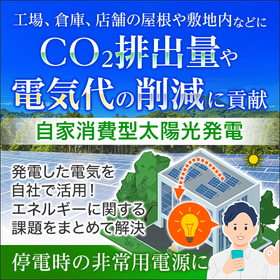
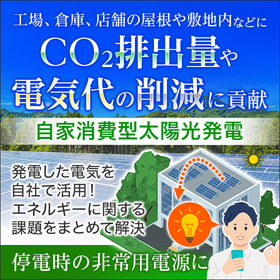
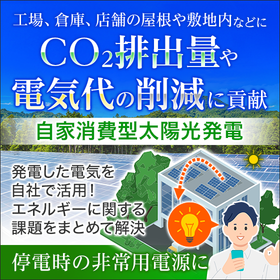
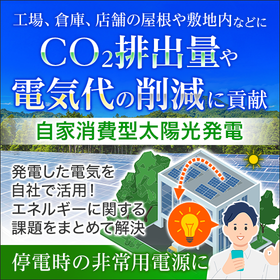
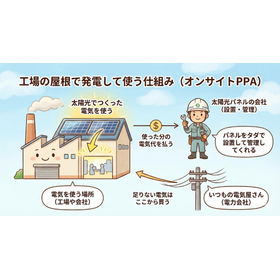
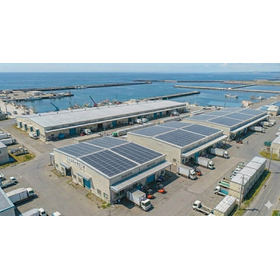
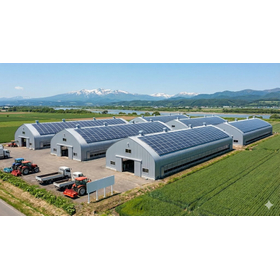
In recent years, industrial electricity rates have risen by approximately 74% compared to 2010, and it is predicted that electricity costs will continue to increase due to the rise in renewable energy surcharges. Since the renewable energy surcharge is uniformly applied nationwide based on electricity usage, businesses that consume more power currently bear a larger cost burden. This service is an energy solution that combines industrial solar power generation with storage batteries. By consuming the electricity generated in-house, it reduces the amount of electricity "purchased" from power companies, achieving electricity usage without renewable energy surcharges. 【Main Benefits of Implementation】 On-site PPA ■ Can maximize and reduce electricity costs ■ Zero initial costs and management hassle ■ Serves as an "emergency power source" during outages; even if the region experiences a blackout during a disaster, electricity can be used autonomously as long as the sun is shining. Off-site PPA ■ Enables large-scale renewable energy implementation ■ No impact on roofs or buildings ■ Can supply electricity to multiple locations *For more details, please download the PDF document or feel free to contact us.
Added to bookmarks
Bookmarks listBookmark has been removed
Bookmarks listYou can't add any more bookmarks
By registering as a member, you can increase the number of bookmarks you can save and organize them with labels.
Free membership registration
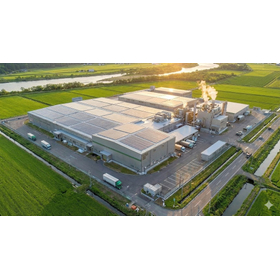
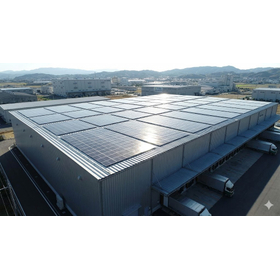
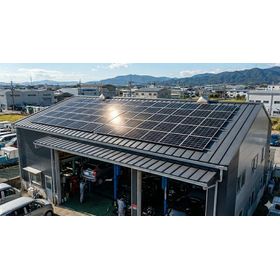
In the gasoline station industry, the rising costs of electricity and fuel have become significant challenges for management. In particular, the electricity consumption during business hours, including lighting, pump operation, and office air conditioning, is high, making the reduction of electricity costs an urgent issue. Furthermore, the increase in fuel prices is also a factor that pressures profits. This service aims to reduce electricity costs by combining industrial solar power generation with storage batteries, while also securing revenue through the sale of surplus electricity. Additionally, the introduction of storage batteries enables business continuity during power outages. 【Usage Scenarios】 - Roofs and premises of gasoline stations - Power supply for lighting, pumps, and offices - Measures against rising fuel prices 【Benefits of Implementation】 - Reduction in electricity costs - Securing revenue through the sale of surplus electricity - Business continuity during power outages - Containment of fuel costs *For more details, please download the PDF document or feel free to contact us.
Added to bookmarks
Bookmarks listBookmark has been removed
Bookmarks listYou can't add any more bookmarks
By registering as a member, you can increase the number of bookmarks you can save and organize them with labels.
Free membership registration
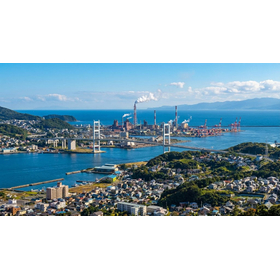
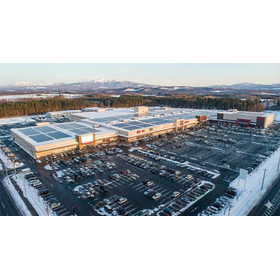
In commercial facilities, the rising electricity costs are a challenge that puts pressure on operating expenses. This impact is particularly significant in facilities with high power consumption, such as air conditioning and lighting. The increase in electricity costs can squeeze profits and potentially have a negative effect on customer attraction. This service simultaneously achieves electricity cost reduction and BCP (Business Continuity Planning) measures by combining industrial solar power generation with storage batteries. By consuming the electricity generated in-house, it reduces the amount of electricity purchased from power companies, contributing to cost savings. Furthermore, it can supply power even during outages, allowing operations to continue and enhancing customer trust. 【Usage Scenarios】 - Commercial facilities - Stores - Office buildings 【Benefits of Implementation】 - Cost reduction through electricity bill savings - Business continuity during power outages - Improved corporate image - Increased customer attraction *For more details, please download the PDF document or feel free to contact us.
Added to bookmarks
Bookmarks listBookmark has been removed
Bookmarks listYou can't add any more bookmarks
By registering as a member, you can increase the number of bookmarks you can save and organize them with labels.
Free membership registration
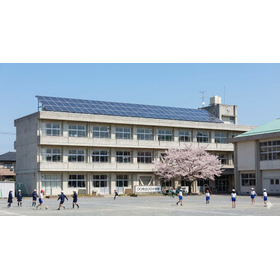
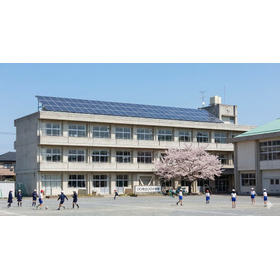
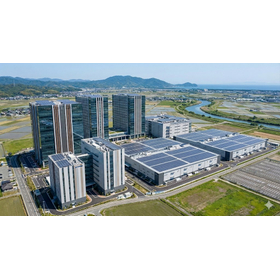
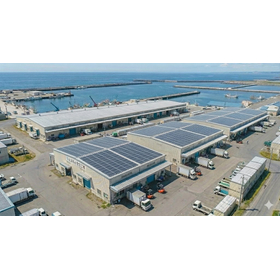
In schools, a stable supply of electricity necessary for educational activities is required. In particular, with the increase in the use of heating and cooling systems and information devices, electricity costs have become a significant burden. Additionally, power outages during disasters not only make it difficult to continue educational activities but also affect the safety of students and staff. This service simultaneously achieves cost reduction in electricity bills for schools and BCP (Business Continuity Planning) measures. 【Usage Scenarios】 - School buildings - Gymnasiums - Playgrounds - Emergency power supply during power outages 【Effects of Implementation】 - Reduction in electricity costs - Business continuity during disasters - Contribution to the environment *For more details, please download the PDF document or feel free to contact us.
Added to bookmarks
Bookmarks listBookmark has been removed
Bookmarks listYou can't add any more bookmarks
By registering as a member, you can increase the number of bookmarks you can save and organize them with labels.
Free membership registration
In hospitals, a stable power supply 24 hours a day, 365 days a year is essential. Power outages can lead to the shutdown of medical equipment and the failure of information systems, potentially jeopardizing patient safety. The introduction of self-consumption solar power generation and storage batteries is important for securing power during emergencies. This service reduces electricity costs through solar power generation while enhancing BCP measures with storage batteries. 【Usage Scenarios】 - As a backup power source during outages - Continuation of medical services during disasters - Reduction of electricity costs through self-consumption 【Effects of Implementation】 - Securing emergency power supply - Strengthening business continuity plans (BCP) - Reducing electricity bills *For more details, please download the PDF document or feel free to contact us.
Added to bookmarks
Bookmarks listBookmark has been removed
Bookmarks listYou can't add any more bookmarks
By registering as a member, you can increase the number of bookmarks you can save and organize them with labels.
Free membership registration
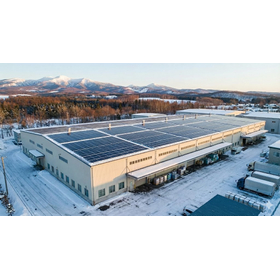
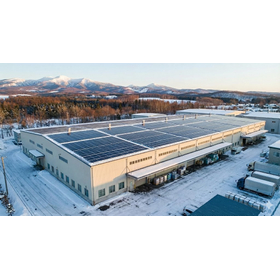
In the warehousing industry, reducing electricity costs is crucial to keep storage fees low. Particularly, facilities that consume a lot of electricity, such as temperature control and air conditioning systems, contribute significantly to electricity expenses. The self-consumption solar power generation in Date City helps reduce electricity costs and contributes to lowering storage fees by combining industrial solar power generation with storage batteries. 【Usage Scenarios】 - Temperature management within the warehouse - Power supply for air conditioning systems - Power supply for lighting systems 【Benefits of Implementation】 - Reduction in electricity costs - Use of electricity without renewable energy surcharges - BCP and disaster preparedness *For more details, please download the PDF document or feel free to contact us.
Added to bookmarks
Bookmarks listBookmark has been removed
Bookmarks listYou can't add any more bookmarks
By registering as a member, you can increase the number of bookmarks you can save and organize them with labels.
Free membership registration
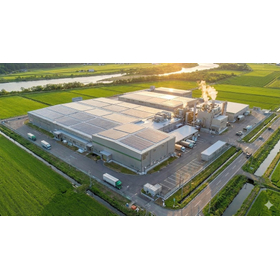
For manufacturers, electricity costs are one of the significant expenses. In particular, the power consumption during the manufacturing process is high, and rising electricity prices directly lead to a decrease in competitiveness. Furthermore, the recent increase in natural disasters has heightened the importance of business continuity planning (BCP). Production stoppages due to power outages can lead to substantial losses. 【Usage Scenarios】 * Factories * Production lines * Warehouses 【Benefits of Implementation】 * Reduction in electricity costs * BCP measures * Securing revenue through power sales *For more details, please download the PDF document or feel free to contact us.*
Added to bookmarks
Bookmarks listBookmark has been removed
Bookmarks listYou can't add any more bookmarks
By registering as a member, you can increase the number of bookmarks you can save and organize them with labels.
Free membership registration
In recent years, industrial electricity rates have risen by approximately 74% compared to 2010, and it is predicted that electricity costs will continue to increase due to the rising renewable energy surcharge. Since the renewable energy surcharge is uniformly applied nationwide based on electricity usage, businesses that consume more power currently bear a larger cost burden. This service is an energy solution that combines industrial solar power generation with storage batteries. By consuming the electricity generated in-house, it reduces the amount of electricity purchased from power companies, enabling the use of electricity without incurring the renewable energy surcharge. **Main Benefits of Implementation** - **Reduction in Electricity Costs:** There is no renewable energy surcharge on self-consumed electricity, which helps to limit the amount of electricity purchased. - **Revenue Generation through Selling Excess Power:** Surplus electricity can be sold using the Feed-in Tariff (FIT) system. - **Accelerated Return on Investment:** Due to the initial investment scheme, high-priced sales of electricity are expected in the first five years. - **BCP and Disaster Preparedness:** With the installation of storage batteries, power supply is possible even during outages. This solution not only contributes to reducing electricity costs but also supports business continuity during disasters. It is an industrial energy solution that simultaneously achieves cost reduction, revenue generation, and disaster preparedness. *For more details, please download the PDF document or feel free to contact us.*
Added to bookmarks
Bookmarks listBookmark has been removed
Bookmarks listYou can't add any more bookmarks
By registering as a member, you can increase the number of bookmarks you can save and organize them with labels.
Free membership registration
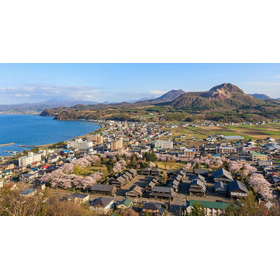
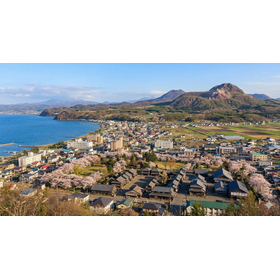
In hot spring facilities, utility costs, particularly energy expenses, account for a significant portion of operational costs. Specifically, the rise in electricity prices and the increase in renewable energy surcharges are major factors putting pressure on management. Due to the nature of hot spring facilities, which require a large amount of electricity, they are particularly susceptible to the impacts of rising electricity rates. The introduction of self-consumption solar power generation systems is essential to address these challenges and establish a stable management foundation. 【Usage Scenarios】 - Reducing electricity costs for hot spring facilities - Power supply for hot water and air conditioning systems in outdoor baths, large public baths, saunas, etc. - Power supply for lighting, ventilation fans, and other electrical appliances 【Benefits of Implementation】 - Cost reduction through lower electricity bills - Utilization of electricity without renewable energy surcharges - BCP measures through power supply during outages - Securing revenue through electricity sales *For more details, please download the PDF document or feel free to contact us.
Added to bookmarks
Bookmarks listBookmark has been removed
Bookmarks listYou can't add any more bookmarks
By registering as a member, you can increase the number of bookmarks you can save and organize them with labels.
Free membership registration
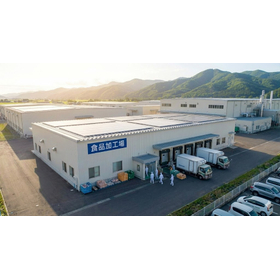
In the food processing industry, temperature management and hygiene management consume a significant amount of electricity, and the rising electricity costs have become a major issue. To ensure thorough quality control, a stable power supply is essential, and power outages can lead to operational halts, resulting in product quality deterioration or waste. The introduction of self-consumption solar power generation and storage batteries can simultaneously achieve electricity cost reduction and BCP measures, supporting business continuity. 【Usage Scenarios】 - Power supply for refrigeration and freezing equipment - Stable operation of manufacturing lines - Securing power for quality management systems 【Effects of Introduction】 - Reduction in electricity costs - Business continuity during power outages - Avoidance of risks associated with renewable energy surcharges *For more details, please download the PDF document or feel free to contact us.
Added to bookmarks
Bookmarks listBookmark has been removed
Bookmarks listYou can't add any more bookmarks
By registering as a member, you can increase the number of bookmarks you can save and organize them with labels.
Free membership registration
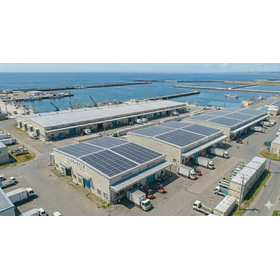
In the warehousing industry, reducing storage costs is a critical issue. Electricity costs are one of the major factors that pressure storage fees, and this impact is particularly significant for large warehouses. Rising electricity prices can lead to decreased storage efficiency and reduced competitiveness. This service installs industrial solar power generation systems on warehouse roofs and other areas to reduce electricity costs through self-consumption. 【Usage Scenarios】 - Utilizing warehouse roofs and premises - Reducing high electricity bills - Securing power during outages as part of BCP measures 【Benefits of Implementation】 - Cost reduction in storage fees due to lower electricity costs - Securing revenue through electricity sales - Improved business continuity during power outages *For more details, please download the PDF or feel free to contact us.
Added to bookmarks
Bookmarks listBookmark has been removed
Bookmarks listYou can't add any more bookmarks
By registering as a member, you can increase the number of bookmarks you can save and organize them with labels.
Free membership registration
At schools, there is a demand for a stable supply of electricity necessary for educational activities and efforts toward realizing a sustainable society. In particular, the rising electricity costs are one of the major challenges in school management. This service installs solar power generation systems on school roofs and playgrounds, reducing electricity bills through self-consumption. Additionally, by incorporating storage batteries, it can also serve as an emergency power source during outages. 【Usage Scenarios】 - Roofs and vacant spaces of school facilities such as school buildings, gymnasiums, and playgrounds - Emergency power source during outages 【Benefits of Implementation】 - Reduction in electricity costs - Assurance of emergency power supply - Contribution to environmental education *For more details, please download the PDF document or feel free to contact us.
Added to bookmarks
Bookmarks listBookmark has been removed
Bookmarks listYou can't add any more bookmarks
By registering as a member, you can increase the number of bookmarks you can save and organize them with labels.
Free membership registration
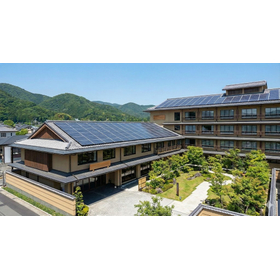
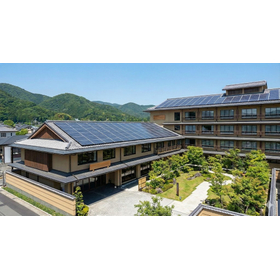
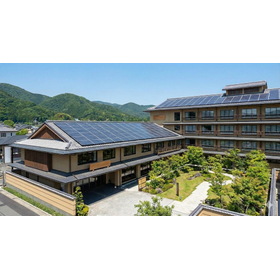
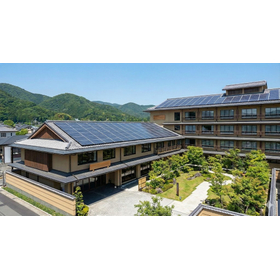
In the hotel industry, the rising electricity costs and environmental considerations have become important issues. As customers' environmental awareness increases, sustainable management is essential for enhancing brand image. The introduction of self-consumption solar power generation systems is an effective means to simultaneously address these challenges. 【Usage Scenarios】 - Power supply for the entire hotel - Power supply for guest rooms, restaurants, lounges, and other common areas - Power supply for EV charging stations 【Benefits of Implementation】 - Cost reduction through decreased electricity bills - Environmental contribution through reduced CO2 emissions - Improved corporate image through the use of renewable energy - Ensured business continuity through BCP measures *For more details, please download the PDF document or feel free to contact us.
Added to bookmarks
Bookmarks listBookmark has been removed
Bookmarks listYou can't add any more bookmarks
By registering as a member, you can increase the number of bookmarks you can save and organize them with labels.
Free membership registration
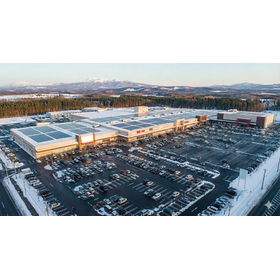
In commercial facilities, the rising electricity costs are putting pressure on management, and continuing operations during power outages has become a challenge. In particular, the interruption of power supply for air conditioning and lighting, which affects customer attraction, can lead to significant losses. This service enables the reduction of electricity costs and ensures power supply during outages by combining industrial solar power generation with storage batteries. By reducing the amount of electricity purchased through self-consumption, it mitigates the risk of renewable energy surcharges. With the addition of storage batteries, power can be supplied even during outages, allowing operations to continue. 【Usage Scenarios】 - General commercial facilities - Shopping malls - Restaurants 【Benefits of Implementation】 - Reduction in electricity costs - Business continuity during power outages - Strengthening of corporate BCP measures *For more details, please download the PDF document or feel free to contact us.
Added to bookmarks
Bookmarks listBookmark has been removed
Bookmarks listYou can't add any more bookmarks
By registering as a member, you can increase the number of bookmarks you can save and organize them with labels.
Free membership registration
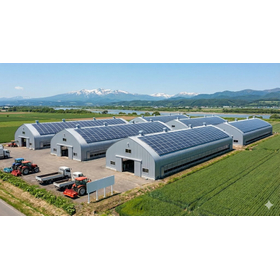
In the agricultural sector, the soaring fuel costs have become a significant challenge for management. Particularly in agricultural operations with high electricity consumption, such as greenhouse cultivation and irrigation systems, reducing electricity costs is an urgent issue. Self-consumption solar power generation systems address this challenge by allowing companies to generate and consume their own electricity, thereby reducing the amount purchased from power companies and contributing to fuel cost savings. 【Usage Scenarios】 - Power supply for greenhouse cultivation - Power supply for irrigation systems - Power supply for agricultural processing facilities 【Benefits of Implementation】 - Reduction in management costs due to lower electricity bills - Utilization of electricity not affected by renewable energy surcharges - Ensuring business continuity through power supply during outages *For more details, please download the PDF materials or feel free to contact us.*
Added to bookmarks
Bookmarks listBookmark has been removed
Bookmarks listYou can't add any more bookmarks
By registering as a member, you can increase the number of bookmarks you can save and organize them with labels.
Free membership registration
In the fisheries industry, the power consumption of refrigeration and freezing equipment to maintain freshness is significant, and electricity costs are a factor that pressures management. Additionally, power outages directly lead to product quality deterioration and pose a risk to business continuity. Self-consumption solar power generation systems address these challenges and support stable business operations. 【Usage Scenarios】 * Power supply for refrigeration and freezing equipment in fish processing plants * Power supply to onshore facilities at fishing ports * Use as a backup power source during power outages 【Benefits of Implementation】 * Cost reduction through electricity bill savings * Ensuring business continuity during power outages * Improved corporate image through the introduction of renewable energy *For more details, please download the PDF document or feel free to contact us.*
Added to bookmarks
Bookmarks listBookmark has been removed
Bookmarks listYou can't add any more bookmarks
By registering as a member, you can increase the number of bookmarks you can save and organize them with labels.
Free membership registration
In the manufacturing industry, the high electricity consumption and significant electricity costs are challenges. In particular, the increase in renewable energy surcharges is a factor that further increases the cost burden on businesses. This service combines industrial solar power generation with storage batteries to enable self-consumption of electricity generated in-house, thereby reducing the amount of electricity purchased from power companies and achieving a reduction in electricity costs. 【Usage Scenarios】 - Factories - Production lines - Warehouses 【Benefits of Implementation】 - Reduction in electricity costs - Revenue generation through selling electricity - BCP and disaster response *For more details, please download the PDF document or feel free to contact us.
Added to bookmarks
Bookmarks listBookmark has been removed
Bookmarks listYou can't add any more bookmarks
By registering as a member, you can increase the number of bookmarks you can save and organize them with labels.
Free membership registration
In recent years, industrial electricity rates have risen by about 74% compared to 2010, and it is predicted that electricity costs will continue to rise due to the increasing renewable energy surcharge. The renewable energy surcharge is uniformly applied nationwide based on electricity usage, which means that businesses that consume more electricity bear a larger cost burden. This service is an energy solution that combines industrial solar power generation with storage batteries. By self-consuming the electricity generated in-house, it reduces the amount of electricity purchased from power companies, achieving electricity use without the renewable energy surcharge. **Main Benefits of Implementation** - **Reduction in Electricity Costs:** There is no renewable energy surcharge on self-consumed electricity, helping to curb electricity purchases. - **Revenue Generation from Selling Electricity:** Surplus electricity can be sold using the FIT system. - **Accelerated Investment Recovery:** Due to the initial investment scheme, high-priced electricity sales are expected in the first five years. - **BCP and Disaster Measures:** With the installation of storage batteries, power supply is possible even during outages. This solution not only reduces electricity costs but also contributes to business continuity during disasters. It is an industrial energy solution that simultaneously achieves cost reduction, revenue generation, and disaster preparedness. *For more details, please download the PDF document or feel free to contact us.*
Added to bookmarks
Bookmarks listBookmark has been removed
Bookmarks listYou can't add any more bookmarks
By registering as a member, you can increase the number of bookmarks you can save and organize them with labels.
Free membership registration
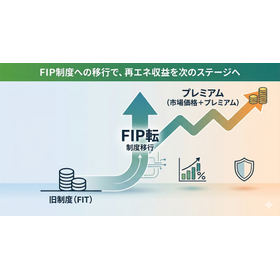
In 2026, the rise in electricity prices continues unabated, putting pressure on companies' fixed costs. A complete shift from "selling electricity (FIT)" to "self-consumption." You can find realistic guidelines for the payback period of investments as of 2026, as well as specific conditions to shorten it to 8 to 12 years. *The payback period varies depending on installation area and conditions. *For more details, please download the PDF document or feel free to contact us.
Added to bookmarks
Bookmarks listBookmark has been removed
Bookmarks listYou can't add any more bookmarks
By registering as a member, you can increase the number of bookmarks you can save and organize them with labels.
Free membership registration
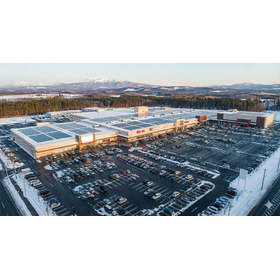
In shopping malls, the significant increase in electricity costs due to large-scale power consumption has become a major issue. In particular, facilities such as air conditioning, lighting, and escalators are factors that put pressure on operating costs. Additionally, the ability to continue operations during power outages greatly affects customer satisfaction and sales. This service simultaneously achieves electricity cost reduction and BCP measures by combining industrial solar power generation with storage batteries. 【Usage Scenarios】 - Power supply for the entire shopping mall - Power supply for tenants - Power supply for parking lots and common areas 【Benefits of Implementation】 - Significant reduction in electricity costs - Business continuity during power outages - Improved corporate image
Added to bookmarks
Bookmarks listBookmark has been removed
Bookmarks listYou can't add any more bookmarks
By registering as a member, you can increase the number of bookmarks you can save and organize them with labels.
Free membership registration
In schools, a stable supply of electricity necessary for educational activities is required. Particularly, with the increasing use of heating and cooling systems and information devices, the rising electricity costs have become a significant issue. Additionally, power outages during disasters can make it difficult to continue educational activities. This service simultaneously achieves cost reduction in electricity bills and BCP (Business Continuity Planning) measures through the introduction of self-consumption solar power generation and storage batteries. 【Usage Scenarios】 - Power supply for school facilities such as school buildings, gymnasiums, and playgrounds - Use as an emergency power source during power outages 【Effects of Implementation】 - Reduction in electricity costs - Business continuity during disasters - Contribution to environmental education
Added to bookmarks
Bookmarks listBookmark has been removed
Bookmarks listYou can't add any more bookmarks
By registering as a member, you can increase the number of bookmarks you can save and organize them with labels.
Free membership registration
In the data center industry, stable operation 24/7 is required, and enormous electricity costs are putting pressure on operational expenses. Particularly in data centers with high power consumption, the rising electricity prices and increasing renewable energy surcharges have become significant challenges. This service reduces the amount of electricity "purchased" from power companies by combining industrial solar power generation with storage batteries, thereby achieving a reduction in operational costs. 【Usage Scenarios】 - Power supply for data centers - Power supply for servers and air conditioning equipment - Power outage measures as part of BCP (Business Continuity Planning) strategies 【Benefits of Implementation】 - Reduction in electricity costs - Suppression of renewable energy surcharges - Improvement in business continuity due to BCP measures
Added to bookmarks
Bookmarks listBookmark has been removed
Bookmarks listYou can't add any more bookmarks
By registering as a member, you can increase the number of bookmarks you can save and organize them with labels.
Free membership registration
In hot spring facilities, the soaring fuel costs have become a significant challenge for management. In particular, electricity costs account for a large portion of the facility's operating expenses, and reducing these costs is an urgent issue. Our self-consumption solar power generation system addresses this challenge by achieving both a reduction in electricity costs and business continuity planning (BCP) measures. 【Usage Scenarios】 - Reducing electricity costs for hot spring facilities - Countermeasures against rising fuel costs - BCP measures 【Benefits of Implementation】 - Reduction in electricity costs - Securing revenue through electricity sales - Business continuity during disasters
Added to bookmarks
Bookmarks listBookmark has been removed
Bookmarks listYou can't add any more bookmarks
By registering as a member, you can increase the number of bookmarks you can save and organize them with labels.
Free membership registration
In the hotel industry, utility costs are a significant factor putting pressure on operating expenses. Particularly in hotels with facilities that operate 24 hours a day, such as guest rooms, restaurants, and banquet halls, reducing electricity costs is a critical issue. The rising electricity prices and the increase in renewable energy surcharges may further strain management. This service combines industrial solar power generation with storage batteries to simultaneously achieve electricity cost reduction and BCP measures. 【Usage Scenarios】 - Facilities with high electricity consumption, such as guest rooms, restaurants, and banquet halls - Backup power source during power outages 【Benefits of Implementation】 - Reduction in electricity costs - Securing revenue through electricity sales - BCP and disaster response measures
Added to bookmarks
Bookmarks listBookmark has been removed
Bookmarks listYou can't add any more bookmarks
By registering as a member, you can increase the number of bookmarks you can save and organize them with labels.
Free membership registration
In the seafood processing industry, a large amount of electricity is required to maintain freshness. The operation of freezing and refrigeration equipment incurs significant electricity costs, putting pressure on expenses. Additionally, power outages directly lead to product quality deterioration and threaten business continuity. This service combines industrial solar power generation with battery storage to simultaneously achieve electricity cost reduction and BCP (Business Continuity Planning) measures. 【Usage Scenarios】 - Power supply for freezing and refrigeration equipment - Lighting and air conditioning in processing facilities - Backup power during outages 【Benefits of Implementation】 - Reduction in electricity costs - Business continuity during power outages - Mitigation of renewable energy surcharge risks
Added to bookmarks
Bookmarks listBookmark has been removed
Bookmarks listYou can't add any more bookmarks
By registering as a member, you can increase the number of bookmarks you can save and organize them with labels.
Free membership registration
In recent years, industrial electricity rates have risen by about 74% compared to 2010, and it is predicted that electricity costs will continue to increase due to the rising renewable energy surcharge. The renewable energy surcharge is uniformly applied nationwide based on electricity consumption, which means that businesses that use more electricity bear a larger cost burden. This service is an energy solution that combines industrial solar power generation with storage batteries. By consuming the electricity generated in-house, it reduces the amount of electricity "purchased" from power companies, enabling the use of electricity without incurring the renewable energy surcharge. **Main Benefits of Implementation** - **Reduction in Electricity Costs:** There is no renewable energy surcharge on self-consumed electricity, which helps to limit the amount of electricity purchased. - **Revenue Generation from Selling Electricity:** Surplus electricity can be sold using the FIT (Feed-in Tariff) system. - **Accelerated Investment Recovery:** Due to the initial investment scheme, high-priced electricity sales are expected in the first five years. - **BCP and Disaster Preparedness:** With the addition of storage batteries, power supply is possible even during outages. This solution contributes not only to reducing electricity costs but also to business continuity during disasters. It is an industrial energy solution that simultaneously achieves cost reduction, revenue generation, and disaster preparedness. *For more details, please download the PDF document or feel free to contact us.*
Added to bookmarks
Bookmarks listBookmark has been removed
Bookmarks listYou can't add any more bookmarks
By registering as a member, you can increase the number of bookmarks you can save and organize them with labels.
Free membership registration
This document explains the differences between the "PPA model" and the "self-owned model" of solar power generation systems, which are attracting attention as renewable energy sources. Our company, with its long-standing achievements and know-how in the solar power business, will listen to your current situation and preferences, and consider and propose the optimal plan for you. We have created a "free simulation" to show the actual effects of solar power generation. If necessary, we can also compare the differences between the "PPA model" and "self-ownership." If you are interested, please feel free to contact us.
Added to bookmarks
Bookmarks listBookmark has been removed
Bookmarks listYou can't add any more bookmarks
By registering as a member, you can increase the number of bookmarks you can save and organize them with labels.
Free membership registration
In the data center industry, stable operation 24/7 is essential, and system downtime due to power outages can lead to significant losses. Stabilizing power supply is one of the most critical issues in business continuity planning (BCP). This service combines industrial solar power generation and batteries to enable self-generated power supply in addition to electricity from power companies, also functioning as a backup power source during outages. This helps stabilize power supply and supports the continuity of data center operations. 【Usage Scenarios】 - Stabilization of power supply for data centers - BCP measures - Backup power during outages 【Benefits of Implementation】 - Reduced risk of power outages - Improved business continuity - Reduced electricity costs
Added to bookmarks
Bookmarks listBookmark has been removed
Bookmarks listYou can't add any more bookmarks
By registering as a member, you can increase the number of bookmarks you can save and organize them with labels.
Free membership registration
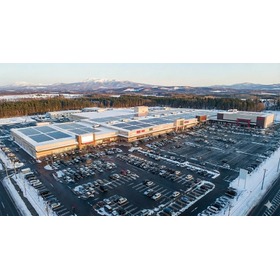
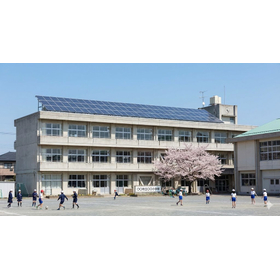
To improve factory productivity, a stable power supply and cost reduction are essential. The rise in electricity prices puts pressure on manufacturing costs and becomes a factor that lowers competitiveness. Additionally, power outages can halt production lines, leading to significant losses. This service addresses these challenges by combining industrial solar power generation with storage batteries. By consuming electricity generated in-house, it reduces the amount purchased from power companies, thereby lowering electricity costs. Furthermore, by installing storage batteries, it can supply power even during outages, enabling business continuity. 【Usage Scenarios】 - Reducing electricity costs in manufacturing - BCP measures for the entire factory - Stable operation of production lines 【Benefits of Implementation】 - Up to 29% reduction in electricity costs - Business continuity during power outages - Risk avoidance of renewable energy surcharges
Added to bookmarks
Bookmarks listBookmark has been removed
Bookmarks listYou can't add any more bookmarks
By registering as a member, you can increase the number of bookmarks you can save and organize them with labels.
Free membership registration
In nursing facilities, reducing operating costs is an important issue. In particular, electricity costs represent a significant expense, so their reduction is essential for stabilizing management. The rise in electricity prices can also affect the quality of care services. Our self-consumption solar power generation system reduces electricity costs and alleviates the burden of operating expenses. 【Usage Scenarios】 - Reducing electricity costs in nursing facilities - Securing power during outages as part of BCP measures - Increasing revenue through the sale of surplus electricity 【Effects of Implementation】 - Reduction of operating costs through lower electricity bills - Continuous power supply during outages, ensuring service continuity - Generation of revenue through electricity sales
Added to bookmarks
Bookmarks listBookmark has been removed
Bookmarks listYou can't add any more bookmarks
By registering as a member, you can increase the number of bookmarks you can save and organize them with labels.
Free membership registration
In schools, the power consumption necessary for educational activities is high, and electricity costs are a significant burden. Particularly, as the use of heating and cooling systems and information devices increases, cost reduction becomes an important issue. Additionally, with the growing awareness of environmental issues, the introduction of renewable energy is expected to have educational benefits for children. This service installs solar power generation systems on school roofs and playgrounds, reducing electricity costs through self-consumption. 【Usage Scenarios】 - School buildings - Gymnasiums - Playgrounds 【Benefits of Implementation】 - Reduction in electricity costs - Contribution to environmental issues - Disaster prevention measures - Educational benefits Our company engages in EPC projects, power generation business, and aggregator retail electricity business. We develop PPA projects utilizing non-FIT and FIP, creating power sources tailored to the needs of retail electricity providers and their end users, whether physical or virtual. Furthermore, for local power source development, we create local production for local consumption by forming joint ventures with local EPCs and PPA projects or establishing power generation SPCs.
Added to bookmarks
Bookmarks listBookmark has been removed
Bookmarks listYou can't add any more bookmarks
By registering as a member, you can increase the number of bookmarks you can save and organize them with labels.
Free membership registration
In commercial facilities, the soaring electricity costs are putting pressure on management, and business interruptions during power outages can lead to significant losses. To maintain customer attraction, stable power supply and cost reduction are essential. This service supports the enhancement of competitiveness in commercial facilities by combining industrial solar power generation with storage batteries to achieve both electricity cost reduction and BCP measures. 【Usage Scenarios】 - Commercial facilities - Stores - Office buildings 【Benefits of Implementation】 - Reduction in electricity costs - Business continuity during power outages - Improved corporate image
Added to bookmarks
Bookmarks listBookmark has been removed
Bookmarks listYou can't add any more bookmarks
By registering as a member, you can increase the number of bookmarks you can save and organize them with labels.
Free membership registration
In the agricultural sector, the rising fuel costs have become a significant challenge for management. Particularly in agricultural operations with high electricity consumption, such as greenhouse cultivation and irrigation systems, reducing electricity costs is an urgent issue. This service contributes to reducing electricity costs and fuel expenses by combining industrial solar power generation with battery storage. 【Usage Scenarios】 - Power supply for greenhouse cultivation - Power supply for irrigation systems - Power supply for agricultural processing facilities 【Benefits of Implementation】 - Reduction in electricity costs - Use of electricity without renewable energy surcharges - BCP and disaster response measures
Added to bookmarks
Bookmarks listBookmark has been removed
Bookmarks listYou can't add any more bookmarks
By registering as a member, you can increase the number of bookmarks you can save and organize them with labels.
Free membership registration
In the warehouse industry, reducing electricity costs has become a crucial issue in order to keep storage fees low. Particularly in warehouses that consume a lot of electricity for temperature control and air conditioning, the rising electricity prices are a factor that pressures management. This service achieves electricity cost reduction by combining industrial solar power generation with storage batteries. By consuming the electricity generated in-house, it reduces the amount of electricity purchased from power companies, enabling the use of electricity without renewable energy surcharges. 【Usage Scenarios】 - Large-scale warehouses - Refrigerated and frozen warehouses - Logistics centers 【Benefits of Implementation】 - Reduction in electricity costs - BCP measures - Securing revenue through electricity sales
Added to bookmarks
Bookmarks listBookmark has been removed
Bookmarks listYou can't add any more bookmarks
By registering as a member, you can increase the number of bookmarks you can save and organize them with labels.
Free membership registration
In the seafood processing industry, a large amount of electricity is required to maintain freshness. The operation of refrigeration and freezing equipment incurs significant electricity costs, putting pressure on expenses. Additionally, power outages can lead to product quality deterioration and pose a risk to business continuity, making a stable power supply essential. This service simultaneously achieves electricity cost reduction and BCP (Business Continuity Planning) measures by combining industrial solar power generation with storage batteries. By consuming the electricity generated in-house, it reduces the amount of electricity purchased from power companies and enables the use of electricity without renewable energy surcharges. 【Usage Scenarios】 - Power supply for refrigeration and freezing equipment - Lighting and air conditioning in processing plants - Backup power during outages 【Benefits of Implementation】 - Reduction in electricity costs - Business continuity during power outages - Avoidance of renewable energy surcharge risks
Added to bookmarks
Bookmarks listBookmark has been removed
Bookmarks listYou can't add any more bookmarks
By registering as a member, you can increase the number of bookmarks you can save and organize them with labels.
Free membership registration
In recent years, industrial electricity rates have risen by approximately 74% compared to 2010, and it is predicted that electricity costs will continue to increase due to the rise in renewable energy surcharges. Since the renewable energy surcharge is uniformly applied nationwide based on electricity consumption, businesses that use more electricity currently bear a larger cost burden. This service is an energy solution that combines industrial solar power generation with storage batteries. By consuming the electricity generated in-house, it reduces the amount of electricity "purchased" from power companies, achieving electricity use without renewable energy surcharges. **Main Benefits of Implementation** - **Reduction in Electricity Costs:** There are no renewable energy surcharges on self-consumed electricity, which helps to reduce the amount of electricity purchased. - **Revenue Generation from Selling Electricity:** Surplus electricity can be sold using the FIT (Feed-in Tariff) system. - **Accelerated Investment Recovery:** Due to the initial investment scheme, high-priced electricity sales are expected in the first five years. - **BCP and Disaster Measures:** With the installation of storage batteries, power supply is possible even during outages. This solution contributes not only to reducing electricity costs but also to business continuity during disasters. It is an industrial energy solution that simultaneously achieves cost reduction, revenue generation, and disaster preparedness. *For more details, please download the PDF document or feel free to contact us.*
Added to bookmarks
Bookmarks listBookmark has been removed
Bookmarks listYou can't add any more bookmarks
By registering as a member, you can increase the number of bookmarks you can save and organize them with labels.
Free membership registration
In automotive repair shops, the spread of electric vehicles (EVs) has brought challenges such as the introduction of charging infrastructure and rising electricity costs. In particular, the operational costs of charging equipment can become a significant burden on business operations and may pressure profits. Additionally, ensuring business continuity during power outages is also an important issue. This service addresses these challenges by combining industrial solar power generation with storage batteries. 【Usage Scenarios】 - Reduction of operational costs for EV charging equipment - Power supply within the factory - Securing emergency power as a BCP measure 【Benefits of Implementation】 - Reduction in electricity costs - Ability to continue operations even during power outages - Reduction of environmental impact
Added to bookmarks
Bookmarks listBookmark has been removed
Bookmarks listYou can't add any more bookmarks
By registering as a member, you can increase the number of bookmarks you can save and organize them with labels.
Free membership registration
In the printing industry, the power consumption associated with the operation of printing machines accounts for a significant portion of costs. The rising electricity prices and the increase in renewable energy surcharges pose serious challenges that pressure business operations. This impact is particularly pronounced for operators that use a large number of printing machines that consume substantial amounts of electricity. This service aims to reduce the costs associated with the power consumption of printing machines by combining industrial solar power generation with storage batteries, contributing to business continuity planning (BCP) as well. 【Usage Scenarios】 - Covering the power needed for the operation of printing machines with self-generated electricity - Reducing the amount of electricity purchased from power companies, thereby lowering electricity costs - Utilizing storage batteries for business continuity during power outages 【Benefits of Implementation】 - Cost reduction through savings on electricity bills - Securing revenue through the sale of surplus electricity - Enabling the operation of printing machines even during power outages, ensuring business continuity - Achieving the use of electricity without renewable energy surcharges
Added to bookmarks
Bookmarks listBookmark has been removed
Bookmarks listYou can't add any more bookmarks
By registering as a member, you can increase the number of bookmarks you can save and organize them with labels.
Free membership registration
In the data center industry, the enormous electricity costs associated with server operations have become a significant challenge. Particularly, with the demand for stable operation 24/7, reducing power costs is essential for business continuity and improving profitability. Additionally, ensuring business continuity during power outages is also an important issue. This service simultaneously achieves power cost reduction and BCP measures by combining industrial solar power generation with storage batteries. 【Usage Scenarios】 - Reducing electricity costs for data centers - Ensuring stable server operation - BCP measures - Countermeasures for renewable energy surcharges 【Benefits of Implementation】 - Reduction in electricity costs - Power supply during outages - Securing revenue through electricity sales - Strengthening corporate BCP measures
Added to bookmarks
Bookmarks listBookmark has been removed
Bookmarks listYou can't add any more bookmarks
By registering as a member, you can increase the number of bookmarks you can save and organize them with labels.
Free membership registration
In the warehousing industry, a significant amount of electricity is used for air conditioning, lighting, and other purposes to maintain the quality of stored products. The rising electricity costs are a major factor putting pressure on operating costs and reducing profits. Furthermore, product deterioration due to power outages and business interruptions can lead to significant losses. This service combines industrial solar power generation with battery storage to simultaneously achieve electricity cost reduction and BCP (Business Continuity Planning) measures. 【Usage Scenarios】 - Power supply for lighting, air conditioning, and conveyor systems within the warehouse - Temperature management for refrigerated and frozen warehouses - Use as an emergency power source 【Benefits of Implementation】 - Reduction in electricity costs - Business continuity during power outages - Avoidance of risks associated with renewable energy surcharges
Added to bookmarks
Bookmarks listBookmark has been removed
Bookmarks listYou can't add any more bookmarks
By registering as a member, you can increase the number of bookmarks you can save and organize them with labels.
Free membership registration
In hospitals, a 24/7 power supply is essential for the stable operation of medical equipment. The rising electricity costs are a significant factor putting pressure on hospital management, and furthermore, power outages that halt medical services pose a serious risk to patients' lives. This service simultaneously achieves cost reduction in electricity bills and BCP measures by combining self-consumption solar power generation with storage batteries. 【Usage Scenarios】 - Power supply for medical equipment - Addressing the overall power demand of the hospital - Backup power source during disasters 【Benefits of Implementation】 - Reduction in electricity costs - Business continuity during power outages - Mitigation of renewable energy surcharge risks
Added to bookmarks
Bookmarks listBookmark has been removed
Bookmarks listYou can't add any more bookmarks
By registering as a member, you can increase the number of bookmarks you can save and organize them with labels.
Free membership registration
In the hotel industry, the electricity costs associated with air conditioning systems for guest rooms and common areas account for a significant portion of expenses. Particularly during the summer and winter seasons, rising electricity prices become a factor that pressures management. Additionally, due to the increasing awareness of environmental issues, the introduction of renewable energy is being demanded. Our self-consumption solar power generation system addresses these challenges. 【Usage Scenarios】 - Air conditioning systems for guest rooms, lobbies, restaurants, etc. - Kitchen equipment - Lighting systems 【Benefits of Implementation】 - Reduction in electricity costs - BCP (Business Continuity Planning) measures - Enhancement of corporate image
Added to bookmarks
Bookmarks listBookmark has been removed
Bookmarks listYou can't add any more bookmarks
By registering as a member, you can increase the number of bookmarks you can save and organize them with labels.
Free membership registration
In the manufacturing industry, the operation of production equipment consumes a significant amount of electricity. The rising electricity costs put pressure on corporate profits and can reduce competitiveness. Additionally, power outages can halt production lines, potentially leading to substantial losses. This service addresses these challenges by combining industrial solar power generation with battery storage. 【Usage Scenarios】 - Power source for factories and plants - Electricity supply for production equipment - Backup power during outages 【Benefits of Implementation】 - Reduction in electricity costs - Strengthening of BCP measures - Achieving cost reduction and securing profits
Added to bookmarks
Bookmarks listBookmark has been removed
Bookmarks listYou can't add any more bookmarks
By registering as a member, you can increase the number of bookmarks you can save and organize them with labels.
Free membership registration
In the food processing industry, the operation of refrigeration equipment consumes a significant amount of electricity, making electricity costs a major expense. Particularly in refrigeration systems where temperature control is crucial, a stable power supply is essential. The rising electricity costs pressure profits and increase the risk of business continuity. Our self-consumption solar power generation system simultaneously achieves electricity cost reduction and BCP measures for the food processing industry. 【Usage Scenarios】 - Power supply for refrigerators and freezers - Power supply for food processing plants - Warehouses where temperature control is important 【Benefits of Implementation】 - Reduction in electricity costs - Business continuity during power outages - Cost reduction and securing revenue
Added to bookmarks
Bookmarks listBookmark has been removed
Bookmarks listYou can't add any more bookmarks
By registering as a member, you can increase the number of bookmarks you can save and organize them with labels.
Free membership registration
In recent years, industrial electricity rates have risen by approximately 74% compared to 2010, and it is predicted that electricity costs will continue to increase due to the rising renewable energy surcharge. The renewable energy surcharge is uniformly applied nationwide based on electricity consumption, meaning that businesses that use more electricity bear a larger cost burden. This service is an energy solution that combines industrial solar power generation with storage batteries. By consuming the electricity generated in-house, it reduces the amount of electricity "purchased" from power companies, enabling the use of electricity without incurring the renewable energy surcharge. **Main Benefits of Implementation** - **Reduction in Electricity Costs:** There is no renewable energy surcharge on self-consumed electricity, which helps to reduce the amount of electricity purchased. - **Revenue Generation from Selling Excess Power:** Surplus electricity can be sold using the Feed-in Tariff (FIT) system. - **Accelerated Investment Recovery:** Due to the initial investment scheme, high-priced sales of electricity are expected during the first five years. - **BCP and Disaster Preparedness:** With the installation of storage batteries, power supply is possible even during outages. This solution contributes not only to reducing electricity costs but also to business continuity during disasters. It is an industrial energy solution that simultaneously achieves cost reduction, revenue generation, and disaster preparedness. *For more details, please download the PDF document or feel free to contact us.*
Added to bookmarks
Bookmarks listBookmark has been removed
Bookmarks listYou can't add any more bookmarks
By registering as a member, you can increase the number of bookmarks you can save and organize them with labels.
Free membership registration