46~90 item / All 112 items
Displayed results
Filter by category

Added to bookmarks
Bookmarks listBookmark has been removed
Bookmarks listYou can't add any more bookmarks
By registering as a member, you can increase the number of bookmarks you can save and organize them with labels.
Free membership registrationContact this company
Contact Us OnlineBefore making an inquiry
Download PDF46~90 item / All 112 items
Filter by category
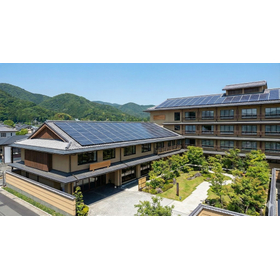
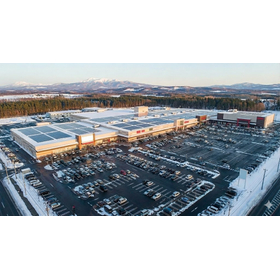
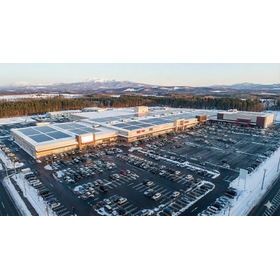
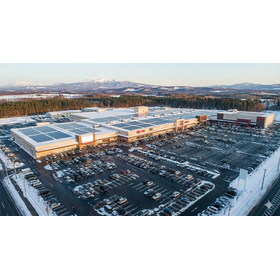
In shopping malls, the rising electricity costs associated with large-scale power consumption have become a challenge. In particular, the electricity usage for air conditioning, lighting, and tenants is a significant factor putting pressure on operating costs. Additionally, power outages during disasters can lead to lost business opportunities and impact customers. This service combines industrial solar power generation with storage batteries to simultaneously achieve electricity cost reduction and BCP (Business Continuity Planning) measures. 【Usage Scenarios】 - Large commercial facilities - Mixed-use commercial facilities - Community-based shopping centers 【Benefits of Implementation】 - Reduction in electricity costs - Securing emergency power supply - Enhancement of corporate image
Added to bookmarks
Bookmarks listBookmark has been removed
Bookmarks listYou can't add any more bookmarks
By registering as a member, you can increase the number of bookmarks you can save and organize them with labels.
Free membership registration
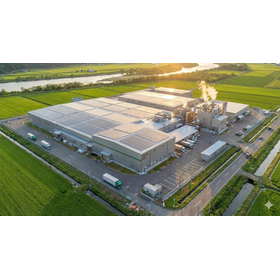
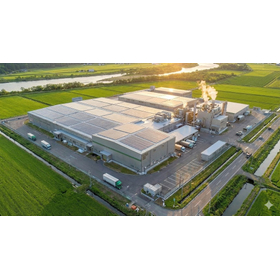
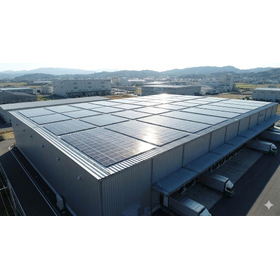
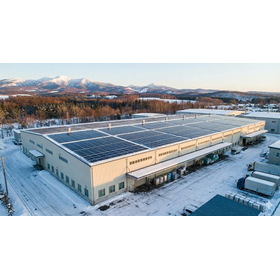
In the manufacturing industry, the soaring electricity costs have become a significant management challenge. The rise in electricity costs, which are essential for production activities, can squeeze profits and lead to a decline in competitiveness. Furthermore, production line stoppages due to power outages can result in substantial losses. This service addresses these challenges by implementing self-consumption solar power generation and storage batteries. 【Usage Scenarios】 - Factories - Production Lines - Warehouses 【Benefits of Implementation】 - Reduction in electricity costs - BCP measures - Securing revenue
Added to bookmarks
Bookmarks listBookmark has been removed
Bookmarks listYou can't add any more bookmarks
By registering as a member, you can increase the number of bookmarks you can save and organize them with labels.
Free membership registration
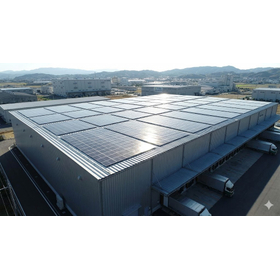
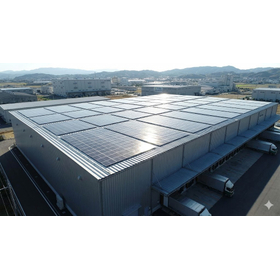
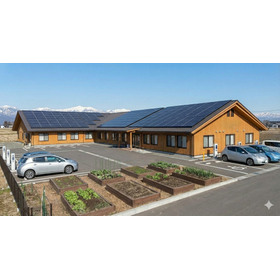
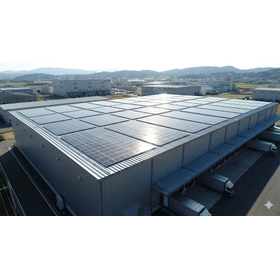
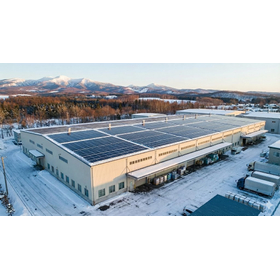
In the warehousing industry, a significant amount of electricity is used for air conditioning, lighting, and other purposes to maintain the quality of stored products. The rising electricity costs pose a major challenge for warehouse operations. Additionally, it is necessary to consider the risks of product quality deterioration and business interruption due to power outages. Our self-consumption solar power generation system utilizes the roofs of warehouses to generate solar power, allowing for the consumption of generated electricity on-site, thereby reducing the amount purchased from utility companies and lowering electricity costs. 【Usage Scenarios】 - Power supply for lighting, air conditioning, and refrigeration/freezing equipment within the warehouse - Utilization as an emergency power source 【Benefits of Implementation】 - Reduction in electricity costs - BCP measures (business continuity during power outages) - Mitigation of renewable energy surcharge risks
Added to bookmarks
Bookmarks listBookmark has been removed
Bookmarks listYou can't add any more bookmarks
By registering as a member, you can increase the number of bookmarks you can save and organize them with labels.
Free membership registration
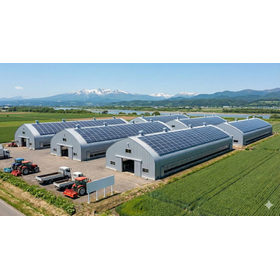
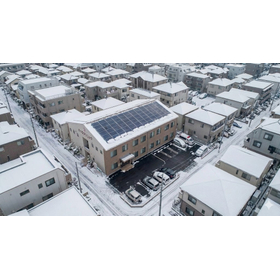
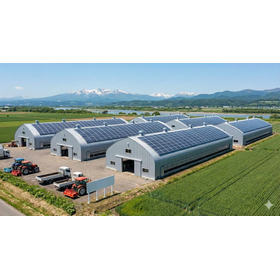
In the agricultural sector, the cost of electricity needed for irrigation is a significant factor putting pressure on management. In particular, the soaring electricity prices and the increase in renewable energy surcharges are exacerbating cost increases. To ensure stable agricultural management, it is important to reduce the costs associated with irrigation and achieve sustainable power usage. This service aims to significantly reduce electricity costs by combining industrial solar power generation with storage batteries to cover the electricity needed for irrigation in-house. 【Usage Scenarios】 - Irrigation in large-scale farmland - Power supply to greenhouses - Power supply to agricultural pumps 【Benefits of Implementation】 - Reduction in electricity costs - Liberation from renewable energy surcharges - Securing backup power during outages
Added to bookmarks
Bookmarks listBookmark has been removed
Bookmarks listYou can't add any more bookmarks
By registering as a member, you can increase the number of bookmarks you can save and organize them with labels.
Free membership registration
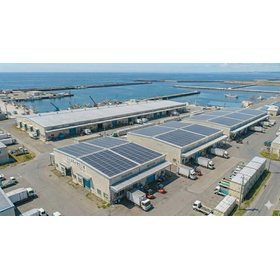
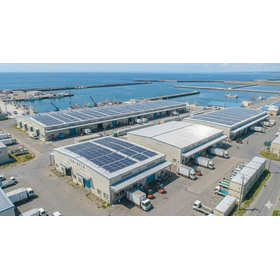
In the seafood processing industry, the significant power consumption due to the operation of refrigeration and freezing equipment is a challenge. Temperature management is essential for maintaining product quality, and a stable power supply is required. The rising electricity costs put pressure on business operations and are a factor in reducing profits. The introduction of self-consumption solar power generation and storage batteries can address these challenges and contribute to business stabilization. 【Usage Scenarios】 - Power supply for refrigeration and freezing equipment - Operation of temperature management systems - Backup power during outages 【Effects of Implementation】 - Reduction in electricity costs - Strengthening of BCP measures - Improvement in business continuity
Added to bookmarks
Bookmarks listBookmark has been removed
Bookmarks listYou can't add any more bookmarks
By registering as a member, you can increase the number of bookmarks you can save and organize them with labels.
Free membership registration
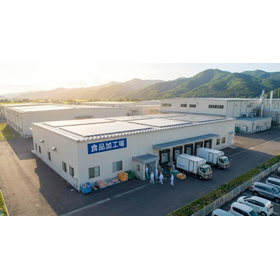
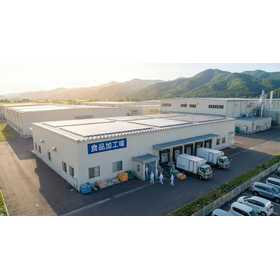
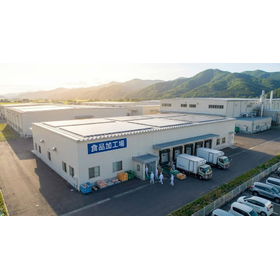
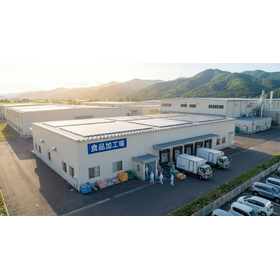
In the food processing industry, the significant power consumption due to the operation of refrigeration and freezing equipment has become a major challenge in the form of rising electricity costs. In particular, refrigeration and freezing equipment, which is required to operate 24 hours a day to maintain freshness, makes reducing electricity costs an important management issue. Self-consumption solar power generation systems address this challenge by achieving both electricity cost reduction and business continuity planning (BCP) measures. 【Usage Scenarios】 - Refrigerated and frozen storage of food - Power supply for manufacturing lines - Temperature-controlled warehouses 【Benefits of Implementation】 - Cost reduction through lower electricity bills - Business continuity during power outages (BCP measures) - Freedom from renewable energy surcharges
Added to bookmarks
Bookmarks listBookmark has been removed
Bookmarks listYou can't add any more bookmarks
By registering as a member, you can increase the number of bookmarks you can save and organize them with labels.
Free membership registration
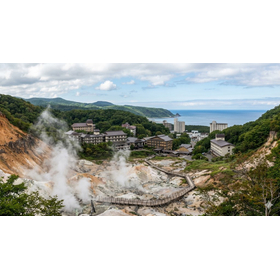
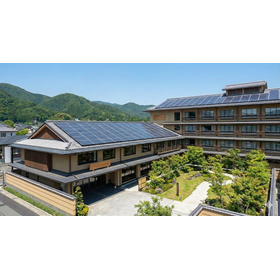
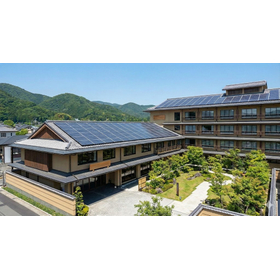
In the hot spring inn industry, the rising electricity costs and the instability of power supply during outages have become significant challenges. In particular, stable power supply is essential for temperature management of the hot springs and the operation of accommodation facilities. Power outages can lead to a decline in customer service and potential damage to equipment. Our self-consumption solar power generation system simultaneously achieves electricity cost reduction and BCP measures, addressing these challenges. 【Usage Scenarios】 - Power supply for hot spring facilities - Lighting and air conditioning for accommodation facilities - Power supply for kitchen equipment 【Benefits of Implementation】 - Reduction in electricity costs - Assurance of power supply during outages - Strengthening of BCP measures
Added to bookmarks
Bookmarks listBookmark has been removed
Bookmarks listYou can't add any more bookmarks
By registering as a member, you can increase the number of bookmarks you can save and organize them with labels.
Free membership registration
In recent years, industrial electricity rates have risen by approximately 74% compared to 2010, and it is predicted that electricity costs will continue to increase due to the rising renewable energy surcharge. Since the renewable energy surcharge is uniformly applied nationwide based on electricity consumption, businesses that use more electricity currently bear a larger cost burden. This service is an energy solution that combines industrial solar power generation with storage batteries. By consuming the electricity generated in-house, it reduces the amount of electricity "purchased" from power companies, enabling the use of electricity without incurring the renewable energy surcharge. **Main Benefits of Implementation** - **Reduction in Electricity Costs:** No renewable energy surcharge applies to self-consumed electricity, helping to reduce the amount of electricity purchased. - **Revenue Generation through Selling Excess Power:** Surplus electricity can be sold using the Feed-in Tariff (FIT) system. - **Accelerated Return on Investment:** Due to the initial investment scheme, high-priced electricity sales are expected in the first five years. - **BCP and Disaster Preparedness:** With the installation of storage batteries, power supply is possible even during outages. This solution contributes not only to reducing electricity costs but also to business continuity during disasters. It is an industrial energy solution that simultaneously achieves cost reduction, revenue generation, and disaster preparedness. *For more details, please download the PDF document or feel free to contact us.*
Added to bookmarks
Bookmarks listBookmark has been removed
Bookmarks listYou can't add any more bookmarks
By registering as a member, you can increase the number of bookmarks you can save and organize them with labels.
Free membership registration
In hot spring facilities, the cost of electricity due to boiler operation has become a significant issue. In particular, the soaring electricity prices and the increase in renewable energy surcharges are factors that pressure management. The stable operation of boilers is essential for facility management, and reducing electricity costs is an important management challenge. Our self-consumption solar power generation system reduces the amount of electricity purchased from power companies by utilizing the electricity generated in-house for boiler power, thereby lowering electricity costs. 【Usage Scenarios】 - Boilers in hot spring facilities - Measures against rising electricity costs - BCP (Business Continuity Planning) measures 【Effects of Implementation】 - Reduction in electricity costs - Securing revenue through selling excess electricity - BCP and disaster response measures
Added to bookmarks
Bookmarks listBookmark has been removed
Bookmarks listYou can't add any more bookmarks
By registering as a member, you can increase the number of bookmarks you can save and organize them with labels.
Free membership registration
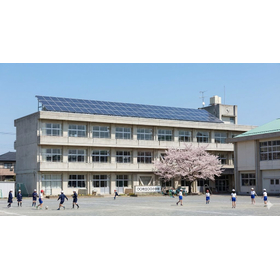
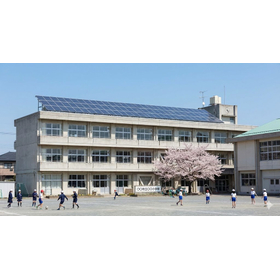
In schools, securing educational funding is an important issue. The rise in electricity prices puts pressure on educational budgets and may affect the quality of education. Particularly in school facilities that consume a lot of electricity, such as heating, cooling, and lighting, reducing electricity costs is urgent. This service achieves electricity cost reduction for schools by combining industrial solar power generation with storage batteries. By consuming electricity generated in-house, it reduces the amount of electricity "purchased" from power companies, enabling the use of electricity without renewable energy surcharges. 【Usage Scenarios】 - Installation of solar power generation systems in large areas such as classrooms, gymnasiums, and schoolyards - Utilization of storage batteries as emergency power sources during power outages - Promotion of energy conservation in educational facilities 【Benefits of Implementation】 - Securing educational budgets through significant reductions in electricity costs - Business continuity planning (BCP) measures during disasters - Environmental contributions through the use of renewable energy
Added to bookmarks
Bookmarks listBookmark has been removed
Bookmarks listYou can't add any more bookmarks
By registering as a member, you can increase the number of bookmarks you can save and organize them with labels.
Free membership registration
In commercial facilities, reducing operating costs and ensuring business continuity during power outages are important challenges. Electricity costs represent a significant portion of expenses, and their rise puts pressure on profits. Additionally, power outages can lead to lost sales opportunities and impact customers. This service simultaneously achieves cost reduction in electricity bills and BCP (Business Continuity Planning) measures by combining industrial solar power generation with storage batteries. 【Usage Scenarios】 - Commercial facilities - Stores - Office buildings 【Benefits of Implementation】 - Reduction in electricity costs - Securing emergency power supply - Enhancement of corporate image
Added to bookmarks
Bookmarks listBookmark has been removed
Bookmarks listYou can't add any more bookmarks
By registering as a member, you can increase the number of bookmarks you can save and organize them with labels.
Free membership registration
In the warehousing industry, reducing electricity costs is a crucial issue to keep storage fees low. Particularly, temperature management and air conditioning systems consume a lot of electricity, making the rise in electricity costs a factor that pressures management. This service contributes to reducing electricity costs and lowering storage fees by combining industrial solar power generation with storage batteries. By utilizing self-consumption, it enables the use of electricity without renewable energy surcharges. 【Usage Scenarios】 - Temperature management within the warehouse - Operation of air conditioning systems - Use of lighting systems 【Benefits of Implementation】 - Reduction in electricity costs - BCP measures (power supply during outages) - Measures against renewable energy surcharges
Added to bookmarks
Bookmarks listBookmark has been removed
Bookmarks listYou can't add any more bookmarks
By registering as a member, you can increase the number of bookmarks you can save and organize them with labels.
Free membership registration
In nursing facilities, the use of air conditioning systems is essential to maintain a comfortable living environment for residents. However, the rising electricity costs are one of the factors putting pressure on operating expenses and making management difficult. In particular, as the operating hours of air conditioning systems increase to cope with the extreme heat in summer and the cold in winter, reducing electricity costs has become an urgent issue. This service combines industrial solar power generation with storage batteries to simultaneously achieve electricity cost reduction for nursing facilities and BCP measures during power outages. 【Usage Scenarios】 - Reduction of air conditioning costs in nursing facilities - Maintenance of a comfortable living environment for residents - Continuity of business through power supply during outages 【Effects of Implementation】 - Up to 29% reduction in electricity costs - Strengthening of BCP measures - Securing revenue through electricity sales
Added to bookmarks
Bookmarks listBookmark has been removed
Bookmarks listYou can't add any more bookmarks
By registering as a member, you can increase the number of bookmarks you can save and organize them with labels.
Free membership registration
In hospitals, a 24/7 power supply is essential for the stable operation of medical equipment. The rising electricity costs are one of the major factors putting pressure on hospital management, and since medical devices consume a lot of power, cost reduction has become urgent. Additionally, securing backup power during outages is crucial for ensuring patient safety. Our self-consumption solar power generation system addresses these challenges. 【Usage Scenarios】 - High-load medical equipment such as CT scans and MRIs - Critical areas like operating rooms and intensive care units - Backup power during outages 【Benefits of Implementation】 - Reduction in electricity costs - Strengthening of BCP measures - Continuity of operations during disasters - Freedom from renewable energy surcharges
Added to bookmarks
Bookmarks listBookmark has been removed
Bookmarks listYou can't add any more bookmarks
By registering as a member, you can increase the number of bookmarks you can save and organize them with labels.
Free membership registration
In the hotel industry, utility costs represent a significant expense, and the rising electricity prices pose a major challenge to management. Particularly in hotels that consume a lot of electricity for air conditioning and lighting, reducing electricity costs has become an urgent issue. This service enables hotels to generate their own electricity through a combination of industrial solar power generation and storage batteries, allowing them to consume the electricity they produce and reduce the amount they purchase from power companies. This leads to a reduction in electricity costs and the use of electricity without renewable energy surcharges. 【Usage Scenarios】 - Lighting and air conditioning in guest rooms, lobbies, and restaurants - Kitchen equipment - Overall electricity usage throughout the hotel 【Benefits of Implementation】 - Reduction in electricity bills - Revenue generation through selling excess power - Business continuity planning and disaster response
Added to bookmarks
Bookmarks listBookmark has been removed
Bookmarks listYou can't add any more bookmarks
By registering as a member, you can increase the number of bookmarks you can save and organize them with labels.
Free membership registration
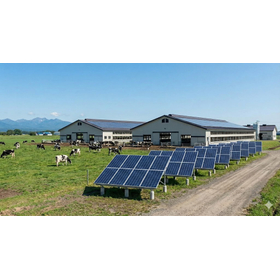
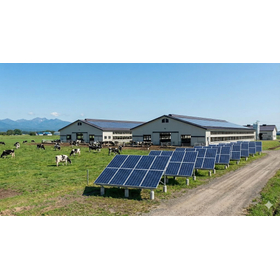
In the dairy industry, a significant amount of electricity is consumed for heating and cooling barns and operating milking machines. The rising electricity costs pose a major challenge for dairy farmers' management. In particular, heating and cooling expenses fluctuate with the seasons, making cost management difficult. This service supports dairy farmers in reducing their electricity bills by combining industrial solar power generation with storage batteries. By consuming the electricity generated in-house, farmers can reduce the amount of electricity purchased from power companies, achieving cost savings. Furthermore, the introduction of storage batteries ensures a reliable power supply even during outages, contributing to business continuity planning (BCP). 【Usage Scenarios】 - Heating and cooling of barns - Operation of milking machines - Power supply for feed storage facilities 【Benefits of Implementation】 - Reduction in electricity costs - Assurance of power supply during outages - Relief from renewable energy surcharges
Added to bookmarks
Bookmarks listBookmark has been removed
Bookmarks listYou can't add any more bookmarks
By registering as a member, you can increase the number of bookmarks you can save and organize them with labels.
Free membership registration
In the fishing industry, the soaring fuel costs have become a significant challenge that pressures management. Fuel costs for fishing boats occur as fixed expenses, regardless of catch volume or operating hours, making cost reduction an urgent necessity. Additionally, there are instances where power supply at fishing ports and on land is unstable, necessitating stable power supply from the perspective of business continuity planning (BCP). This service combines industrial solar power generation and storage batteries to replace part of the fuel costs with electricity, achieving both cost reduction and BCP measures simultaneously. 【Usage Scenarios】 - Power supply to fishing boats - Power supply to facilities at fishing ports - Power supply to land-based fishing-related facilities 【Benefits of Implementation】 - Reduction of part of the fuel costs - Reduction of electricity bills - Continuation of business during power outages - Securing revenue through selling electricity
Added to bookmarks
Bookmarks listBookmark has been removed
Bookmarks listYou can't add any more bookmarks
By registering as a member, you can increase the number of bookmarks you can save and organize them with labels.
Free membership registration
In recent years, industrial electricity rates have risen by about 74% compared to 2010, and it is predicted that electricity costs will continue to rise due to the increasing renewable energy surcharge. Since the renewable energy surcharge is uniformly applied nationwide based on electricity usage, businesses that consume more power currently bear a larger cost burden. This service is an energy solution that combines industrial solar power generation with storage batteries. By consuming the electricity generated in-house, it reduces the amount of electricity "purchased" from power companies, enabling the use of electricity without incurring the renewable energy surcharge. **Main Benefits of Implementation** - **Reduction in Electricity Costs:** There is no renewable energy surcharge on self-consumed electricity, helping to curb electricity purchases. - **Revenue Generation from Selling Electricity:** Surplus electricity can be sold using the FIT system. - **Accelerated Investment Recovery:** Due to the initial investment scheme, high-priced electricity sales can be expected in the first five years. - **BCP and Disaster Measures:** With the installation of storage batteries, power supply is possible even during outages. This solution contributes not only to reducing electricity costs but also to business continuity during disasters. It is an industrial energy solution that simultaneously achieves cost reduction, revenue generation, and disaster preparedness. *For more details, please download the PDF document or feel free to contact us.*
Added to bookmarks
Bookmarks listBookmark has been removed
Bookmarks listYou can't add any more bookmarks
By registering as a member, you can increase the number of bookmarks you can save and organize them with labels.
Free membership registration
In the gasoline station industry, in addition to the soaring fuel prices, the electricity costs necessary for store operations are also a significant burden. In particular, the power consumption for lighting, pumps, and air conditioning during business hours cannot be ignored. Reducing these costs is essential for improving profit margins. This service simultaneously achieves electricity cost reduction and BCP measures by combining industrial solar power generation with storage batteries. 【Usage Scenarios】 - Gasoline station stores - Car wash facilities - Offices 【Benefits of Implementation】 - Reduction in electricity costs - Improved business continuity through BCP measures - Effect of suppressing fuel costs
Added to bookmarks
Bookmarks listBookmark has been removed
Bookmarks listYou can't add any more bookmarks
By registering as a member, you can increase the number of bookmarks you can save and organize them with labels.
Free membership registration
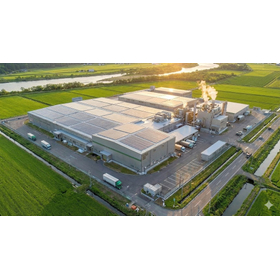
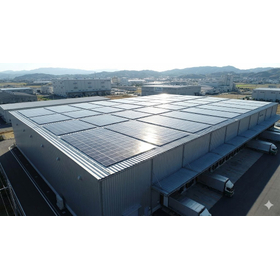
In factory management, electricity costs are one of the significant expenses. Particularly in the manufacturing industry, where a lot of power is consumed, rising electricity prices can pressure profits. Additionally, production line stoppages due to power outages can lead to substantial losses. This service simultaneously achieves electricity cost reduction and BCP (Business Continuity Planning) measures by combining industrial solar power generation with storage batteries. 【Usage Scenarios】 - High overall electricity consumption in the factory - Struggling with rising electricity prices - Wanting to implement business continuity measures during power outages 【Benefits of Implementation】 - Reduction in electricity costs - Ability to supply power even during outages - Strengthening of the company's BCP measures
Added to bookmarks
Bookmarks listBookmark has been removed
Bookmarks listYou can't add any more bookmarks
By registering as a member, you can increase the number of bookmarks you can save and organize them with labels.
Free membership registration
In the warehouse industry, reducing electricity costs is a crucial issue to keep storage fees low. Particularly in large warehouses, energy consumption for air conditioning and lighting is high, putting pressure on electricity expenses. With rising electricity costs, cost reduction has become an urgent challenge. This service combines industrial solar power generation and storage batteries to achieve a reduction in electricity costs for warehouses. By consuming electricity generated in-house, it reduces the amount of electricity purchased from power companies, enabling the use of electricity without renewable energy surcharges. 【Usage Scenarios】 - Large warehouses - Refrigerated and frozen warehouses - Logistics centers 【Benefits of Implementation】 - Reduction in electricity costs - BCP measures - Securing revenue through electricity sales
Added to bookmarks
Bookmarks listBookmark has been removed
Bookmarks listYou can't add any more bookmarks
By registering as a member, you can increase the number of bookmarks you can save and organize them with labels.
Free membership registration
In the hotel industry, utility costs have become a significant management challenge. In particular, fluctuations in electricity rates due to occupancy rates and seasonal variations are factors that pressure profits. Additionally, power outages during disasters can have serious impacts on business continuity. Our self-consumption solar power generation system addresses these challenges. 【Usage Scenarios】 * Facilities with high electricity consumption, such as guest rooms, restaurants, and banquet halls * Cases where simply reviewing electricity rate plans is not effective * Situations where securing emergency power sources is desired as part of BCP measures 【Benefits of Implementation】 * Reduction in electricity costs: Self-consumption helps to limit the amount of electricity purchased * BCP measures: Power supply is possible even during outages thanks to battery storage * Enhancement of corporate image: Utilization of renewable energy
Added to bookmarks
Bookmarks listBookmark has been removed
Bookmarks listYou can't add any more bookmarks
By registering as a member, you can increase the number of bookmarks you can save and organize them with labels.
Free membership registration
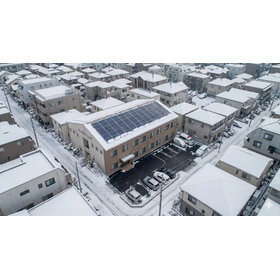
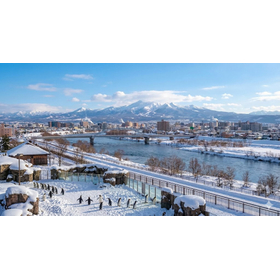
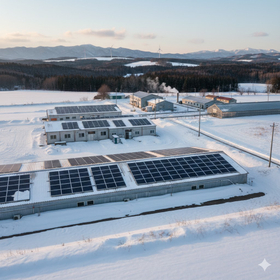
**Solar Power Generation Situation in Hokkaido** Many people have the impression that Hokkaido has short sunlight hours and low temperatures, which may lead to concerns about the effectiveness of installing solar power generation systems. It is said that solar panels can achieve higher power generation efficiency due to lower temperatures, which cool the back side of the panels. **Points to Consider When Installing Solar Power Generation in Hokkaido** To maximize the effectiveness of solar power generation, it is crucial to take thorough measures against snow accumulation. Snow tends to slide off solar panels easily, which can increase the frequency of snow falls and raise the risk of injuries from falling snow. If a neighbor were to get injured due to falling snow, it could potentially harm relationships with those living nearby. For snow accumulation measures in solar power installation, it is advisable to install panels flat on a snow duct roof. **Conclusion** Despite the common perception that Hokkaido has too much snow to be suitable for solar power generation, there are actually numerous benefits, and many people have successfully reduced their electricity costs and addressed natural disaster concerns in Hokkaido. Using the information in this article as a reference, please consider installing solar power generation systems in Hokkaido.
Added to bookmarks
Bookmarks listBookmark has been removed
Bookmarks listYou can't add any more bookmarks
By registering as a member, you can increase the number of bookmarks you can save and organize them with labels.
Free membership registration
In the food processing industry, electricity consumption during the manufacturing process is significant, and the rising electricity costs are a major factor putting pressure on management. Additionally, operational stoppages due to power outages can lead to product quality degradation and waste, potentially resulting in substantial losses. A stable power supply is extremely important for business continuity. This service enables the reduction of electricity costs and ensures business continuity during power outages by combining industrial solar power generation with storage batteries. By consuming the electricity generated in-house, it reduces the amount purchased from power companies, thereby lowering electricity bills. Furthermore, by installing storage batteries, it provides power during outages, supporting business continuity. 【Usage Scenarios】 - Power supply for food processing factories - Power supply for refrigeration and freezing equipment - Power supply for manufacturing lines 【Benefits of Implementation】 - Reduction in electricity costs - Business continuity during power outages - Strengthening of BCP measures
Added to bookmarks
Bookmarks listBookmark has been removed
Bookmarks listYou can't add any more bookmarks
By registering as a member, you can increase the number of bookmarks you can save and organize them with labels.
Free membership registration
In the livestock industry, significant electricity is consumed for temperature management to maintain the appropriate growing environment for livestock. In particular, air conditioning in the summer and heating in the winter are major factors that strain electricity costs. Additionally, power outages can have serious impacts on the health and productivity of livestock. A self-consumption solar power generation system addresses these challenges. By using electricity generated in-house for temperature management, it reduces the amount purchased from power companies and lowers electricity costs. Furthermore, by installing storage batteries, it ensures power supply during outages, enabling business continuity. 【Usage Scenarios】 - Temperature management in livestock barns (heating and cooling) - Power supply for breeding facilities - Backup power during outages 【Benefits of Implementation】 - Reduction in electricity costs - Business continuity during outages - Avoidance of renewable energy surcharge risks
Added to bookmarks
Bookmarks listBookmark has been removed
Bookmarks listYou can't add any more bookmarks
By registering as a member, you can increase the number of bookmarks you can save and organize them with labels.
Free membership registration
In recent years, industrial electricity rates have risen by about 74% compared to 2010, and it is predicted that electricity costs will continue to increase due to the rising renewable energy surcharge. Since the renewable energy surcharge is uniformly applied nationwide based on electricity usage, businesses that consume more power currently bear a larger cost burden. This service is an energy solution that combines industrial solar power generation with storage batteries. By consuming the electricity generated in-house, it reduces the amount of electricity "purchased" from power companies, achieving electricity use without the renewable energy surcharge. **Main Benefits of Implementation** - **Reduction in Electricity Costs:** There is no renewable energy surcharge on self-consumed electricity, which helps to curb electricity purchase amounts. - **Revenue Generation through Selling Electricity:** Surplus electricity can be sold using the FIT system. - **Accelerated Investment Recovery:** Due to the initial investment scheme, high-priced electricity sales are expected in the first five years. - **BCP and Disaster Measures:** With the installation of storage batteries, power supply is possible even during power outages. This solution contributes not only to reducing electricity costs but also to business continuity during disasters. It is an industrial energy solution that simultaneously achieves cost reduction, revenue generation, and disaster preparedness. *For more details, please download the PDF document or feel free to contact us.*
Added to bookmarks
Bookmarks listBookmark has been removed
Bookmarks listYou can't add any more bookmarks
By registering as a member, you can increase the number of bookmarks you can save and organize them with labels.
Free membership registration
In research facilities, a stable power supply 24 hours a day, 365 days a year is essential for experiments and data storage. Power outages can lead to the loss of research data and interruptions in experiments, potentially resulting in significant damage. This service enables the supply of electricity even during power outages by combining industrial solar power generation with storage batteries, allowing research activities to continue. It simultaneously achieves reductions in electricity costs and BCP measures. 【Usage Scenarios】 - Backup of research data - Ensuring power supply for experimental equipment - Maintaining server operation 【Benefits of Implementation】 - Business continuity during power outages - Reduction in electricity costs - Business continuity during disasters
Added to bookmarks
Bookmarks listBookmark has been removed
Bookmarks listYou can't add any more bookmarks
By registering as a member, you can increase the number of bookmarks you can save and organize them with labels.
Free membership registration
In the food processing industry, the power consumption of refrigeration equipment is significant, and electricity costs are a factor that pressures management. Power outages that halt refrigeration equipment can lead to deterioration and disposal of food quality, potentially resulting in substantial losses. This service enables the reduction of electricity costs and the continuity of business during disasters by combining industrial solar power generation with storage batteries. 【Usage Scenarios】 - Power supply for equipment that consumes a lot of electricity, such as refrigerators and freezers - Use as a backup power source during power outages - BCP measures for food processing factories 【Benefits of Implementation】 - Reduction in electricity costs - Continuity of business during power outages - Mitigation of renewable energy surcharge risks
Added to bookmarks
Bookmarks listBookmark has been removed
Bookmarks listYou can't add any more bookmarks
By registering as a member, you can increase the number of bookmarks you can save and organize them with labels.
Free membership registration
In the warehouse industry, the rising electricity costs have become a significant challenge. Particularly in warehouses that operate 24 hours a day or have equipment that consumes a lot of power, electricity fees are a factor that pressures management. Furthermore, power outages during disasters can lead to business interruptions and product losses, making it difficult to continue operations. This service simultaneously achieves energy savings for warehouses and BCP (Business Continuity Planning) measures. 【Usage Scenarios】 - Large-scale warehouses - Refrigerated warehouses - Logistics centers 【Benefits of Implementation】 - Reduction in electricity costs - Business continuity during power outages - Measures against renewable energy surcharges
Added to bookmarks
Bookmarks listBookmark has been removed
Bookmarks listYou can't add any more bookmarks
By registering as a member, you can increase the number of bookmarks you can save and organize them with labels.
Free membership registration
In factory management, electricity costs are one of the significant expenses. Particularly in the manufacturing industry, power consumption is high, and rising electricity rates can pressure profits. Additionally, power outages during disasters can halt production activities, potentially leading to substantial losses. This service simultaneously achieves electricity cost reduction and BCP (Business Continuity Planning) measures in factories. 【Usage Scenarios】 - Reduction of electricity consumption in factories - Measures against rising electricity costs - Business continuity during disasters 【Benefits of Implementation】 - Reduction in electricity costs - Securing revenue through electricity sales - Improved business continuity through BCP measures
Added to bookmarks
Bookmarks listBookmark has been removed
Bookmarks listYou can't add any more bookmarks
By registering as a member, you can increase the number of bookmarks you can save and organize them with labels.
Free membership registration
In schools, it is important to continue educational activities and ensure the safety of students and staff. In particular, the rise in electricity costs is a significant burden on school operations, and power outages during disasters can lead to the suspension of educational activities and safety risks. This service simultaneously achieves the reduction of electricity costs and the securing of power during disasters. 【Usage Scenarios】 - Schools with large campuses, such as buildings, gymnasiums, and grounds - Schools that want to secure emergency power during outages - Schools that want to reduce electricity costs and secure educational budgets 【Benefits of Implementation】 - Savings in school operating costs due to reduced electricity bills - Continuation of educational activities through power supply during disasters - Ensuring the safety of students and staff by securing emergency power
Added to bookmarks
Bookmarks listBookmark has been removed
Bookmarks listYou can't add any more bookmarks
By registering as a member, you can increase the number of bookmarks you can save and organize them with labels.
Free membership registration
In commercial facilities, power outages can lead to significant losses due to business interruptions. Additionally, rising electricity costs put pressure on operating expenses and contribute to reduced profits. This service addresses these challenges by enabling power supply during outages and achieving electricity cost reductions. 【Usage Scenarios】 * General commercial facilities * Securing backup power during outages * Reducing electricity bills 【Benefits of Implementation】 * Continuation of business operations during outages * Reduction in electricity costs * Business continuity during disasters * Securing revenue through power sales
Added to bookmarks
Bookmarks listBookmark has been removed
Bookmarks listYou can't add any more bookmarks
By registering as a member, you can increase the number of bookmarks you can save and organize them with labels.
Free membership registration
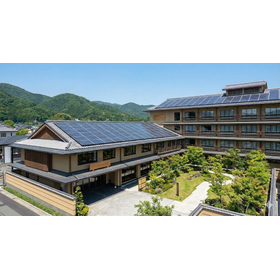
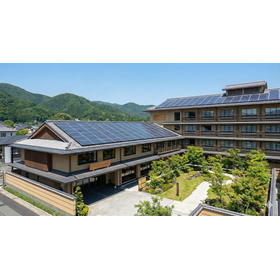
In the hotel industry, utility costs account for a significant portion of expenses, and the rising electricity prices are a factor putting pressure on management. In particular, the operation of accommodation facilities requires a continuous power supply 24/7, and the risks associated with power outages must also be considered. This service combines industrial solar power generation with storage batteries to achieve both electricity cost reduction and BCP (Business Continuity Planning) measures simultaneously. 【Usage Scenarios】 - Power supply for guest rooms, lobbies, restaurants, etc. - Power supply for kitchens, air conditioning systems, etc. - Use as an emergency power source 【Benefits of Implementation】 - Reduction in electricity costs - Business continuity during power outages - Improvement of corporate image
Added to bookmarks
Bookmarks listBookmark has been removed
Bookmarks listYou can't add any more bookmarks
By registering as a member, you can increase the number of bookmarks you can save and organize them with labels.
Free membership registration
In hospitals, a stable power supply 24 hours a day, 365 days a year is essential. Power outages pose a significant risk that can halt medical equipment and jeopardize patient safety. Especially in facilities related to life support, such as operating rooms and intensive care units, securing emergency power sources is the top priority. This service combines industrial solar power generation with storage batteries to function as an emergency power source, providing electricity during disasters and supporting business continuity. 【Usage Scenarios】 - As a backup power source during outages - Operation of medical equipment during disasters - Reduction of electricity costs through self-consumption 【Benefits of Implementation】 - BCP measures through securing emergency power sources - Reduction in electricity costs - Assurance of revenue from selling electricity
Added to bookmarks
Bookmarks listBookmark has been removed
Bookmarks listYou can't add any more bookmarks
By registering as a member, you can increase the number of bookmarks you can save and organize them with labels.
Free membership registration
In the data center industry, stable operation 24/7 is required, and power outages pose a significant risk. Securing emergency power is essential as part of BCP (Business Continuity Planning) measures. This service supports business continuity in data centers by supplying power even during outages by combining industrial solar power generation with storage batteries. It simultaneously achieves electricity cost reduction and BCP measures. 【Usage Scenarios】 - BCP measures for data centers - Power supply during outages - Reduction of electricity costs 【Benefits of Implementation】 - Business continuity during outages - Reduction of electricity bills - Mitigation of risks during disasters
Added to bookmarks
Bookmarks listBookmark has been removed
Bookmarks listYou can't add any more bookmarks
By registering as a member, you can increase the number of bookmarks you can save and organize them with labels.
Free membership registration
In the logistics industry, especially in warehouses and transportation where temperature control is essential, a stable power supply is crucial. Refrigeration and freezing equipment require a significant amount of electricity, and the rising electricity costs have become a major management issue. Furthermore, power outages can have serious impacts on product quality and business continuity. This service addresses these challenges by combining industrial solar power generation with battery storage. 【Usage Scenarios】 - Refrigerated and frozen warehouses - Temperature-controlled transportation - Logistics centers 【Benefits of Implementation】 - Reduction in electricity costs - BCP measures (power supply during outages) - Revenue generation through electricity sales
Added to bookmarks
Bookmarks listBookmark has been removed
Bookmarks listYou can't add any more bookmarks
By registering as a member, you can increase the number of bookmarks you can save and organize them with labels.
Free membership registration
In the agricultural sector, especially in irrigation, stable power supply and cost management are crucial. The operation of irrigation pumps requires a significant amount of electricity, and rising electricity costs can be a major factor putting pressure on management. Furthermore, power outages due to natural disasters can have serious impacts on crop growth. This service combines industrial solar power generation and batteries to provide the necessary electricity for irrigation, achieving both a reduction in electricity costs and securing power during emergencies. 【Usage Scenarios】 - Power supply for irrigation pumps - Power supply for greenhouse cultivation - Power supply for agricultural processing facilities 【Benefits of Implementation】 - Significant reduction in electricity bills - Business continuity during power outages - Increased revenue from selling electricity
Added to bookmarks
Bookmarks listBookmark has been removed
Bookmarks listYou can't add any more bookmarks
By registering as a member, you can increase the number of bookmarks you can save and organize them with labels.
Free membership registration
In the manufacturing industry, a stable power supply is essential. Power outages can lead to the halt of production lines, resulting in significant losses. Additionally, rising electricity costs can pressure companies' expenses and reduce their competitiveness. This service enables cost reduction in electricity and ensures business continuity during power outages by combining industrial solar power generation with storage batteries. 【Usage Scenarios】 * Factories * Warehouses * Production lines * Offices 【Benefits of Implementation】 * Continuous power supply even during outages * Reduction in electricity costs * Strengthening of BCP measures
Added to bookmarks
Bookmarks listBookmark has been removed
Bookmarks listYou can't add any more bookmarks
By registering as a member, you can increase the number of bookmarks you can save and organize them with labels.
Free membership registration
In recent years, industrial electricity rates have risen by about 74% compared to 2010, and it is predicted that electricity costs will continue to increase due to the rising renewable energy surcharge. The renewable energy surcharge is uniformly imposed nationwide based on electricity consumption, which means that businesses that use more electricity bear a larger cost burden. This service is an energy solution that combines industrial solar power generation with storage batteries. By consuming the electricity generated in-house, it reduces the amount of electricity purchased from power companies, achieving electricity use without the renewable energy surcharge. **Main Benefits of Implementation** - **Reduction in Electricity Costs:** There is no renewable energy surcharge on self-consumed electricity, which helps to limit the amount of electricity purchased. - **Revenue Generation from Selling Electricity:** Surplus electricity can be sold using the Feed-in Tariff (FIT) system. - **Accelerated Investment Recovery:** Due to the initial investment scheme, high-priced electricity sales are expected in the first five years. - **BCP and Disaster Preparedness:** With the addition of storage batteries, power supply is possible even during outages. This solution not only reduces electricity costs but also contributes to business continuity during disasters. It is an industrial energy solution that simultaneously achieves cost reduction, revenue generation, and disaster preparedness. *For more details, please download the PDF document or feel free to contact us.*
Added to bookmarks
Bookmarks listBookmark has been removed
Bookmarks listYou can't add any more bookmarks
By registering as a member, you can increase the number of bookmarks you can save and organize them with labels.
Free membership registration
In nursing facilities, utility costs account for a significant portion of operating expenses. In particular, a continuous power supply 24 hours a day, 365 days a year is essential to maintain a comfortable living environment for residents. However, the rise in electricity prices puts pressure on facility operations and may lead to a decline in service quality. Our self-consumption solar power generation system simultaneously achieves electricity cost reduction and BCP measures. By generating electricity in-house and consuming it, we reduce the amount of electricity "purchased" from power companies and enable the use of electricity without renewable energy surcharges. 【Usage Scenarios】 - Reducing electricity costs for nursing facilities - Securing emergency power during outages - Maintaining a comfortable living environment for residents 【Benefits of Implementation】 - Reduction in electricity costs - Strengthening BCP measures - Business continuity during disasters - Securing revenue through electricity sales *For more details, please download the PDF document or feel free to contact us.
Added to bookmarks
Bookmarks listBookmark has been removed
Bookmarks listYou can't add any more bookmarks
By registering as a member, you can increase the number of bookmarks you can save and organize them with labels.
Free membership registration
In schools, a stable supply of electricity necessary for educational activities is required. Particularly, with the increasing use of heating and cooling systems and information devices, the rising electricity costs pose a significant challenge to operational expenses. Additionally, power outages during disasters can make it difficult to continue educational activities. This service is an energy solution that combines industrial solar power generation with storage batteries. By consuming the electricity generated in-house, it reduces the amount of electricity "purchased" from power companies, enabling the use of electricity without renewable energy surcharges. 【Usage Scenarios】 - Power supply in school classrooms, gymnasiums, and playgrounds - Use as an emergency power source during outages 【Benefits of Implementation】 - Reduction in electricity costs - Business continuity during disasters - Contribution to educational activities *For more details, please download the PDF document or feel free to contact us.
Added to bookmarks
Bookmarks listBookmark has been removed
Bookmarks listYou can't add any more bookmarks
By registering as a member, you can increase the number of bookmarks you can save and organize them with labels.
Free membership registration
In the hospital industry, a stable power supply is essential, and power outages can have serious impacts on the provision of medical services. Additionally, rising electricity costs are one of the factors that strain hospital operating expenses and make management difficult. Our self-consumption solar power generation system addresses these challenges. 【Usage Scenarios】 - Hospital facilities - Power supply for medical equipment - Backup power source during disasters 【Benefits of Implementation】 - Reduction in electricity costs - Assurance of power supply during outages - Strengthening of BCP measures *For more details, please download the PDF document or feel free to contact us.
Added to bookmarks
Bookmarks listBookmark has been removed
Bookmarks listYou can't add any more bookmarks
By registering as a member, you can increase the number of bookmarks you can save and organize them with labels.
Free membership registration
In shopping malls, a stable power supply is essential to maintain a comfortable environment for many tenants and visitors. The rising electricity costs put pressure on operating expenses and are a factor in reducing profits. Furthermore, power outages increase the risk of lost business opportunities and loss of trust from customers. This service supports the operation of shopping malls by combining industrial solar power generation and storage batteries, enabling cost reduction in electricity bills and power supply during outages. 【Usage Scenarios】 - Large commercial facilities - Mixed-use commercial facilities - Community-based shopping centers 【Benefits of Implementation】 - Reduction in electricity costs - Business continuity during power outages - Enhancement of corporate image *For more details, please download the PDF document or feel free to contact us.
Added to bookmarks
Bookmarks listBookmark has been removed
Bookmarks listYou can't add any more bookmarks
By registering as a member, you can increase the number of bookmarks you can save and organize them with labels.
Free membership registration
In the data center industry, stable operation 24 hours a day, 365 days a year is required, and the stability of power supply is the most important issue. Power outages can lead to a loss of trust from customers due to service interruptions and increased costs associated with recovery efforts. Additionally, rising electricity prices put pressure on operating costs and can reduce competitiveness. This service simultaneously achieves power cost reduction and BCP (Business Continuity Planning) measures by combining industrial solar power generation with storage batteries. 【Usage Scenarios】 - Power supply for data centers - BCP measures - Cost reduction 【Benefits of Implementation】 - Reduction in electricity costs - Business continuity during power outages - Mitigation of renewable energy surcharge risks *For more details, please download the PDF document or feel free to contact us.
Added to bookmarks
Bookmarks listBookmark has been removed
Bookmarks listYou can't add any more bookmarks
By registering as a member, you can increase the number of bookmarks you can save and organize them with labels.
Free membership registration
In the hotel industry, the rising costs of utilities have become a significant challenge for management. In particular, the operation of accommodation facilities consumes a lot of electricity, making the increase in electricity rates a direct factor in reducing profits. Furthermore, power outages during disasters pose risks of business interruptions and loss of customer trust. Our self-consumption solar power generation system addresses these challenges. 【Usage Scenarios】 - Reducing utility costs for accommodation facilities - Hotels, inns, guesthouses, etc. - Securing emergency power during outages 【Benefits of Implementation】 - Reduction in electricity costs - Improved business continuity through BCP measures - Revenue generation through selling excess power *For more details, please download the PDF or feel free to contact us.
Added to bookmarks
Bookmarks listBookmark has been removed
Bookmarks listYou can't add any more bookmarks
By registering as a member, you can increase the number of bookmarks you can save and organize them with labels.
Free membership registration