What is the basics of sodium hypochlorite? Effective chlorine, uses, regulations [Basic Knowledge]

What is included in sodium hypochlorite handled on-site? An explanation of how effective chlorine is represented, the fields in which it is used, relevant laws, and the basics of handling it.
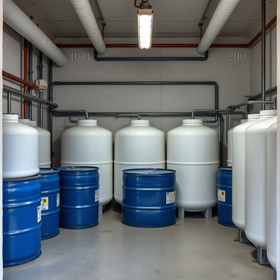
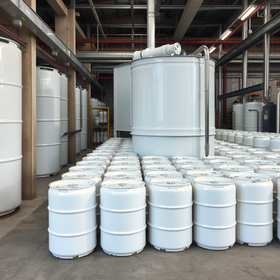
Sodium hypochlorite (NaClO) is a chlorine-based chemical used for disinfection and bleaching, and it is distributed in the workplace as a pale yellow aqueous solution. It is also a component found in household chlorine-based bleaches. It is handled as an aqueous solution with an effective chlorine concentration of 6-15% and is used for bleaching fibers and pulp, water treatment, and as a food additive. ■ Is there only one type of product? Commercial products for water supply contain, in addition to this substance, sodium chloride, sodium hydroxide (caustic soda) to suppress decomposition, sodium chlorite, sodium chlorate, and an aqueous solution containing bromate, which is an impurity from manufacturing. It is not a pure single component. ■ How is the grade determined? The standards for water supply (JWWA K 120) include special grade, first grade, second grade, and third grade. ■ Impurities determine the grade The effective chlorine content is 12.0% or more for all grades, and the grades are differentiated by the upper limits of impurities such as chlorate, bromate, and sodium chloride. For example, the upper limit for bromate is 10 mg/kg for special grade and 100 mg/kg for third grade. If you have any questions about choosing the appropriate grade or concentration for your application, please feel free to consult us.
Inquire About This Product
basic information
■In what fields is it used? 1. Water supply: Chlorine disinfection is mandated by regulations to maintain free residual chlorine at 0.1 mg/L or higher in water from supply faucets, and it is used as one of the disinfectants. 2. Sewage: The most common disinfection method at sewage treatment plants is chlorine disinfection, and this solution is also used as a disinfectant. 3. Industrial wastewater: It is used in the treatment of cyanide-containing wastewater from plating factories, where sodium hypochlorite is used for oxidation and decomposition. 4. Food: It is designated as a food additive (sterilizing agent). 5. Swimming pools: According to hygiene standards for swimming pools, chlorine or chlorine agents are generally continuously injected for disinfection, and this chlorine agent is also used. ■Is effective chlorine different from residual chlorine? The product specifications indicate effective chlorine (%), while regulations for water supply require residual chlorine (mg/L), indicating that the subjects are different. To measure a stock solution with 12% effective chlorine using the DPD colorimetric method for residual chlorine, it needs to be diluted 100,000 to 200,000 times, and the error corresponds to 1-2% of the concentration of the stock solution, leading to a lack of accuracy. The stock solution is measured using the specified method.
Price range
Delivery Time
Applications/Examples of results
■Which laws are relevant? 1. Food Sanitation Act: It is a designated additive that can be used in foods other than sesame, with no restrictions on the amount used. Note that hypochlorous acid water is designated as a separate additive. 2. Water Pollution Prevention Act: It is one of the designated substances. If it flows into public water areas due to an accident at a facility and poses a risk of damage, emergency measures and reporting are required. 3. Poisonous and Deleterious Substances Control Act: General products for drinking water do not fall under this category. Additionally, when used in water supply, it is not subject to regulations such as the Poisonous and Deleterious Substances Control Act or the Fire Service Act, including storage. ■What are the basic handling guidelines? The basics include wearing protective gloves and goggles, using it in a well-ventilated area, sealing the container, avoiding light, and storing it in a locked place. ■Chlorine gas from mixing with acids There is a risk of chlorine gas being released when mixed with acids. Handle it in a way that avoids mixing with acidic chemicals. ■Our handling We offer lightweight sodium hypochlorite in 15kg packages, dedicated electric pumps, and inspection and cleaning of building water tanks, providing suggestions tailored to usage. Please feel free to consult with us first.
catalog(3)
Download All Catalogs
Company information

Since our founding, we have continued to provide flexible services with the motto of accurately supplying a diverse range of products that respond to changes in the times and the diversification of consumer needs, tailored to various applications and requirements. With the corporate slogan "Chemical Engineering Partner," we, as a group of experts in chemical technology, actively discover ideas to solve our customers' problems from advanced technologies both domestically and internationally, and propose them.