The PCB encapsulation material market will reach a scale of 7.105 billion USD by 2026.

The PCB encapsulation material market is rapidly growing and is expected to reach a scale of 7.105 billion USD by 2026.
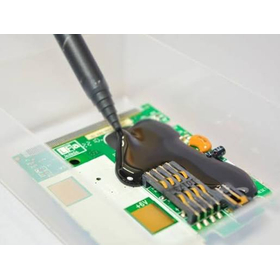
What is PCB encapsulant? PCB encapsulant is a functional material used to protect, insulate, secure, and seal printed circuit boards (PCBs) and electronic components. It is primarily composed of polymer materials such as epoxy, silicone, polyurethane, and acrylic, and is used through methods such as potting, sealing, surface coating, and localized filling. It enhances moisture resistance, dust resistance, chemical resistance, vibration resistance, thermal shock resistance, and electrical insulation, contributing to the reliability and lifespan of electronic devices. Global Market Size of PCB Encapsulant According to the latest research report published by Global Reports titled "Global Market Size, Share, Company Rankings, Sales, and Demand Trend Forecast for PCB Encapsulants (2026-2032)," the global market size is expected to expand from 6.971 billion USD in 2025 to 7.105 billion USD in 2026. The compound annual growth rate (CAGR) from 2026 to 2032 is projected to be 5.4%, with an expected reach of 9.719 billion USD by 2032.
Inquire About This Product
basic information
The demand for PCB encapsulation materials is driven by the high performance of electronic devices. The growth of the PCB encapsulation material market is supported by the miniaturization, high density, and high output of electronic devices, as well as the increasing demands for reliability in harsh environments. In applications such as electric vehicles (EVs), autonomous driving systems, industrial automation, 5G communication, AI servers, and energy storage systems, electronic circuits are prone to exposure to heat, moisture, vibration, and electrical stress. In these applications, PCB encapsulation materials that comprehensively meet requirements for heat dissipation, flame resistance, low stress, and long-term durability are necessary, in addition to simple protective performance. Particularly in automotive electronic devices, resistance to temperature changes and vibrations is crucial, and the selection of materials tailored to the specific requirements of each application significantly affects product reliability.
Price range
Delivery Time
Applications/Examples of results
Types of PCB Encapsulation Materials and Their Differentiation by Curing Method PCB encapsulation materials can be classified into epoxy-based, silicone-based, polyurethane-based, and acrylic-based categories. Epoxy-based materials are suitable for applications requiring adhesion, mechanical strength, and electrical insulation, while silicone-based materials are used in situations where temperature adaptability and flexibility are needed. Polyurethane-based materials are chosen for applications that require a balance of flexibility and protective performance, and acrylic-based materials are utilized in specific coating processes. Product forms include potting compounds, encapsulants, and conformal coatings, and curing methods are divided into room temperature curing, heat curing, UV curing, moisture curing, and dual curing. Selection must consider not only the curing speed but also the thermal load on components, the shape of the application target, and process time.
Company information
Global Reports integrates industrial information from around the world and provides highly accurate market intelligence to support corporate decision-making. We deliver in-depth analyses based on numerical data and facts, including market size, share, industry structure, price trends, growth forecasts, rankings of major companies, and competitive trends, with clear information categorized by country, region, and application. Leveraging a rich database that has supported the business growth of over 65,000 companies and an international research network, we accompany our clients in their global expansion and continuous growth.