The cocoyl chloride market is expected to reach 220 million USD by 2032: Expanding demand for intermediates for amino acid-based surfactants.
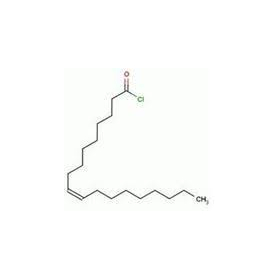
Cocoyl chloride is a mixture made from multiple fatty acid chlorides, produced by replacing the carboxyl group of fatty acids derived from palm oil with an acyl chloride group. It is generally supplied as a colorless to pale yellow reactive liquid and is used in the synthesis of low-irritation surfactants such as cocoyl glycinate, cocoyl glutamate, cocoyl sarcosinate, and taurates. Additionally, it is also utilized in special additives, pharmaceutical intermediates, and pesticide intermediates. Factors that influence the product characteristics of cocoyl chloride include purity, carbon chain distribution, reactivity, and storage/transport conditions. Depending on the application, products are categorized into those with 98% and 99% purity, standard palm fatty acid compositions ranging from C8 to C18, grades containing a higher proportion of C12 to C14, and custom products adjusted to narrow carbon chain ranges. In downstream surfactants, the fatty acid composition affects product performance and reaction conditions, making it important to design raw materials that fit the customer's formulation and manufacturing processes.
Inquire About This Product
basic information
Global Market Size of Cocoyl Chloride According to the latest research report published by Global Reports titled "Global Market Size, Share, Company Rankings, Sales, and Demand Trend Forecast for Cocoyl Chloride (2026-2032)," the global market size of cocoyl chloride is expected to expand from approximately $145 million in 2025 to about $150 million in 2026, with an average annual growth rate (CAGR) of 5.1% from 2026 to 2032, reaching approximately $220 million by 2032. This growth is driven by the increasing adoption of sulfate-free and low-irritation cleansing formulations and amino acid-based surfactants in products such as facial cleansers, shampoos, body soaps, and baby care products. Cocoyl chloride is a key intermediate for the production of these surfactants, and stable demand is anticipated due to the shift in formulation of cosmetic ingredients.
Price range
Delivery Time
Applications/Examples of results
Changes in Demand and Formulation Technology for Amino Acid-Based Surfactants The demand for cocoyl chloride is influenced not only by the sales volume of cleaning agents but also by the sophistication of formulations. Products that prioritize low irritation need to simultaneously satisfy cleansing power, foam quality, ease of rinsing, and the feel of skin and hair after use. Therefore, the type of surfactant, blending ratios, pH, and interactions with thickeners become important factors in product design. A study on surfactants published on J-STAGE in October 2026 examined the relationship between aggregation structure and rheological properties using a shampoo model containing amino acid-based surfactants. Such research indicates that downstream manufacturers need to evaluate not only the ingredient names and purity when selecting raw materials but also the foam quality and usability in actual formulations.
Company information

Global Reports integrates industrial information from around the world and provides highly accurate market intelligence to support corporate decision-making. We deliver in-depth analyses based on numerical data and facts, including market size, share, industry structure, price trends, growth forecasts, rankings of major companies, and competitive trends, with clear information categorized by country, region, and application. Leveraging a rich database that has supported the business growth of over 65,000 companies and an international research network, we accompany our clients in their global expansion and continuous growth.