Tetraclorobenzoquinone market to reach 30.89 million USD by 2032: High-performance pigments and pharmaceutical intermediates support demand.
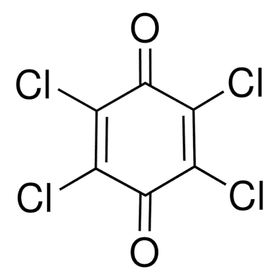
Tetraclorobenzoquinone is a fine chemical in the chlorinated quinone family identified by the CAS number 118-75-2, typically supplied as a yellow to brown crystalline powder. It possesses electron-accepting properties and oxidation/dehydrogenation capabilities, used as a reagent and chemical intermediate in organic synthesis, and also participates in crosslinking reactions depending on the application. The global effective production capacity in 2025 is estimated to be approximately 9,200 tons, with sales volume around 4,087 tons, and the average factory gate price is estimated at about \$5,823 per ton, with the industry's gross profit margin generally ranging from 20% to 28%. According to the latest research report published by Global Reports titled "Global Market Size, Share, Company Rankings, Sales, and Demand Trend Forecast for Tetraclorobenzoquinone (2026-2032)," the global market size for tetraclorobenzoquinone is expected to expand from approximately \$23.8 million in 2025 to about \$24.7 million in 2026, growing at a compound annual growth rate (CAGR) of 3.8% from 2026 to 2032, and reaching approximately \$30.89 million by 2032.
Inquire About This Product
basic information
Manufacturing Process and Supply Structure of Tetrachlorobenzoquinone The main manufacturing routes for tetrachlorobenzoquinone include the chlorination of phenol and the chlorination and oxidation of hydroquinone. Raw materials used include phenol, hydroquinone, chlorine, hydrochloric acid, oxidizing agents, and reaction solvents, and in the manufacturing process, managing not only the reaction yield but also chlorination by-products and residual impurities is crucial. The phenol route tends to ensure stability in raw material procurement and cost competitiveness, while requiring careful reaction control and wastewater treatment. The hydroquinone route may contribute to stabilizing quality, but it tends to have higher raw material costs. In the tetrachlorobenzoquinone market, factors such as the nominal production capacity of facilities, actual operating rates, refining efficiency, compliance with environmental regulations, and customer quality certification influence supply competitiveness.
Price range
Delivery Time
Applications/Examples of results
Demand and Growth Factors for Tetraclorobenzoquinone by Application The largest application area for tetraclorobenzoquinone is in dyes and organic pigments, with demand for high-performance pigments related to automotive paints, industrial coatings, packaging inks, engineering plastics, and colored masterbatches supporting the market. As the functionality of colorants increases and applications diversify, pigment manufacturers are required to ensure color stability and reproducibility of quality, necessitating stable quality in tetraclorobenzoquinone used as a raw material. On the other hand, demand in the pigment industry is influenced by economic conditions and production trends of end products, which may lead to fluctuations in sales volume that could constrain market growth.
Company information

Global Reports integrates industrial information from around the world and provides highly accurate market intelligence to support corporate decision-making. We deliver in-depth analyses based on numerical data and facts, including market size, share, industry structure, price trends, growth forecasts, rankings of major companies, and competitive trends, with clear information categorized by country, region, and application. Leveraging a rich database that has supported the business growth of over 65,000 companies and an international research network, we accompany our clients in their global expansion and continuous growth.